How It Shows Up
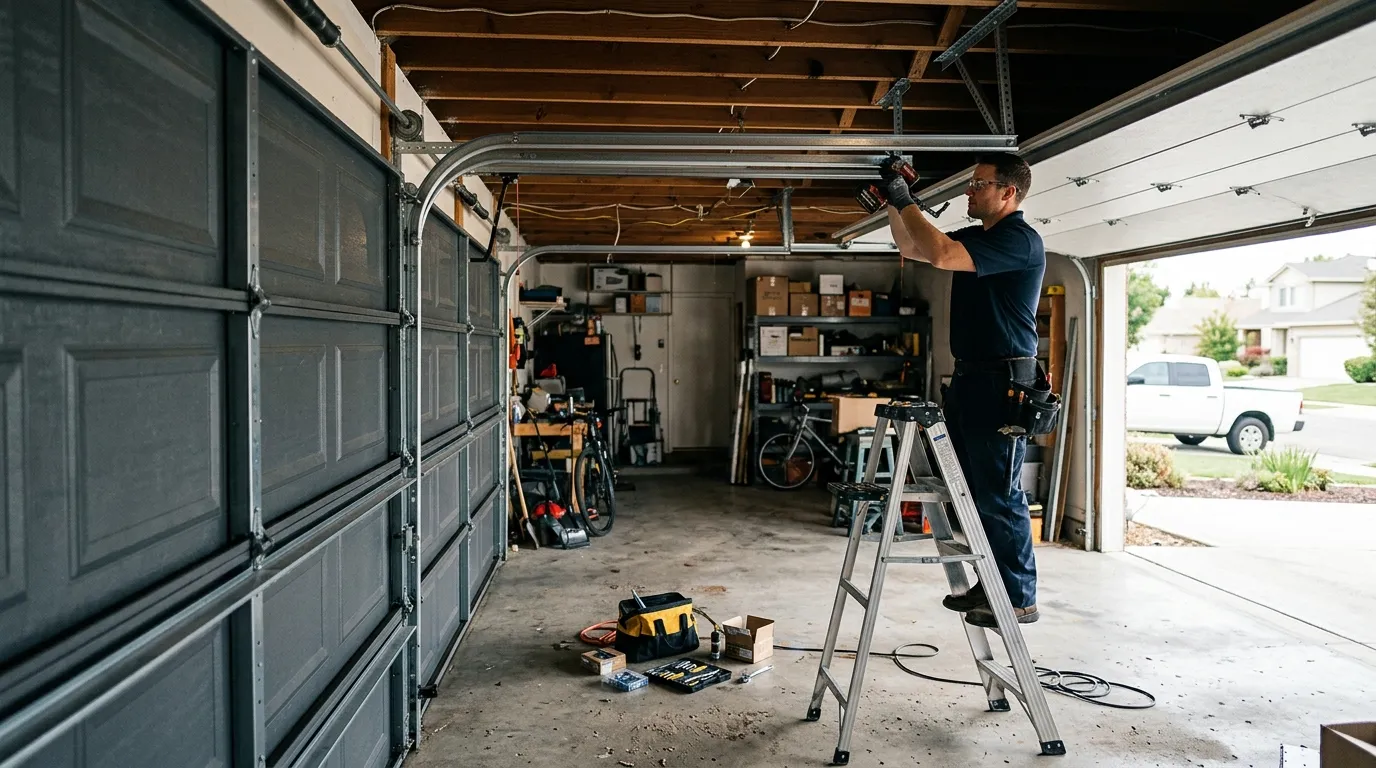
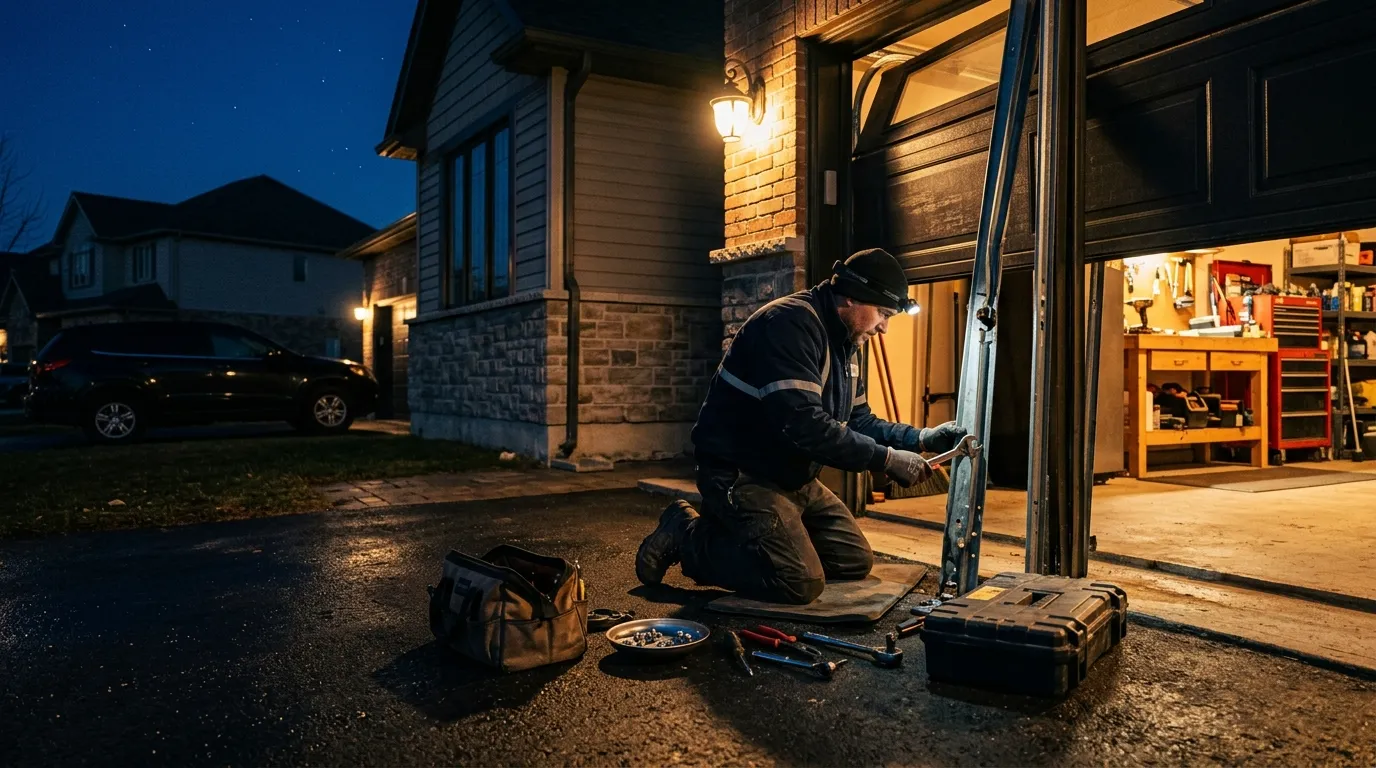
The opener hums and the light comes on, but the door doesn't move. Or it moves an inch, stalls, and reverses. Sometimes the remote works from the driveway but not from inside the truck, or the wall button only fires on the second or third press. On a lot of the houses we work in, the opener is original to the build - a chain-drive unit from whenever the house went up, still running the same gear kit thirty or forty years later. Housing in this service area went up mostly between 1956 and 2011, with the median landing around 1981, and most of that stock across the eighteen named areas we cover dates to the 1980s and 90s. That means a huge share of openers still in service predate rolling-code security, battery backup, and in some cases even factory safety sensors. When one of these finally quits, it's rarely one part - it's a chain stretched past adjustment, a gear worn round, and a logic board that's been running warm for two decades. Swapping the opener without addressing the door's balance or the track it rides on just moves the failure to next year.
Time on the Job
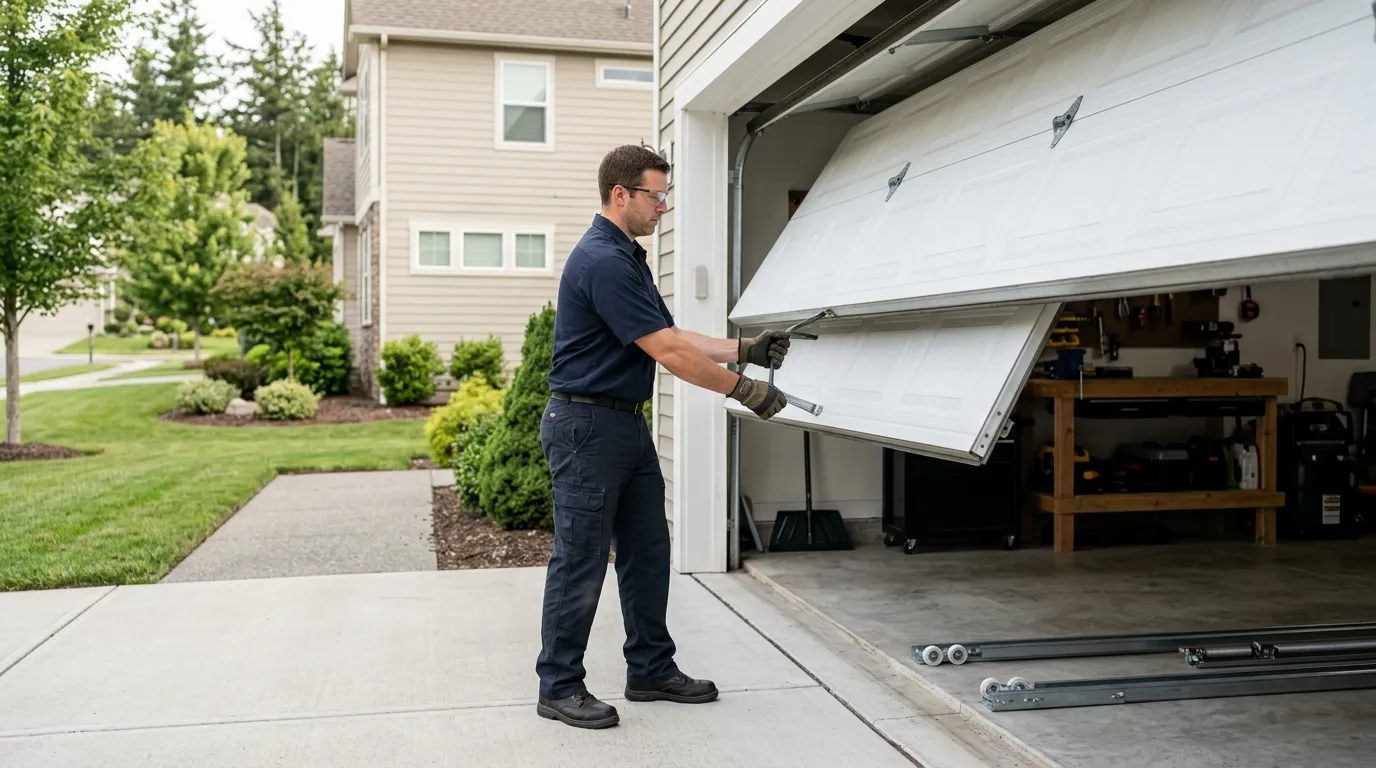
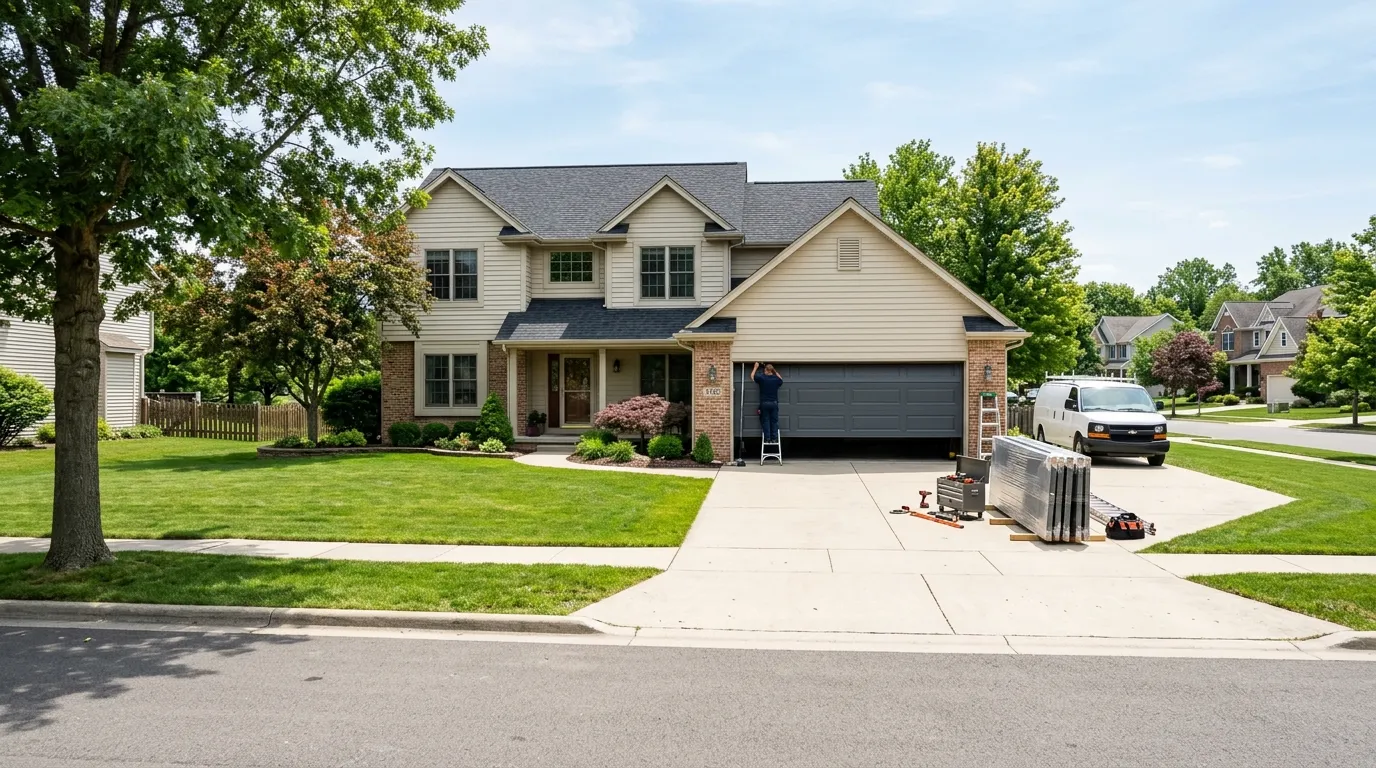
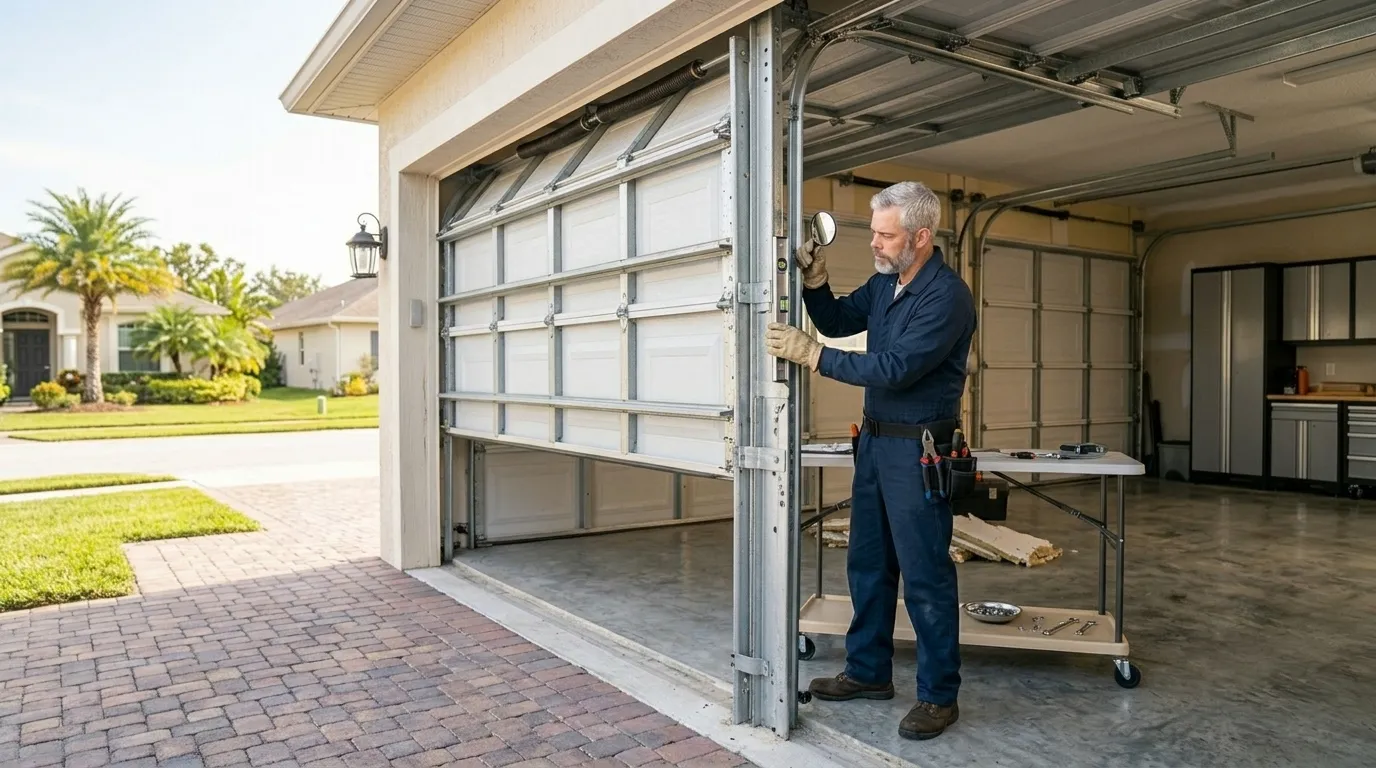
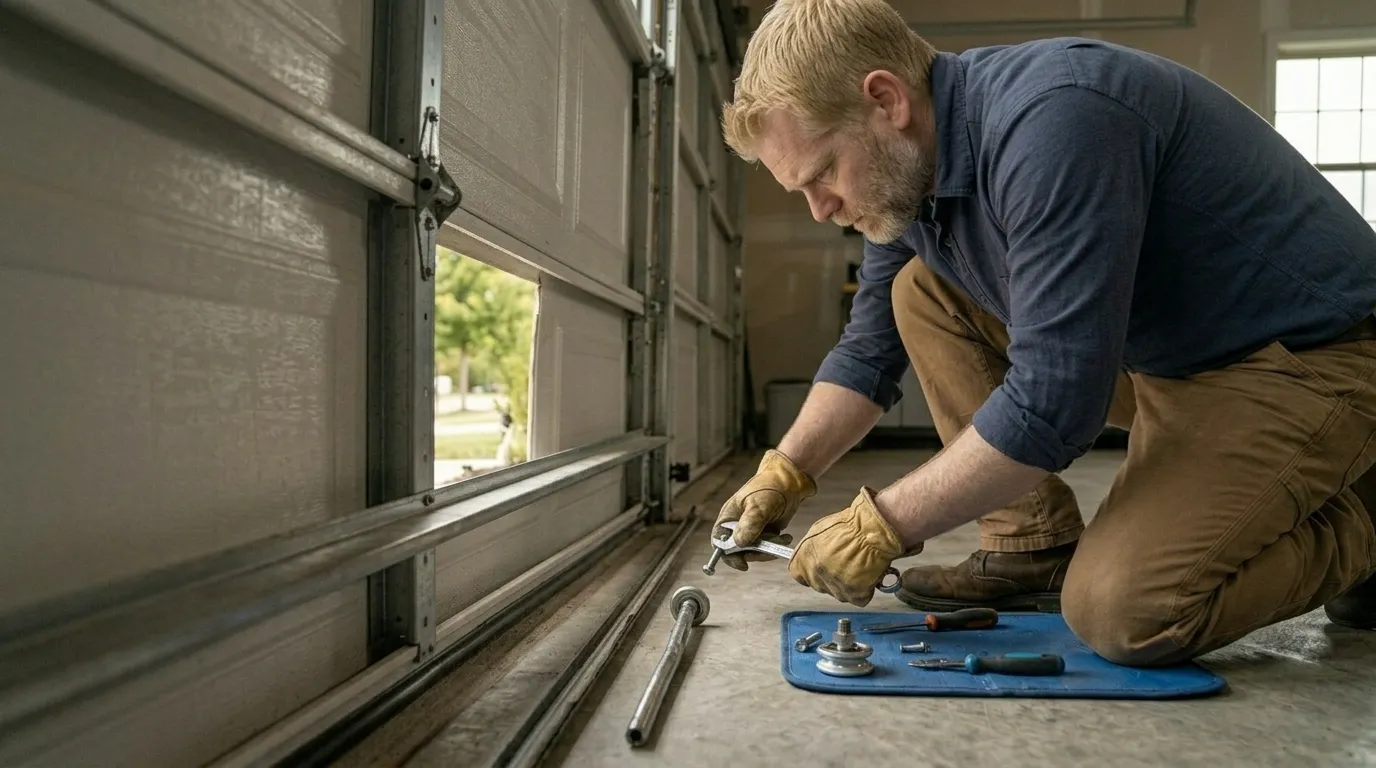
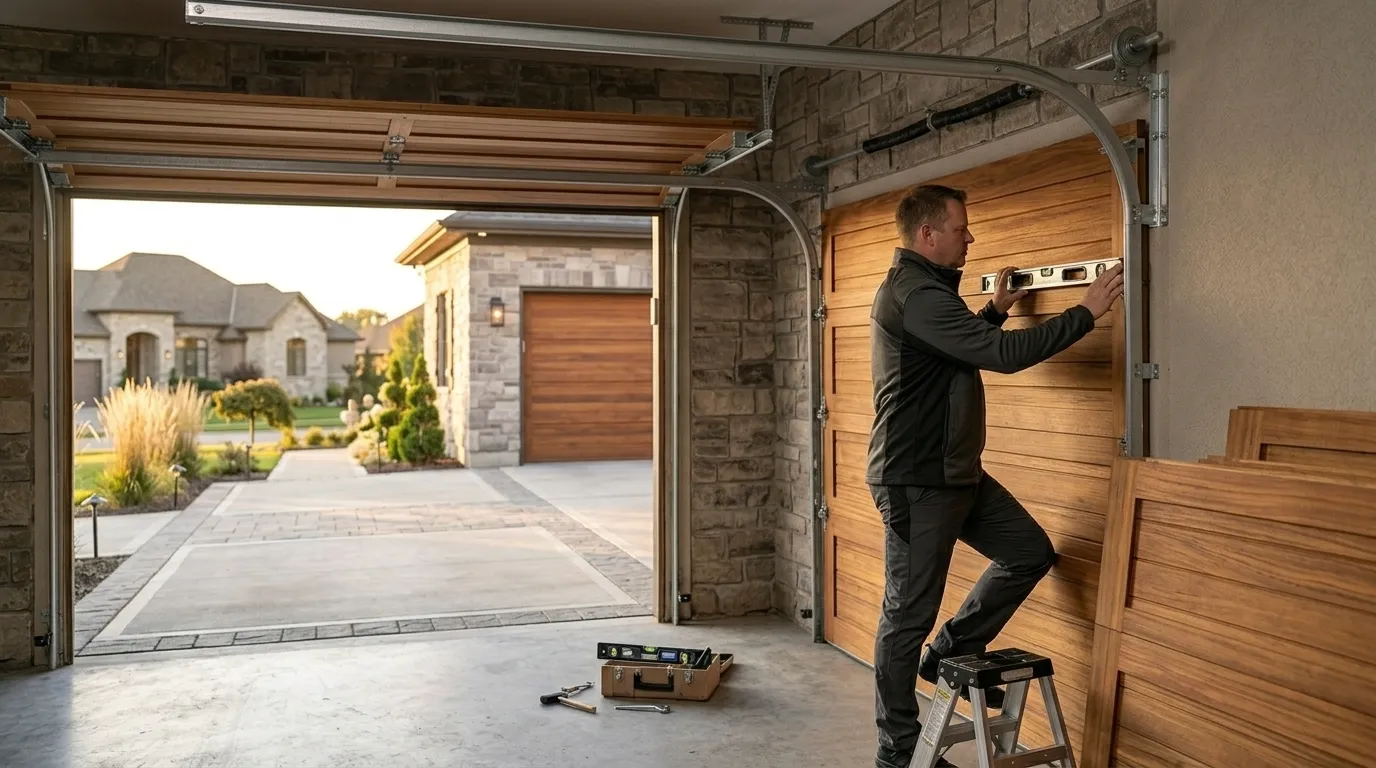
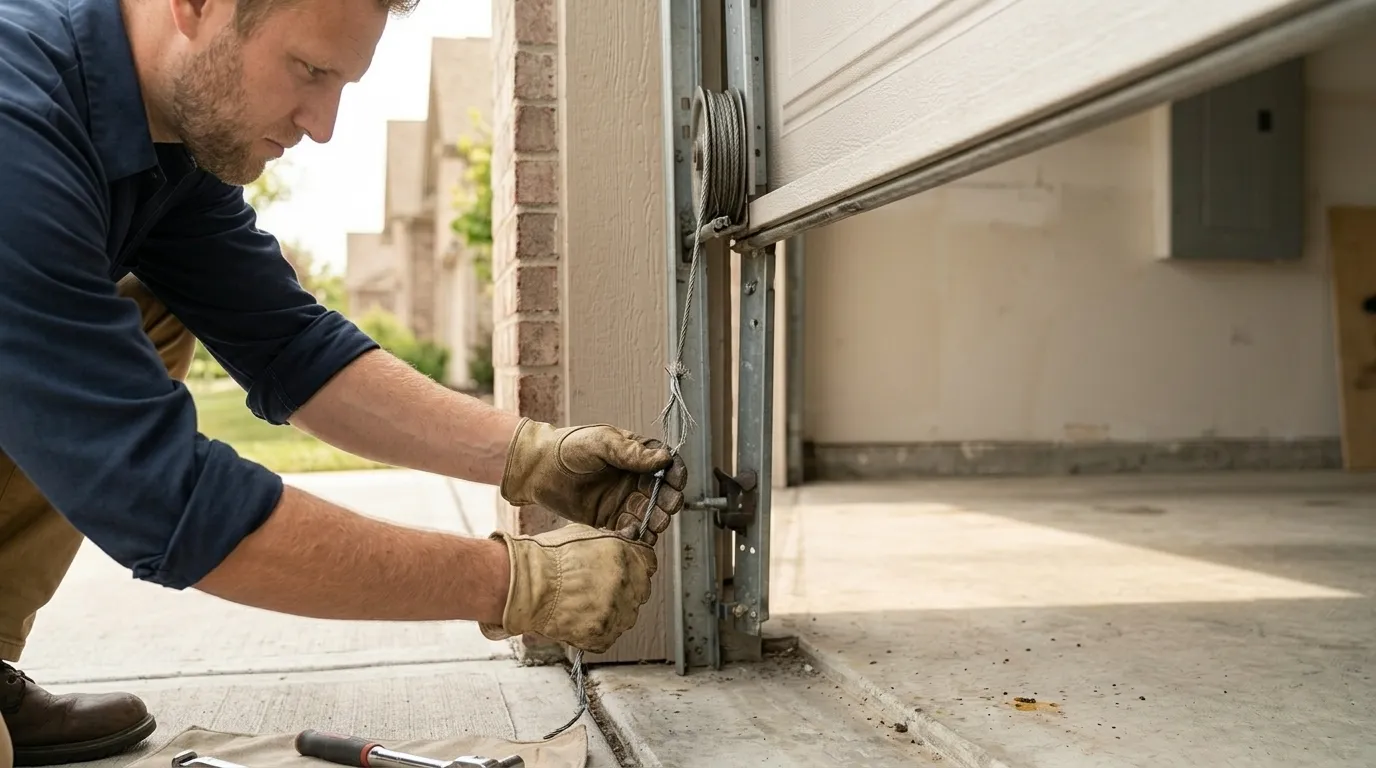
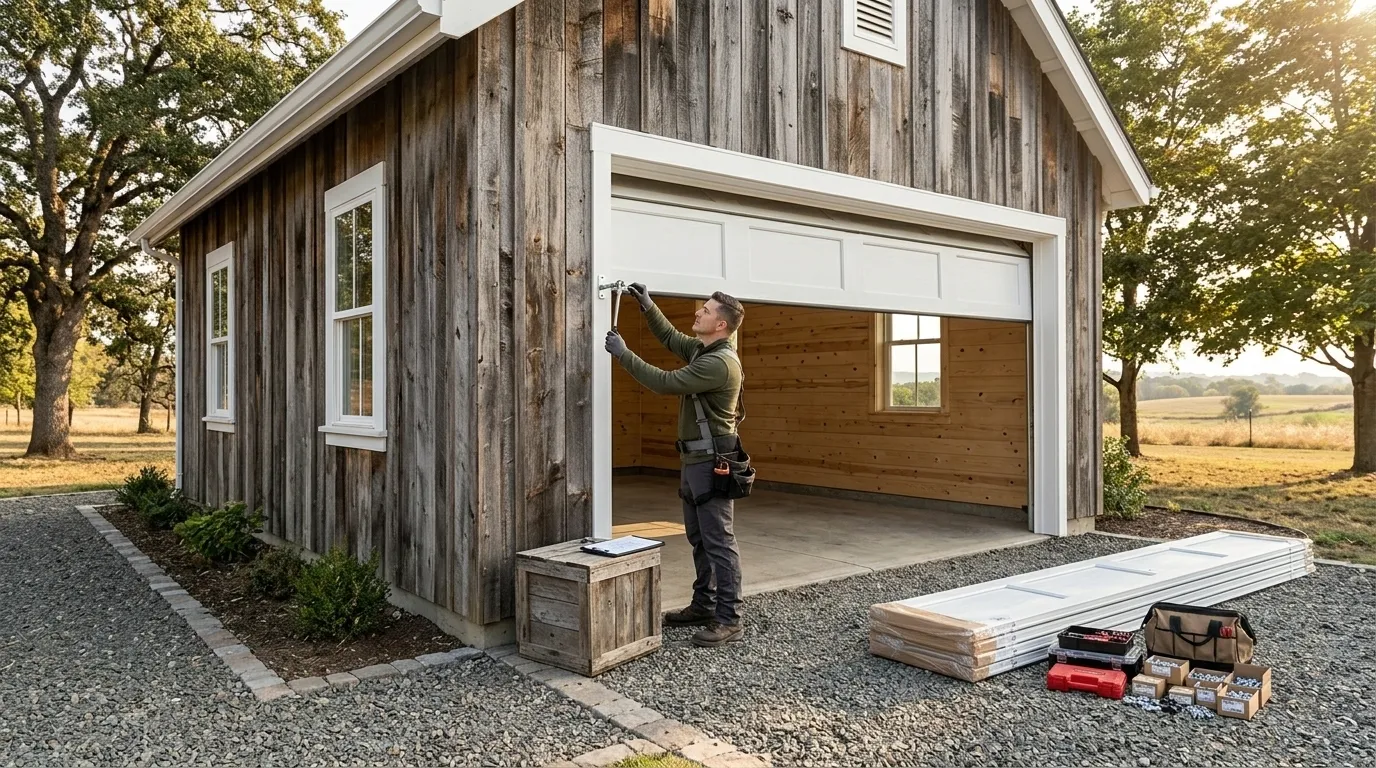
A straight swap - old opener off the rail, new one on, remote and keypad programmed - is a same-day job on a standard sectional door with a working track and properly balanced springs. It slows down when the mounting bracket for the old unit doesn't match the new one, when the header above the door has no solid backing to lag into, or when the house has no dedicated circuit and we're running new wiring instead of reusing an old cord. We check spring tension and cable condition before we hang anything, because a new opener bolted to a door that isn't balanced will just grind the same gears down again inside a year. If the door itself needs work - a bent track, a cracked panel, cables past their service life - that gets scoped and quoted separately before the opener goes in, not discovered after the fact.
The Cost of This Job
What an opener installation runs depends on drive type - chain, belt, or screw - horsepower needed for the door's weight, and whether we're reusing existing wiring or running new. We don't post a flat number here because a straight swap on a light single door and a full install with new wiring, a heavier double door, and a smart-control upgrade aren't the same job. At a median household income of $70,478 across the service area, we see most owners land on a mid-tier belt-drive unit rather than the cheapest chain option or the top-end smart model - it's the quiet-enough, durable-enough middle. One honest limitation: if your door itself is out of balance or the springs are near the end of their cycle life, we'll say so before we install anything, because a new opener on a bad door is money spent twice.