How It Shows Up
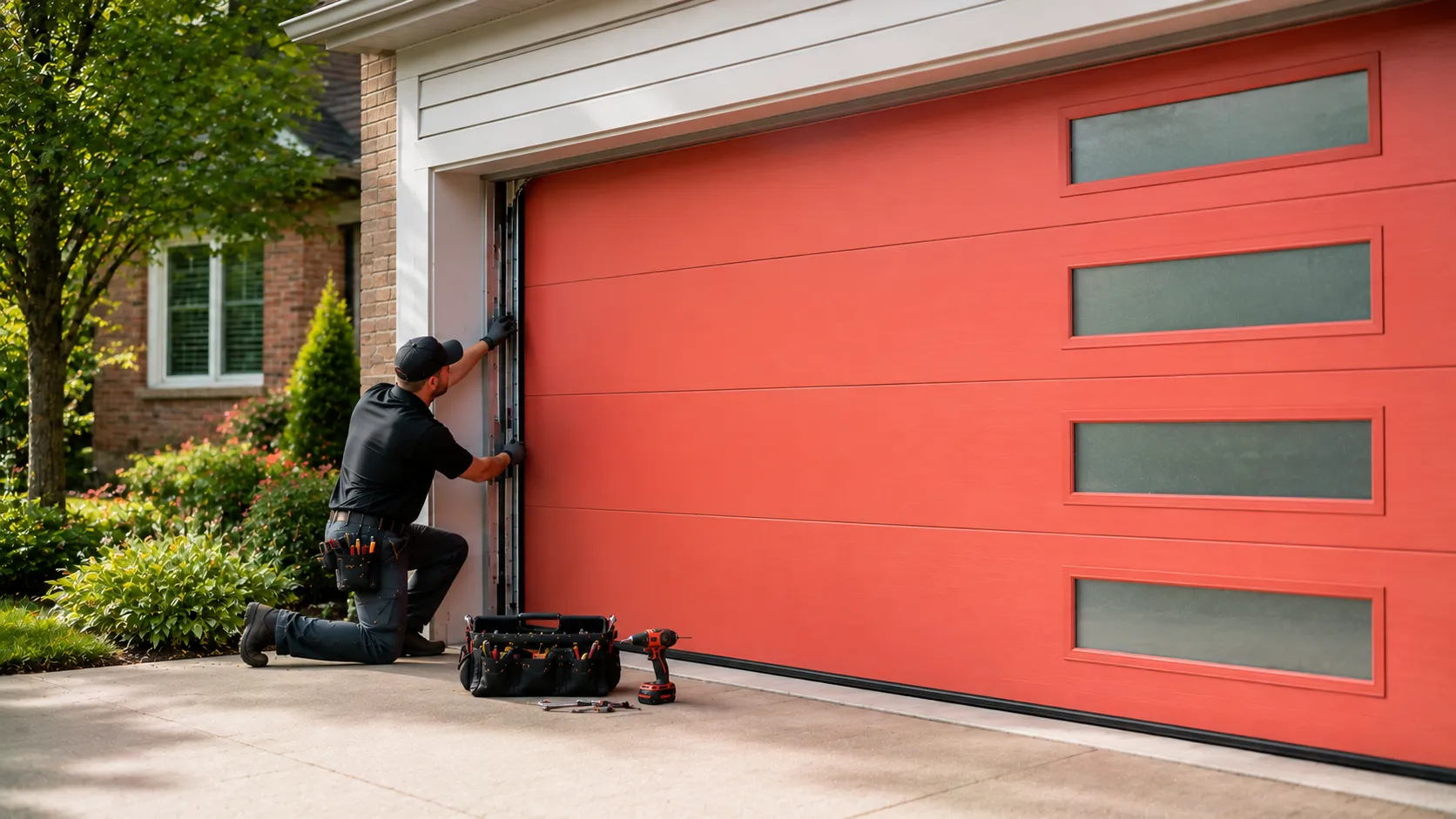
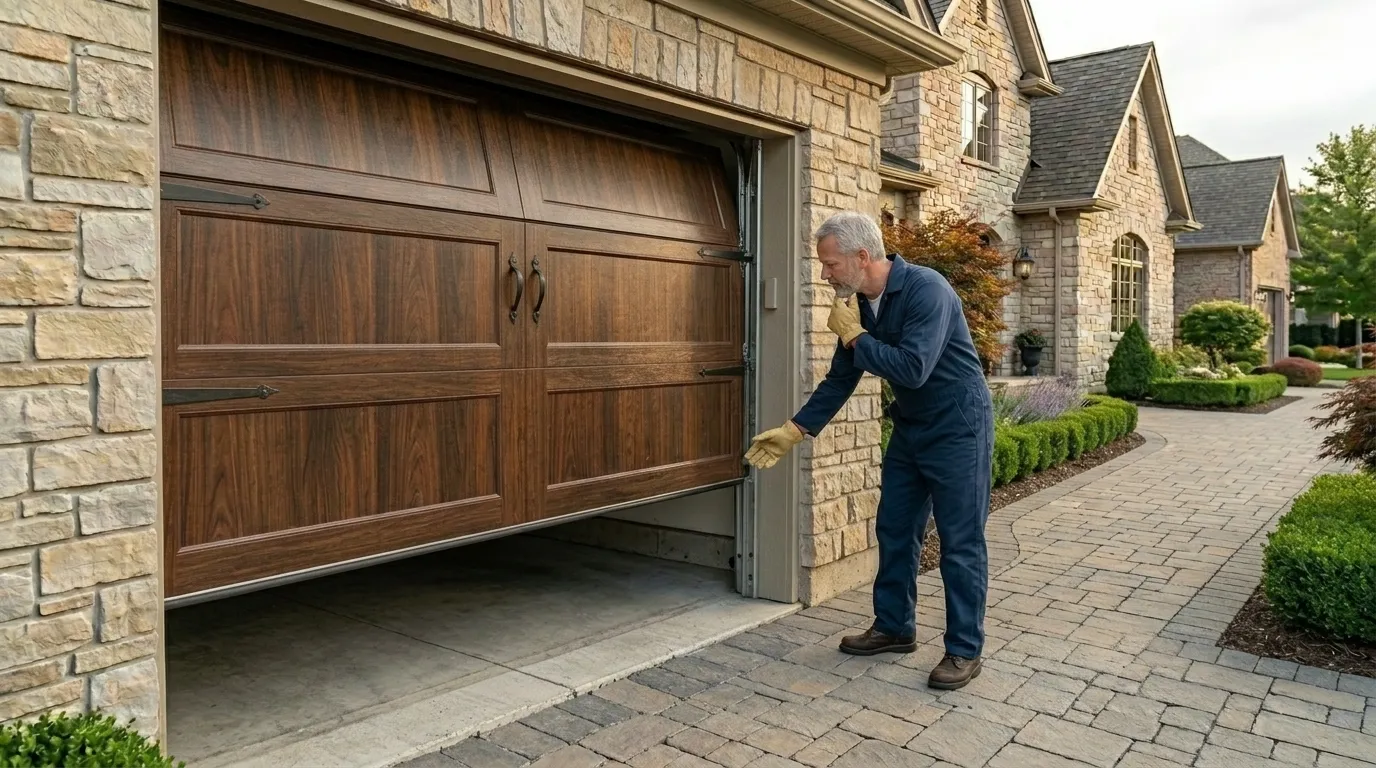
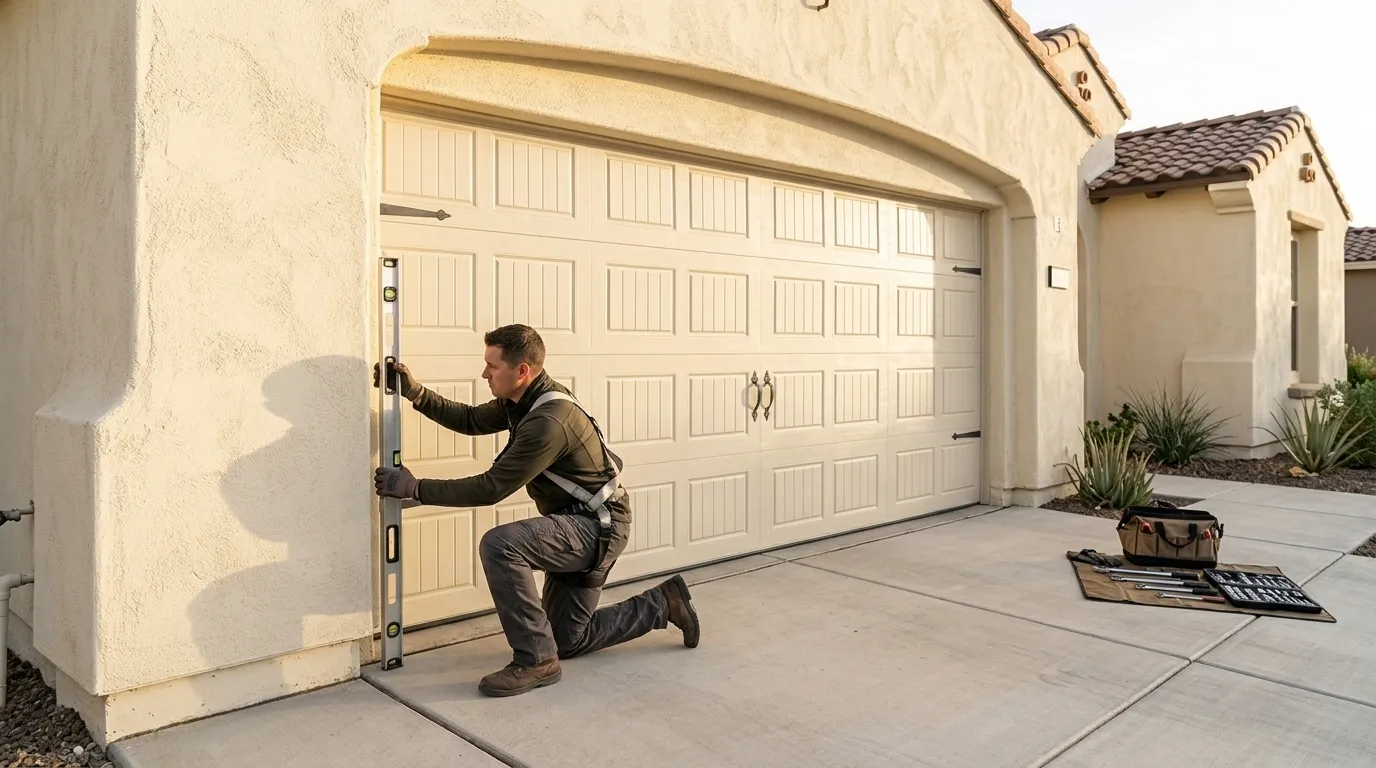
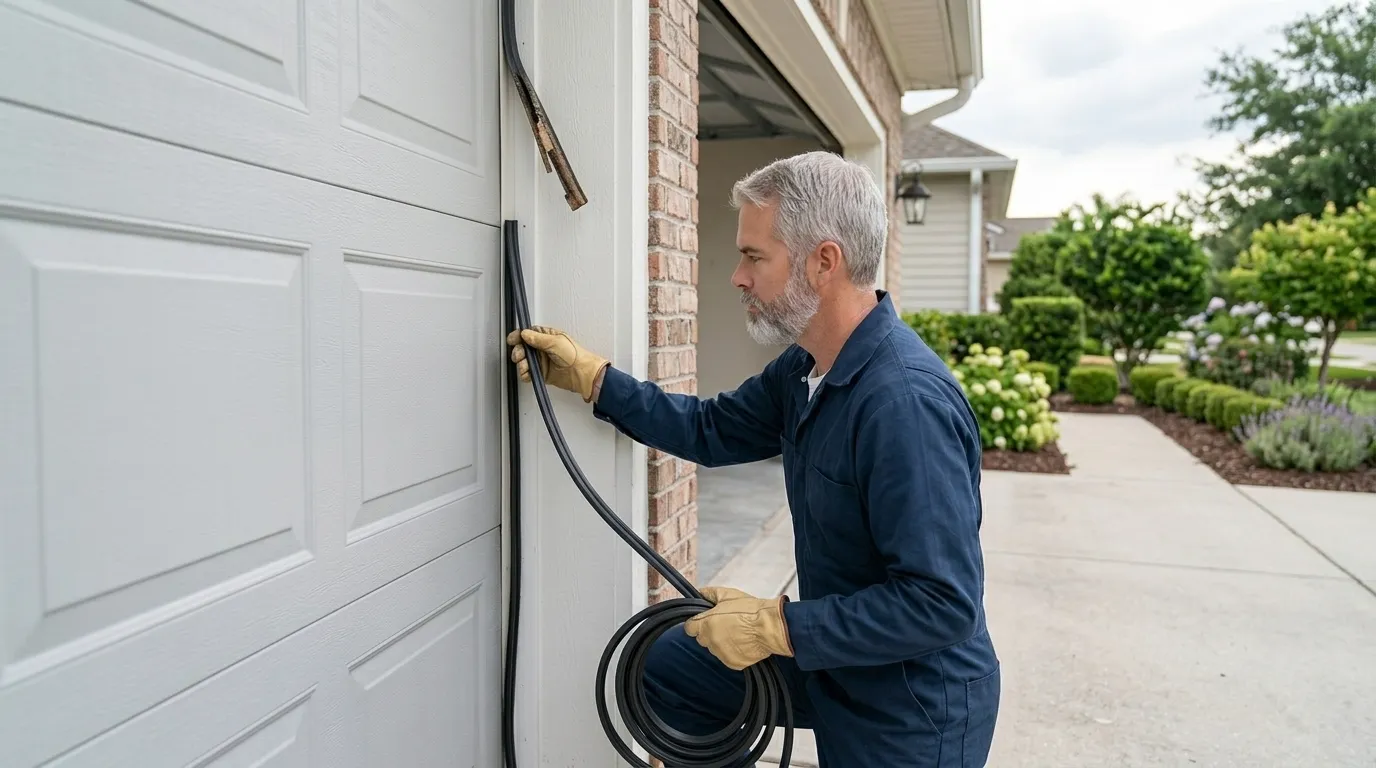
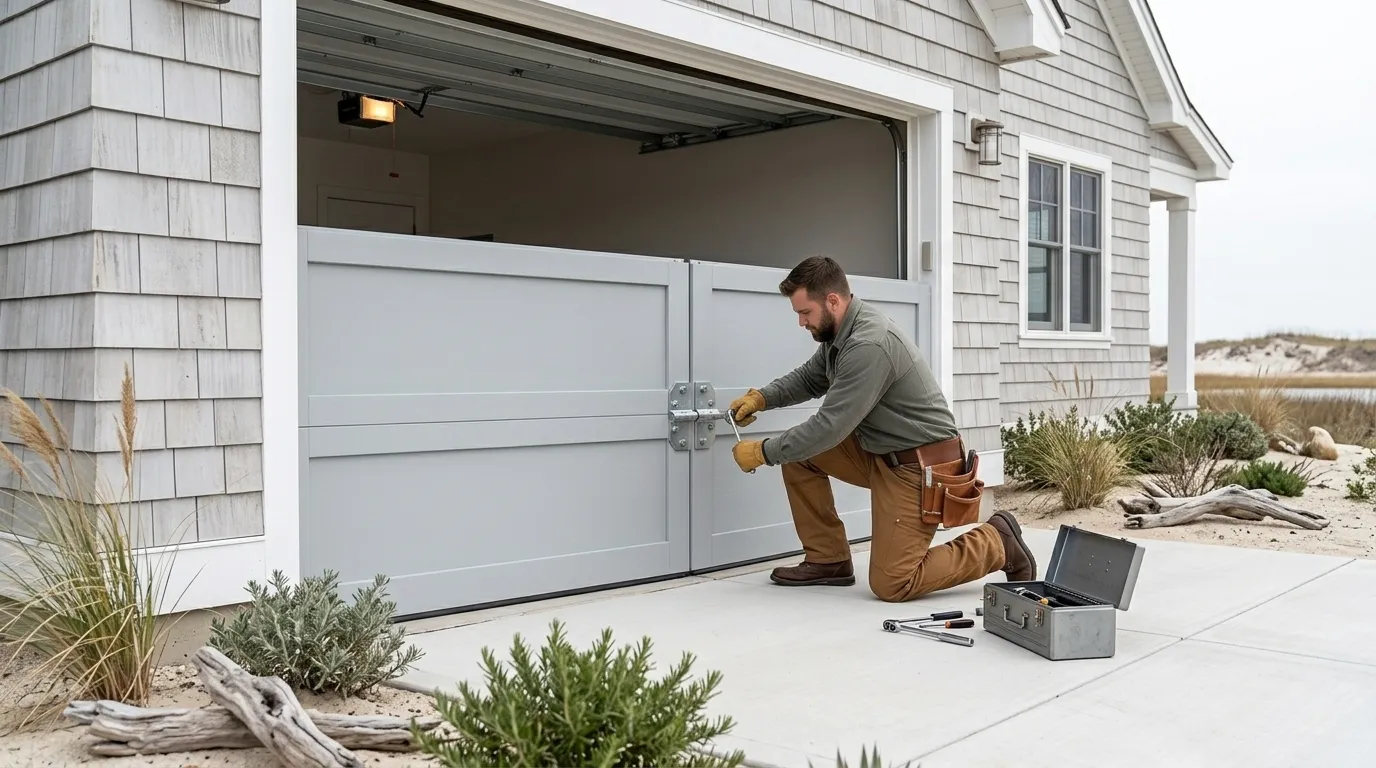
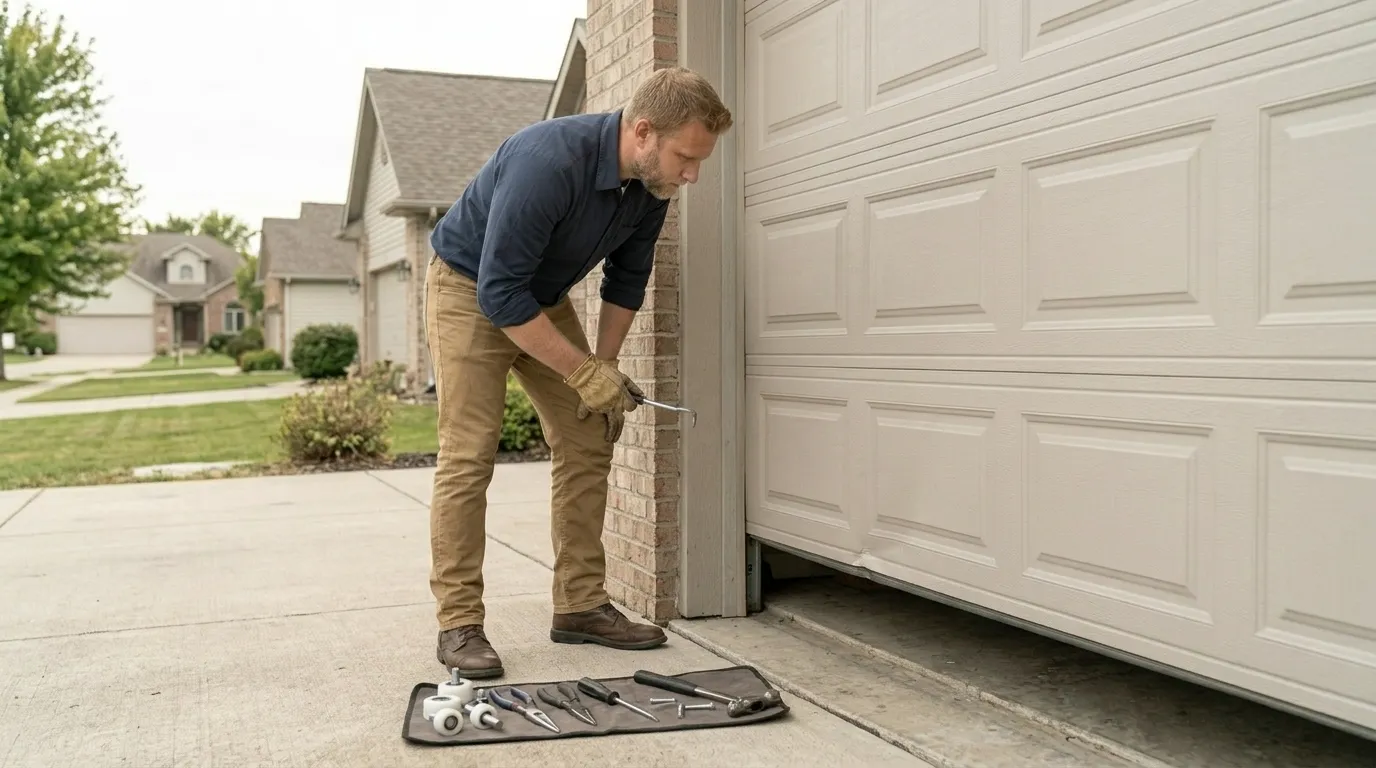
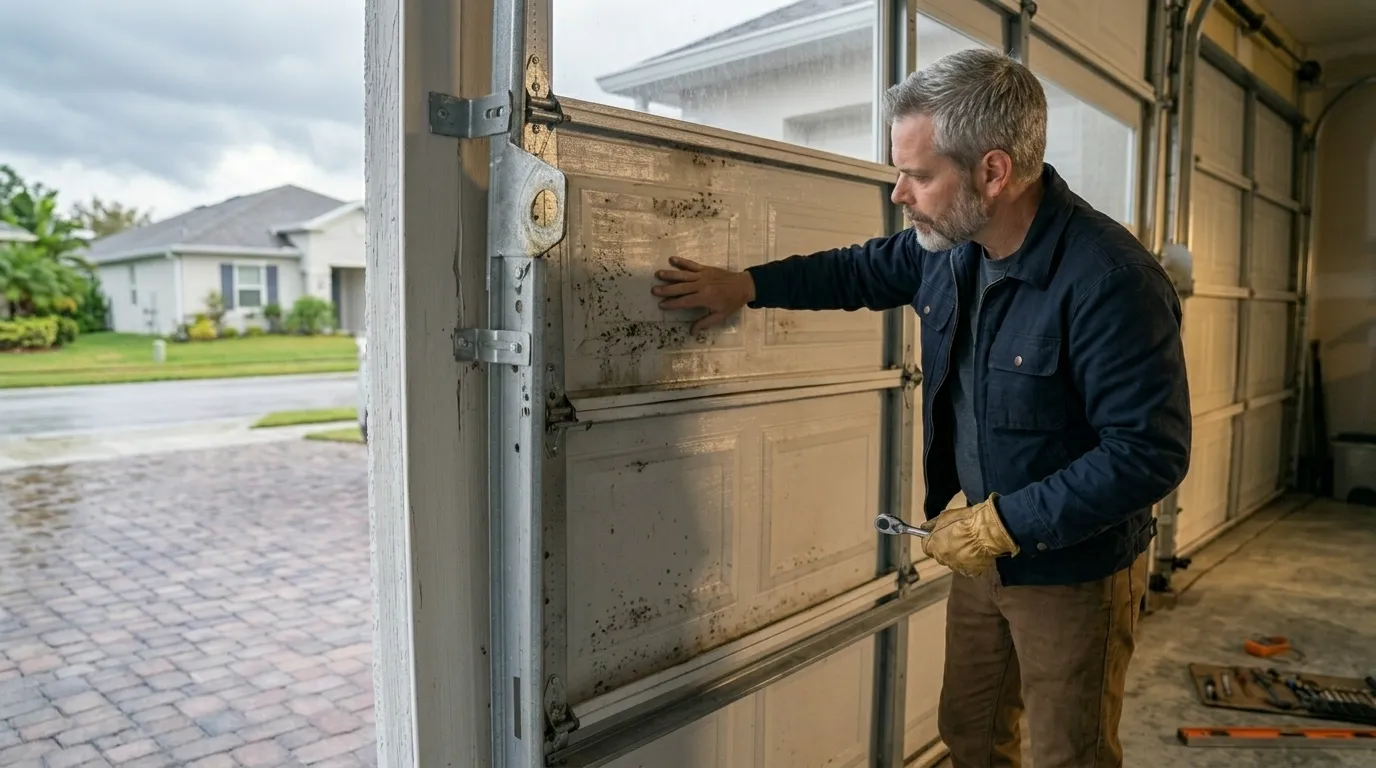
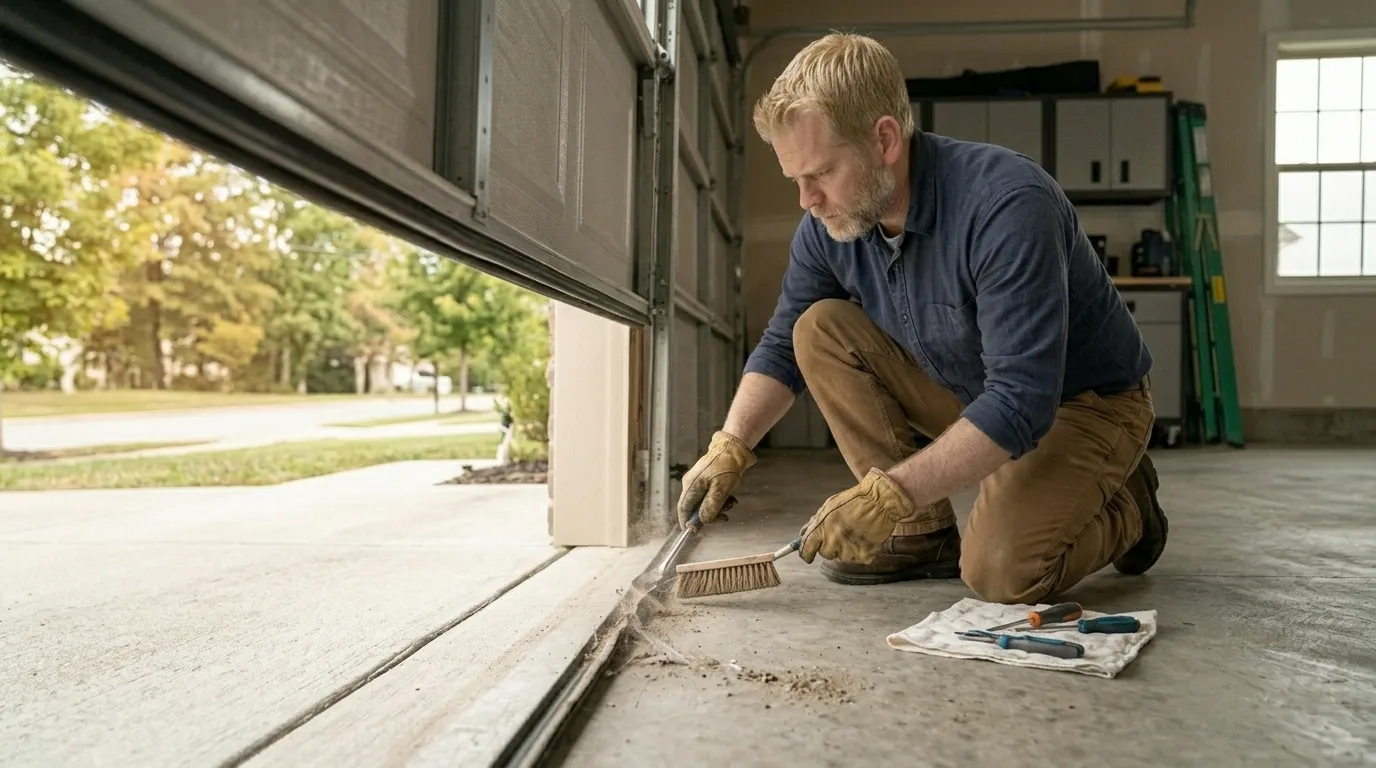
The most common call we get isn't a door that won't open - it's one panel that's caved in, split at the seam, or gone soft where the steel has rusted through from the inside out. You'll see it on the bottom panel first, usually after a bump from a car bumper or a trash can that got backed into. On older steel doors the dent doesn't stay put either; the panel warps just enough that the rollers start binding in the track, and the door starts groaning on the way up.
Sometimes it's not damage at all, just age. A panel that's flexed through enough temperature swings can crack along the embossed lines, especially near the hinge points where the metal gets the most stress every single cycle. On insulated doors from this era, the foam core can separate from the steel skin, and the panel goes soft - you can push on it with one hand and feel it give.
If only one or two panels are affected and the door still runs true on the track, panel replacement is usually the right call instead of swapping the whole door. If three or more panels are gone, or the door is racking side to side, that's a different conversation.
Time on the Job
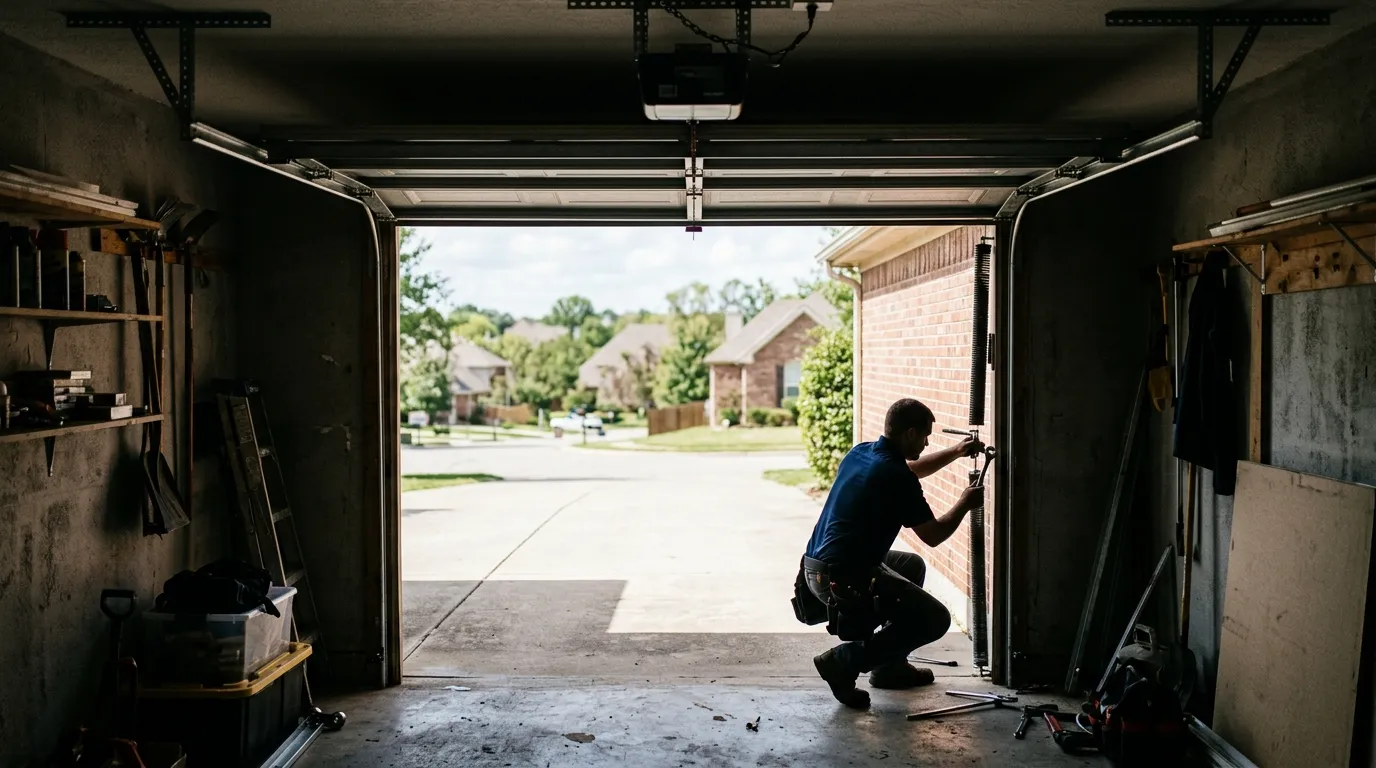
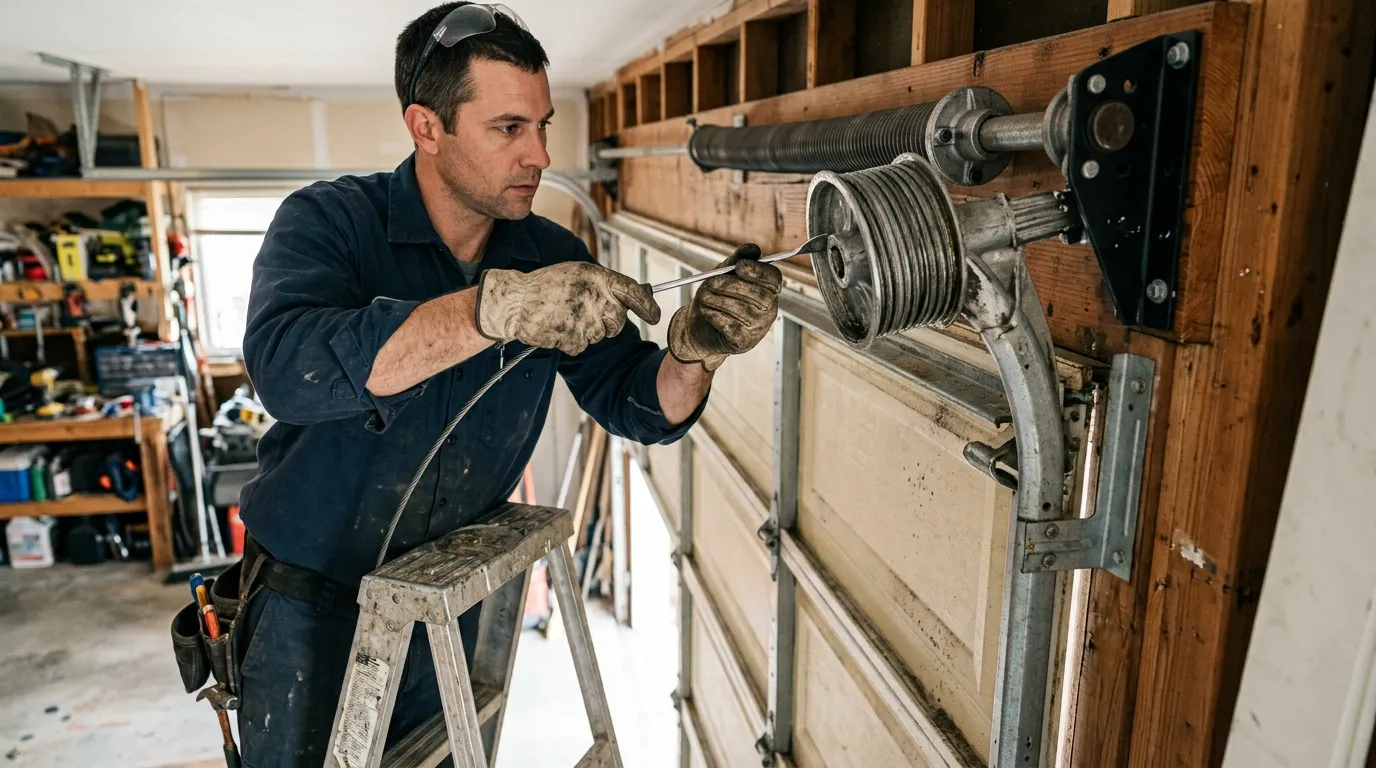
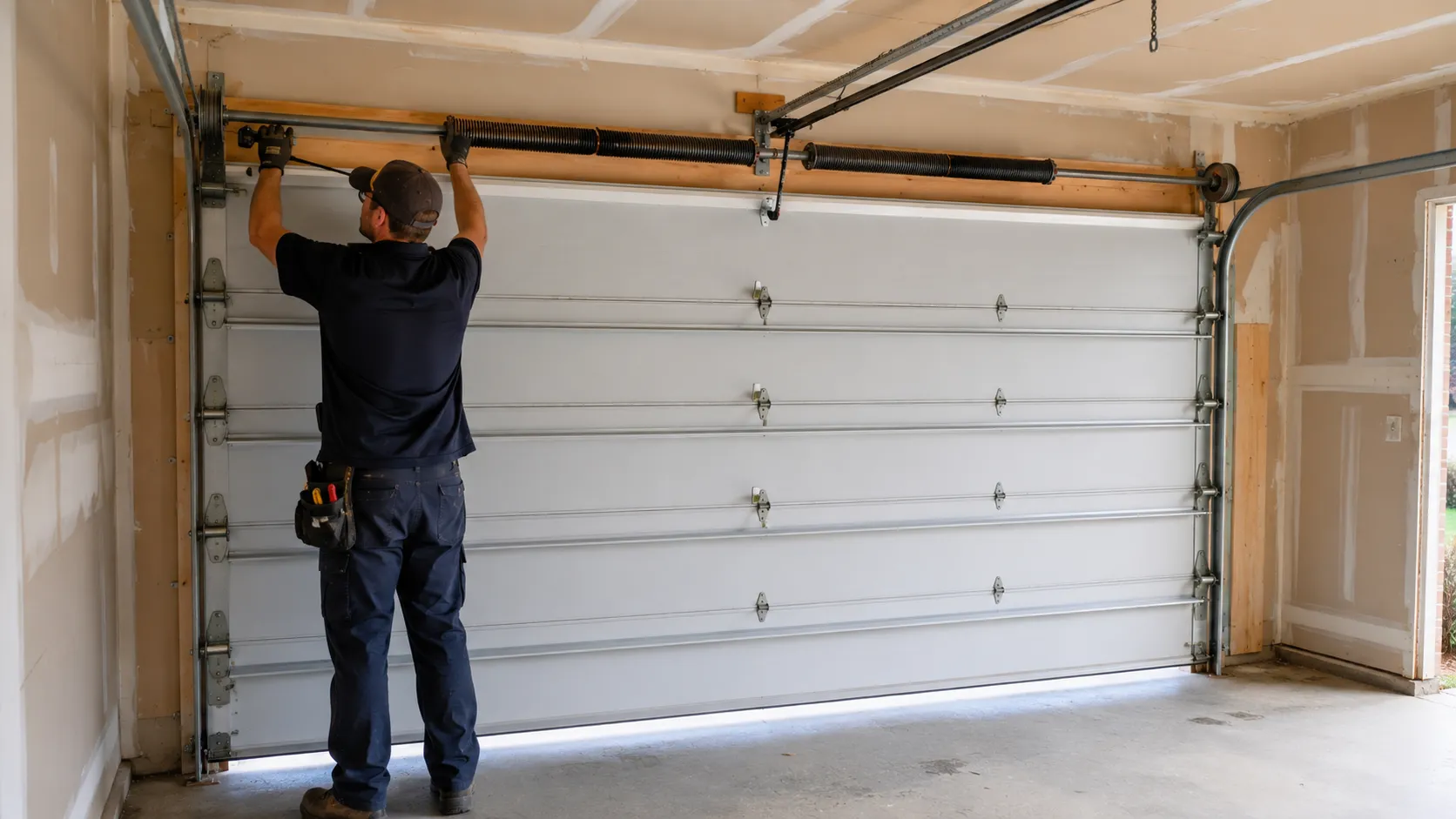
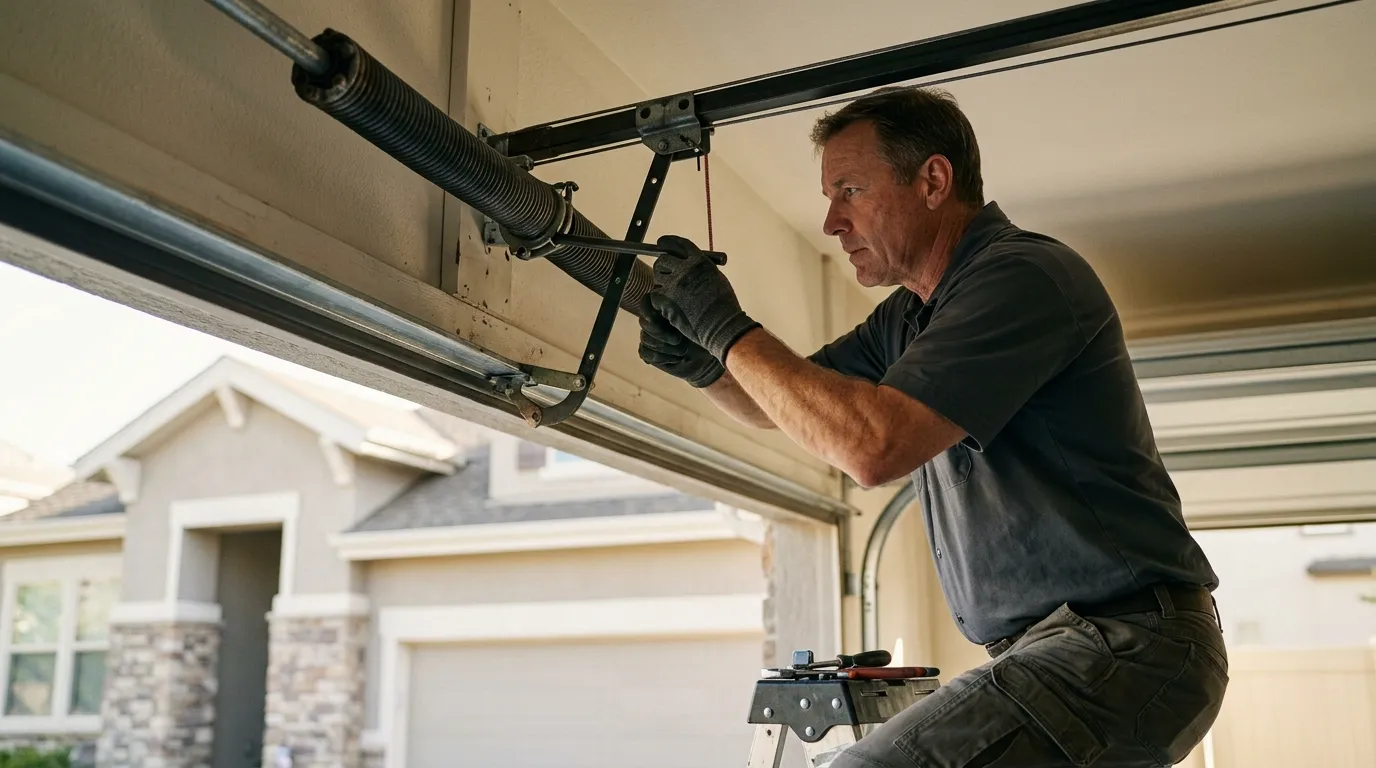
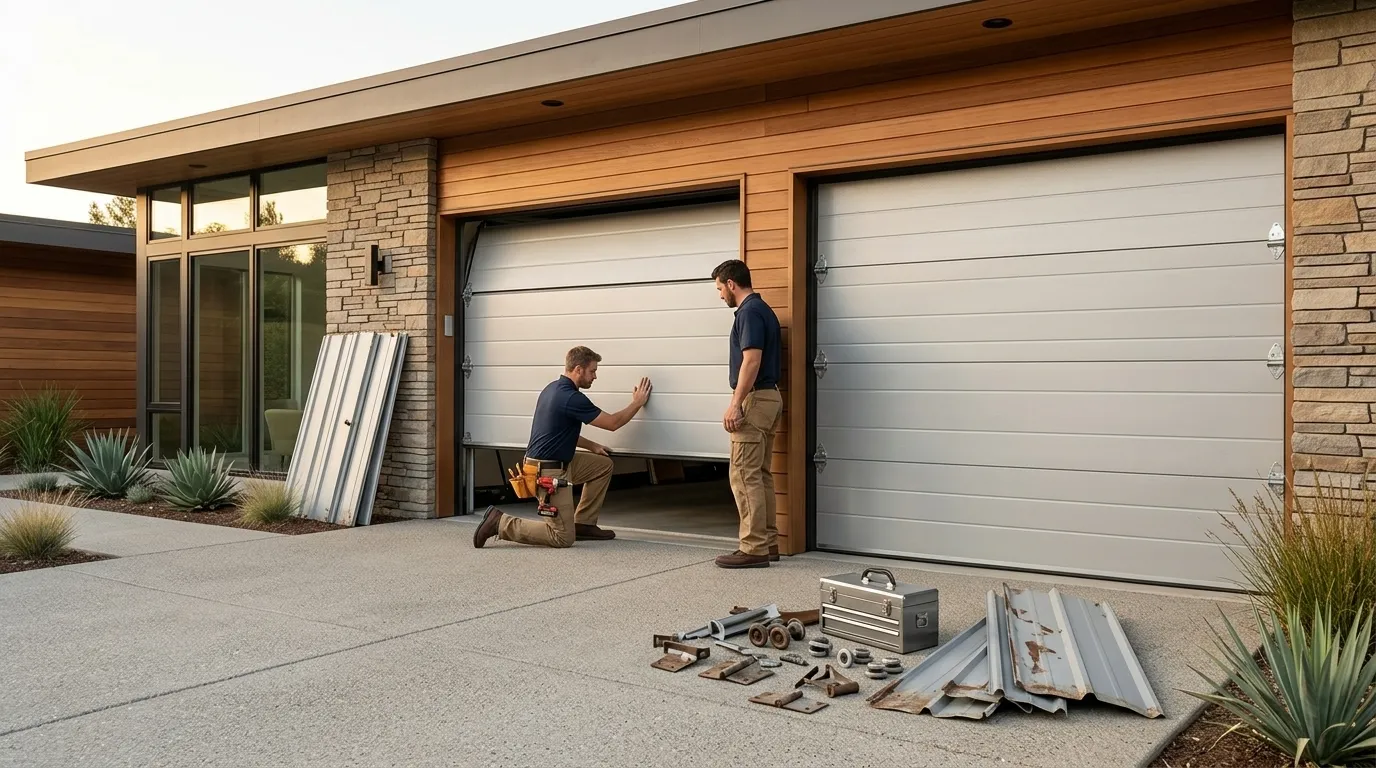
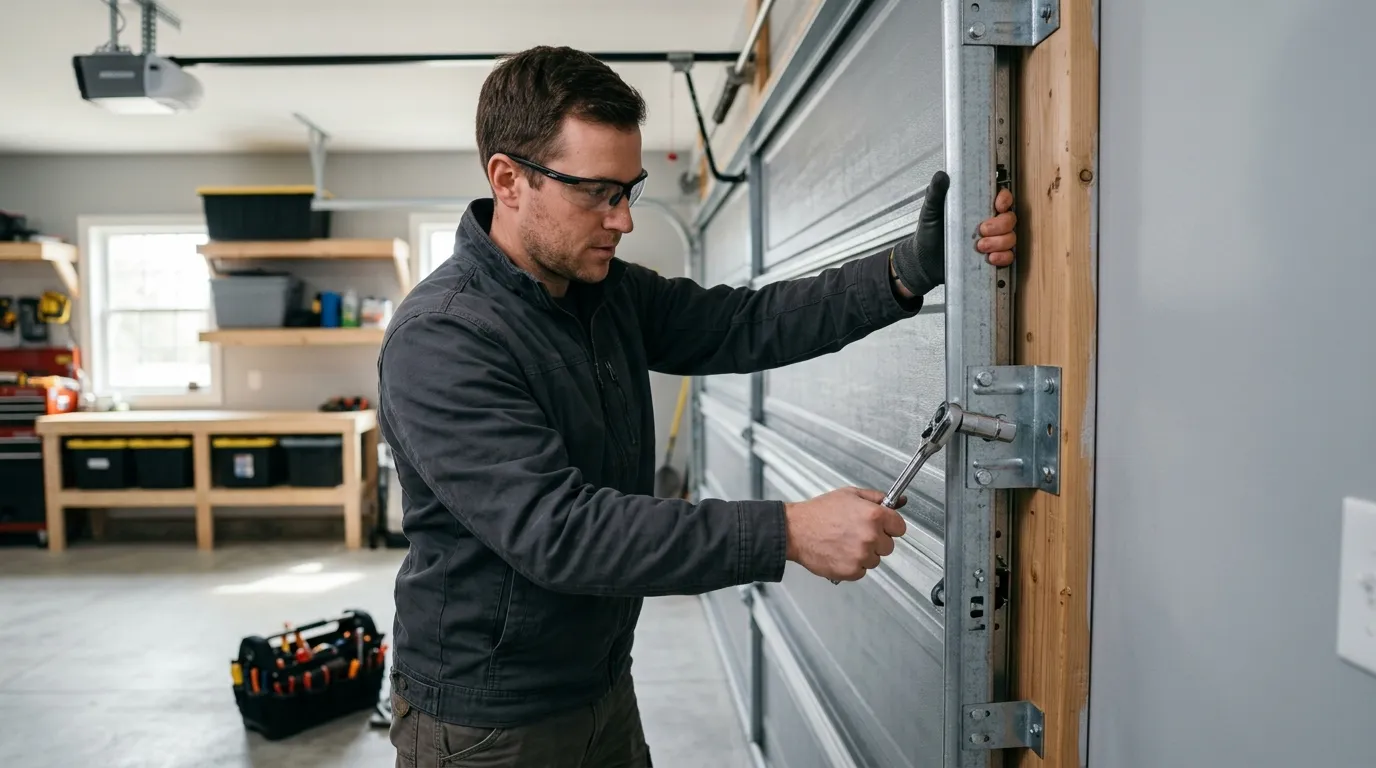
A single-panel swap on a door where the section is still made is usually a same-visit job once the part is in hand - pull the old panel, transfer the hardware, set the new one, and re-tension the springs if the weight changed at all. Two or three panels take longer because we're also re-checking the track alignment and roller wear that comes with them.
The part that actually takes time is sourcing the right panel. Doors built in the 1980s and 90s came in dozens of colors, textures, and panel heights, and a lot of those exact profiles aren't made anymore. We'll try to match the existing door first - same width, same panel design - before we ever suggest replacing the whole door. That search can add a few days to the job if the manufacturer discontinued the line.
Honest limitation: if we can't get a matching panel and the mismatch would look wrong - different color, different rib pattern - we'll tell you that straight up instead of installing something that won't sit right. Sometimes the better move at that point is a full door, and we'll say so rather than force a patch that won't hold up.
The Cost of This Job
What drives the cost on a panel job isn't really the labor - it's the part. A standard, currently-manufactured panel in a common color is the cheapest version of this repair. A discontinued color, a nonstandard panel height, or an insulated section with a foam core all push the job toward custom-order territory, and custom order takes longer and costs more than stock.
With roughly 30,112 households in the service area, and about 17,400 of them owning rather than renting, a lot of those garages carry the original door that came with the house - which usually means an older, harder-to-match panel style. Median household income here runs about $70,478, which puts full-door replacement within reach for most owners, but it's not something people do on a whim just because one panel is dented.
We'll always quote the panel repair first if it's viable. If the color won't match, if the section is structurally compromised beyond the one panel, or if parts lead time on a discontinued line makes the repair take longer than a full-door install would, we'll tell you which option actually makes sense for your door rather than defaulting to the bigger job.