Time on the Job
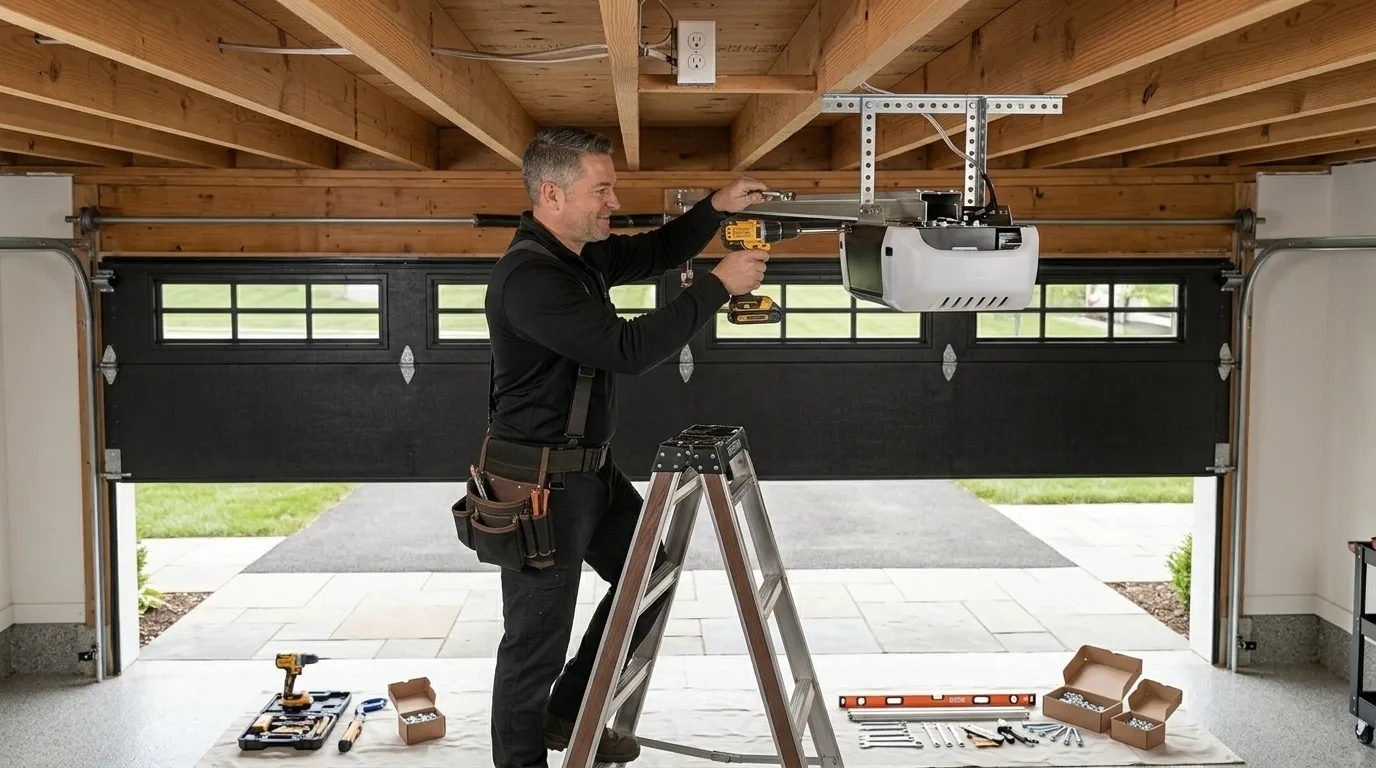
The fault we see most in Galena Park isn't a burnt-out motor. It's a house built in 1956 with an opener bracket bolted straight into old framing, no reinforcement, and wiring that predates any code requiring a dedicated circuit or a photo-eye safety sensor. That combination is why a straightforward opener swap here often turns into a longer job than the same install in a house built in the 1990s.
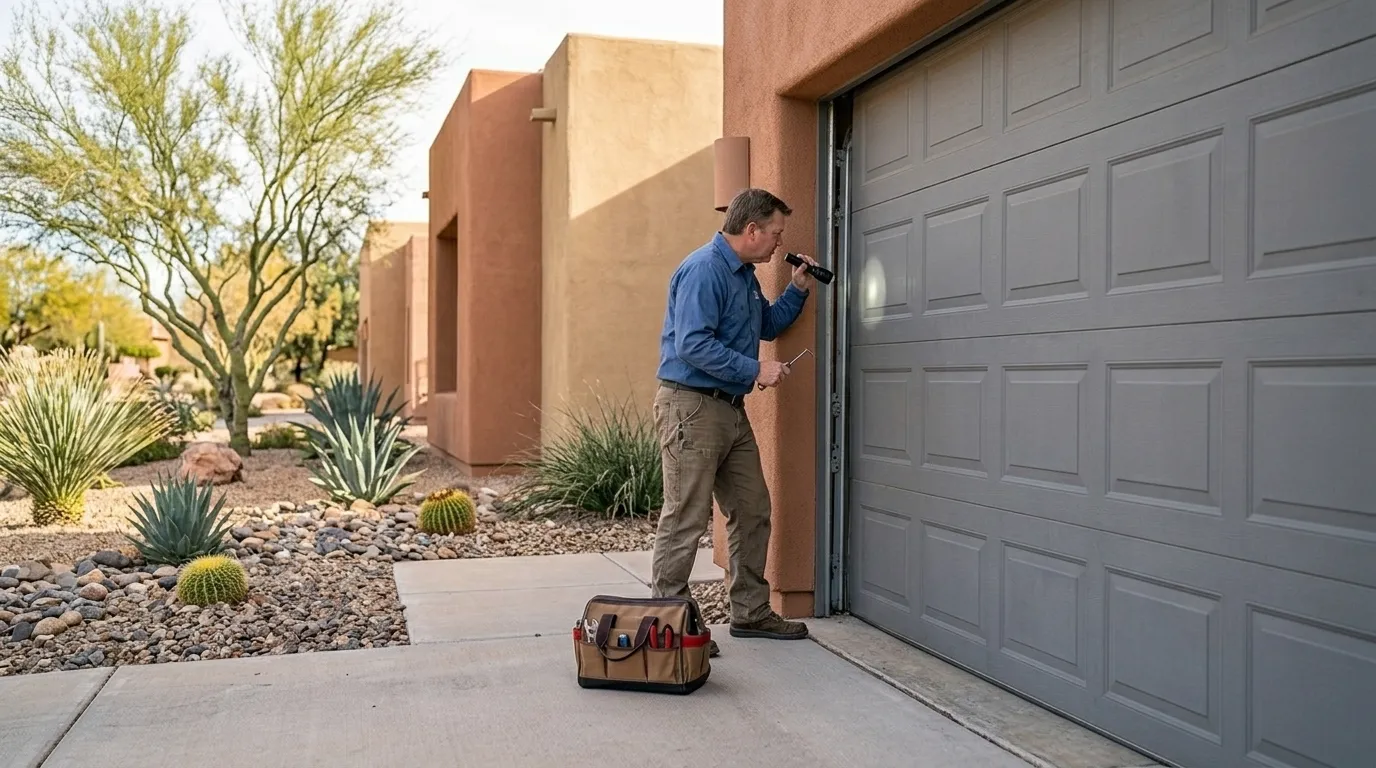
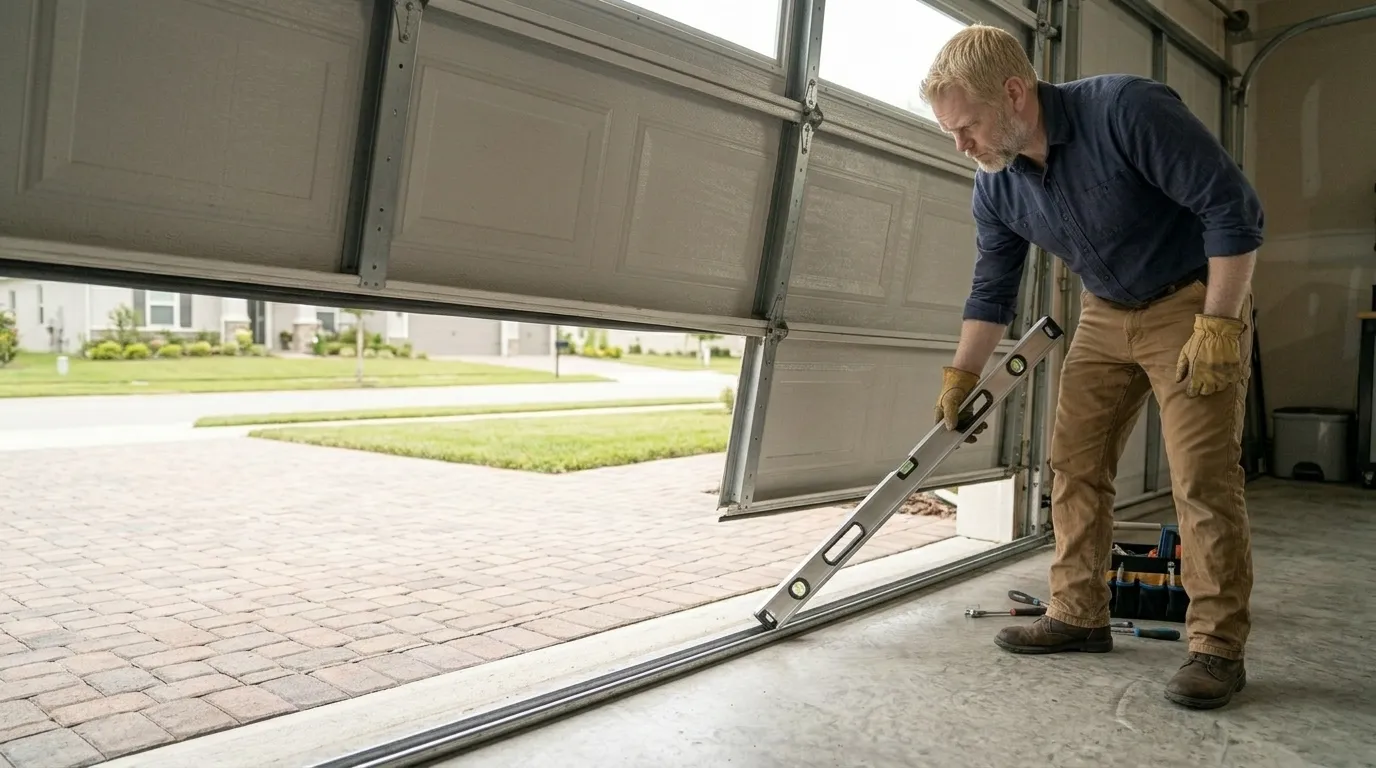
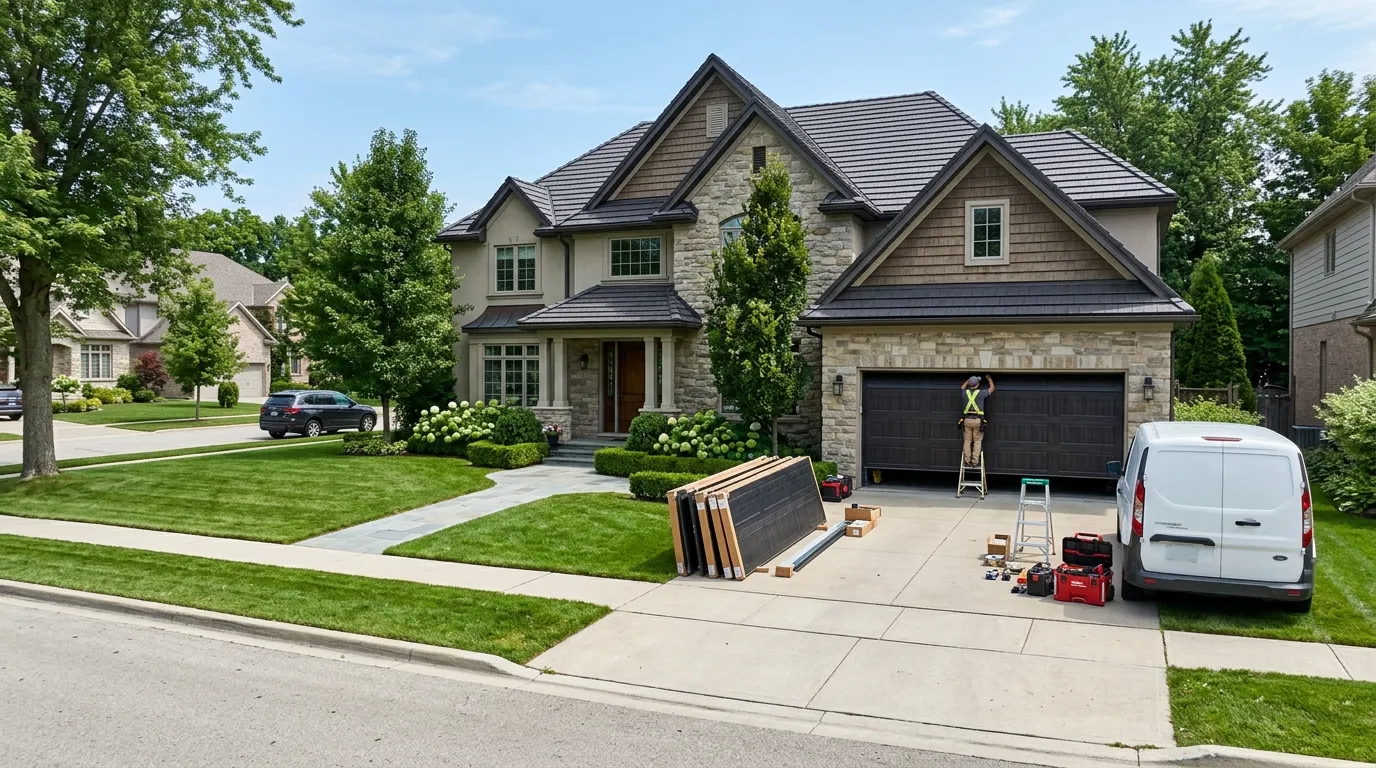
Galena Park's housing stock is some of the oldest in this whole service area - median build year 1956, well ahead of the newer subdivisions we cover. That means the header above the door frequently needs a new support plate before we mount anything, and the existing track is often the original steel, bent enough in places that it needs replacing rather than reusing. Budget more time for that header work and track swap than you would for a straight bolt-on. We come from our Humble location, about 17 miles out, so we schedule the visit knowing ahead of time whether a house on your street is likely to need the extra bracing - the age of the neighborhood tells us most of what we need before we open the door.
Doing It Yourself
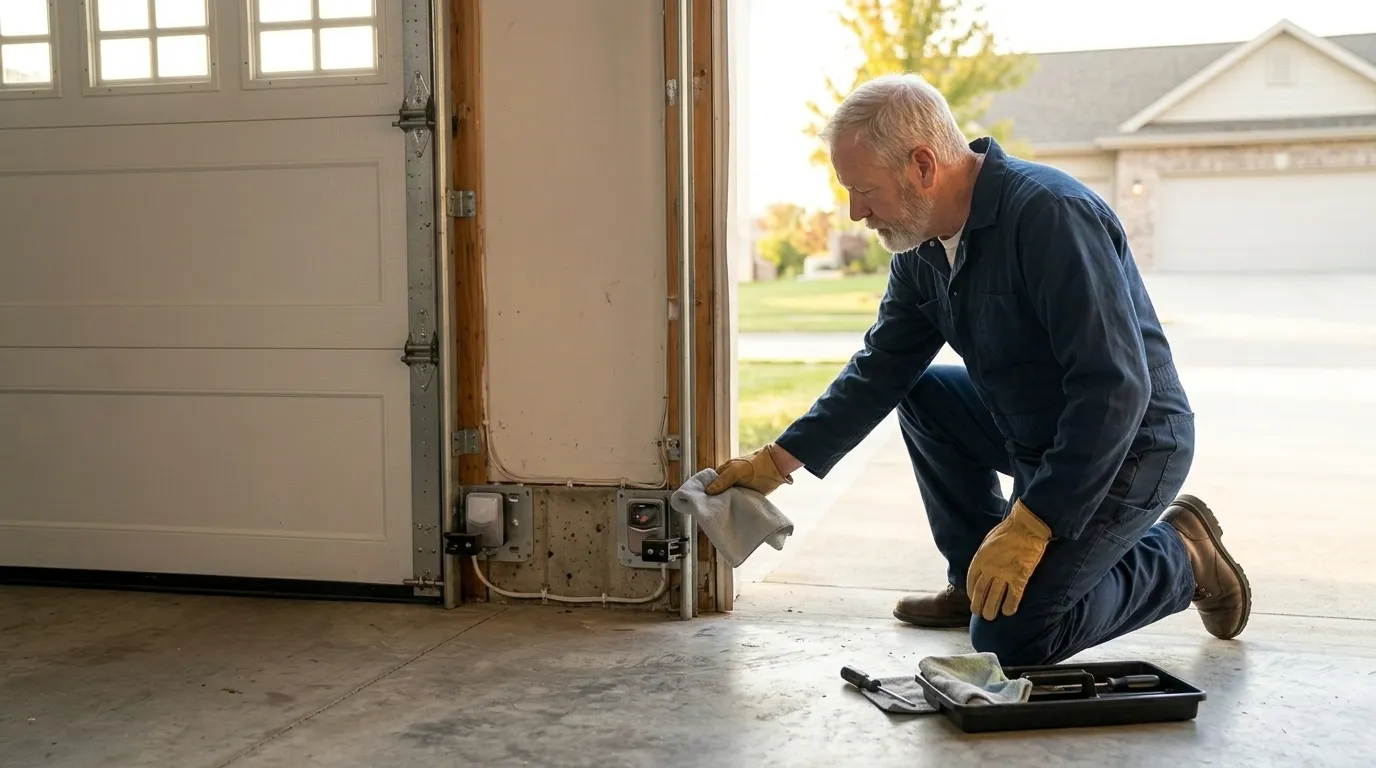
An opener box comes with a manual that makes it look like a weekend job, and on a newer house with existing dedicated wiring and a straight track, it can be. On a Galena Park house from the 1950s or 60s, it usually isn't, and here's the specific reason: the safety reversal sensors that every opener sold today requires by law need a clear, unbroken beam path and a grounded circuit. Original wiring from that era is neither grounded consistently nor routed for a second device.
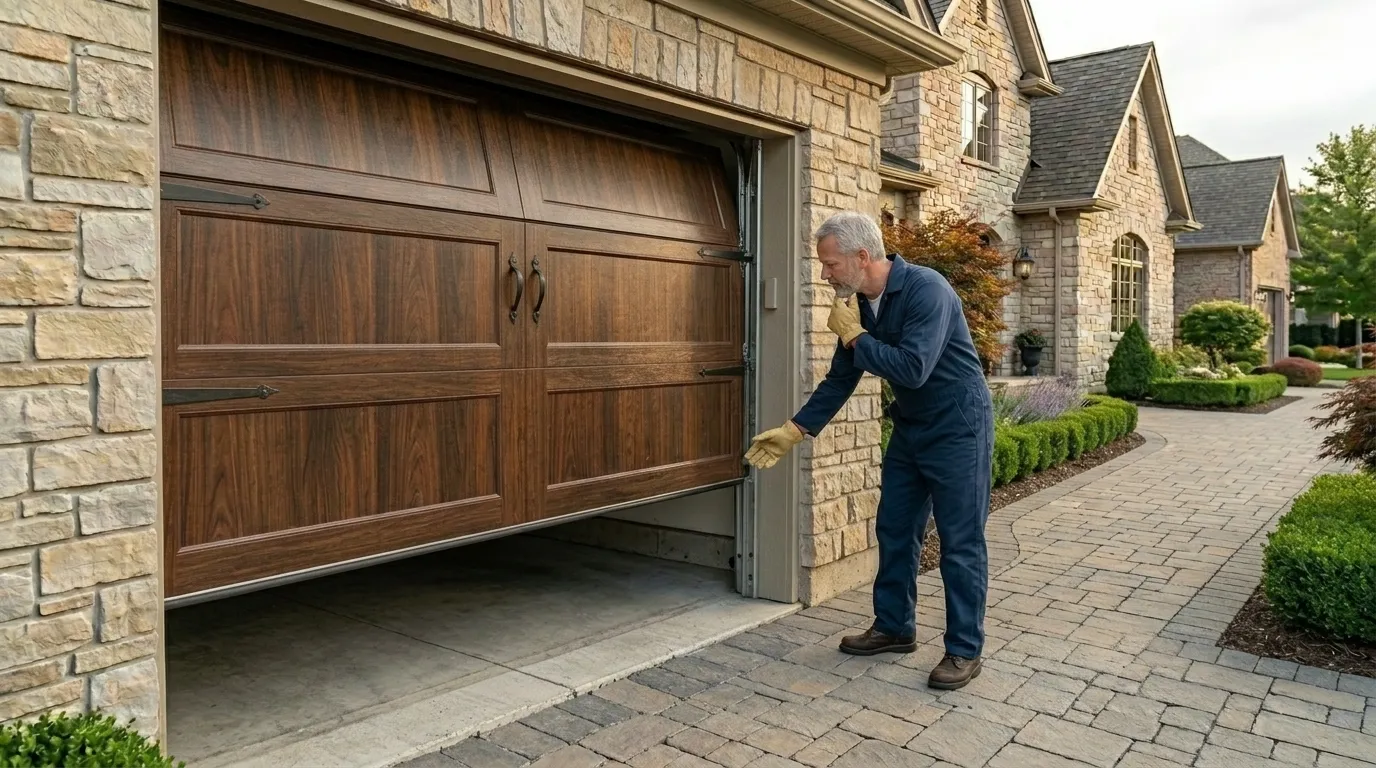
There's also the header problem. If the wood above your door has dried and shrunk over sixty-plus years, the four lag screws holding a new opener bracket can pull loose under the pull of a chain or belt drive within months, not years. That's not a defect in the opener - it's a mismatch between new hardware and old lumber that needs a plate, not just longer screws.
If you're comfortable running a dedicated circuit and diagnosing an out-of-square header, the mechanical part of hanging the unit isn't hard. If either of those is a guess, that's where a bad install turns into a liability, not a convenience.
What the Repair Takes
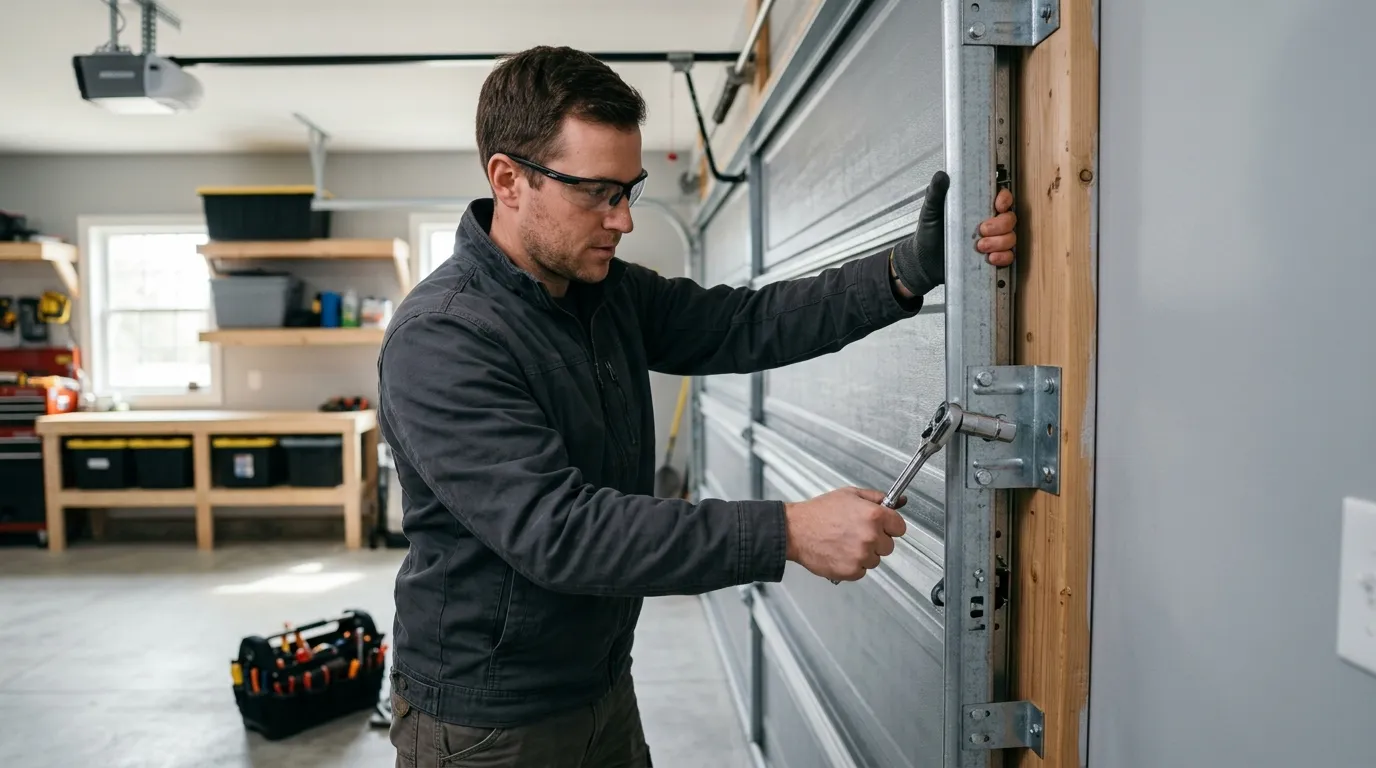
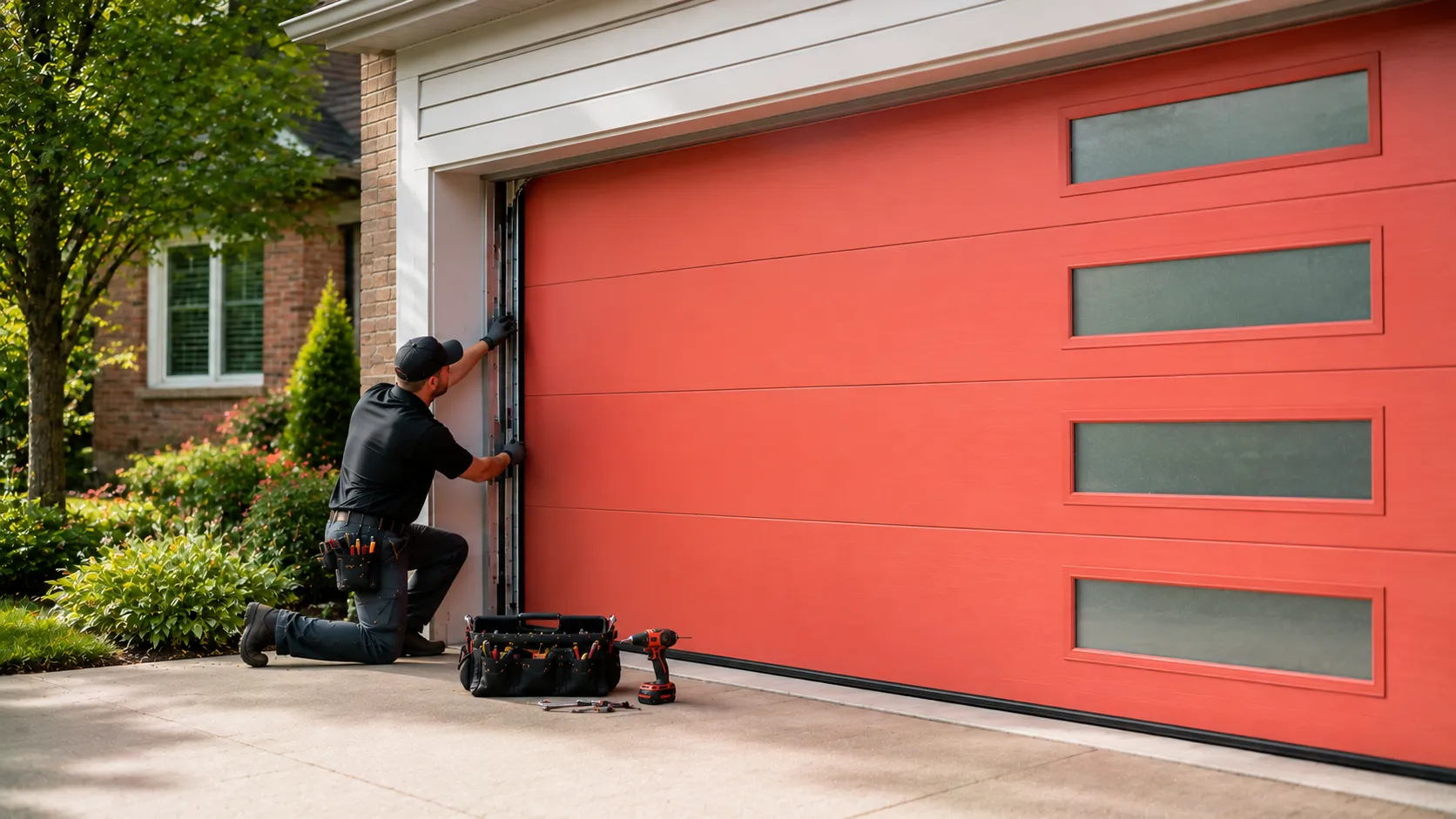
For most Galena Park installs, the job breaks into three parts: pulling the old unit and checking the header framing, running or verifying a dedicated circuit with a properly wired safety sensor pair, and mounting the new opener on hardware rated for the door weight you actually have - not the door weight the house was built for in 1956, since a lot of original doors have since been swapped for heavier insulated panels.
Our climate here is mild with occasional freeze nights, which isn't hard on an opener the way extreme heat or heavy snow load is elsewhere, but it does mean any exposed wiring splices from the original build have had decades of temperature swing to corrode, which is one more reason we check that circuit rather than assume it.
Honest limitation: if your header has rotted or the framing has shifted enough that a support plate won't hold square, that's carpentry work outside a standard opener install, and we'll tell you that on-site rather than force a mount that won't last.