Time on the Job
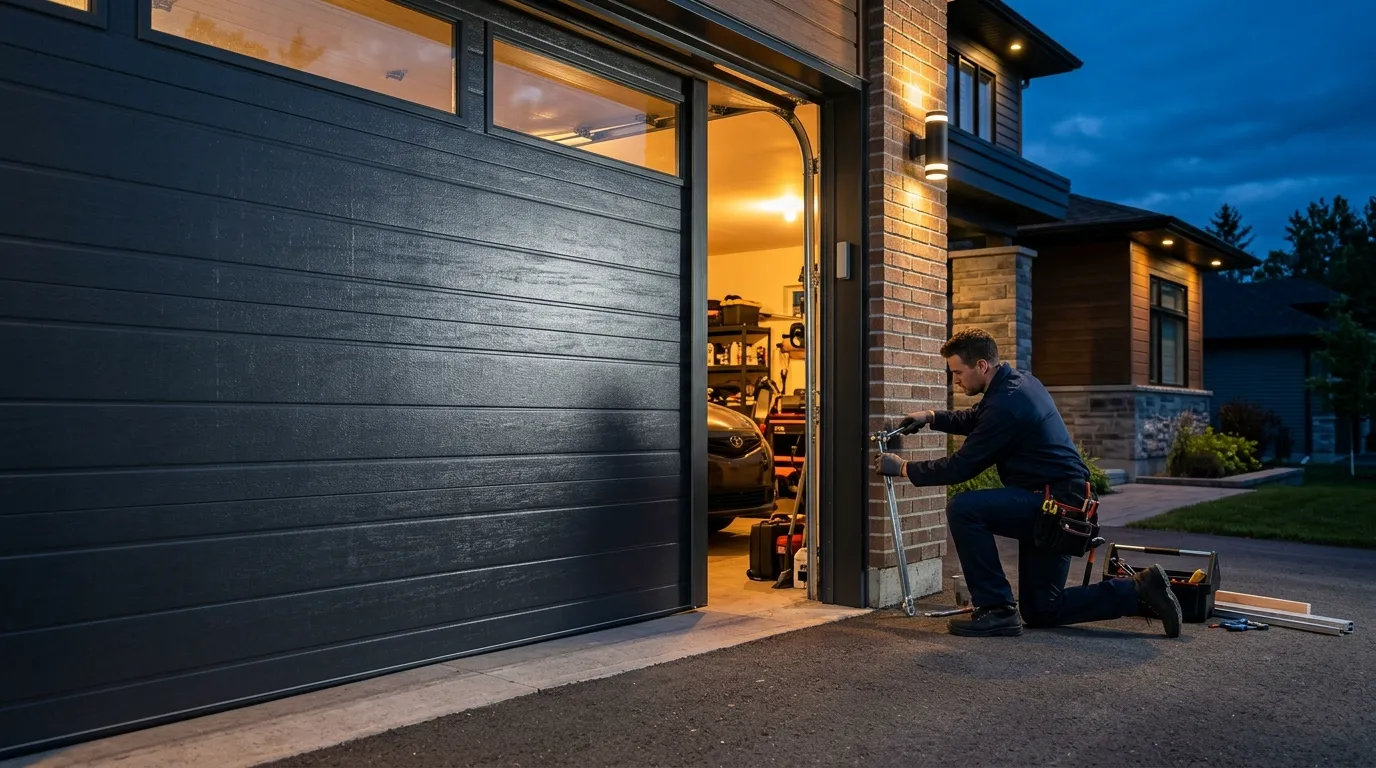
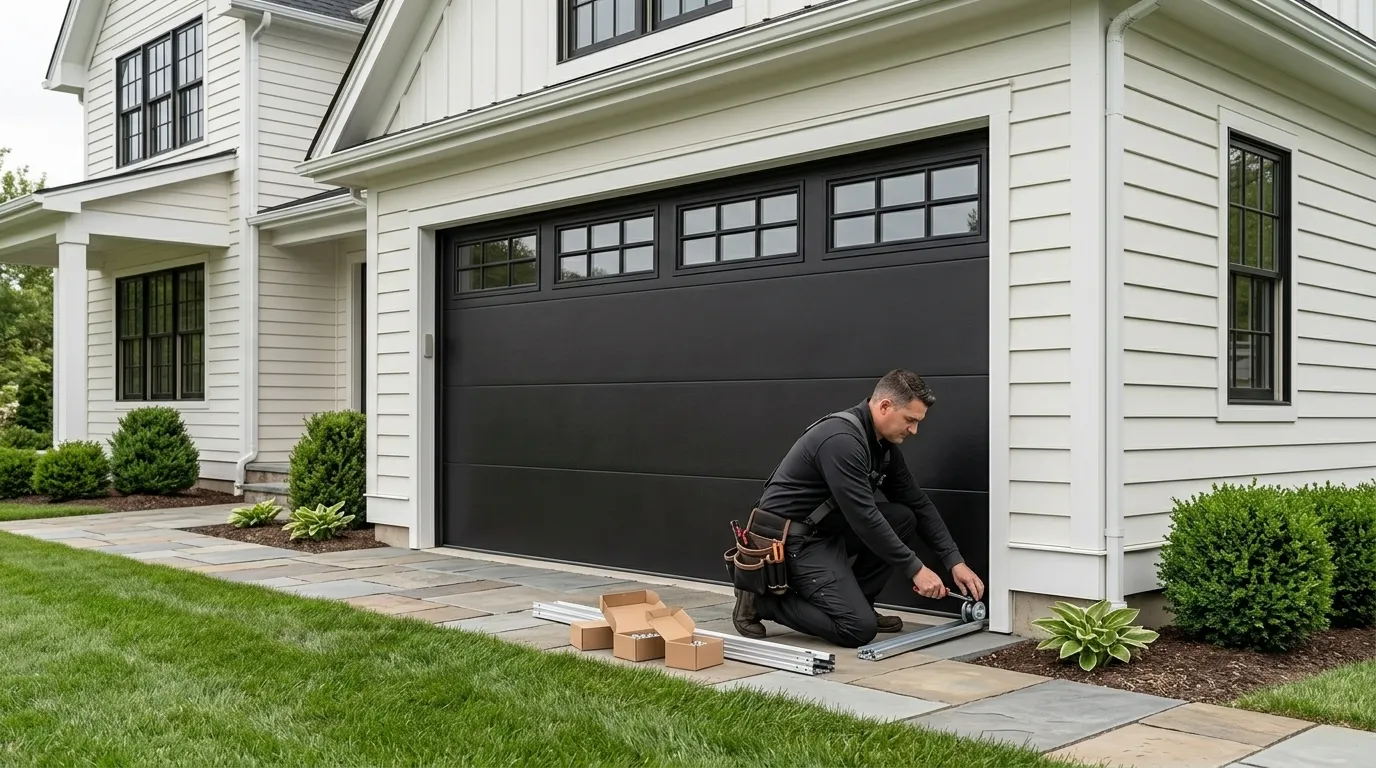
Most houses in Galena Park went up around 1956, which puts the garages here a full generation ahead of the 1980s stock that fills out a lot of the rest of this service area. A door from that build era was usually a single flush steel or wood-look panel sized for a single-car opening, not the wide sectional door you see going up on newer construction. Over the decades a lot of these got swapped to sectional doors, but the openings themselves stayed the size they were framed for in the 1950s - narrower, shorter, sometimes an inch or two off standard on either dimension. That matters for panel replacement because a stock panel ordered off a size chart doesn't always drop into a 1956 opening clean. We measure the actual door before we order anything, not the nominal size stamped on the old panel. On a straightforward swap where the track and hardware are still square, the panel-out to panel-in part of the job runs about what you'd expect for one panel - it's the fitting and alignment on an older frame that adds the extra time, not the install itself. We're coming from Humble, about 17 miles in, so we build the trip into the schedule rather than treating it as a quick add-on stop.
Doing It Yourself
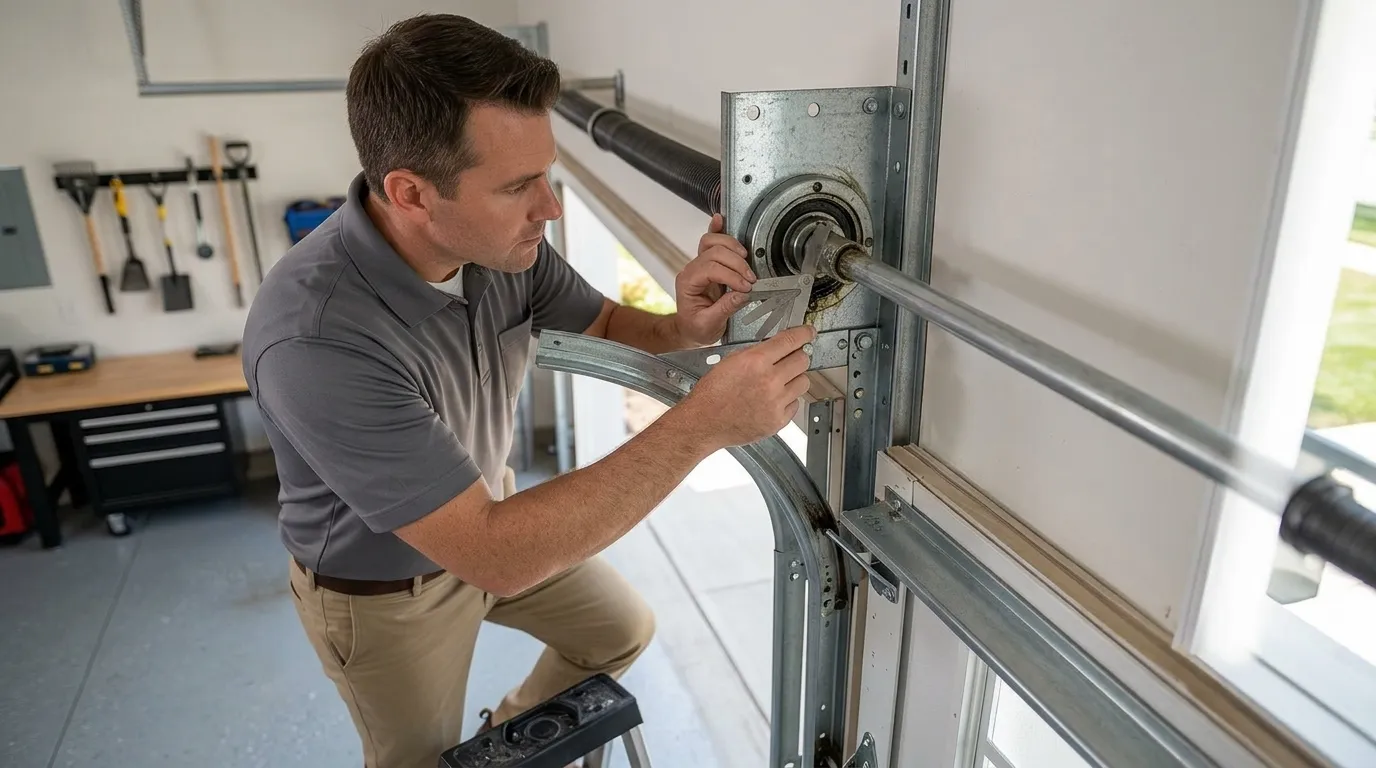
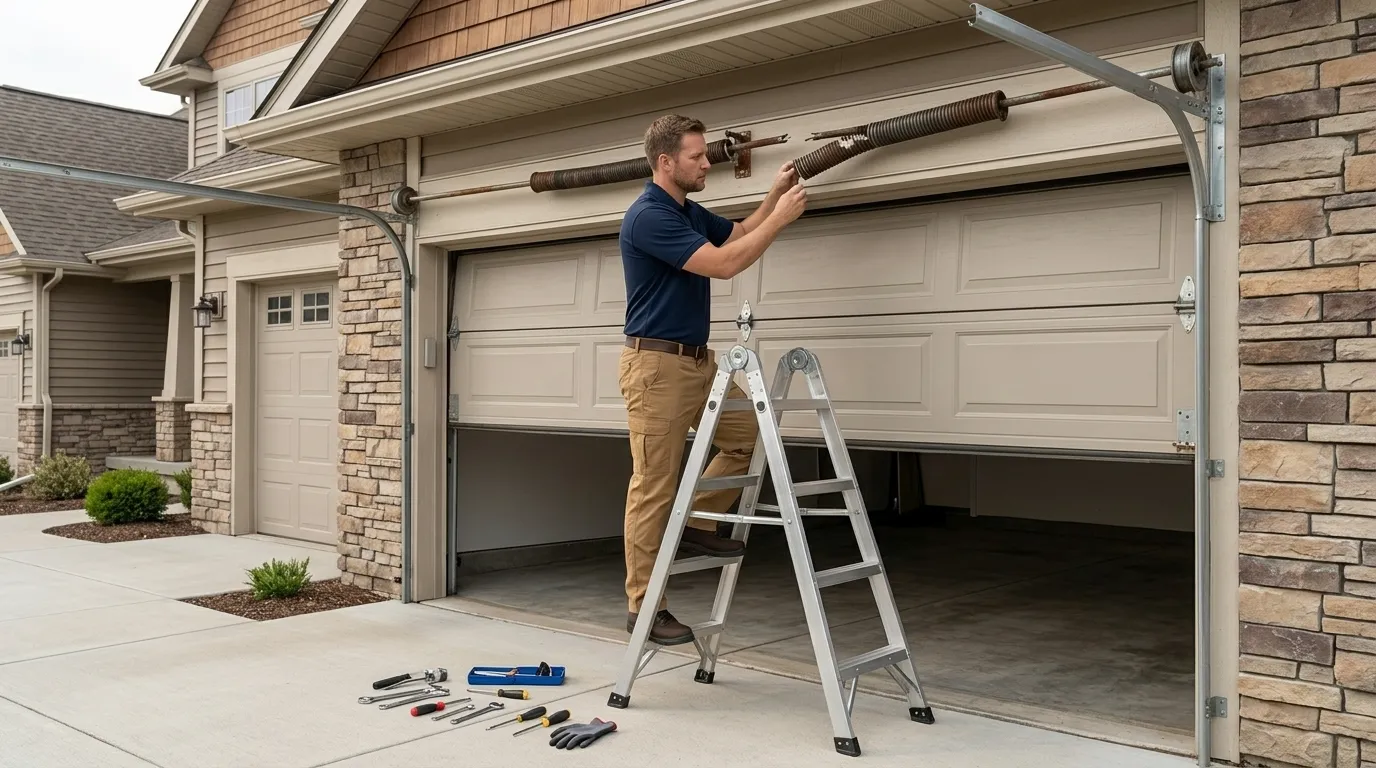
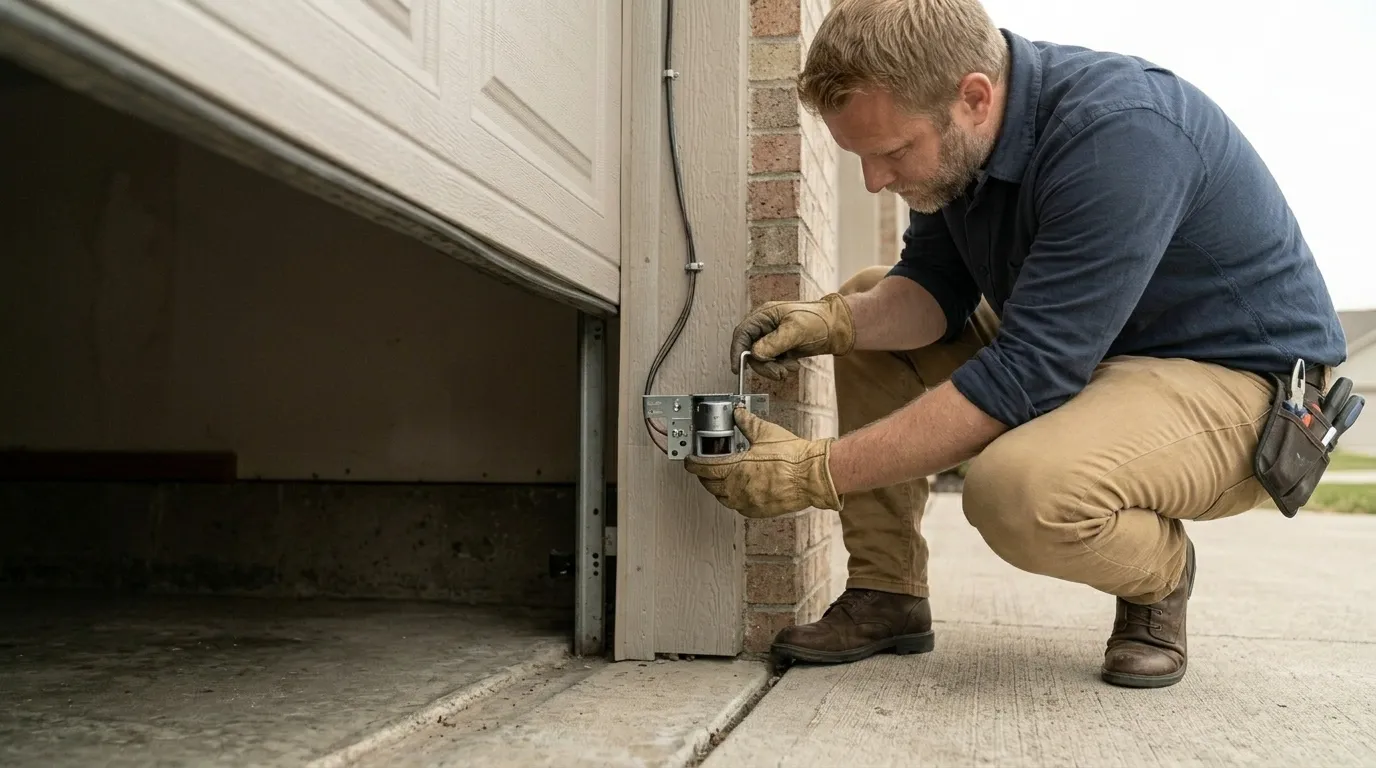
A single bottom panel with a bent corner, no cable involved, is something a handy owner can sometimes swap alone if the door is still tracking straight otherwise. Where it gets risky on a house this age is the fasteners - 1950s track hardware was set with different bolt patterns and spacing than what current panel kits ship with, so a same-size panel from a hardware store doesn't always bolt to the existing hinges without redrilling. If the door has a spring under tension, stop. Torsion and extension springs on doors this old are the same age as the house in a lot of cases, and they don't announce themselves before they let go. We're honest that a lot of these jobs look like a panel swap and turn out to need a hinge or roller replaced too because the old hardware doesn't match anything a new panel wants to bolt to.
What the Repair Takes
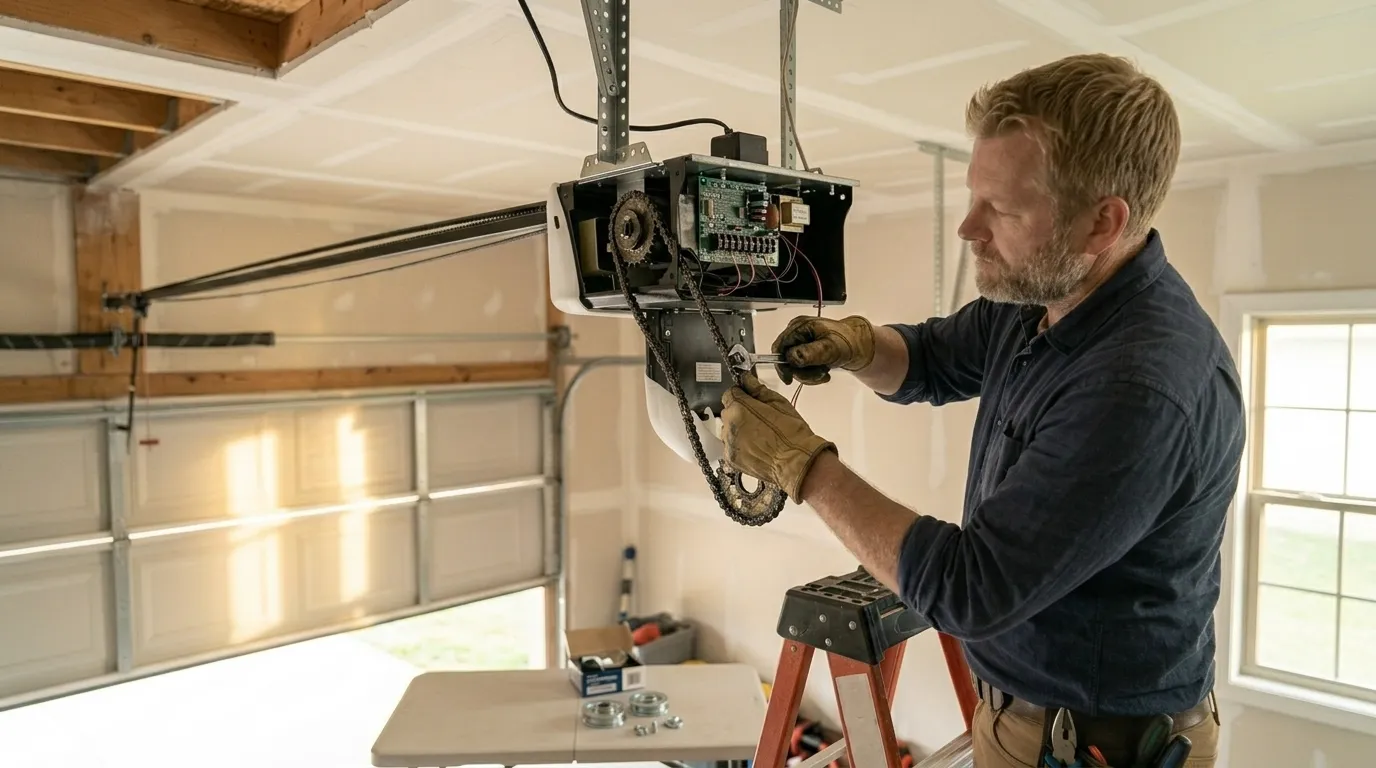
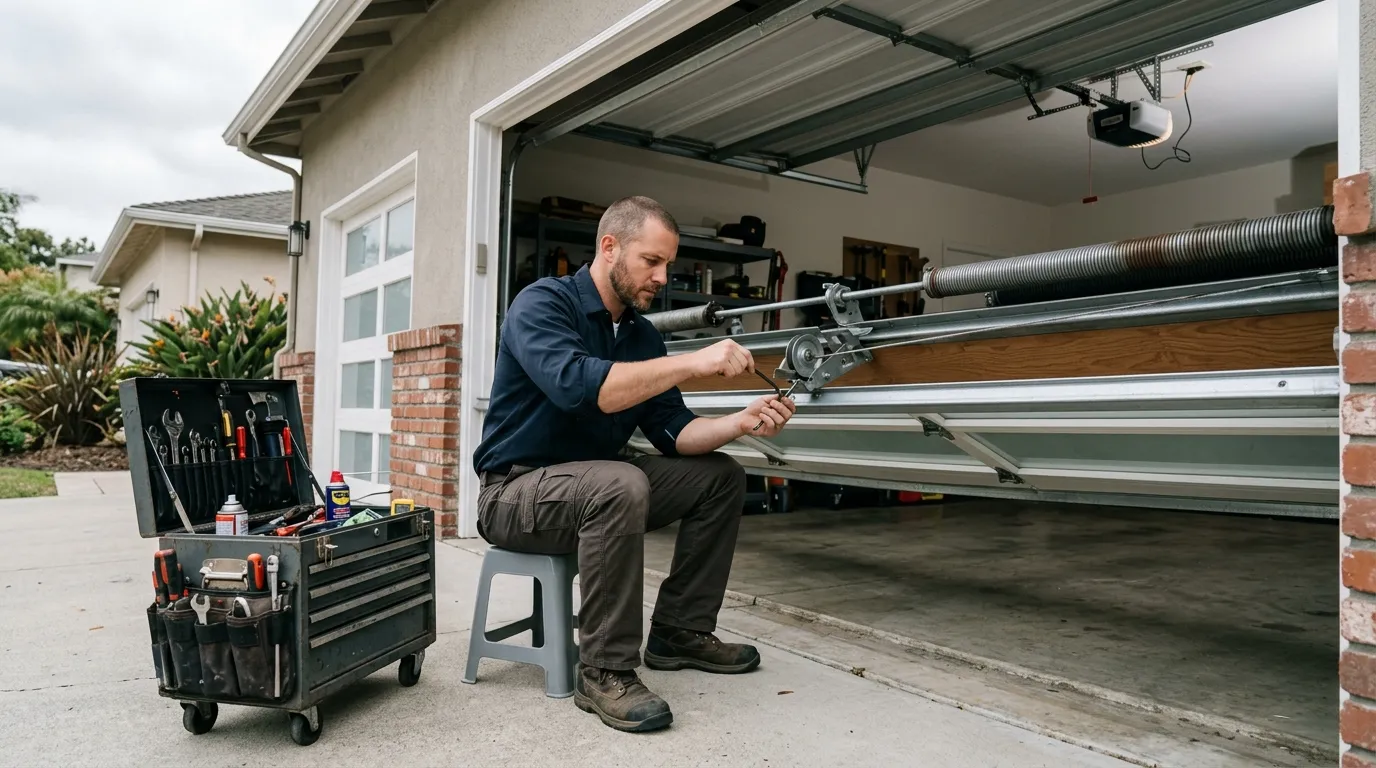
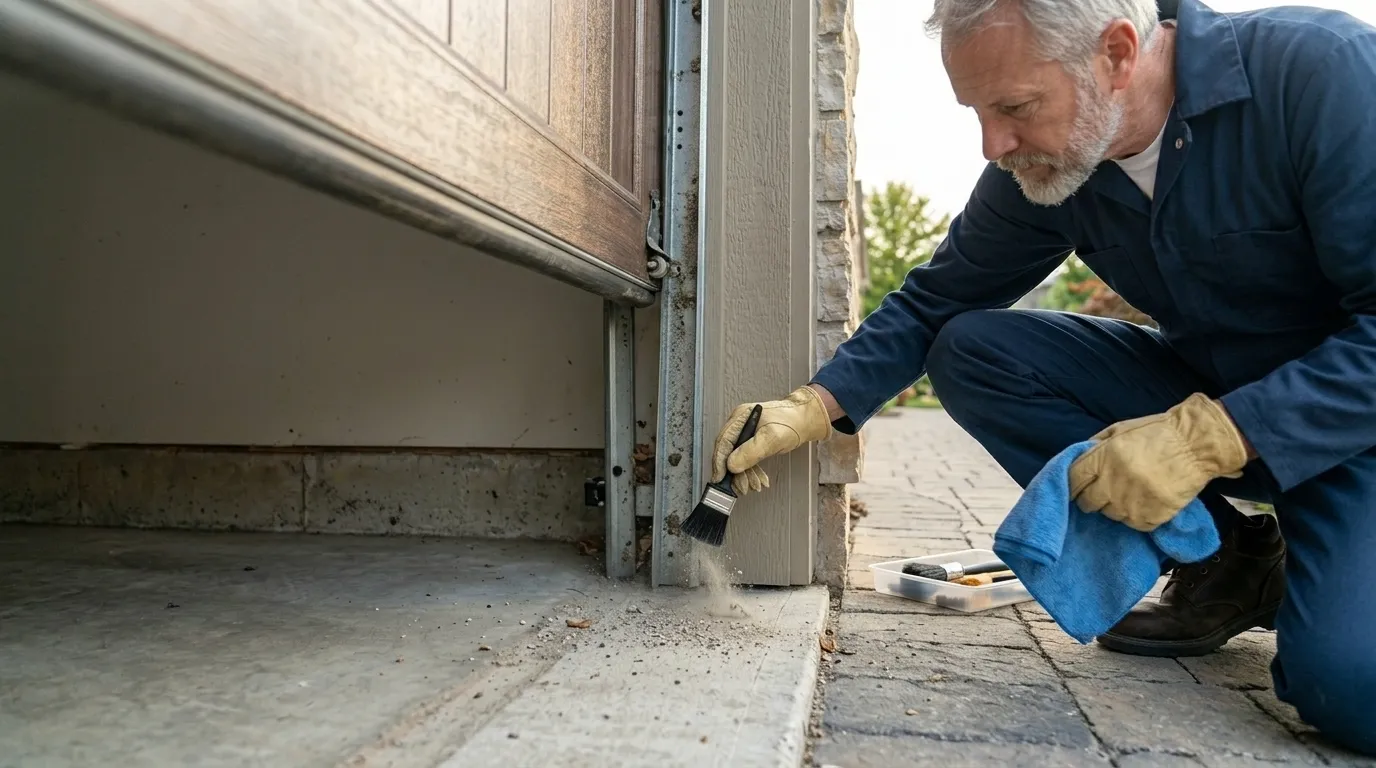
On a straight swap: we pull the damaged panel, check the track and rollers on either side of it for wear the old panel was masking, and set the replacement plumb before we bolt the hinges back. Houston's mild climate with occasional freeze events doesn't crack panels the way a hard freeze-thaw region does, but it does fade and chalk older steel and wood-composite panels unevenly, so a new panel next to 1956-original ones can look like a patch job even after a clean install - we'll say that up front rather than let you find out on the driveway. If the opener still runs off the original travel limits, we check those too, since a panel a half-inch off from the original throws the travel switch out. What we don't do is force a stock panel onto a frame that's out of square - if the opening's shifted with the house settling, that's a frame repair first, panel second, and we'll tell you that before we order anything.