Doing It Yourself
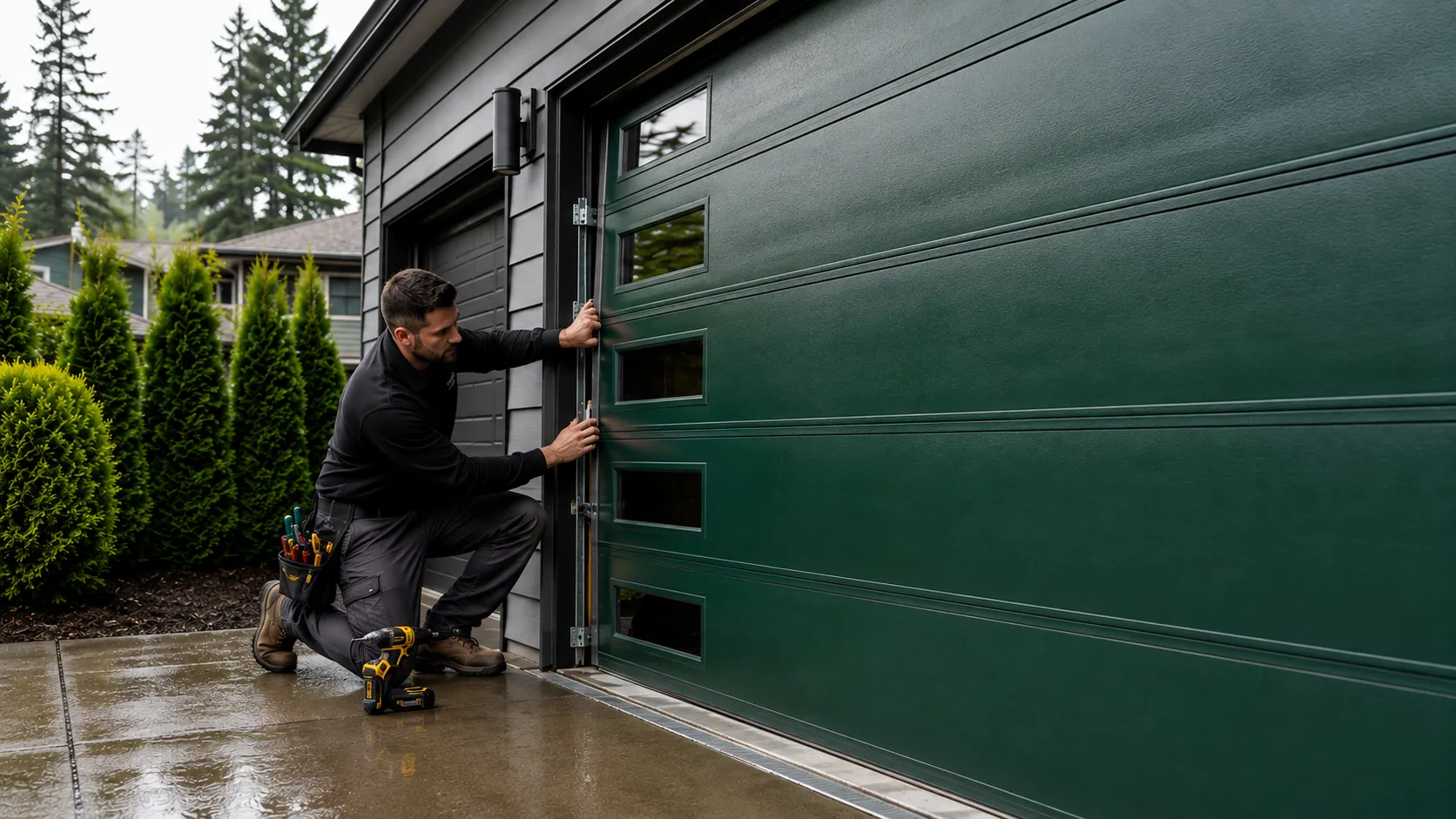
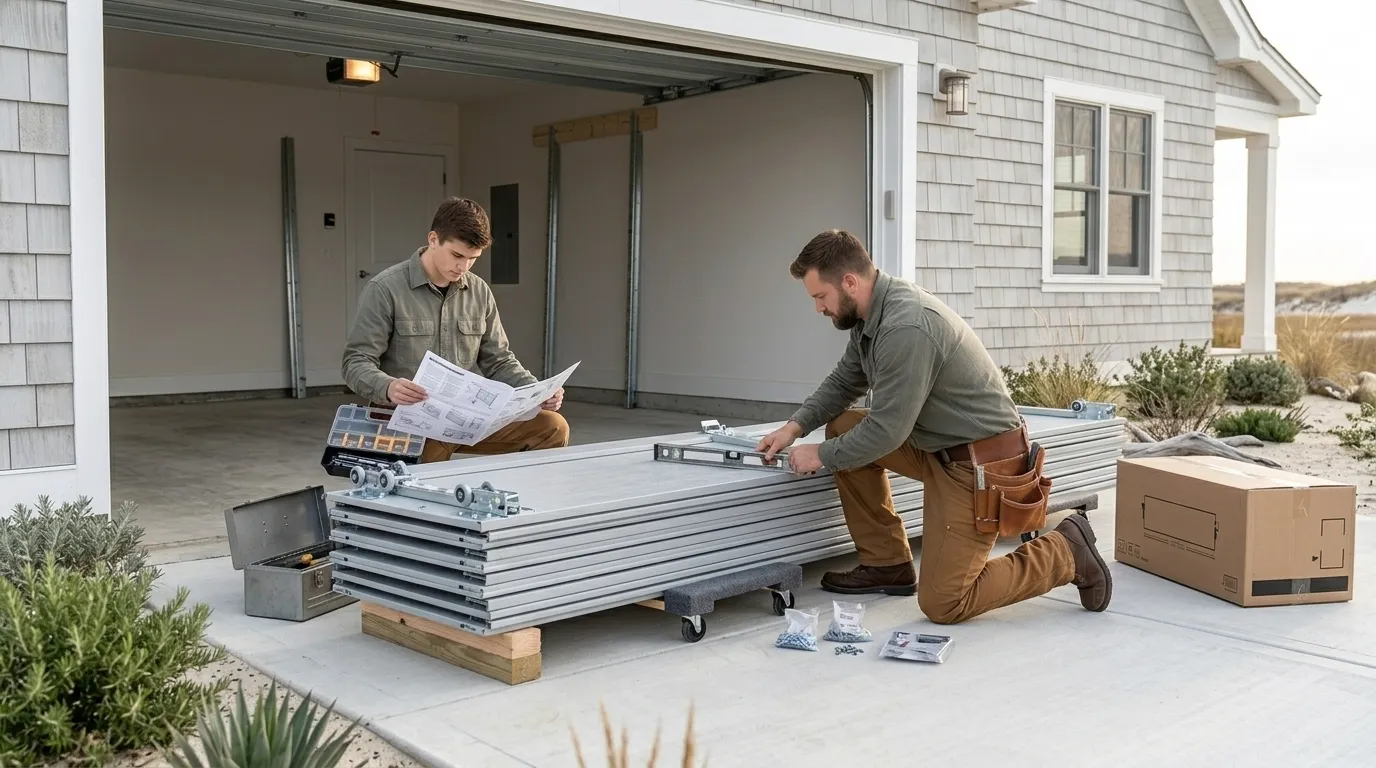
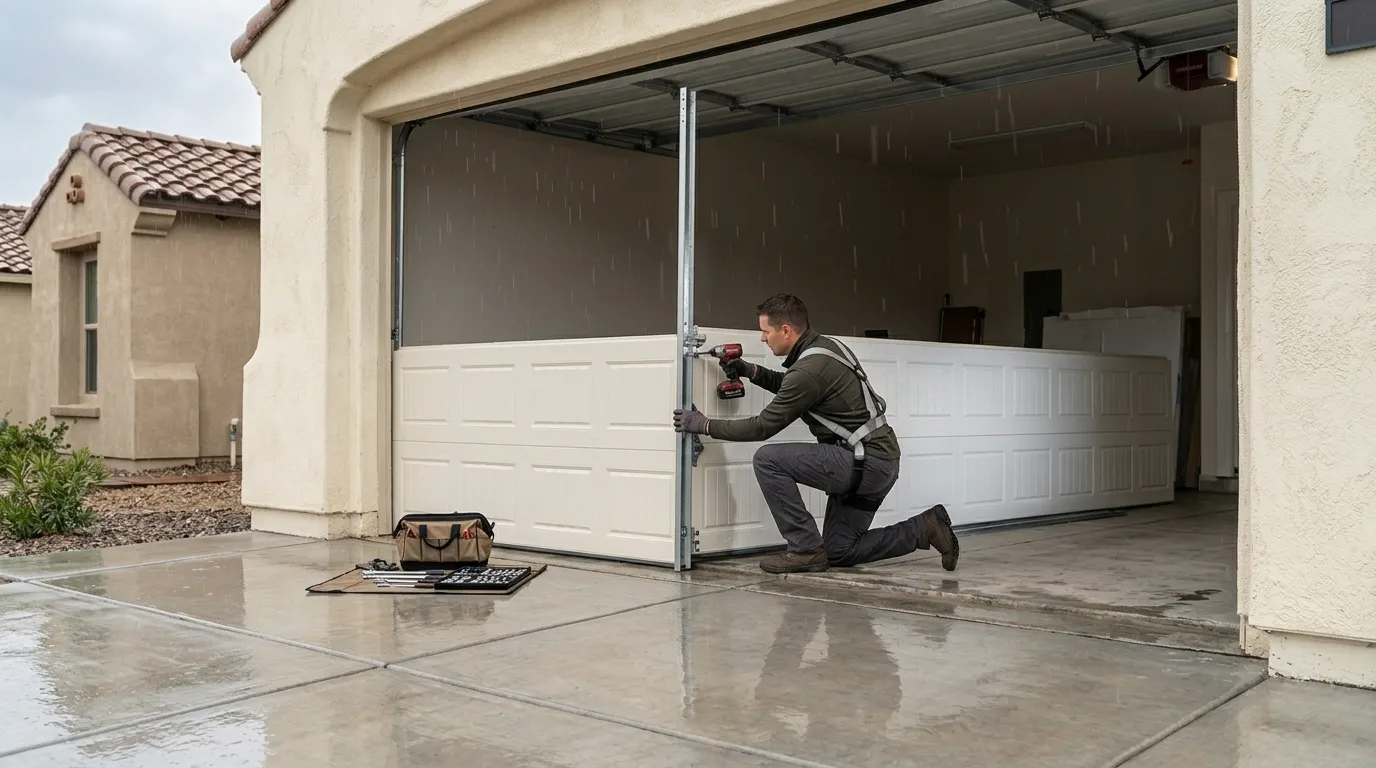
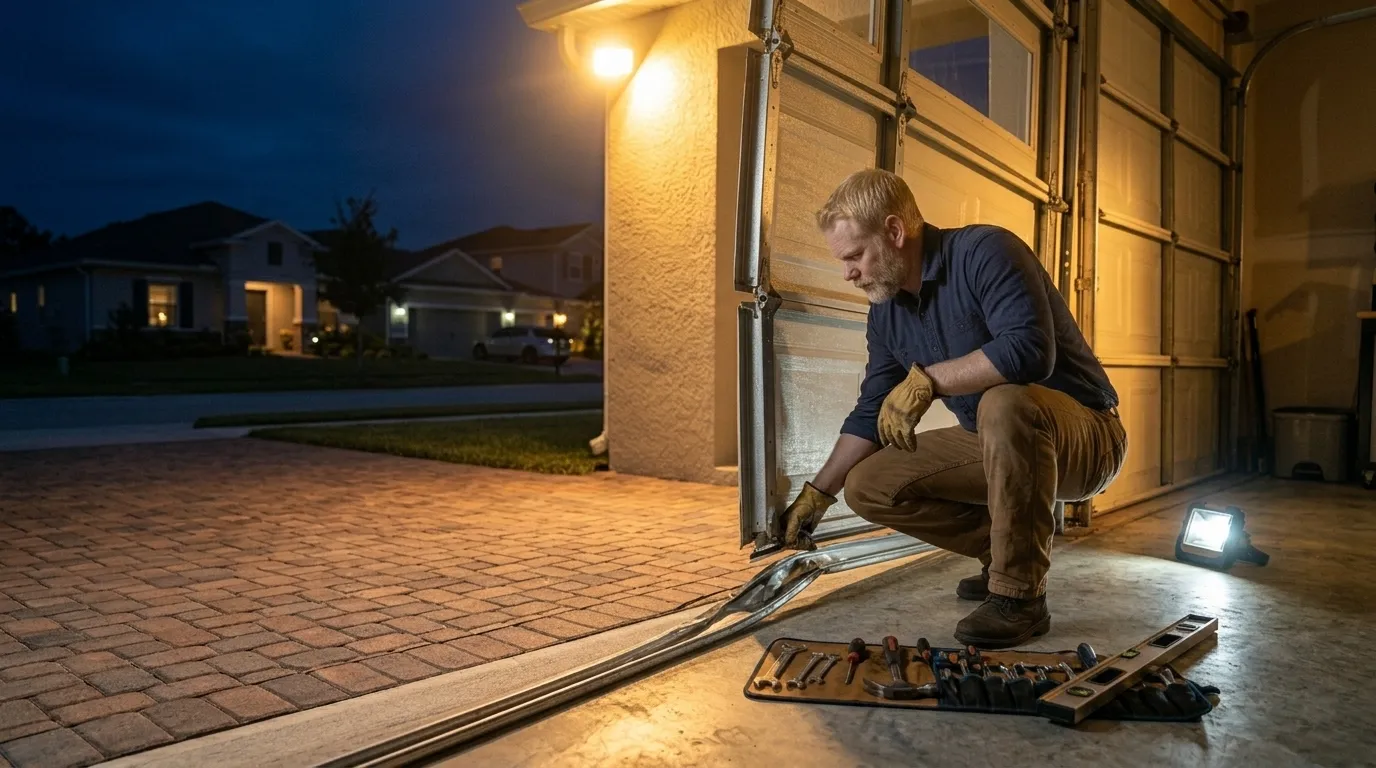
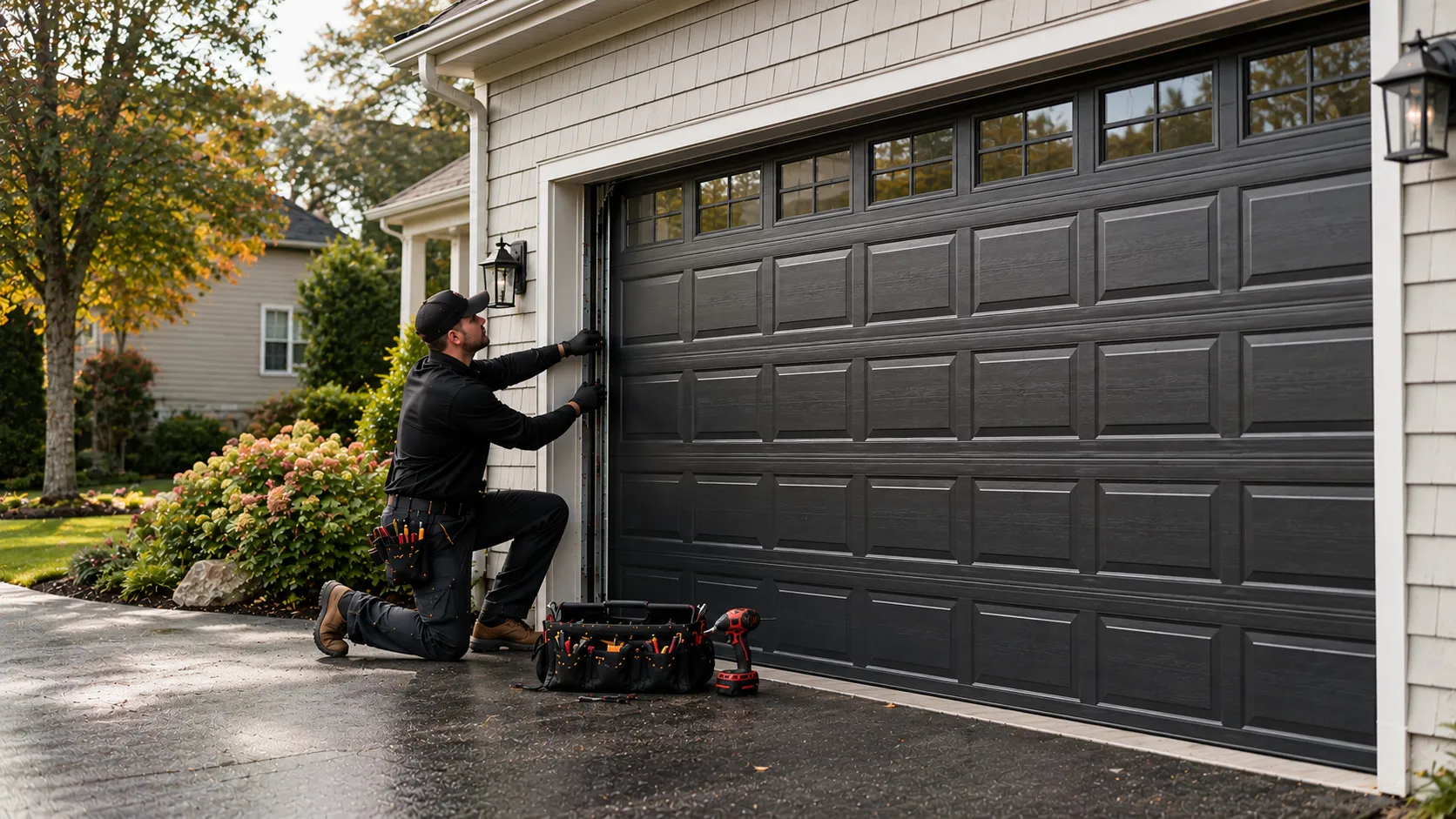
Woodbranch is a small place - about 558 households total - so word travels fast about who did a bad job on a garage door. That matters here because a lot of owners try the panel swap themselves before calling anyone. A single dented or rusted-through panel on a sectional door looks like a bolt-on fix: pull the hinges, drop in a new panel, bolt it back. On paper it's simple.
Where it goes wrong is matching the panel to the door. Doors built around 1982, which is the median year for housing in this area, used panel dimensions and steel gauges that current manufacturers don't stock as a direct match. You can order a "close enough" panel and get a door that closes crooked, binds on the track, or won't seal at the bottom - because the new panel's height or curve doesn't line up with the old ones still on the door.
We're not going to pretend this is always a two-hour DIY disaster. Sometimes it's fine. But if your door was installed anywhere near the early 1980s, measure twice and call before you order steel, because a mismatched panel usually costs more to correct than it would have to replace right the first time.
Why This Fails Locally
The reason panel mismatches happen more in Woodbranch than in newer subdivisions is the age of the stock. With a median build year of 1982, most doors here predate the current standard panel widths and section heights used by today's manufacturers. A door built in that era on an 18-foot or 16-foot opening often used proportions that changed once manufacturers moved to today's common sizing in the 1990s and 2000s.
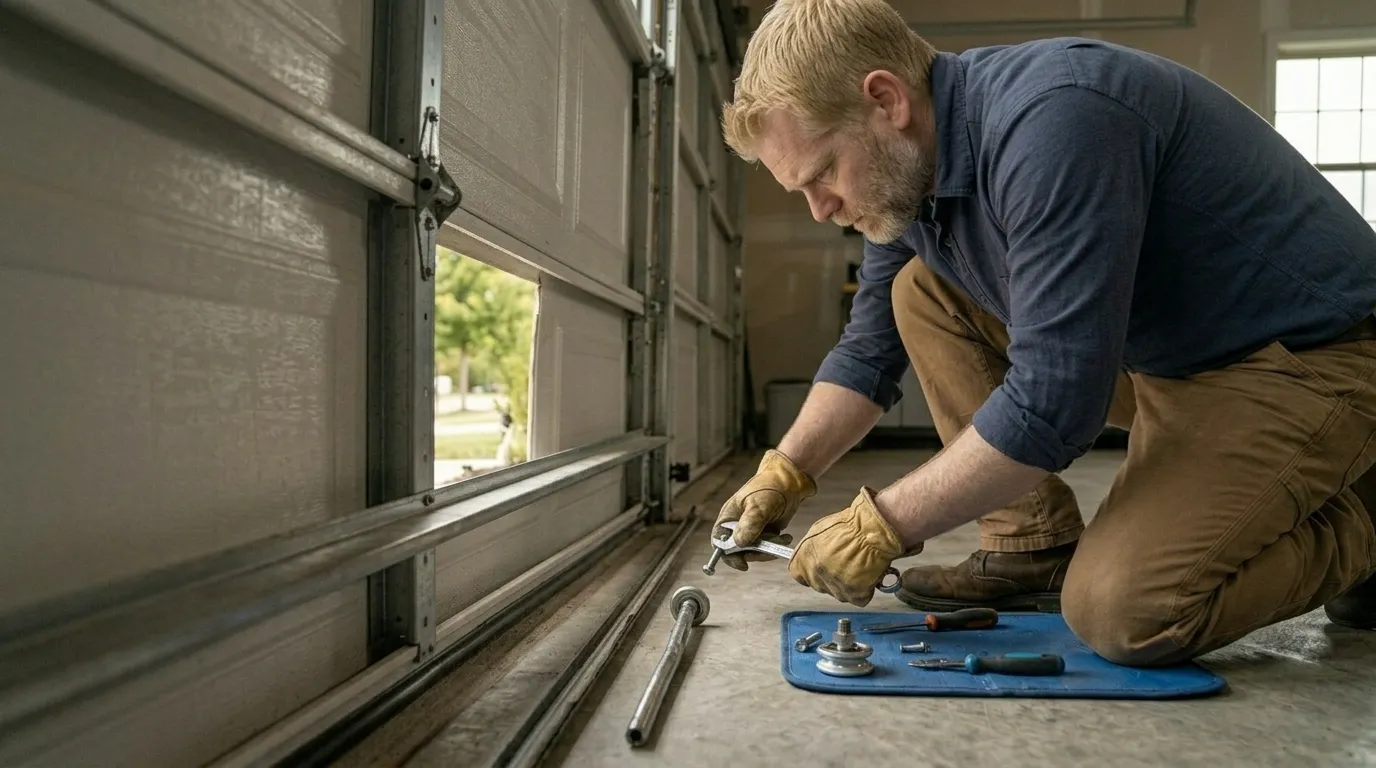
That means a single replacement panel bought off a shelf - even from a big supplier - can be close but not exact. The reveal between panels changes, the roller spacing shifts slightly, and the track that's fine with the old panels starts fighting the new one. On a two-panel or three-panel swap this shows up as a visible seam mismatch. On a single-panel job it can throw the whole door's alignment off by enough that the opener starts working harder than it should.
We travel out from Humble to handle this, about 14 miles each way, and the trip is worth planning around: bringing the wrong panel means a second trip, not a five-minute fix on site. Getting the measurements and the model confirmed before the truck leaves saves everyone the return visit.
Time on the Job
A straightforward single-panel swap on a door where we can source a matching panel is a shorter job than a full multi-panel replacement, and we'll tell you which one you're looking at before we start, not after. The honest limitation here: on older doors, especially anything built around that 1982 median for this area, an exact factory-match panel sometimes isn't available at all. When that happens, the choice is a close-match panel with a visible seam difference, or replacing the whole door section by section over time, or replacing the door outright. We'll lay out the real options rather than force a part that won't sit right.
Because we're coming from Humble, about 14 miles out, we plan the parts before the drive - if your door is old enough that we're not sure of an exact match, we'll ask for photos and measurements ahead of time so the truck that shows up has the right panel on it, not a guess.