What Can Go Wrong
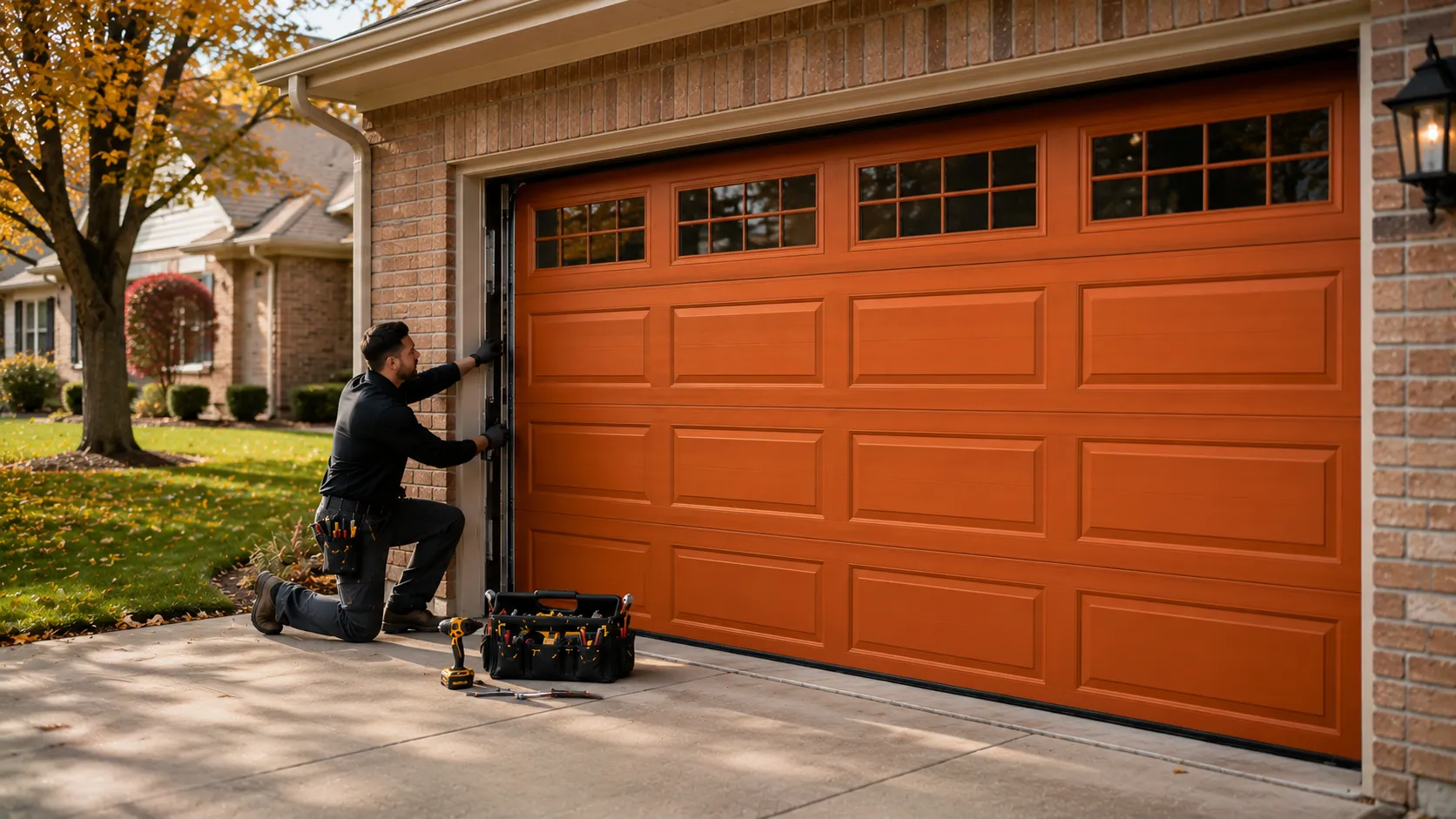
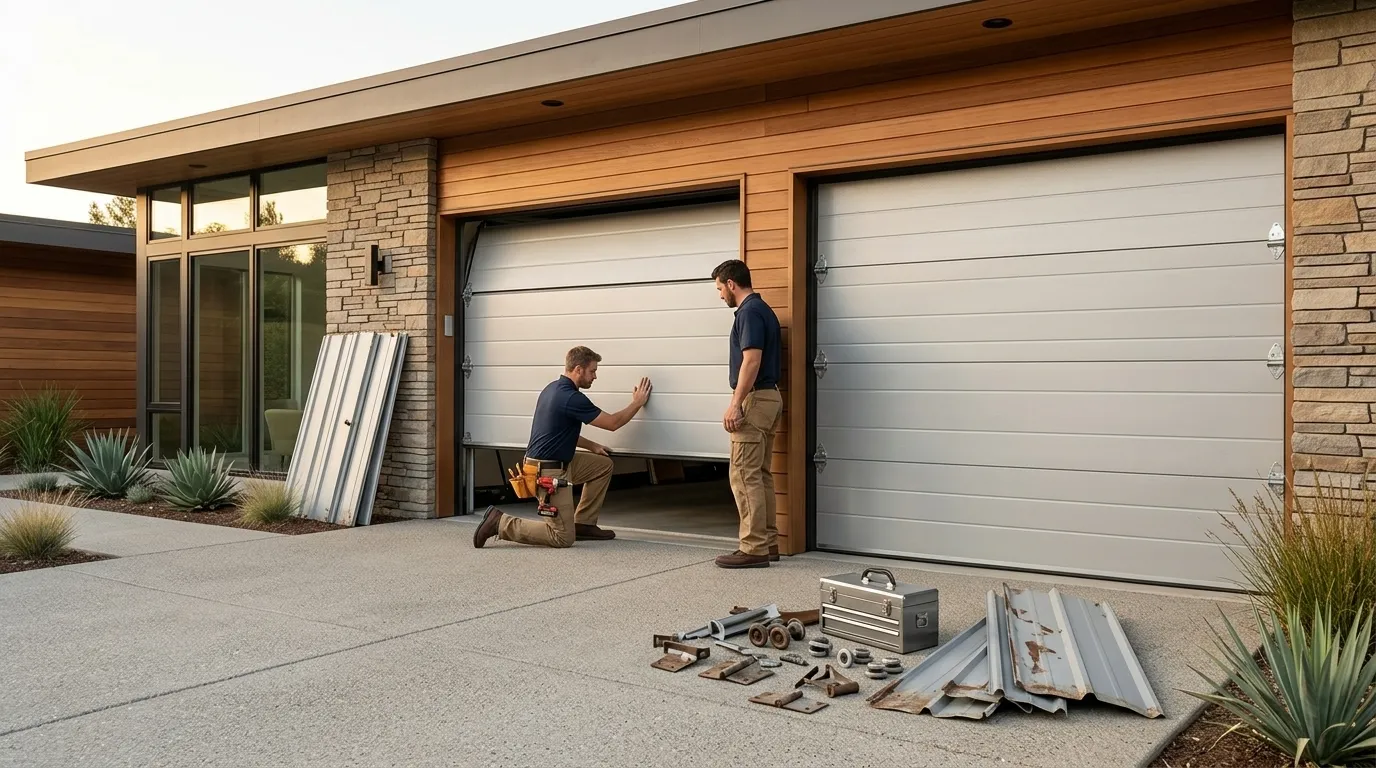
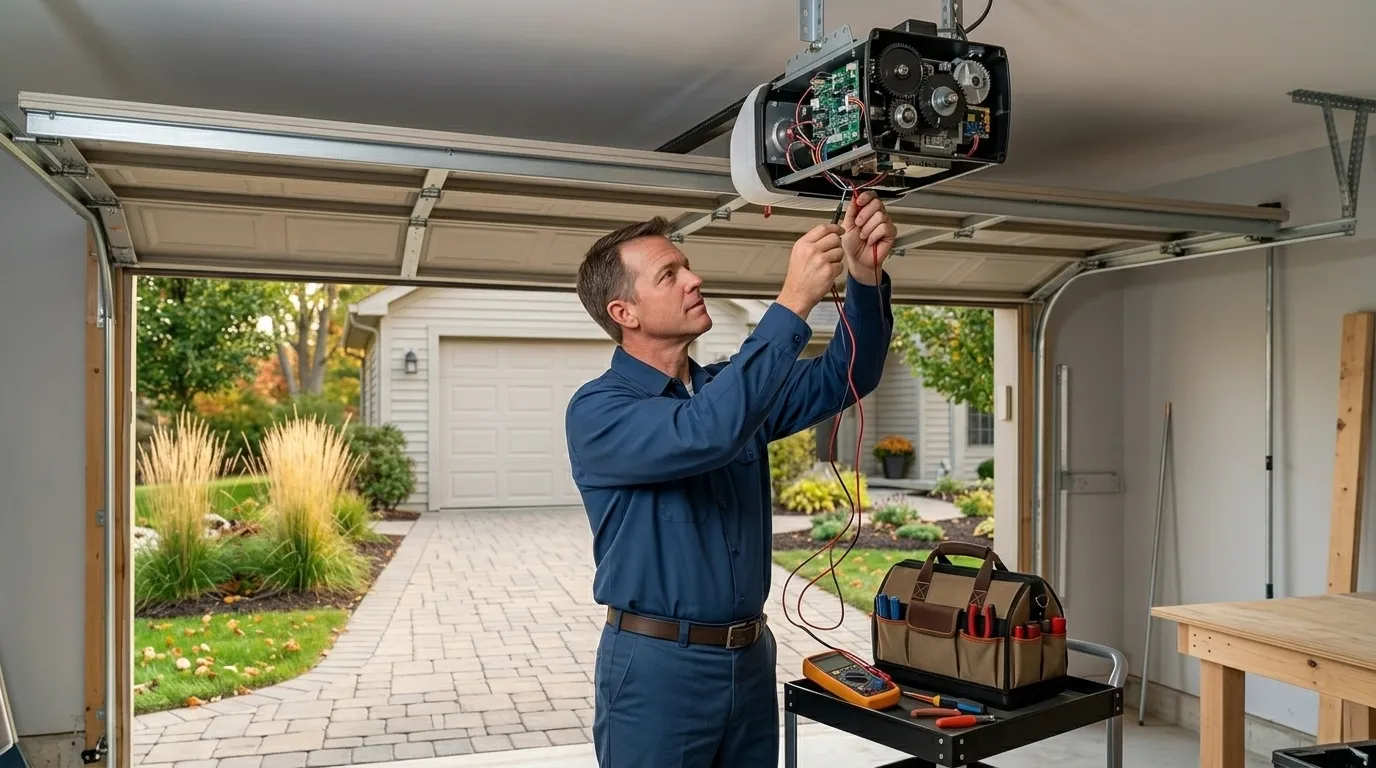
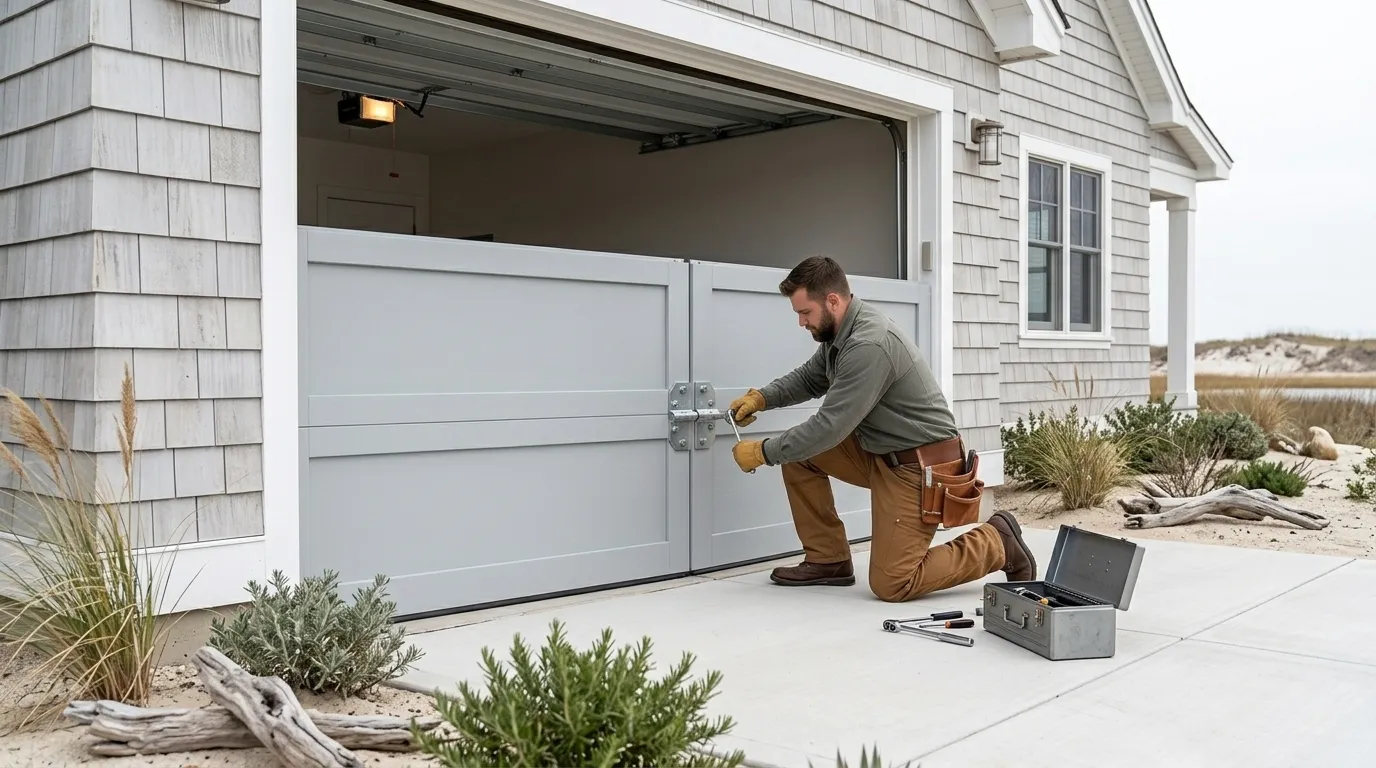
Most houses in Crosby went up around 1985, which puts the original garage door somewhere between 35 and 40 years old if nobody's replaced it yet. That era means a plain raised-panel steel door, usually 16x7 for a double bay or 9x7 for a single, hung with no insulation and a torsion spring sized for a lighter, non-insulated slab. When those doors finally quit, it's rarely one clean failure - the spring goes, and by then the track is bent from years of a slightly-off door dragging on rollers that were never replaced. Bottom brackets rust through on the bare steel panels, especially where the door sits low and catches runoff. A lot of these garages were never meant to hold a second fridge or a workshop, so the door and opener are working harder than the builder planned. Replacing one of these doors isn't just swapping a panel - it usually means new track, new springs sized for the actual door weight, and sometimes a header reinforcement the original builder skipped. We see this pattern often enough in houses from this build window that we plan for it rather than treat it as a surprise once the old door comes down.
Booking a Visit
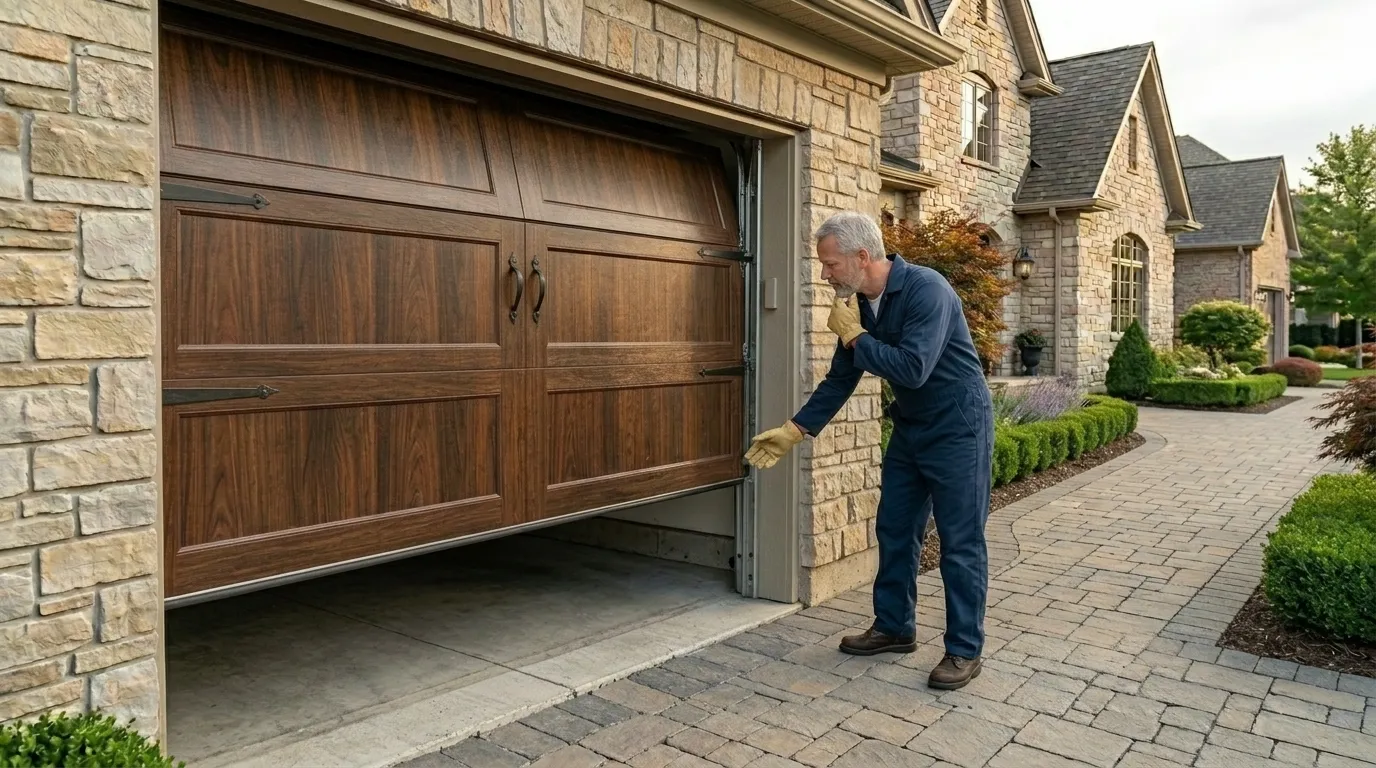
We run out of Humble, about 13 miles from Crosby, so a new-door job here gets scheduled on the truck's route rather than dispatched same-day the way a call closer to the shop might be. That's not a knock on Crosby - it's just the honest distance, and we'd rather tell you that up front than promise a window we can't hold. When you call, we ask for the door's rough opening size, whether it's single or double, and roughly when the house was built, since that tells us a lot about what's likely holding up the old door before we ever drive out. We measure on site before ordering anything, because a 1980s-era rough opening doesn't always match what a modern door ships in. Once we've got the measurements and you've picked a door, we schedule the install for a day we're already working this side of the service area, which keeps the trip efficient for both of us.
Doing It Yourself
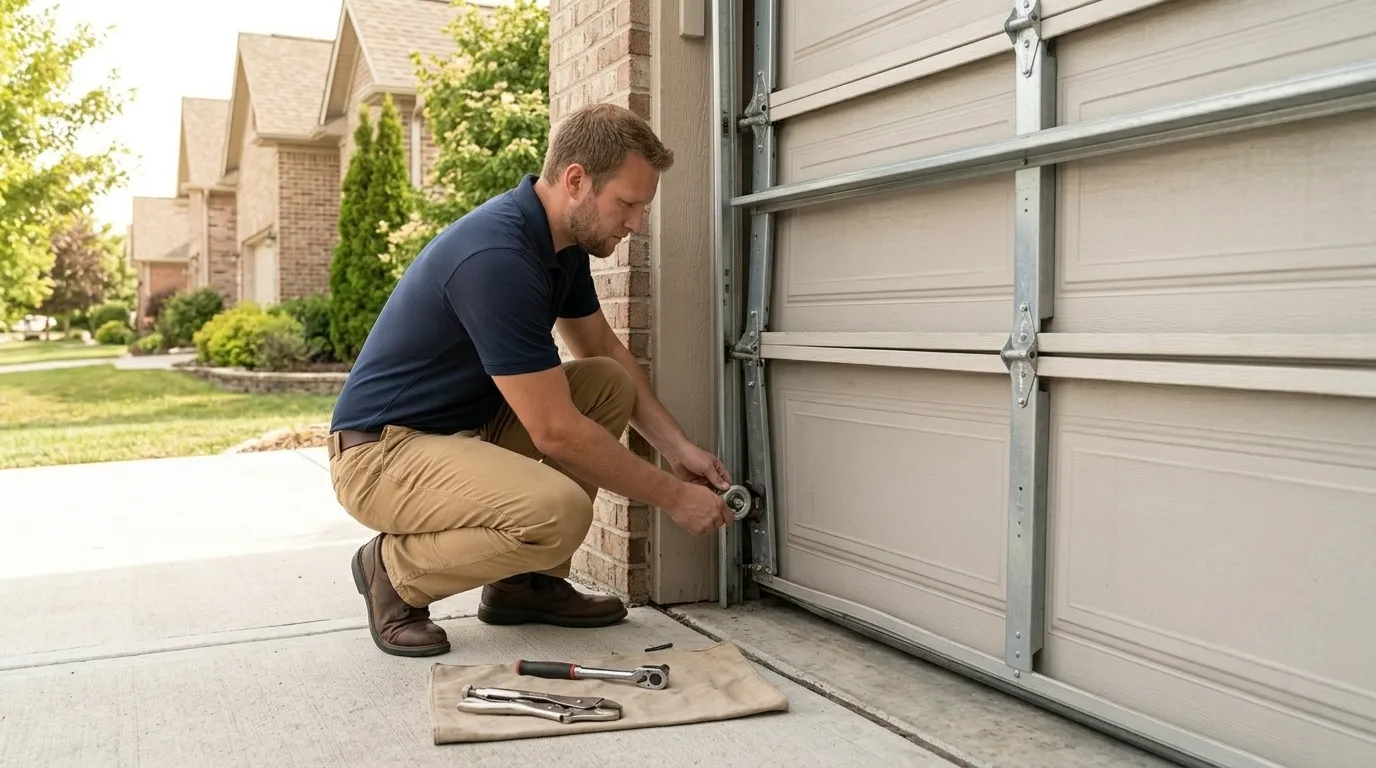
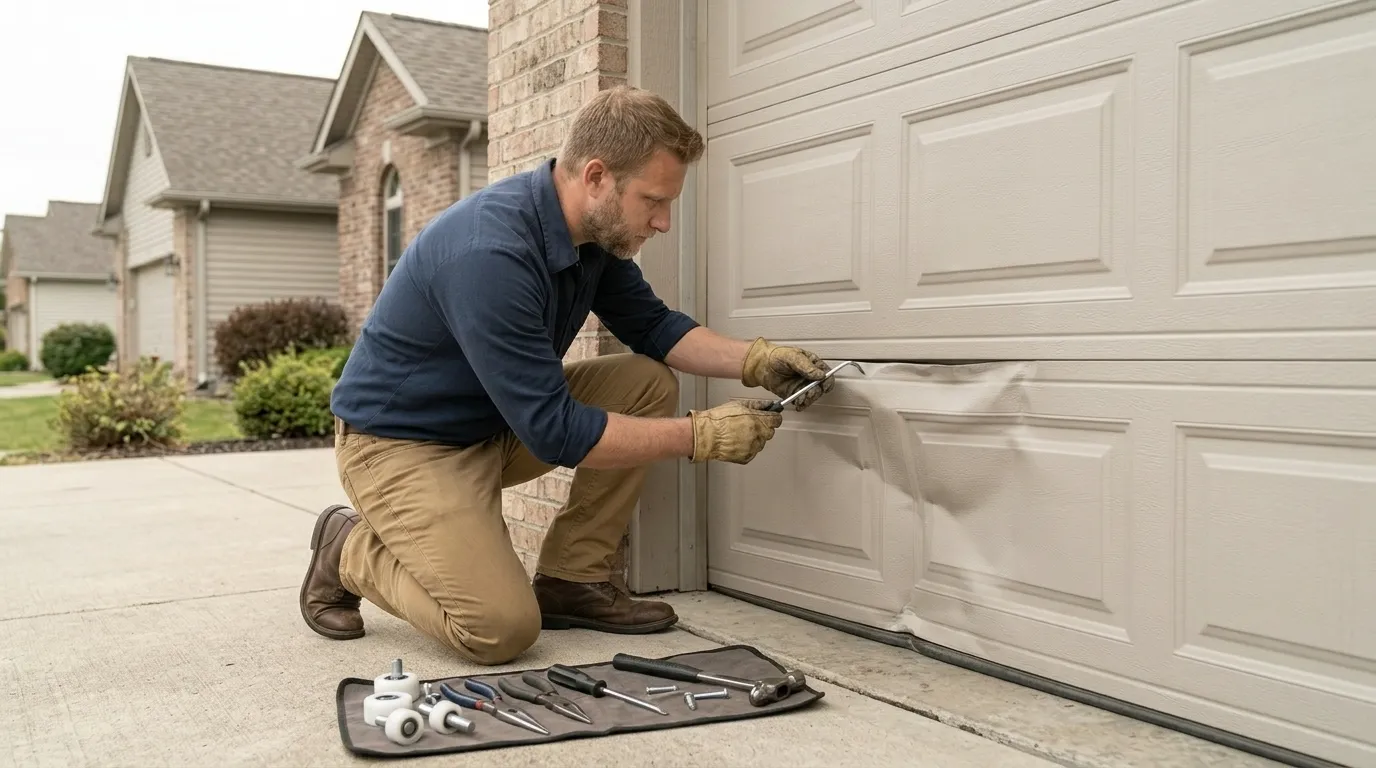
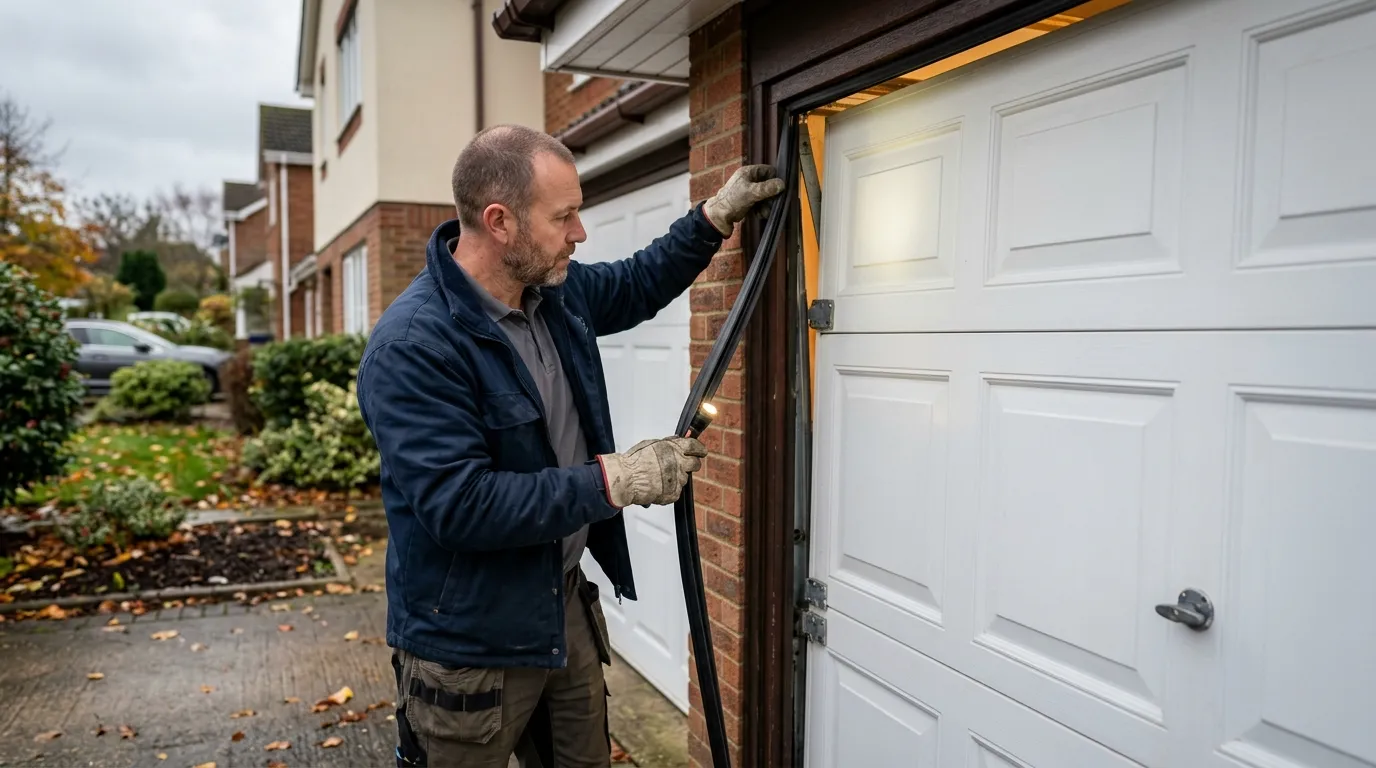
Swapping panels or hardware on a door this age is a two-person job at minimum, and torsion springs under load have put people in the hospital - that's not a scare line, it's why we don't sell spring kits without an install. Where a homeowner can genuinely save money is on the small stuff: weatherstripping, new rollers, a bottom seal, or repainting a steel panel that's just faded, none of which touch the spring or the cable. What we won't do is talk you into a full replacement if the door's structurally fine and just needs the track realigned or a bent panel swapped - a straightforward repair beats a full new door plenty of the time on houses in this age range, and we'll say so on site rather than upsell past the actual problem.