What Can Go Wrong
Crosby's median household income sits at $43,795, and that number matters more here than in most of the towns we cover, because it decides where the line falls between fixing one panel and replacing the whole door. Most houses in Crosby went up around 1985, which puts a lot of doors into steel sectional territory - the kind where a single dented or rusted-through panel can often be swapped without touching the rest of the door, as long as the model still has panels in production.
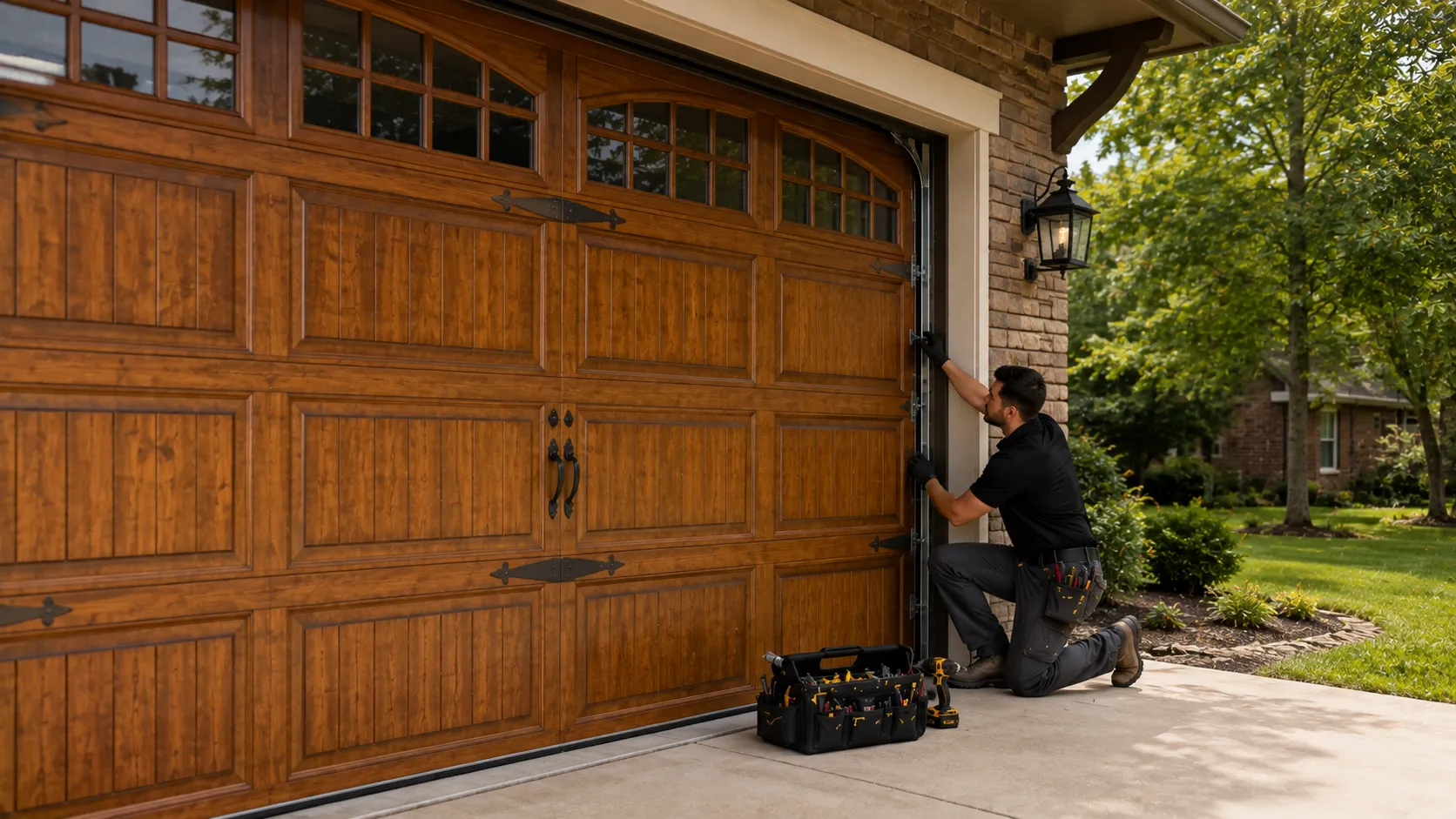
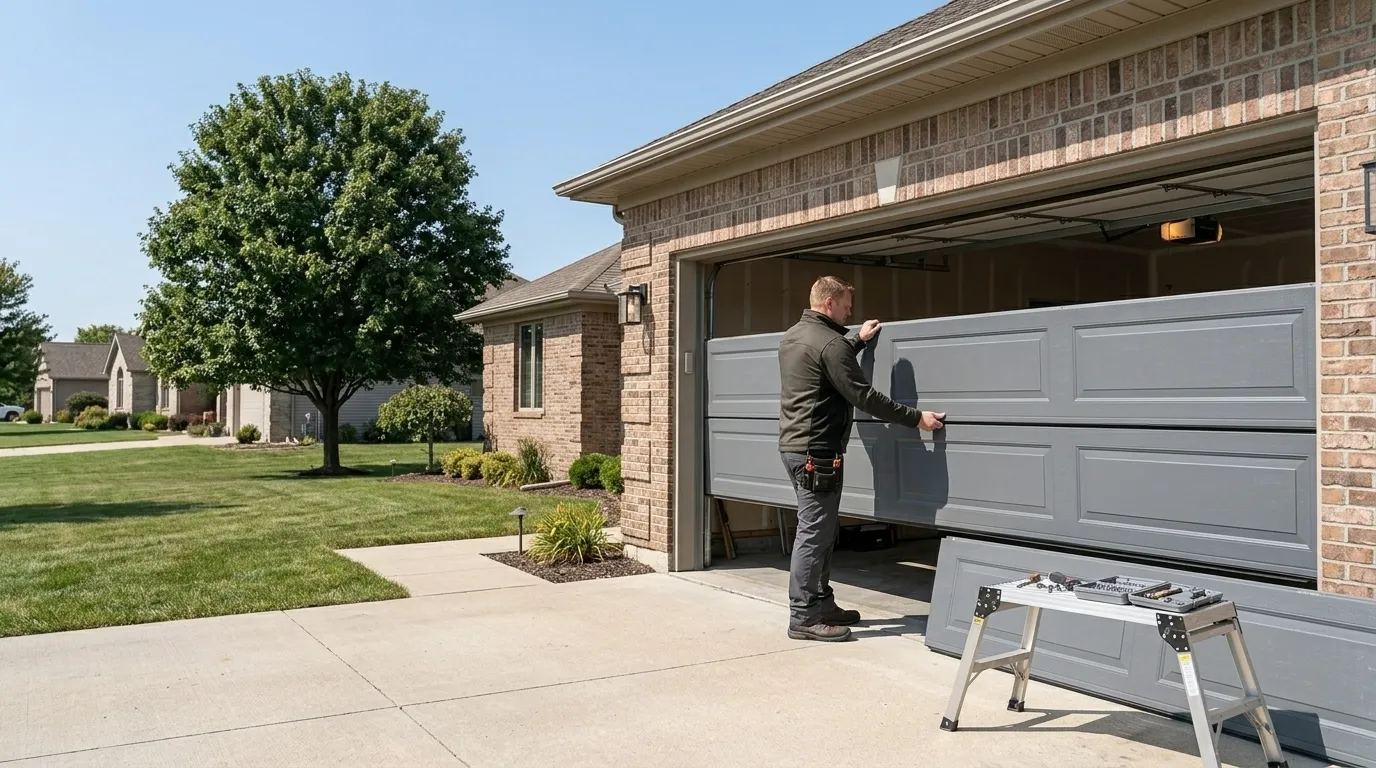
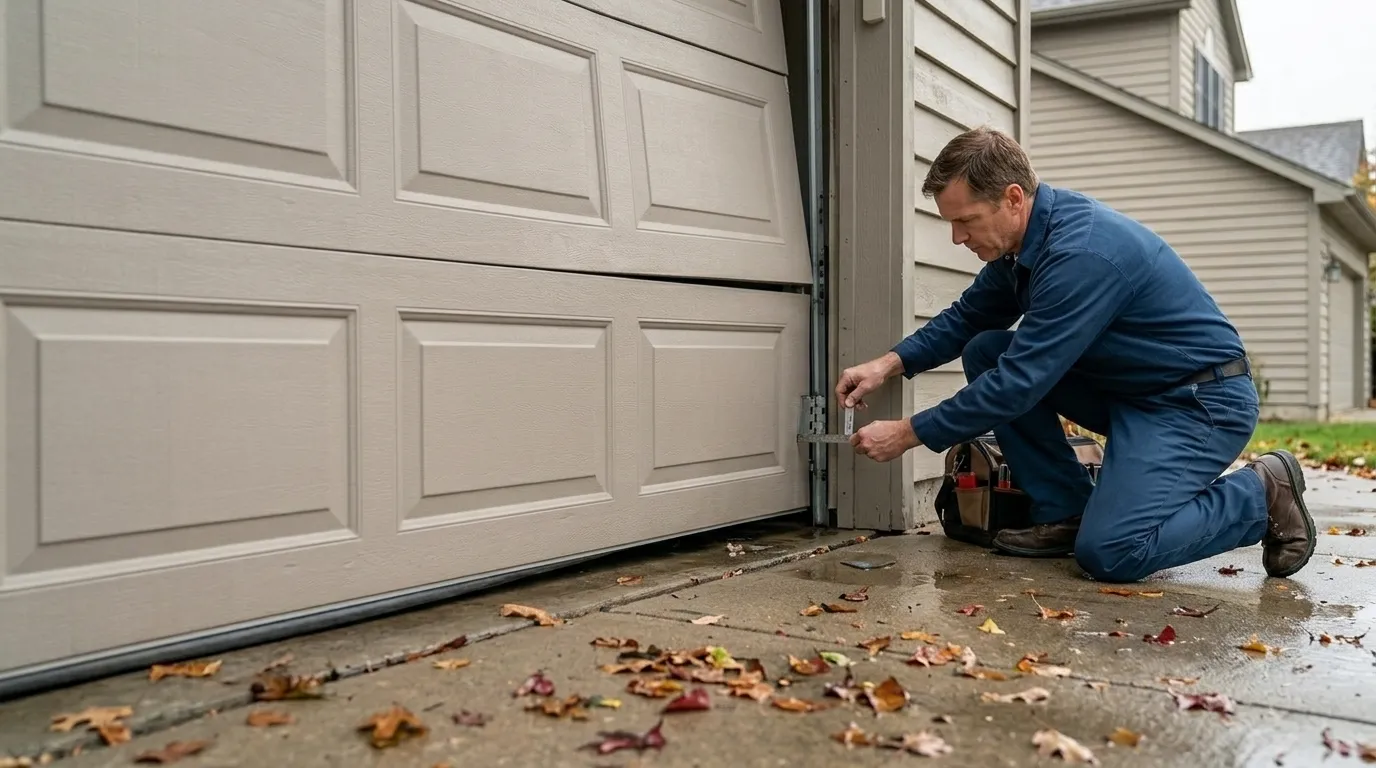
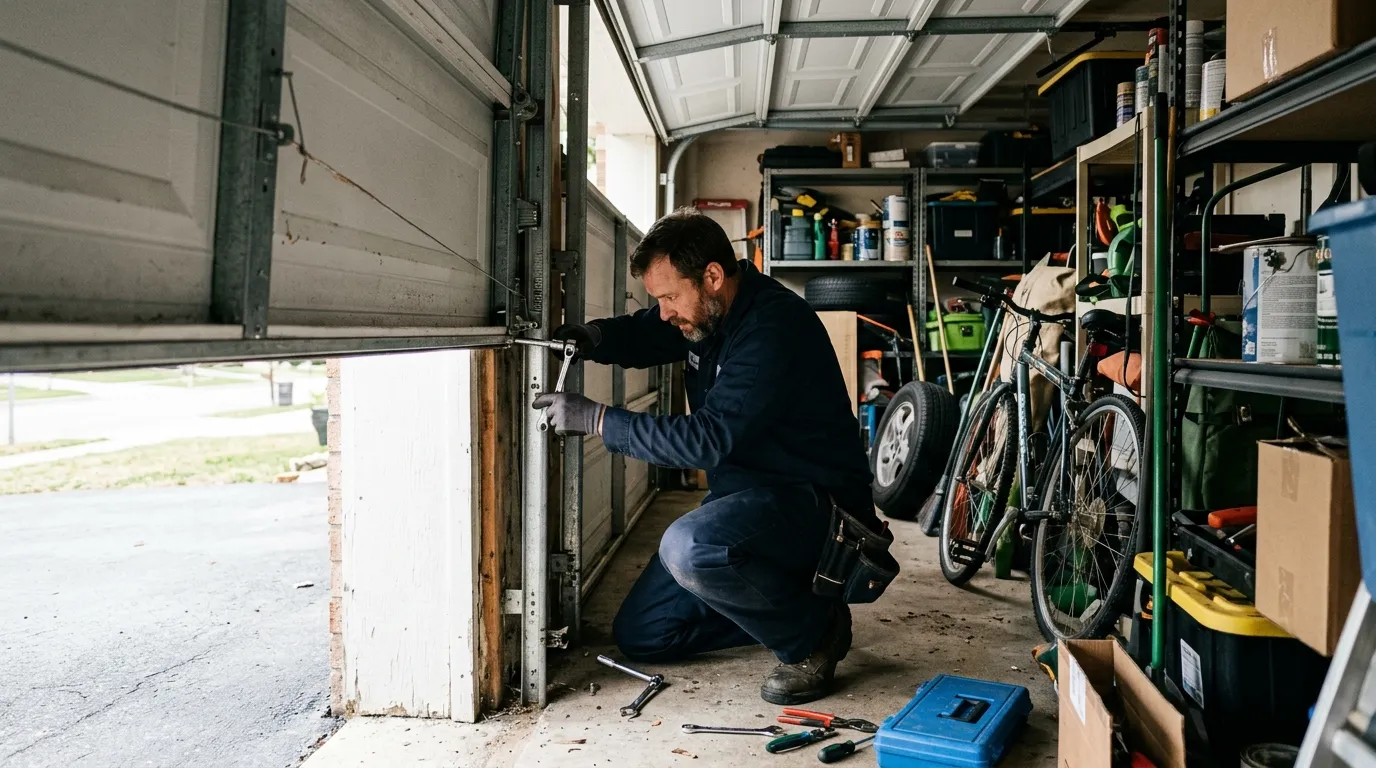
The common failure we see on doors from that era is a bottom panel that's taken a hit from a mower, a trailer, or just years of a car bumper tapping it - the steel skin dents inward, the seam between sections starts to gap, and eventually the panel won't hold a screw for the hinge anymore. On older stock at the far end of that build range, foam-core panels can also delaminate at the edges, which shows up as a soft spot you can push in with a thumb.
With 1,129 households in the area we're covering here, panel damage on a 1985-era door is a repair we see often enough to know which manufacturers still stock matching sections and which ones stopped making that profile years ago. That second group is where replace starts beating repair on cost alone.
Booking a Visit
We run out of Humble, about 13 miles from Crosby, so a visit here isn't a same-neighborhood stop - we schedule the trip, not a walk-in. Bring us the door's brand and, if you can find it, the model number stamped on the inside of a panel or on the end stile. That one detail tells us before we load the truck whether a matching panel is still sold or whether we're quoting full-door replacement instead.
A photo of the damage helps too, especially a shot that shows whether the dent is cosmetic or has actually cracked the steel skin or split a seam. Cracked steel and split seams don't get better with a patch - they get replaced. We'll tell you straight which one you're looking at before we come out, not after.
Doing It Yourself
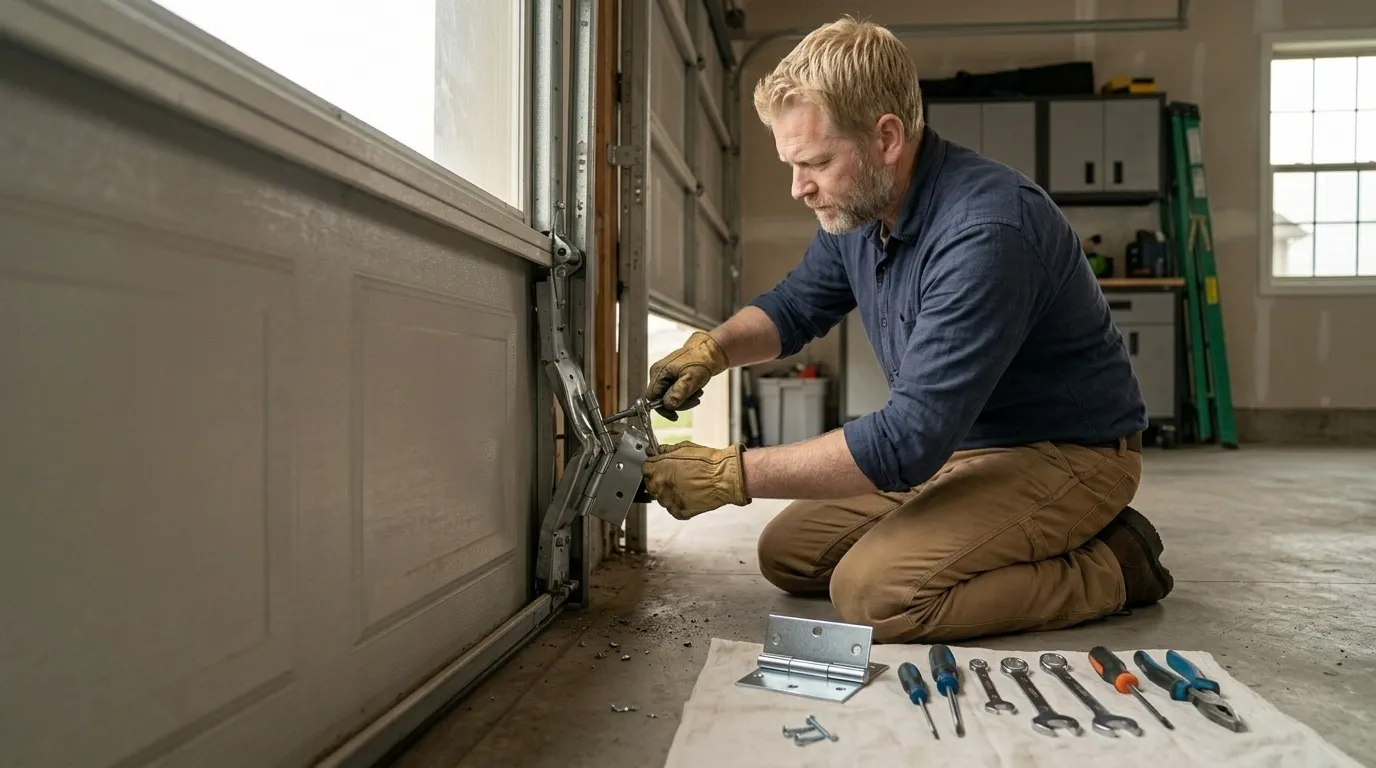
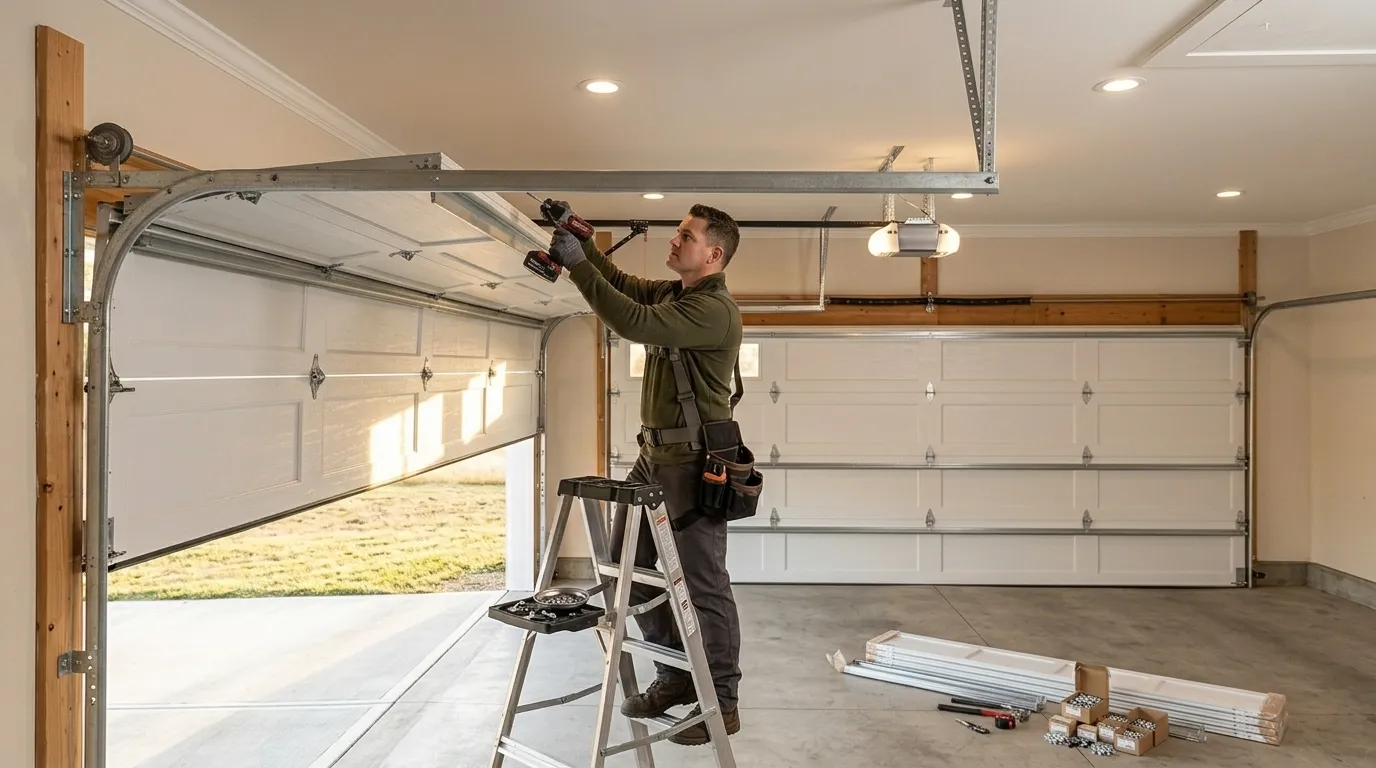
Panel replacement is one of the few garage door jobs where a handy homeowner can get partway there - unbolting hinges and swapping a section isn't complicated if you've got the right panel in hand. Where people get stuck is sourcing that panel: matching the exact profile, color, and window cutout on a door built around 1985 usually means calling the manufacturer directly, and a lot of builder-grade doors from that period were sold under names that no longer exist.
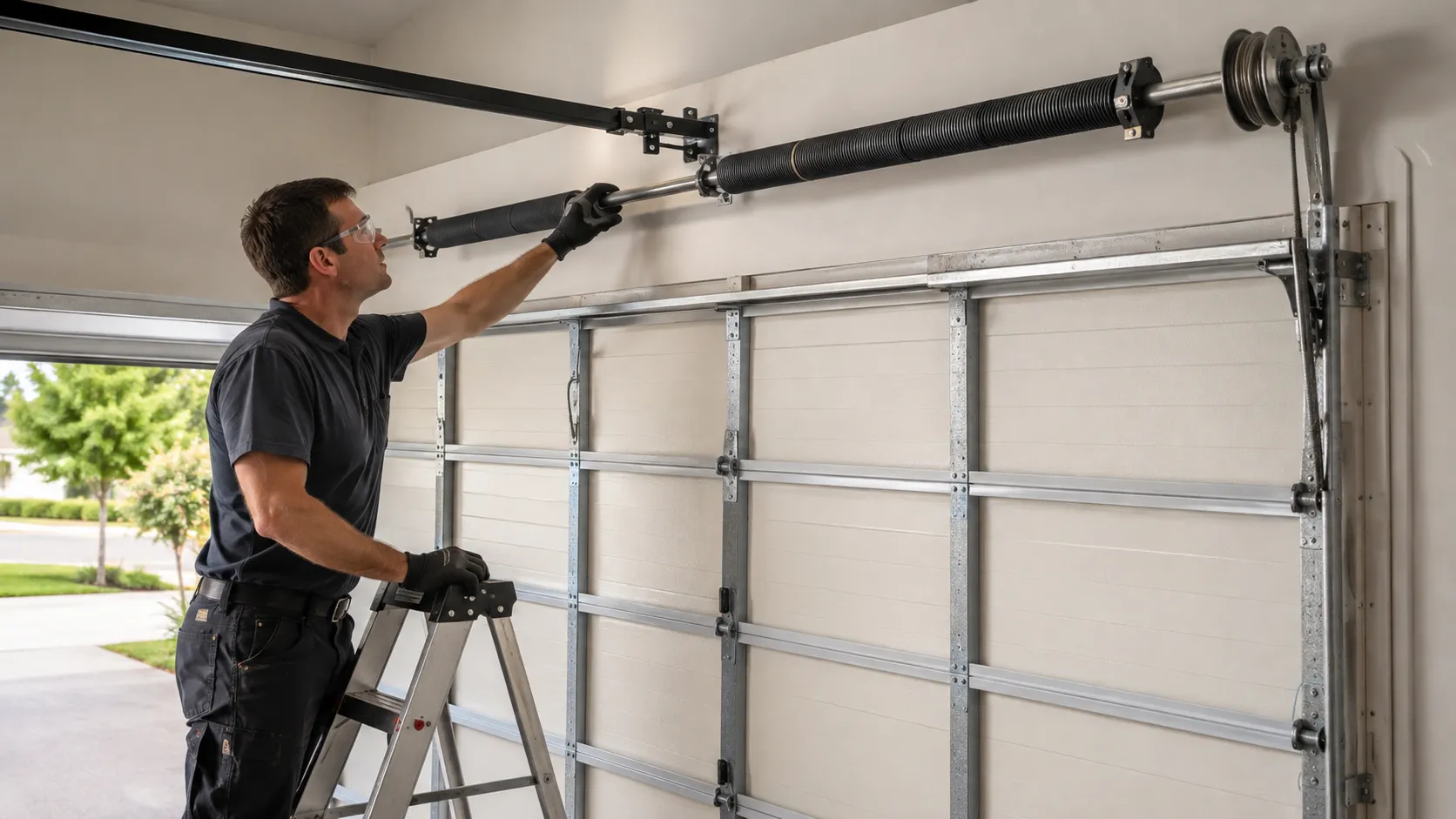
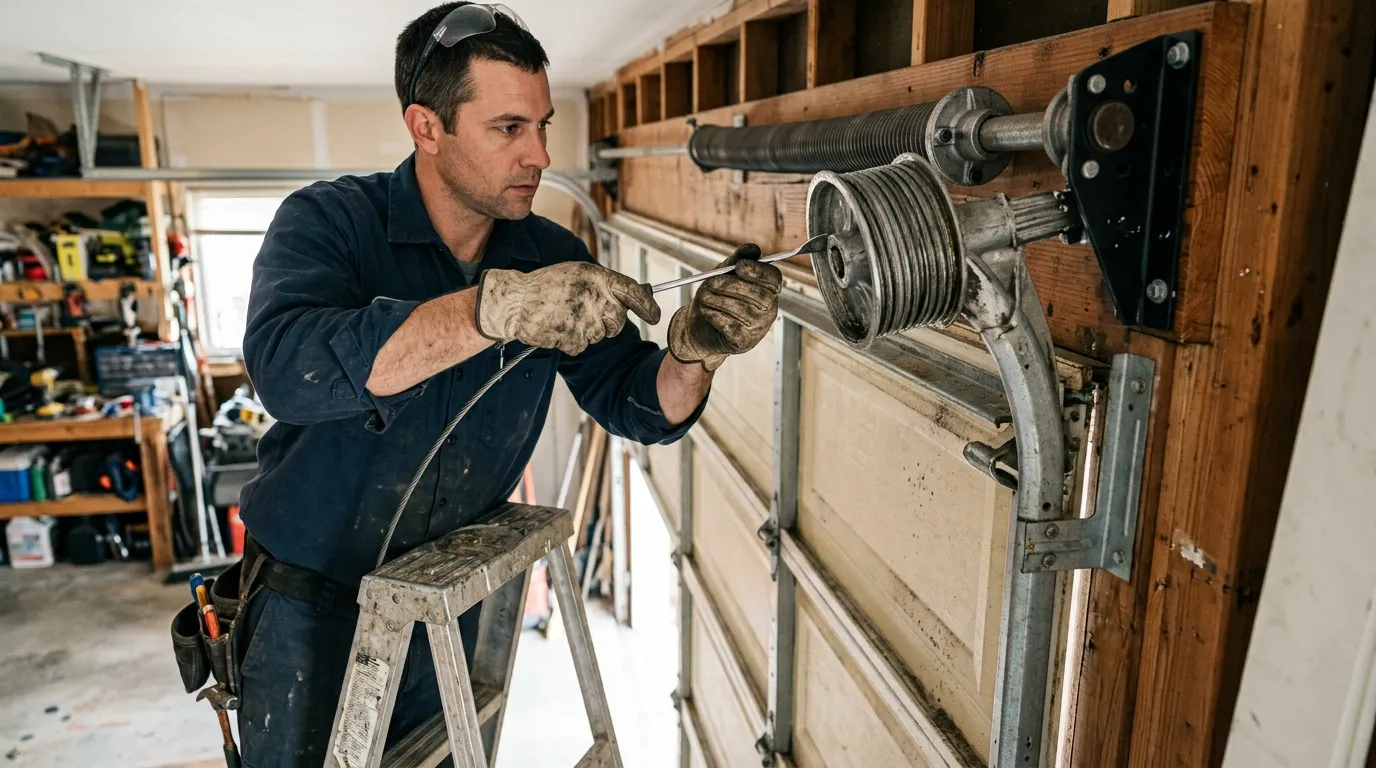
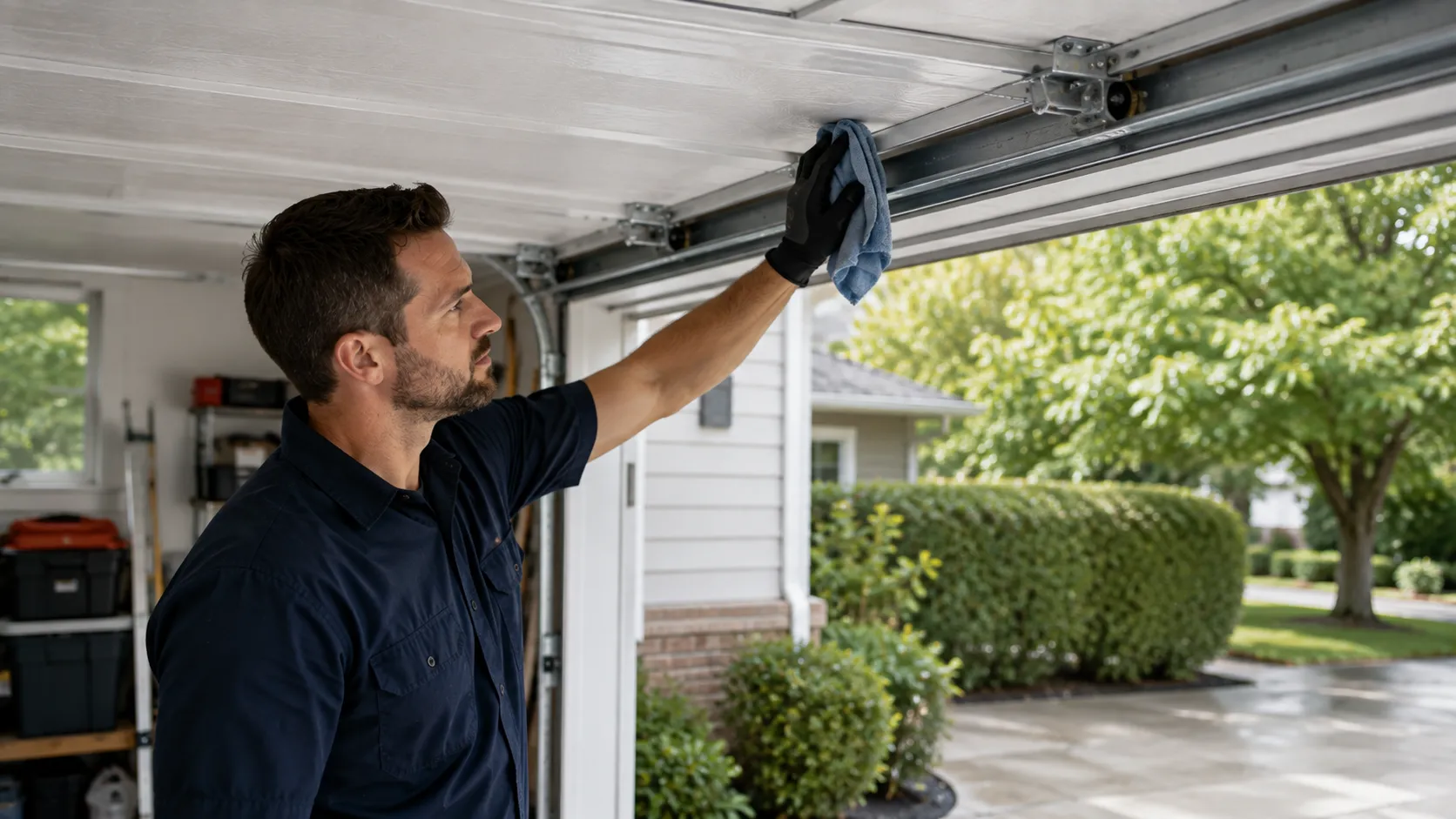
The other risk is the door's balance. Pull one panel out of a sectional door and the remaining sections shift weight onto the track rollers and the spring differently than before - on a door that's already older, that's often what triggers a track derailment or a roller failure a week later. If you're set on doing the swap yourself, at least have us or someone qualified check the spring tension and track alignment after.