
What Can Go Wrong
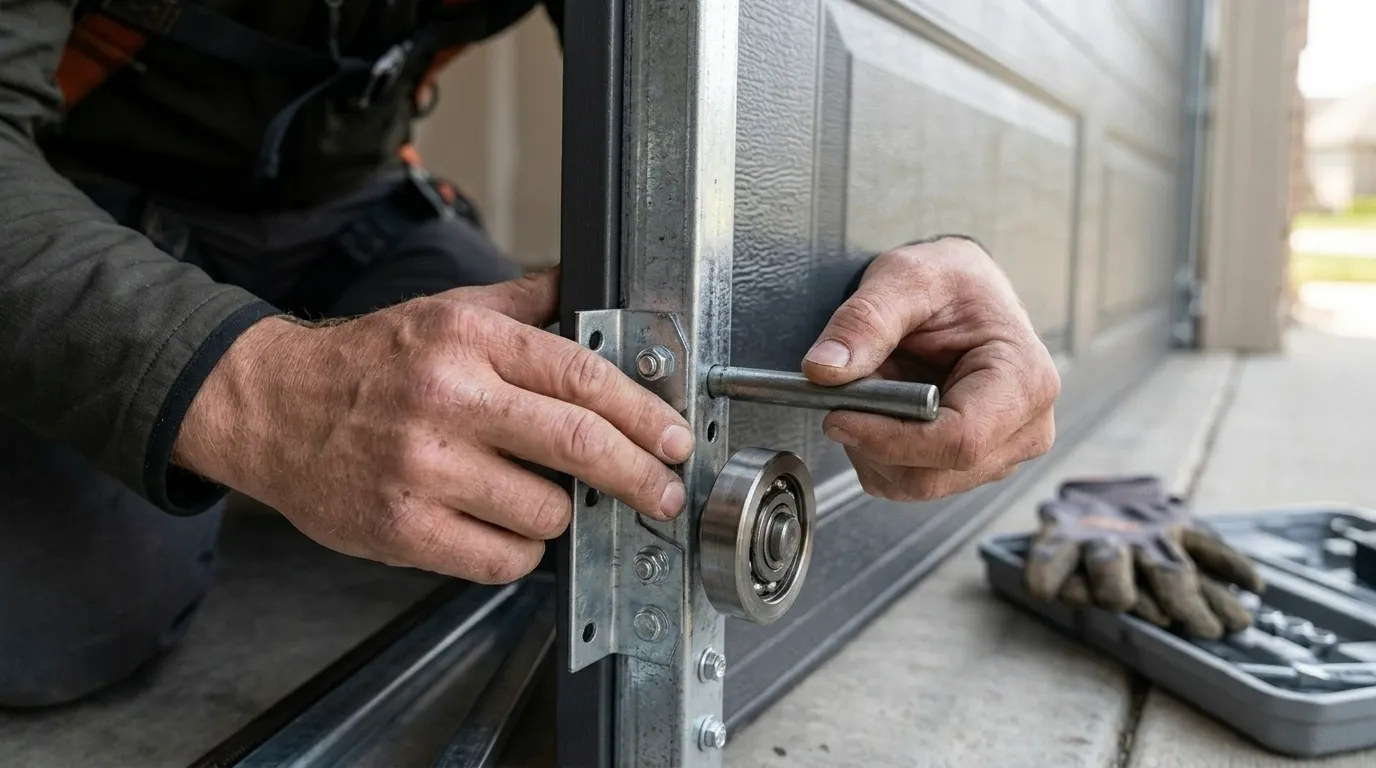
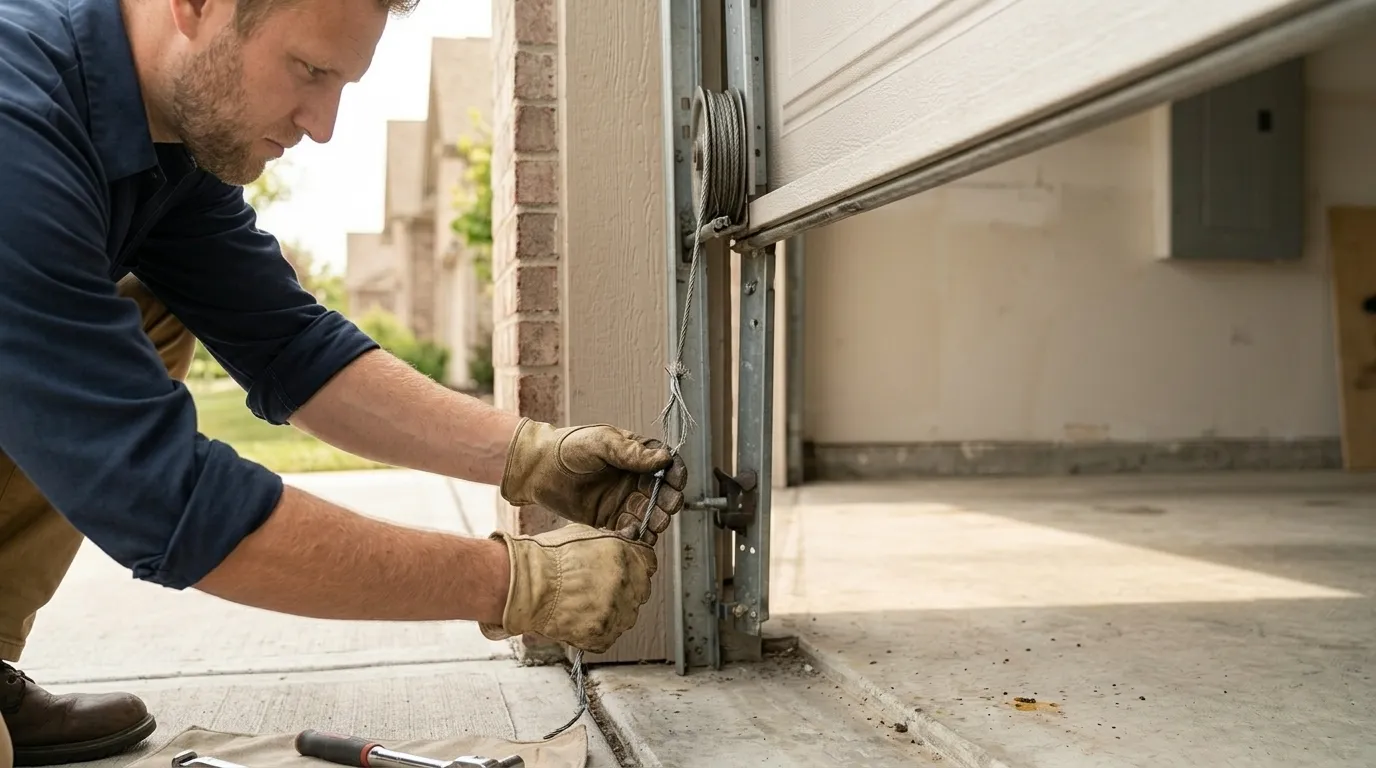
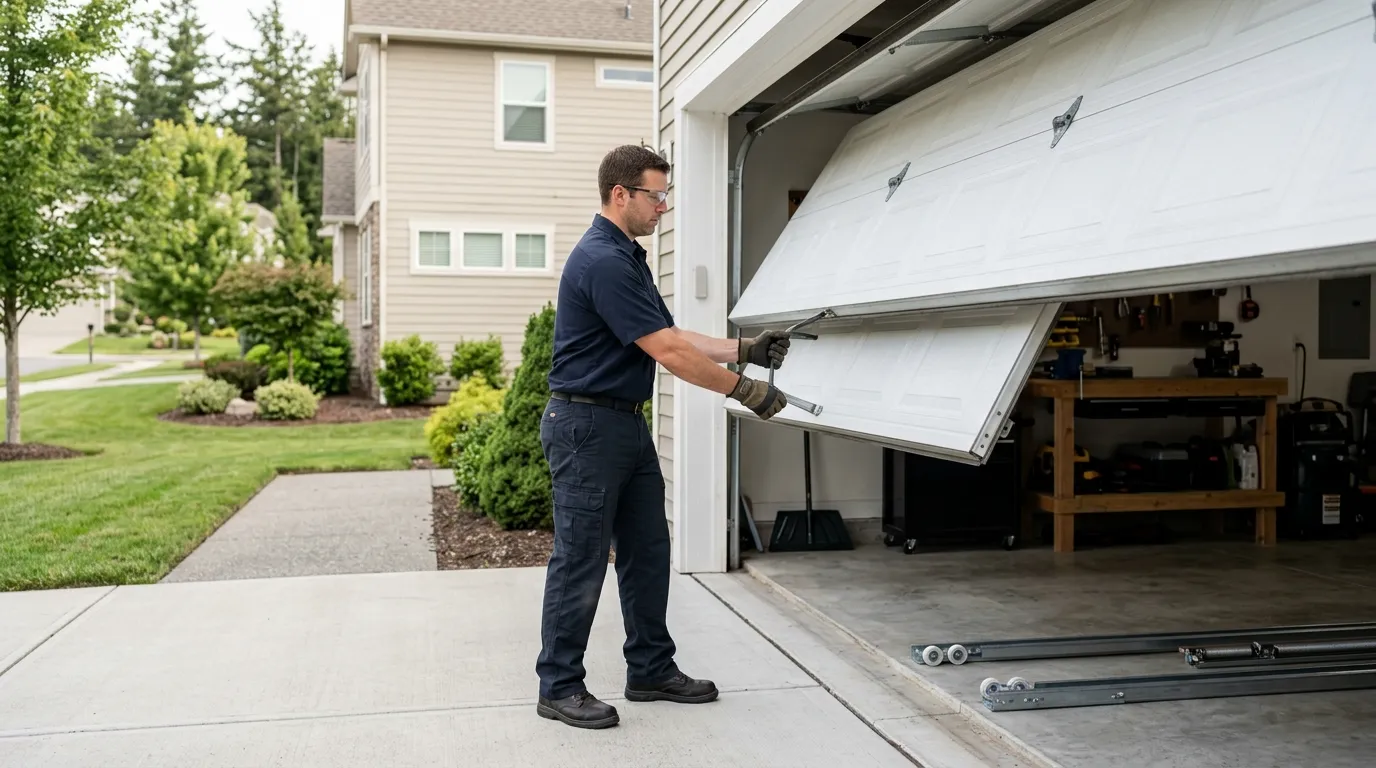
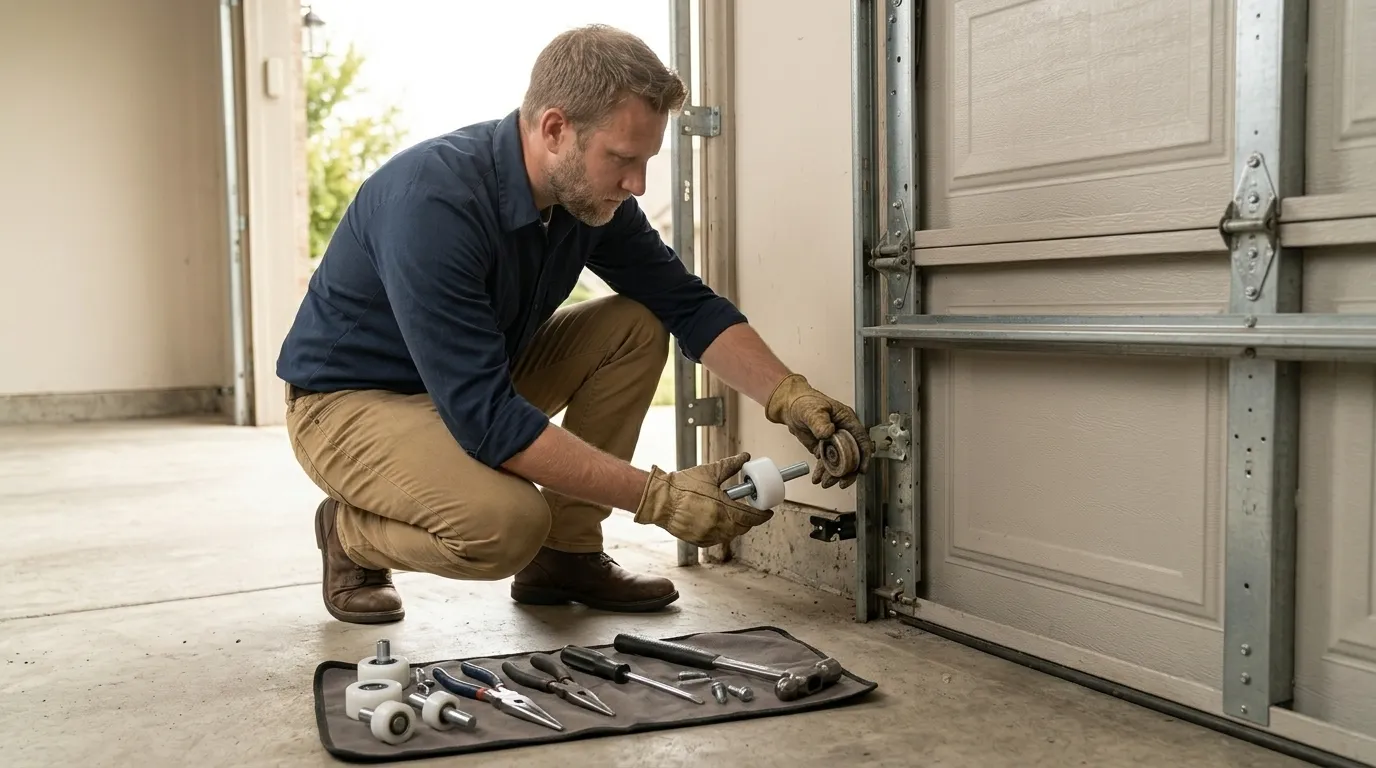
Crosby sits about 13 miles from our shop in Humble, and the housing stock out here runs a little newer than the median across the rest of our service area. Across the wider territory the typical house dates to 1981, but Crosby's median build year lands closer to 1985. That four-year gap doesn't sound like much until you're standing in front of a broken spring, because it puts more Crosby doors into the era when torsion springs on galvanized shafts became the standard setup, rather than the older extension-spring-and-side-track jobs still common on some of the pre-1981 stock elsewhere. That matters for diagnosis: a torsion spring that snaps usually announces itself with a loud bang and a door that won't budge, while a failing extension spring on the older setups tends to sag and drag before it lets go. Either way, the failure point is almost always the same part doing the same job for thirty-plus years - lifting a door that's gotten heavier with age, dirt, and the odd amateur repair. We also see cable fraying and bent bottom brackets from springs that failed unevenly, which throws the door off its tracks. None of this is exotic. It's ordinary wear catching up with hardware that was never meant to last forever.
Booking a Visit
We run out of Humble, so a Crosby call means a truck making the 13-mile trip, not a local branch parked around the corner. That's worth saying plainly: we don't pretend to have a yard in Crosby, and we're not going to promise a response time we can't back up from that distance. What we can tell you is that spring jobs are quick once we're on site - most doors take one visit, one tech, and the right spring size for your door's weight and width. Tell us the door's size and whether it's a single or double when you call, since that changes which spring we load on the truck before we leave Humble. If you can, snap a photo of the broken spring or the coil itself; it saves a guess on the size and can mean the difference between one trip and two.
Doing It Yourself
Torsion springs are wound under enough tension to break a wrist or worse if the winding bars slip, and we won't walk anyone through doing it themselves. What you can safely do is diagnose which spring type you've got before you call - torsion springs sit on a bar above the door, extension springs run along the horizontal tracks. That alone helps us load the right part. One honest limit on our end: if your opener or logic board is also failing, we're a spring and hardware crew, not an electronics repair outfit, and we'll tell you straight if that part of the fix is outside what we handle that visit.