The Cost of This Job
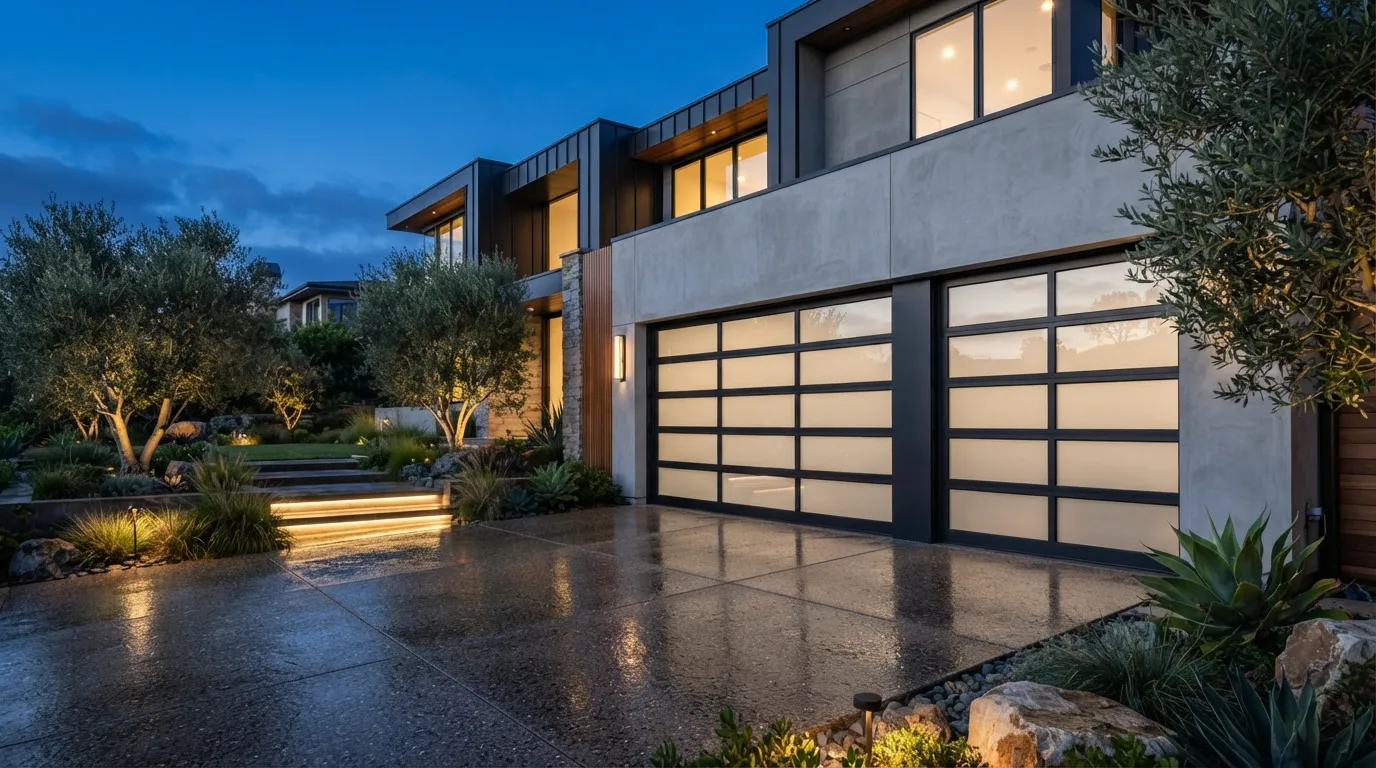
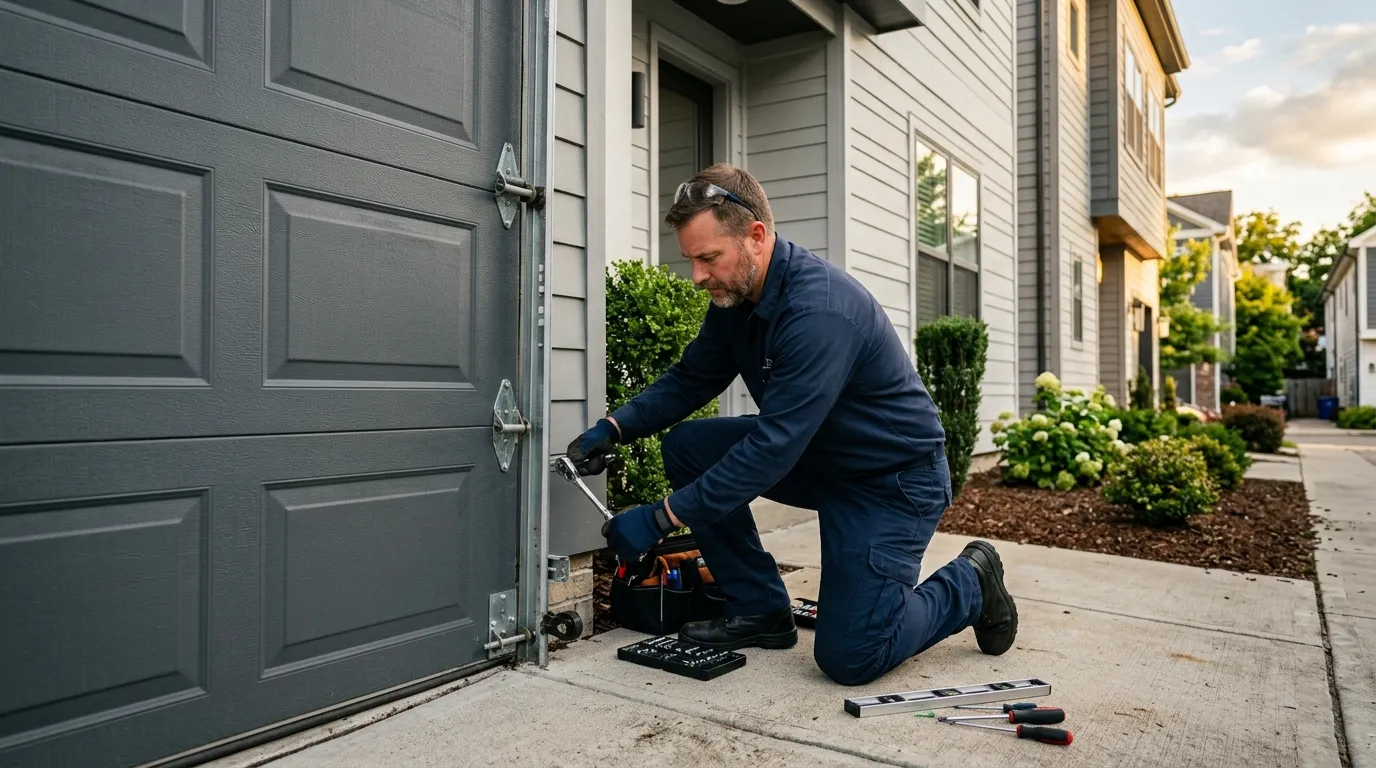
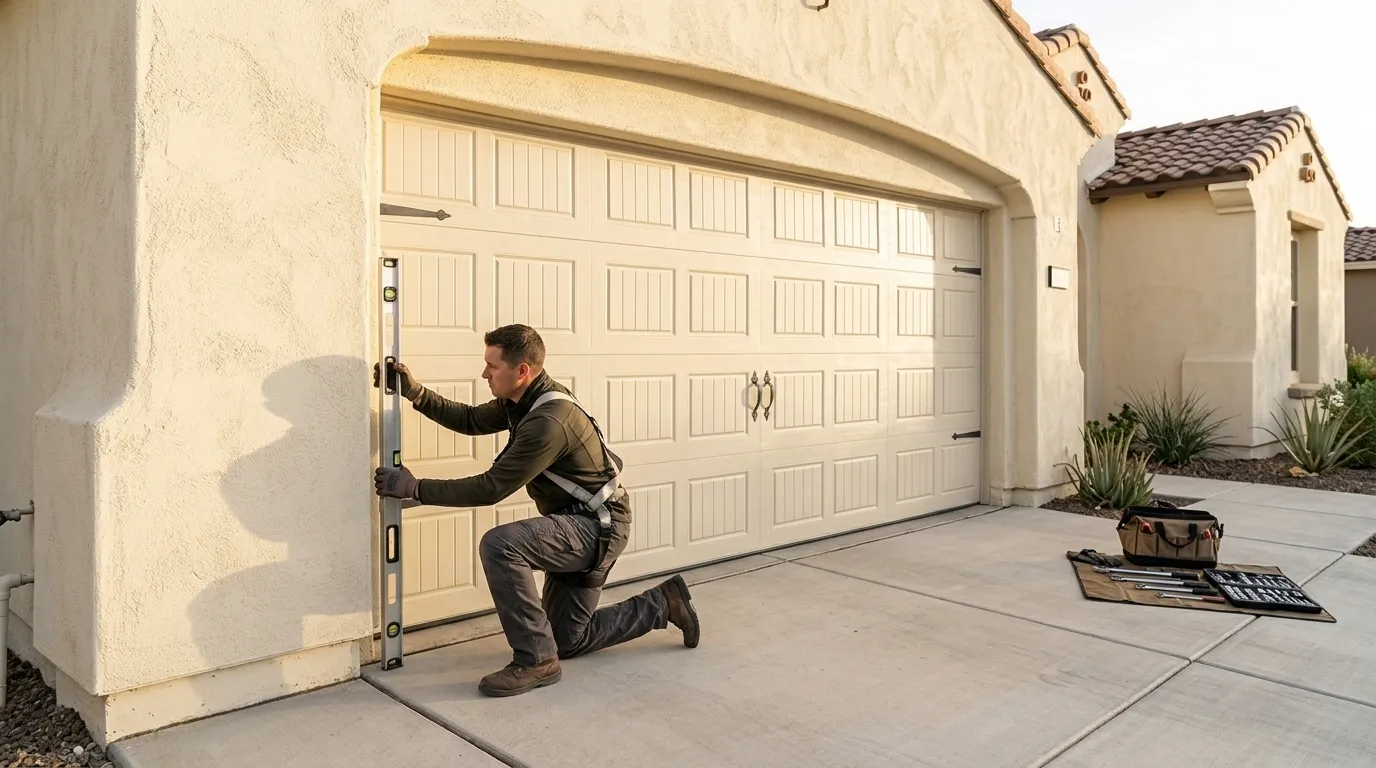
Spring Valley Village sits 20 miles from our Humble shop, and that drive shapes how a repair call here actually runs. We don't stage a truck in the village, so every job gets loaded before it leaves Humble - the right springs, the right cable gauge, the right opener logic board guessed from what you tell us on the phone, not assembled once we're standing in your driveway. That's the trade-off of covering a suburb this far out: fewer wasted return trips if we get the diagnosis right the first time, but no walk-in counter to swing by if the part's wrong. Pricing on a torsion spring swap or a cable replacement here isn't different because the town is wealthier - springs don't know your home's assessed value - but the door itself might be. Median household income in Spring Valley Village runs well above the income figure for our wider service area ($227,857 against $70,478 area-wide), and higher-income pockets like this one tend to carry heavier insulated doors, belt-drive openers with battery backup, and steel doors with higher-cycle springs rated for more daily opens. Heavier door, heavier spring, higher parts cost. We quote the door in front of us, not the zip code, but it's worth knowing why a Spring Valley Village estimate can run higher than a same-size job in an older, lighter-door neighborhood closer to Humble.
What Can Go Wrong
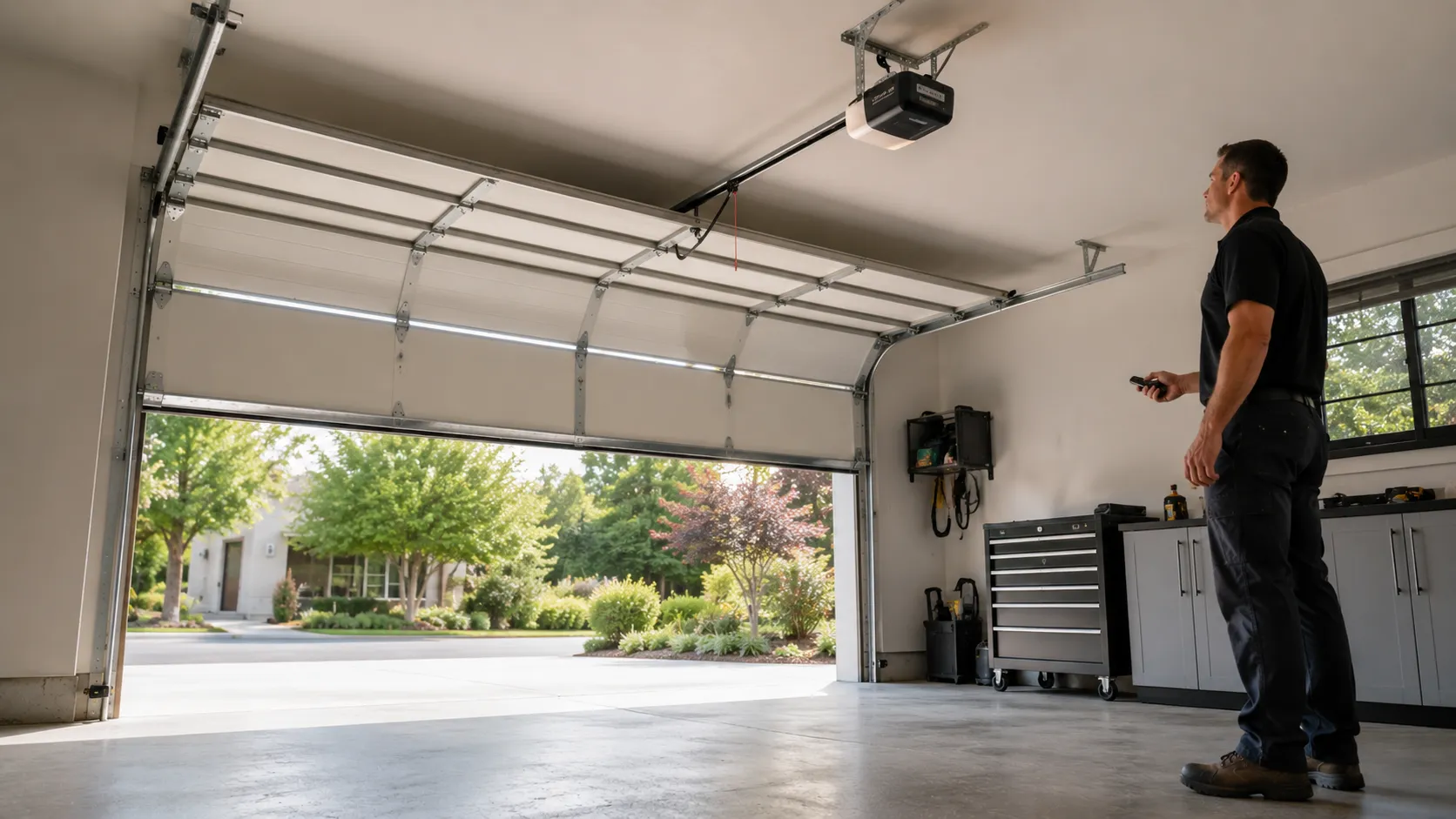
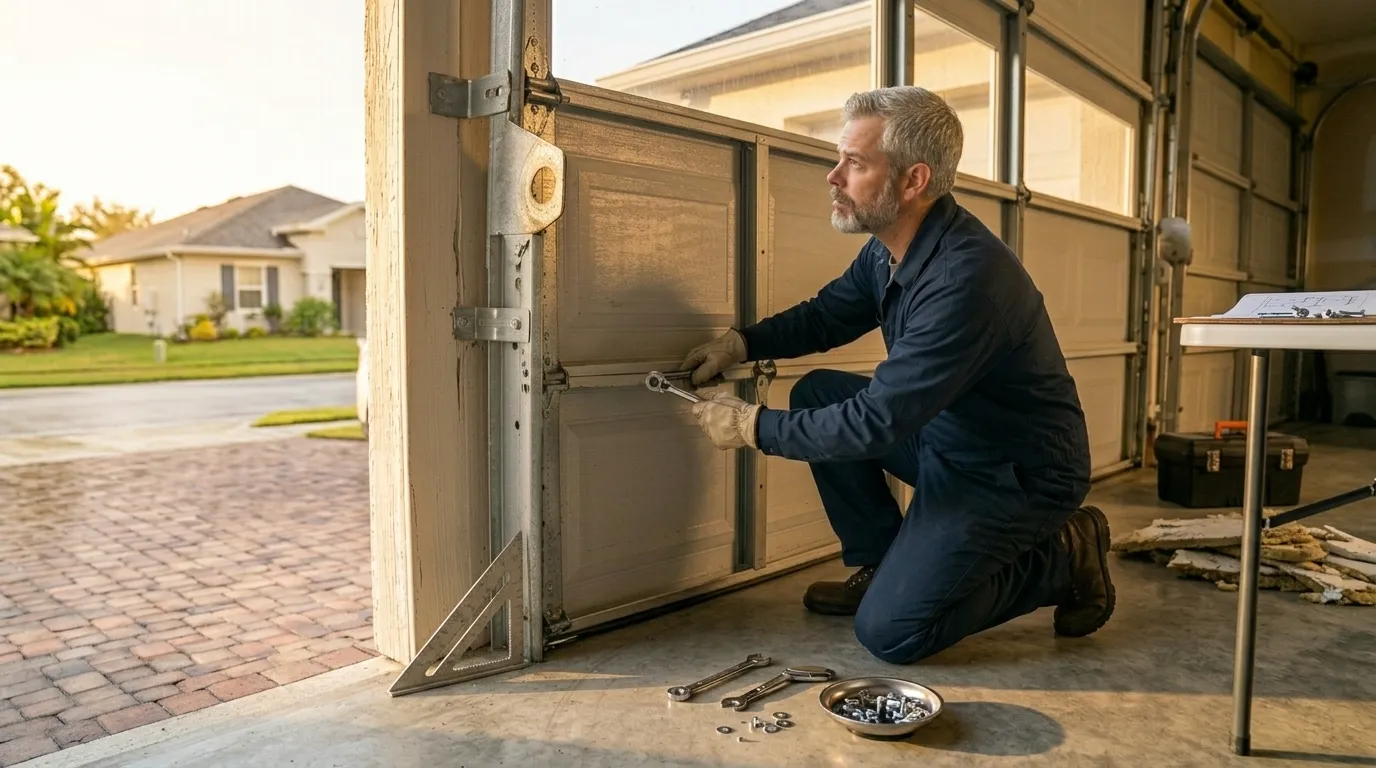
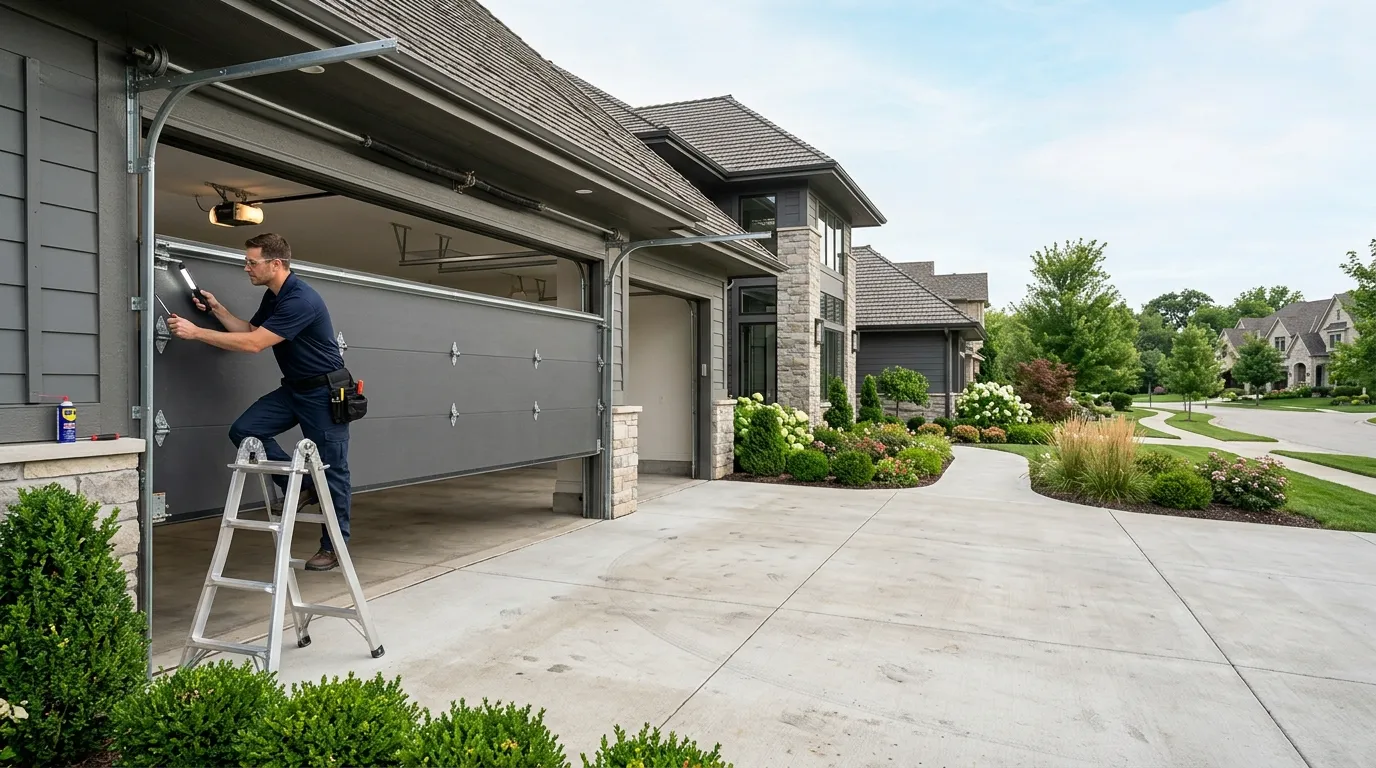
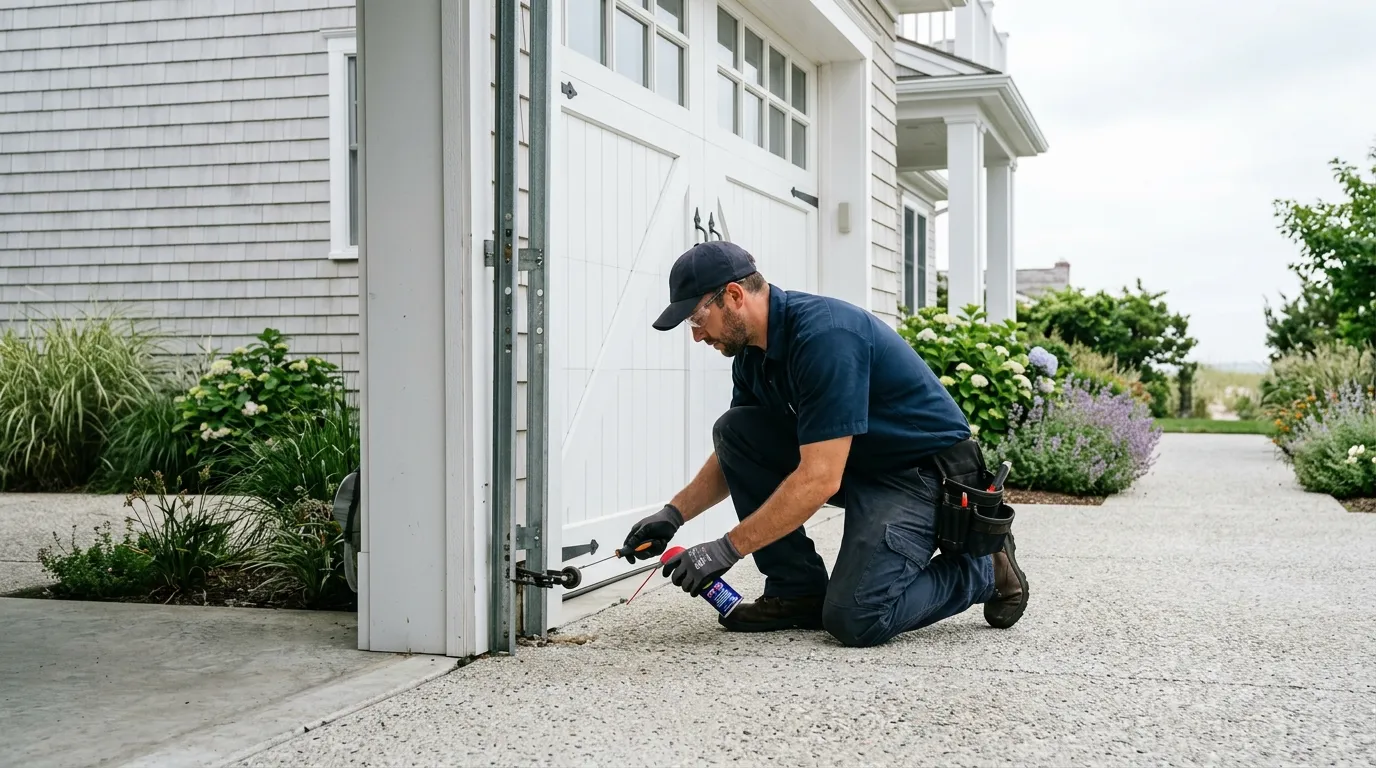
Homes in Spring Valley Village cluster around a 1981 build year, which puts most original garage door hardware at over four decades old if it was never replaced. That generation of door came with steel torsion springs rated for a service life measured in cycles, not years, and a spring installed when the house went up has almost certainly outlived its rated cycle count by now, whether it's failed yet or not. The failure mode is usually sudden: the spring snaps under tension, the door won't lift, or it comes down hard and uneven because only one cable let go. Openers from that build era, if they're original, are chain-drive units with no soft-start or soft-stop, which puts more shock load on aging track brackets every single cycle. We also see galvanized hardware from this period pitting where it's been exposed to humidity swings - this area sits in a mild climate with occasional freeze, so corrosion is slow but constant, not the harsh freeze-thaw cracking you'd see further north. The honest limitation: if a torsion spring from 1981 hasn't been serviced or replaced, we're not going to tell you it just needs a tune-up. At that age, the responsible call is usually full spring replacement, not a patch.
Stocked Parts
We carry torsion springs sized for the standard 7-foot and 8-foot residential door heights that match the build era common across Spring Valley Village and the rest of the service area, plus galvanized lift cables sized for both single and double doors. Given the heavier insulated doors and belt-drive openers more common in higher-income households like this one, we also stock high-cycle spring options rated above the standard residential duty cycle, which matter more here than in older, lighter-door neighborhoods. What we don't keep on the truck is anything proprietary to a specific opener brand's smart-home module or a custom panel color - those get special-ordered, and that adds lead time beyond the same-day work. If your door was installed as part of a larger renovation with a nonstandard track width, tell us that up front on the call; it changes what we load before the 20-mile drive out.
Why This Fails Locally
A door built to 1981 code and hardware standards wasn't engineered around today's heavier insulated panels or belt-drive opener torque curves, and that mismatch is where a lot of these failures start. Original torsion springs sized for a lighter, uninsulated door get quietly overloaded when a homeowner upgrades to a heavier replacement panel but keeps the old spring - a common move in higher-income remodels where the door face gets replaced but the drivetrain doesn't. Add a mild climate with occasional freeze, which doesn't crack metal the way hard freeze-thaw cycles do further north, but does let corrosion creep into pitted galvanized coating over 40-plus years, and you get springs that look fine and fail anyway. None of this is specific to any one house in the village; it's specific to houses built around the same year, carrying hardware from the same era, in this climate band. That's the pattern we're diagnosing for, not guessing at, when the call comes in from 20 miles out.