The Cost of This Job
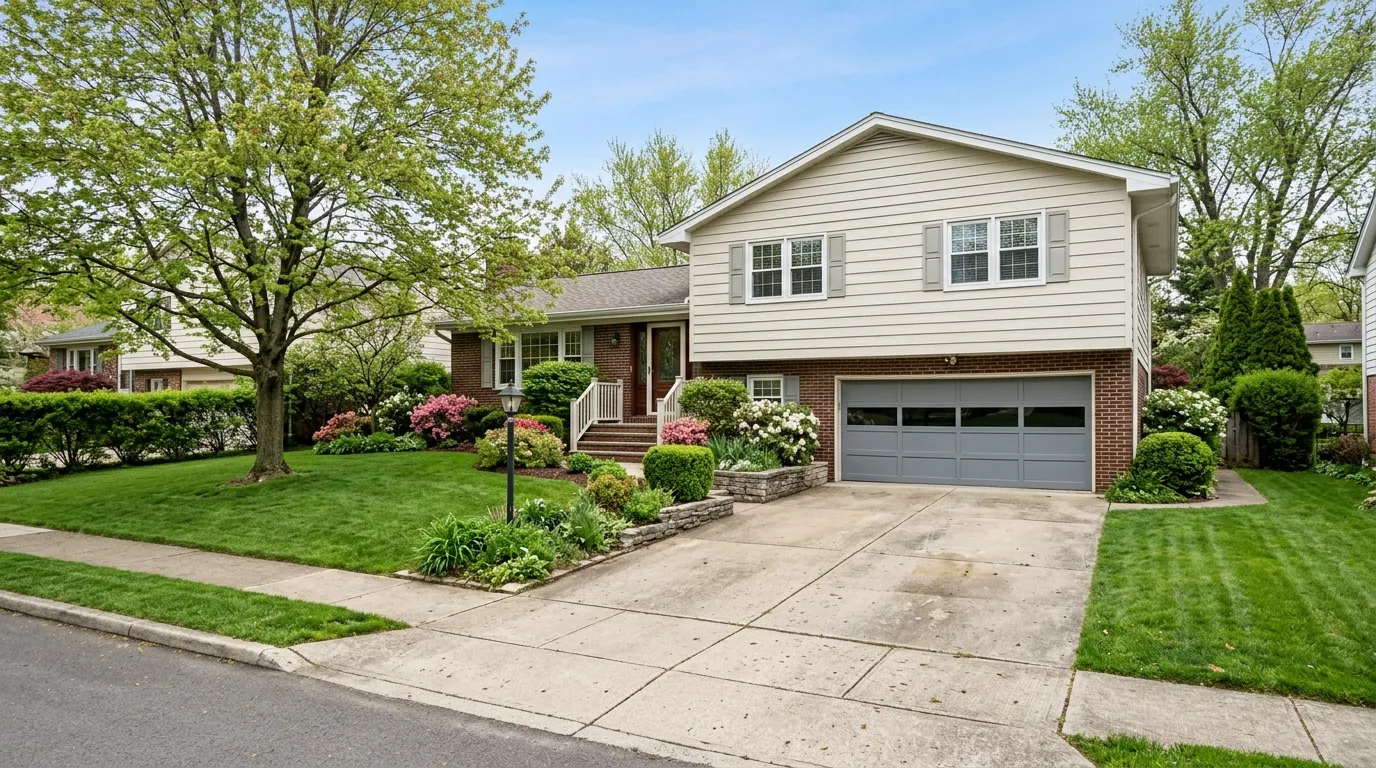
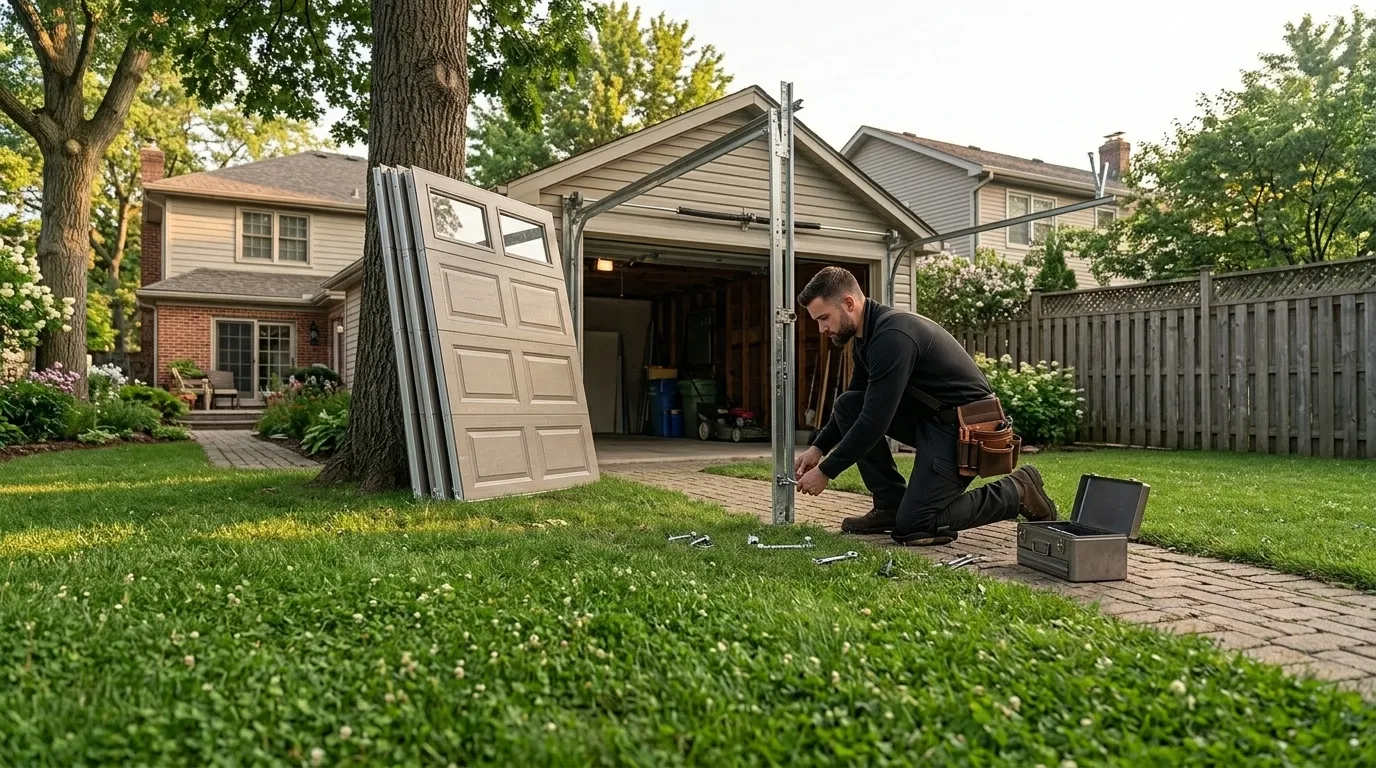
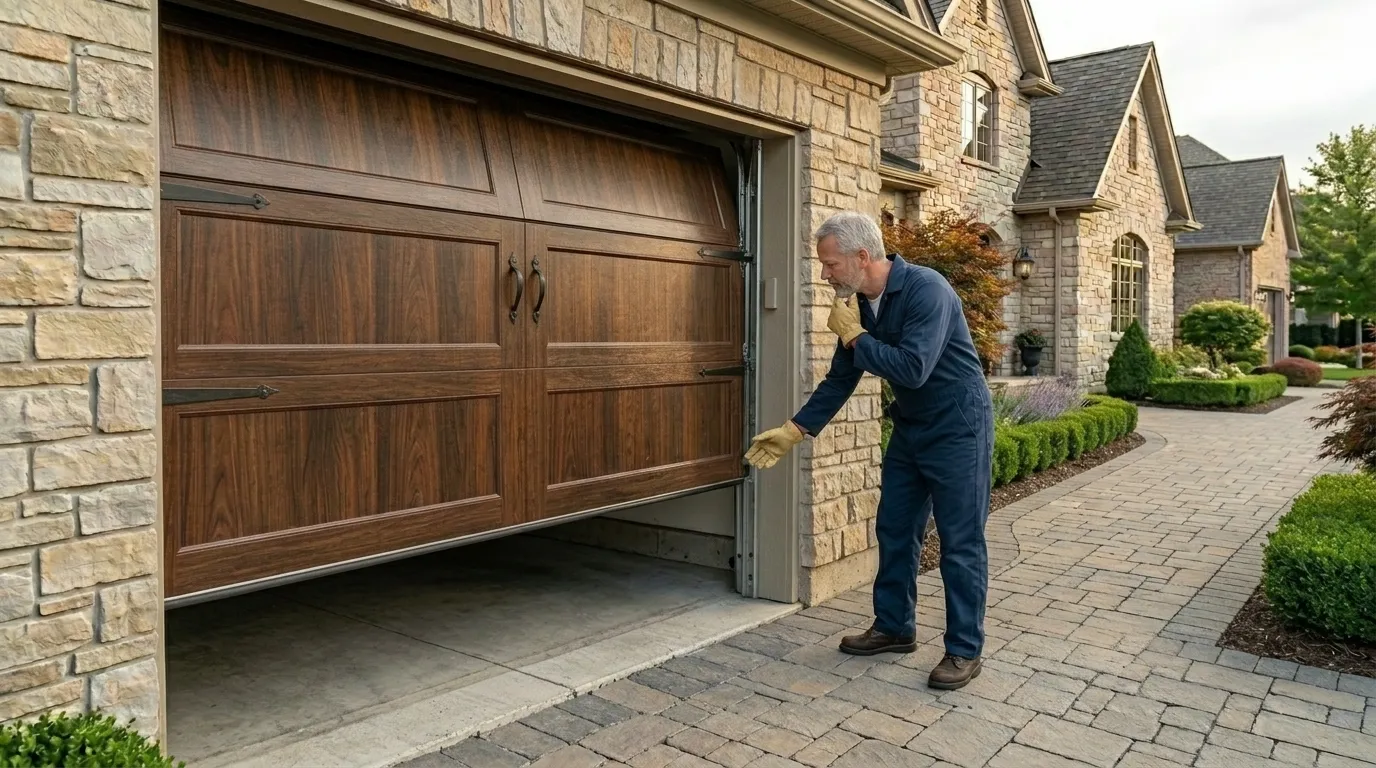
What drives the price on a panel swap here isn't labor, it's the door underneath. Most garage doors in Spring Valley Village went in around 1981, when the neighborhood filled out, and that era means steel sectional doors, often without foam-core insulation, in widths that newer manufacturers don't always stock off the shelf. A single dented or rusted-through panel on one of these doors can be a quick swap if the run is still made, or it can mean sourcing a near-match from a supplier with longer lead time. We don't quote a number sight unseen, because the difference between a stocked panel and a special order is real money and we'd rather tell you which one you're facing before you commit. Homes in this pocket tend to hold their value, and owners here more often choose a matched panel over a full door replacement when the frame and track are still sound - it's usually the cheaper and faster path, and we'll say so plainly if that's the case on your door.
What Can Go Wrong
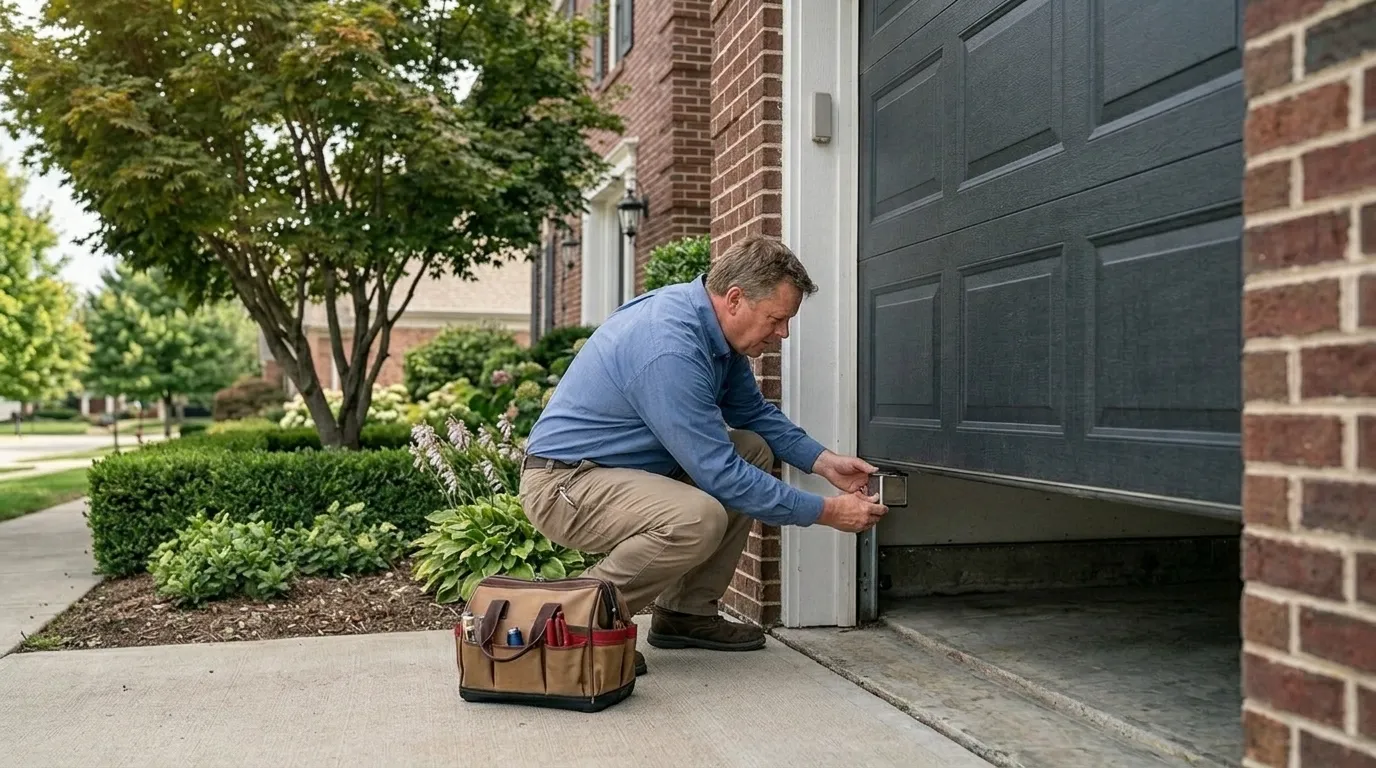
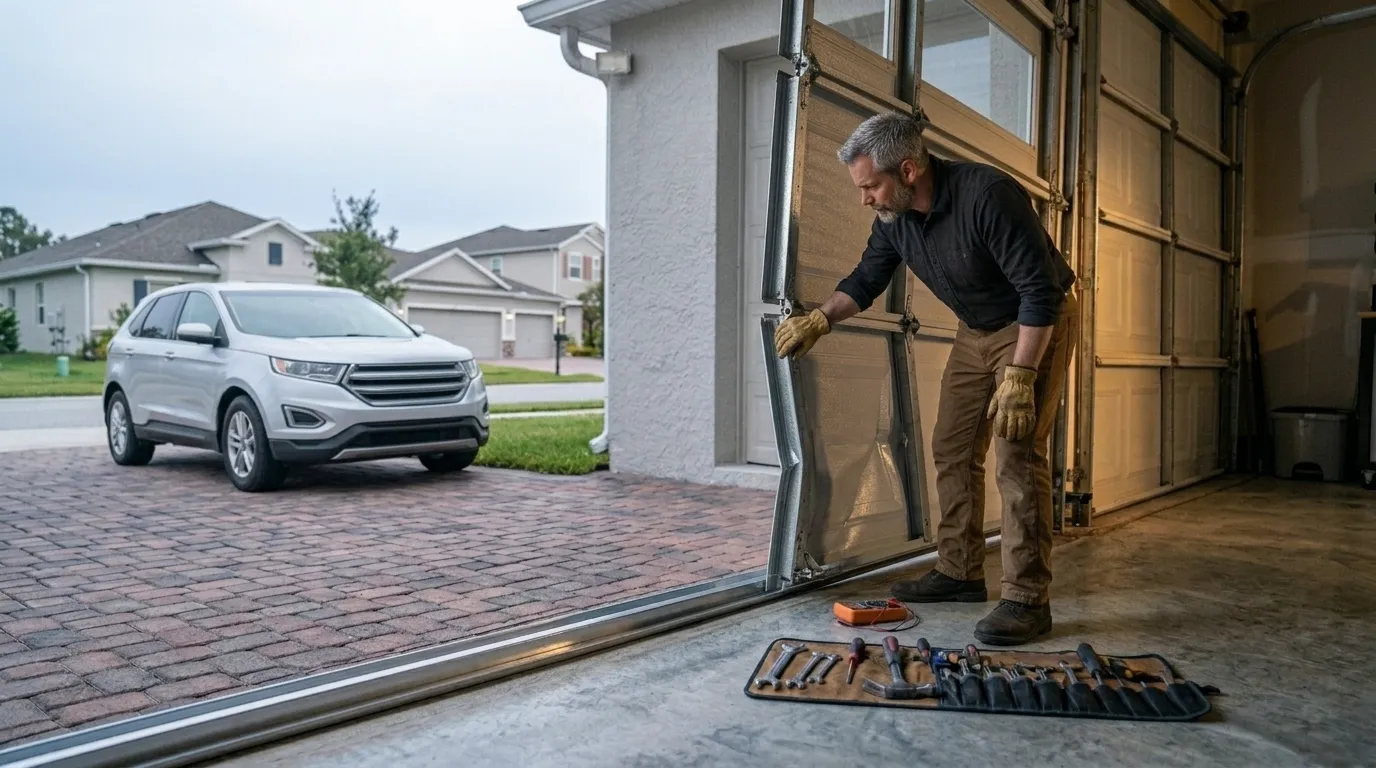
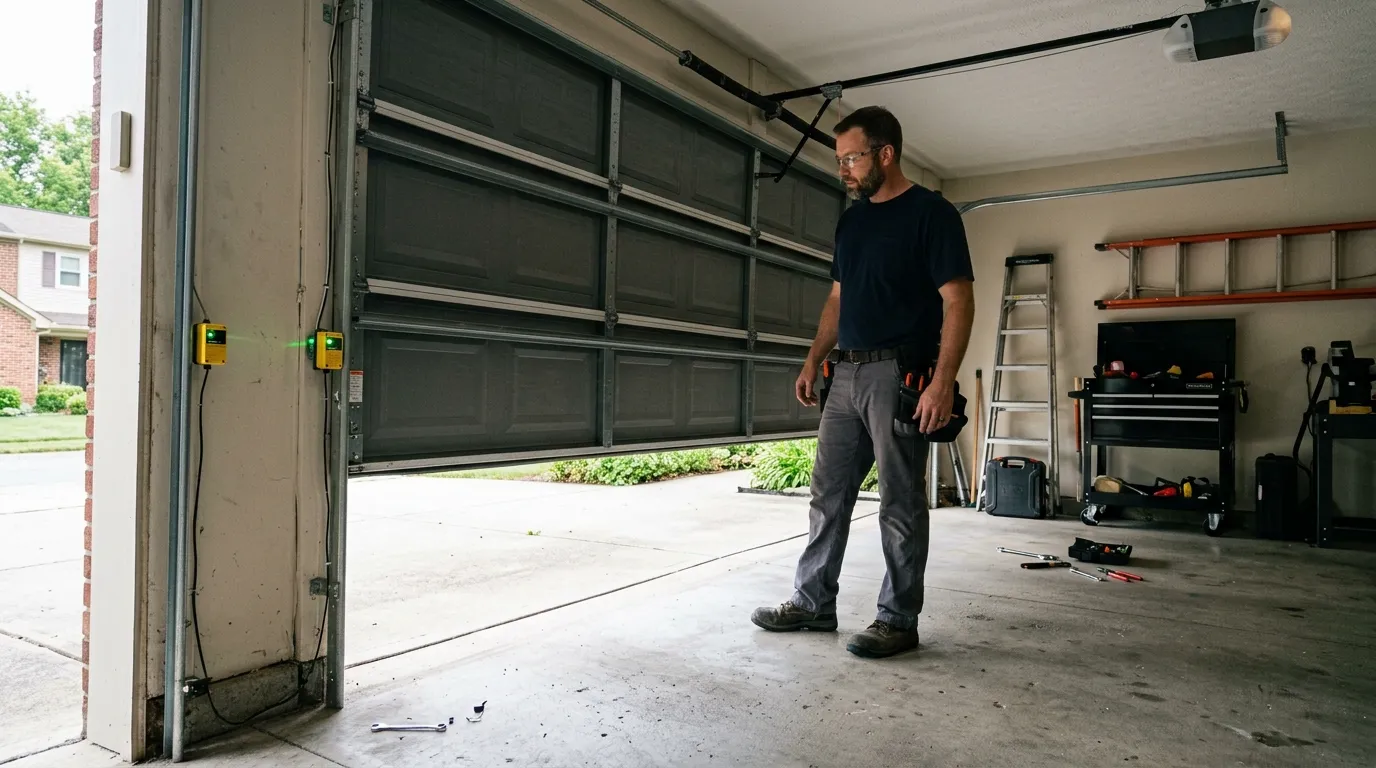
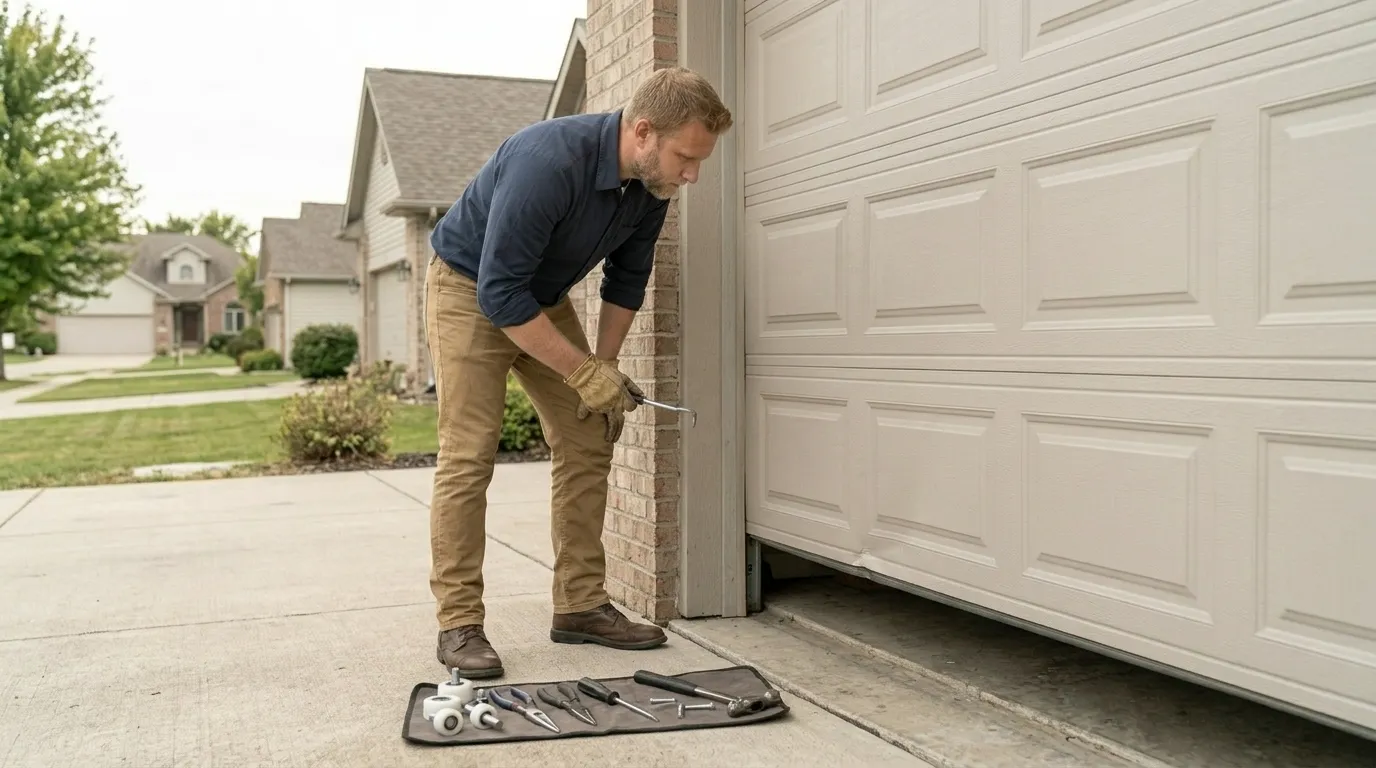
On a door built without insulation, a damaged panel is often paired with a bent section of track, because the impact that dented the steel usually knocked the rollers off line too. On these older sectional doors, the panel seams and end stiles were riveted rather than the snap-fit hardware you see on newer doors, so replacing one section without disturbing the two next to it takes more care than it looks like from the driveway. We also see hinges worn oval from thirty-plus years of cycling, which won't hold a new panel square even if the panel itself is a perfect match. The other common issue: paint and finish. A single new panel on an oxidized, sun-faded 1981 door will look like a patch unless the whole door gets a fresh coat, and that's worth deciding on up front, not after installation.
Stocked Parts
We carry common panel widths and standard steel finishes on the truck out of Humble, along with matching hinges, rollers, and the end stiles that typically go with a panel swap. What we don't carry is every discontinued 1980s profile - some of the sectional widths and rib patterns from that build era aren't made any more, and if your door falls into that group, we order the closest match and tell you honestly whether it will blend in or read as a patch. That's the one limitation worth saying up front: a perfect invisible match isn't always possible on a door this old, and we won't pretend otherwise to close the job.
Why This Fails Locally
Spring Valley Village sits about 20 miles from our shop in Humble, and because the area is a small, tightly built pocket of around 1,308 households rather than a sprawling new subdivision, the door stock here skews older and more uniform - most homes were built close together in the early 1980s, so most doors are aging out on the same timeline. The area's mild climate with occasional freezes doesn't crack steel outright, but four decades of that swing does dry and stiffen the foam gaskets and weakened rivets on doors of this age, which is exactly what turns a small dent into a panel that needs replacing rather than pounding back into shape. With household income here well above the wider service area, most owners choose to fix the door properly rather than let it slide, which is part of why matched panel work, done right, is worth the extra step of sourcing.