The Cost of This Job
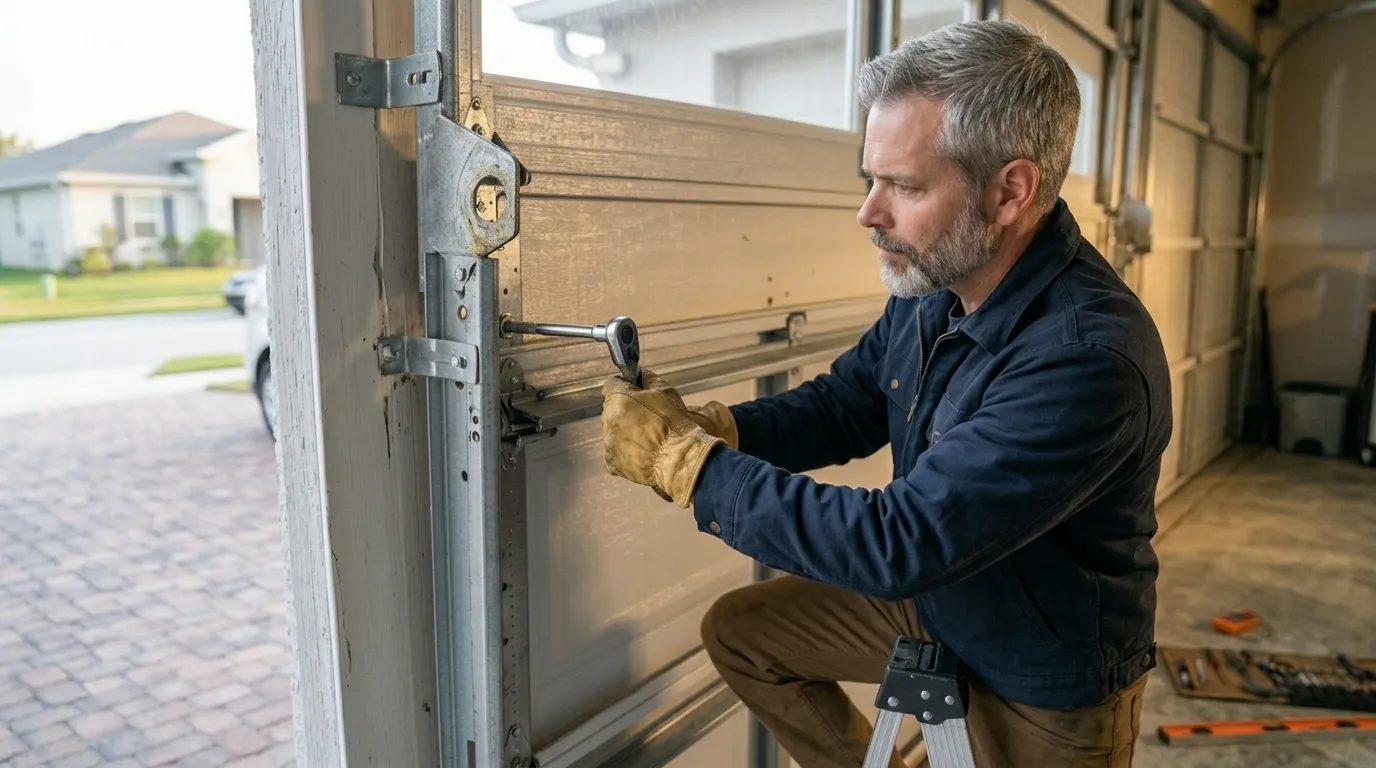
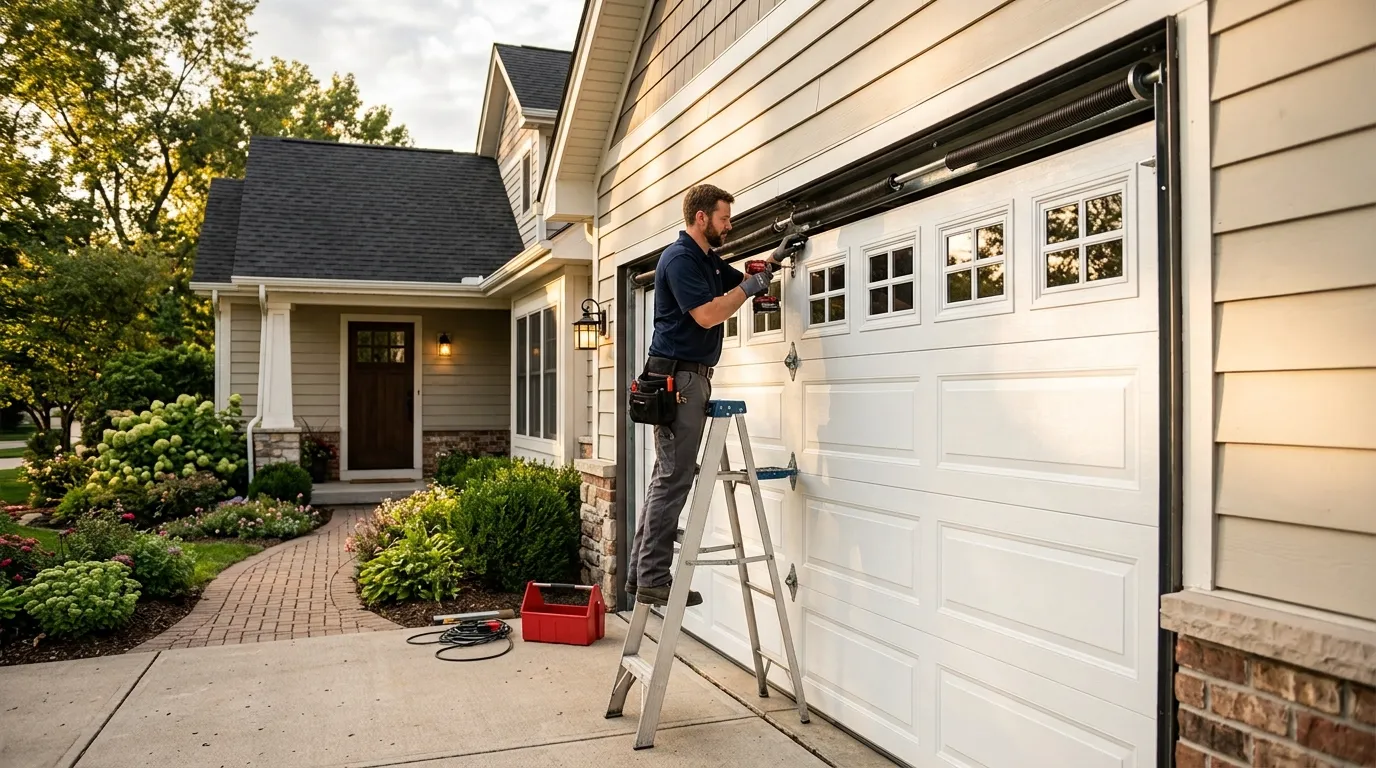
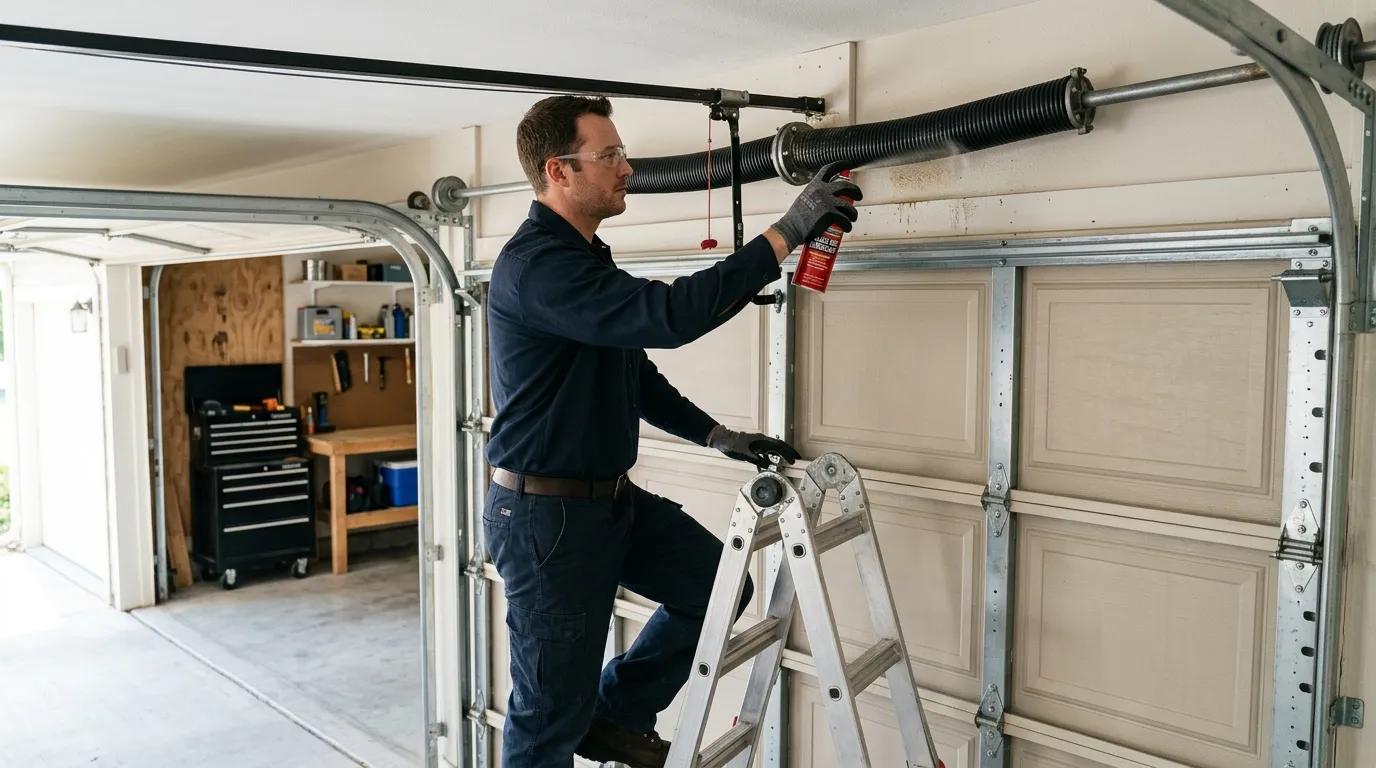
A spring job here isn't priced off a national average - it's priced off what's actually hanging in the opening. Spring Valley Village's housing stock centers on 1981, which puts most doors squarely in the torsion-spring era rather than the older extension-spring setups you'd find on pre-1970s construction. Torsion springs cost more to replace than extension springs because the wire gauge is heavier and the drum/cable setup has to come apart to get at them, but they're also safer to work on when done right and last longer once replaced with a matched pair. With household income in this area running well above the wider service area's median, we don't see a lot of owners trying to nurse a 40-year-old spring along past the point it's worth it - most call for the fix, get it done, and move on. We quote the job after we see the door, not off the phone, because door width and spring wind direction change the number.
What we can tell you without seeing the door: a single spring swap on a standard double-car opening is a different job than a matched-pair replacement, and if the drum or cable shows wear from the same age as the spring, that gets flagged before we close the truck door.
What Can Go Wrong
Doors that went in around 1981 were built to the standards of that decade, and torsion springs from that era were wound for a lighter door than a lot of homeowners have hanging now - insulated retrofits, added windows, or a heavier replacement panel installed at some point since. That mismatch is the single biggest cause of premature spring failure we see on houses this age: the spring is working harder than it was sized for, cycle after cycle, until it snaps.
The other common failure is straightforward fatigue. A torsion spring is rated for a number of open-close cycles, and a door installed in 1981 has had four decades to use them up, even with light use. Rust adds to it - Spring Valley Village sits in a mild climate with occasional freeze, so springs don't crack from cold the way they would further north, but humidity and years of sitting in a garage still pit the coils and weaken the wire faster than a dry climate would. Once a coil is pitted, it fails without much warning.
Stocked Parts
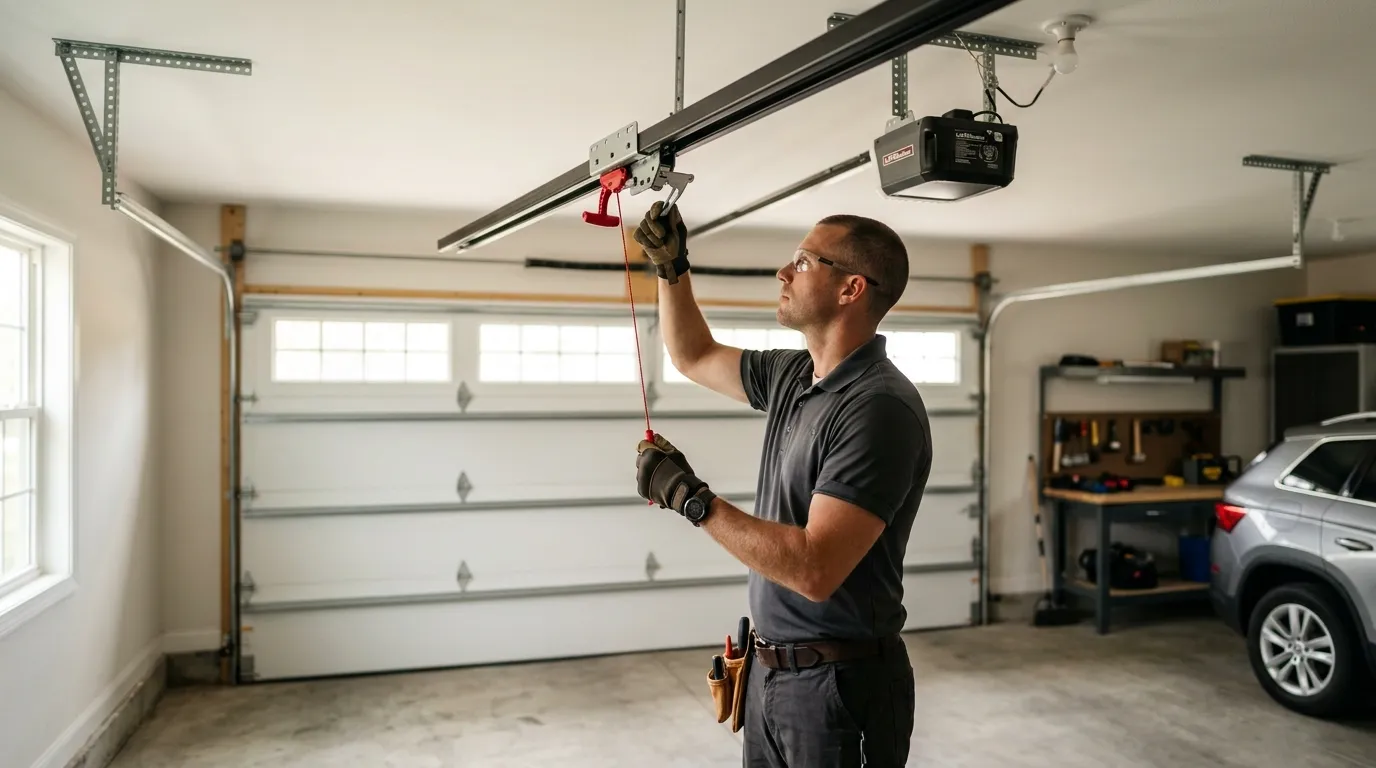
We carry the torsion spring sizes that match 1980s and 90s residential doors, since that's the bulk of what's on the trucks going into this stretch of the service area. Standard 1981-era torsion setups, common drum sizes, and matching cable are things we roll with, not things we order and wait on.
What we don't stock on the truck: springs sized for unusually wide commercial-style openings, or oddball wind counts from doors that have been re-hung or modified from their original hardware. If your door doesn't match what went in when the house was built, we may need to measure and order - we'll tell you that up front instead of guessing at the job.
Why This Fails Locally
This isn't a generic spring-wears-out story. A 1981 median build year means the torsion conversion was already standard, unlike older neighborhoods still running extension springs on side brackets. It means the spring wire, drum, and cable in most of these garages are original-era sizing unless someone's replaced them already, and it means four decades of cycles on hardware that wasn't built with today's heavier insulated doors in mind. Mild climate with occasional freeze keeps the failure mode about fatigue and moisture rather than cold-snap wire fracture. None of that is true of a neighborhood built in the 1950s or one built after 2000 - the fix, the parts, and the timing are tied to this housing stock, not to garage doors in general.