How It Shows Up
Patton Village sits 16 miles from our Humble shop, out past the closer suburbs we run every day. That drive means a call here doesn't get bundled with a same-block stop - when we head your way, we plan the trip around your job, not three others nearby. It's a factor in how the visit gets scheduled, not in the repair itself once the truck's in your driveway.
What we find once we're there tends to look different from what we see closer to Humble. Median build year across this suburb runs around 1996, noticeably newer than the 1981 median for the wider service area. That puts most Patton Village garage doors on later steel-panel construction with factory-installed extension or torsion springs, not the older side-mounted setups common in the pre-1980s stock elsewhere. Openers here are more likely chain or belt-drive units from the late 90s through the 2000s, which fail differently than the older screw-drive units we still service in other pockets.
With only about 454 households in this suburb, we're not out here constantly, but the housing age is consistent enough that we know what we're walking into before we open the panel.
What the Repair Takes
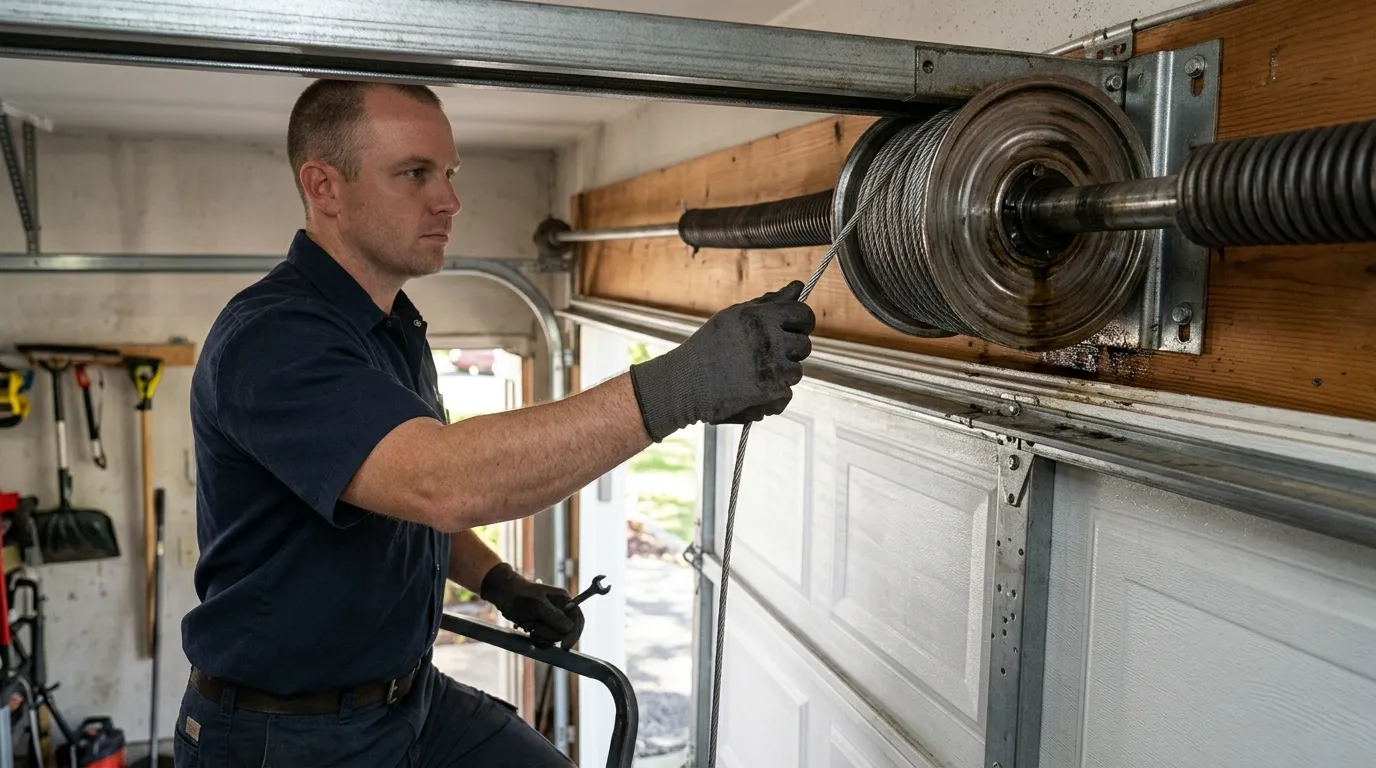
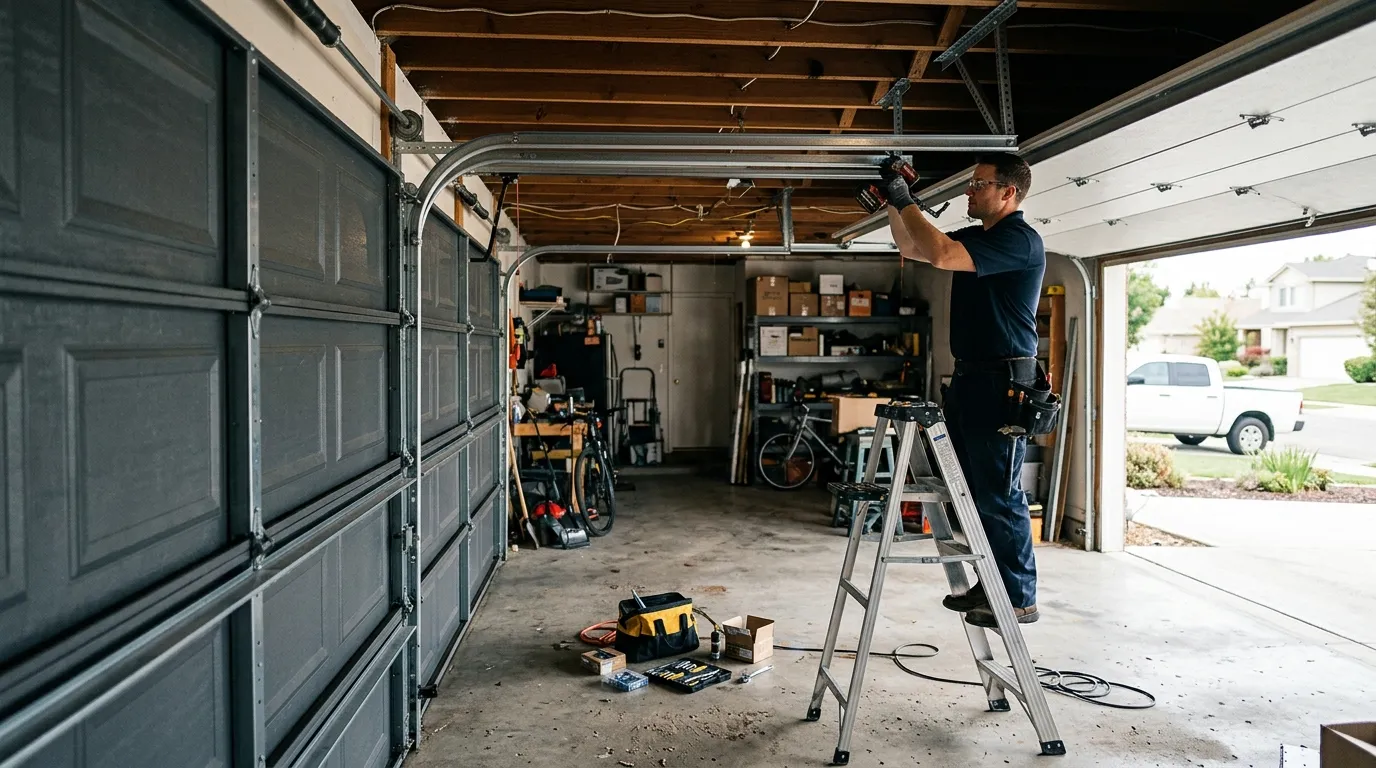
Because the housing stock leans newer here, most jobs are straightforward: worn rollers, a stretched cable, a logic board on the opener that's finally given out after twenty-some years of Houston-area humidity. Mild climate with occasional freeze (per regional climate data) means metal fatigue and rust show up slower here than in harsher climates, but it still happens, especially on doors original to a mid-90s build.
We bring standard torsion and extension spring stock, common roller and cable sizes, and opener parts that fit the belt and chain-drive units typical of this build era. If your door is truly original to a 1996-built house, some trim hardware may be an older discontinued line - we'll tell you straight if that's the case rather than promise a same-day match that isn't in the truck.
What Can Go Wrong
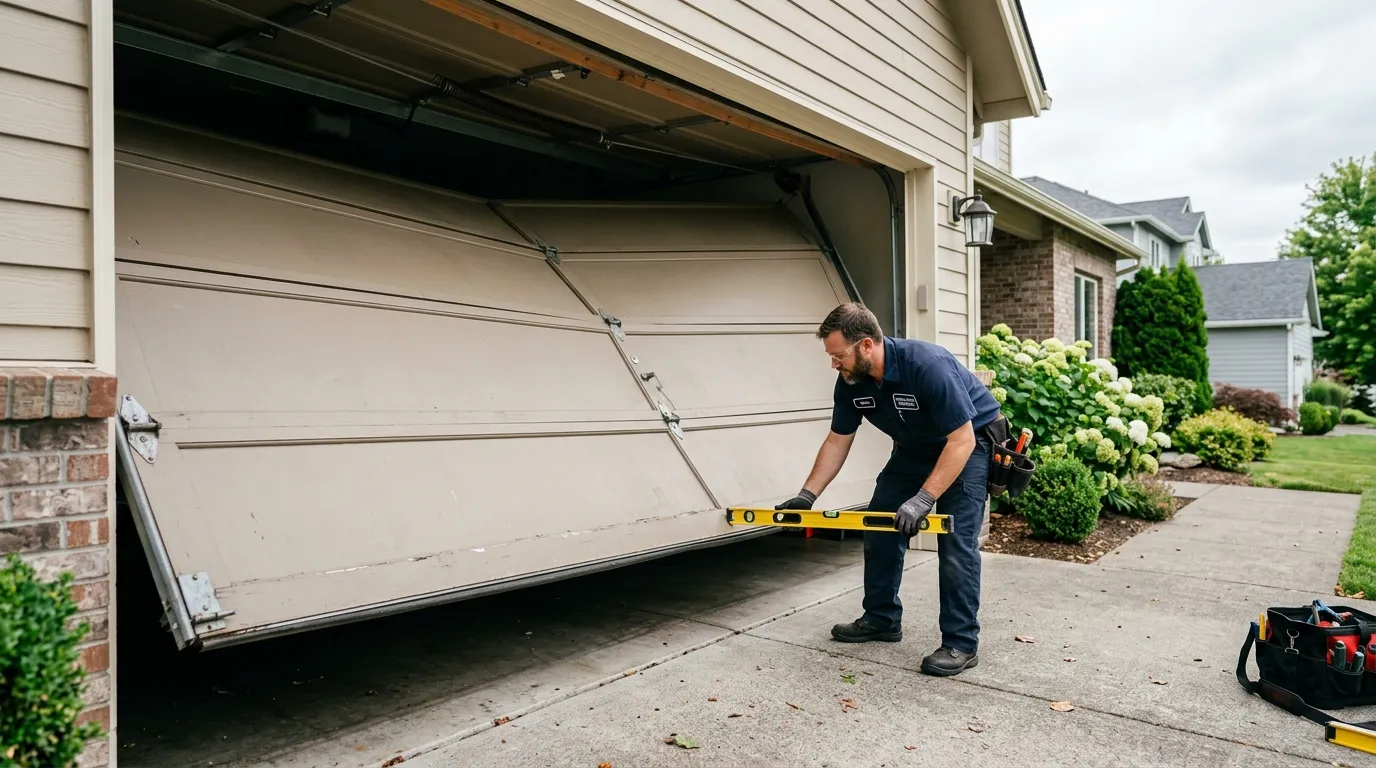
On a mid-90s door, the most common failure we see is a torsion spring that's simply worn out from twenty-plus years of daily cycles, paired with rollers that were never replaced. Extension springs on older opener setups can snap a cable at the same time, which is the call that comes in as 'the door just fell.'
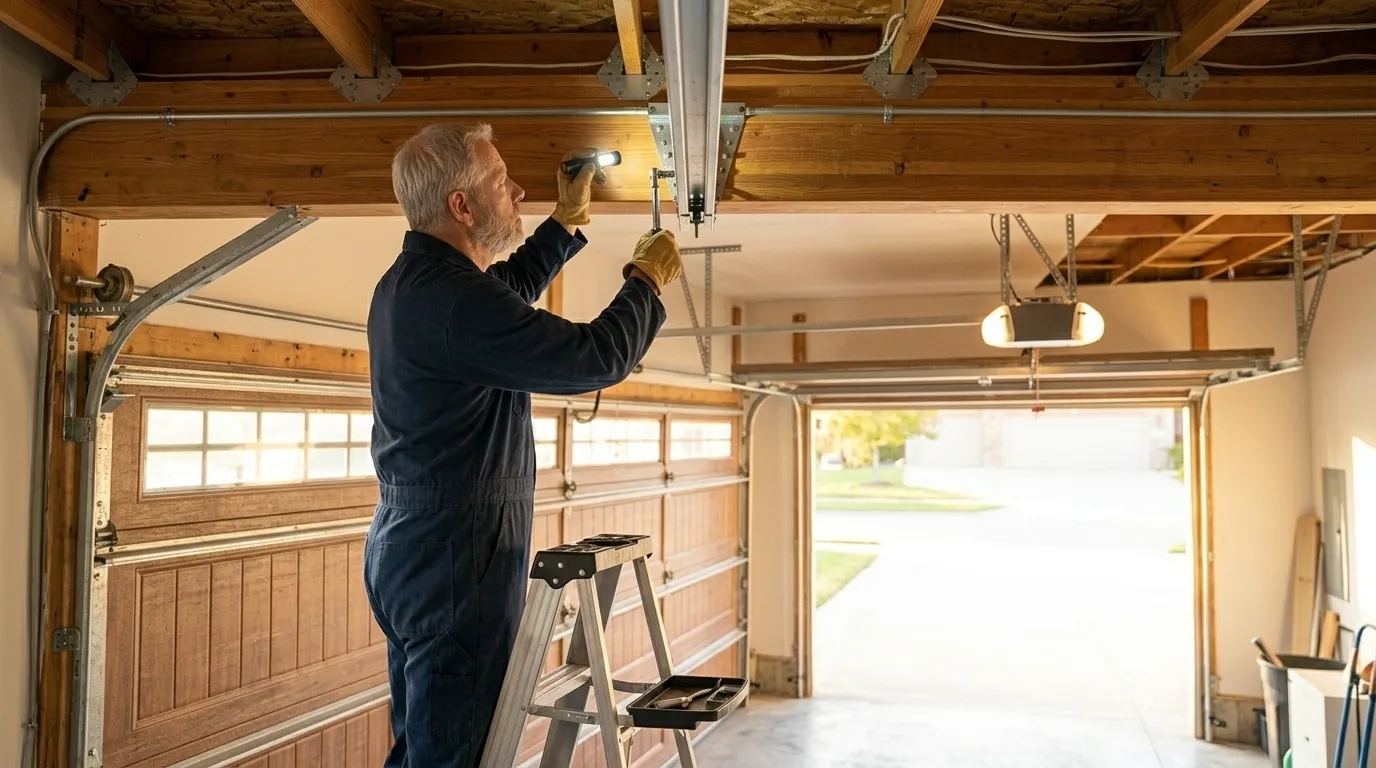
Opener boards from this era are another weak point - capacitors and circuit boards don't last forever, and once one goes, the whole unit usually needs replacing rather than repairing, since parts for a fifteen-to-twenty-year-old board are getting hard to source. Household income here runs around $78,621, a bit above the wider area's $70,478 median, and we've found owners in this range more often choose full opener replacement over patching an old board once we lay out the real cost difference.
The Cost of This Job
We don't publish flat prices here because spring size, opener type, and door weight all move the number, and guessing at a figure before seeing the door does nobody favors. What we can say: with only 454 households in Patton Village, we're not running a dedicated route through here the way we might closer to Humble, so travel is folded into how the job gets quoted rather than treated as a separate stop fee.
One honest limit - if a part turns out to be a discontinued line specific to an original 1996 installation, sourcing it can add a day or two versus a same-day fix, and in some of those cases replacing the section or the whole door ends up cheaper than waiting on a match.