How It Shows Up
The call usually starts the same way: the opener grinds, stutters, or just clicks and does nothing. In Patton Village that's not surprising once you know the housing stock. The median home here was built around 1996, which puts most openers in this area at or past the end of a normal service life - old chain-drive units with worn gears, tired capacitors, and logic boards that were never designed to run this long.
That build era matters for more than just age. Homes from the mid-1990s were wired for openers that predate rolling-code security and photoelectric safety sensors as a standard feature - some were retrofitted later, some never were. Across the wider Humble service area, housing spans 1956 to 2011 with a median around 1981, so Patton Village sits on the newer side of that range, but still well past the point where original hardware is worth patching instead of replacing.
What the Repair Takes
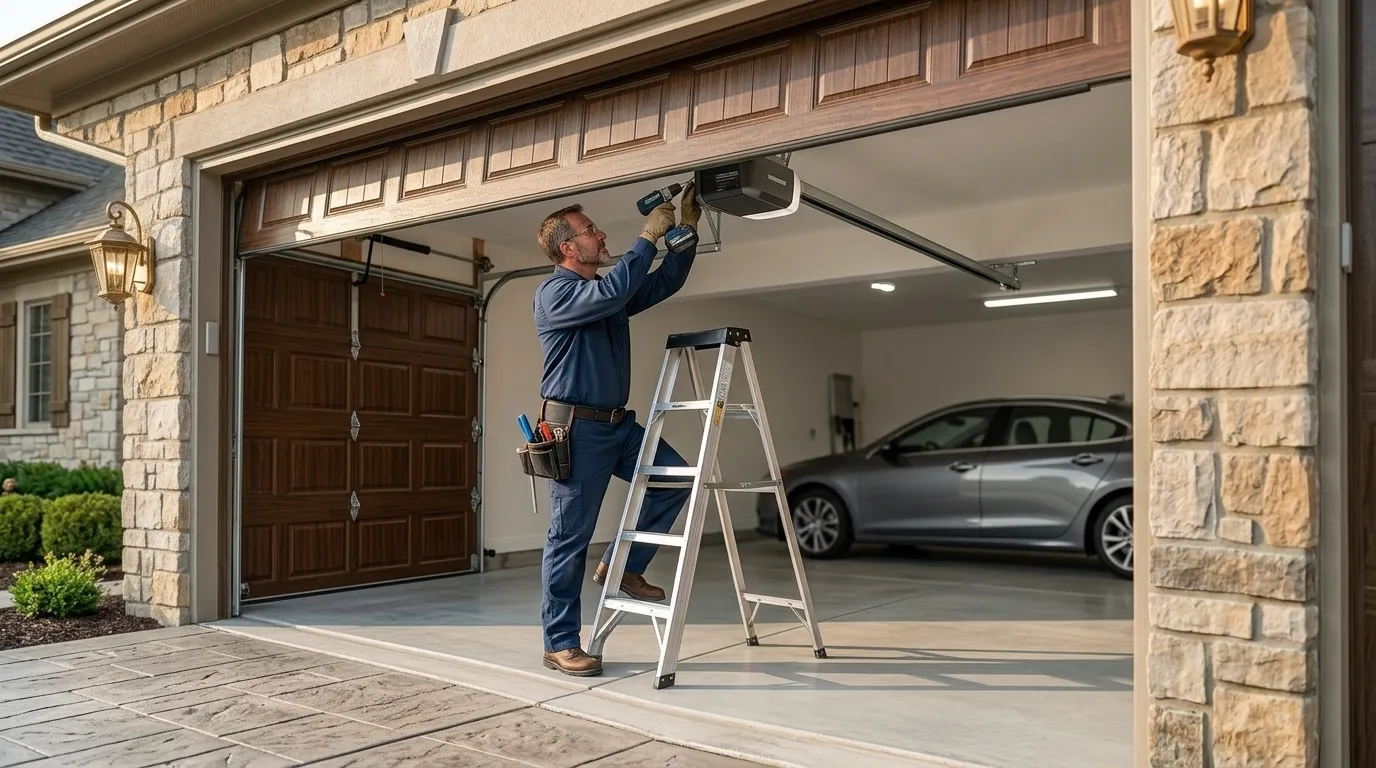
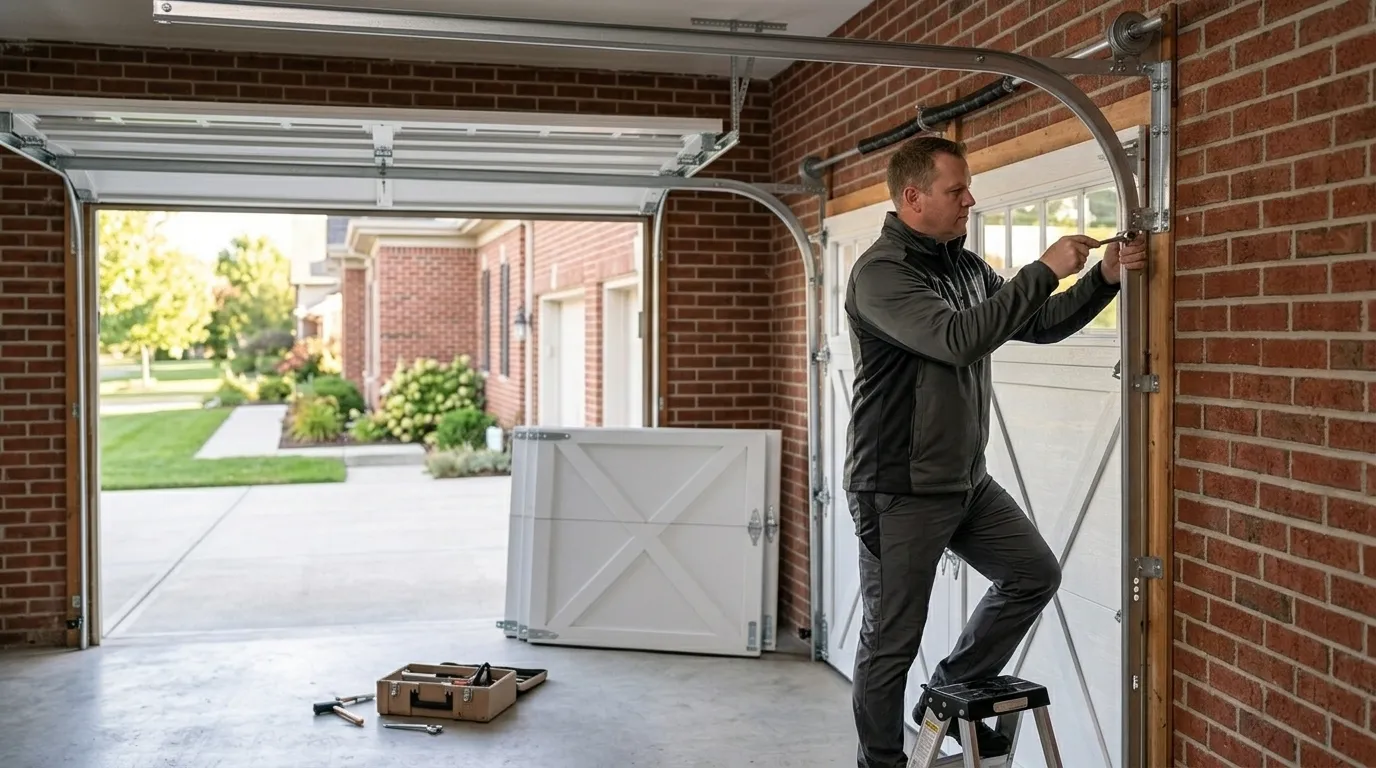
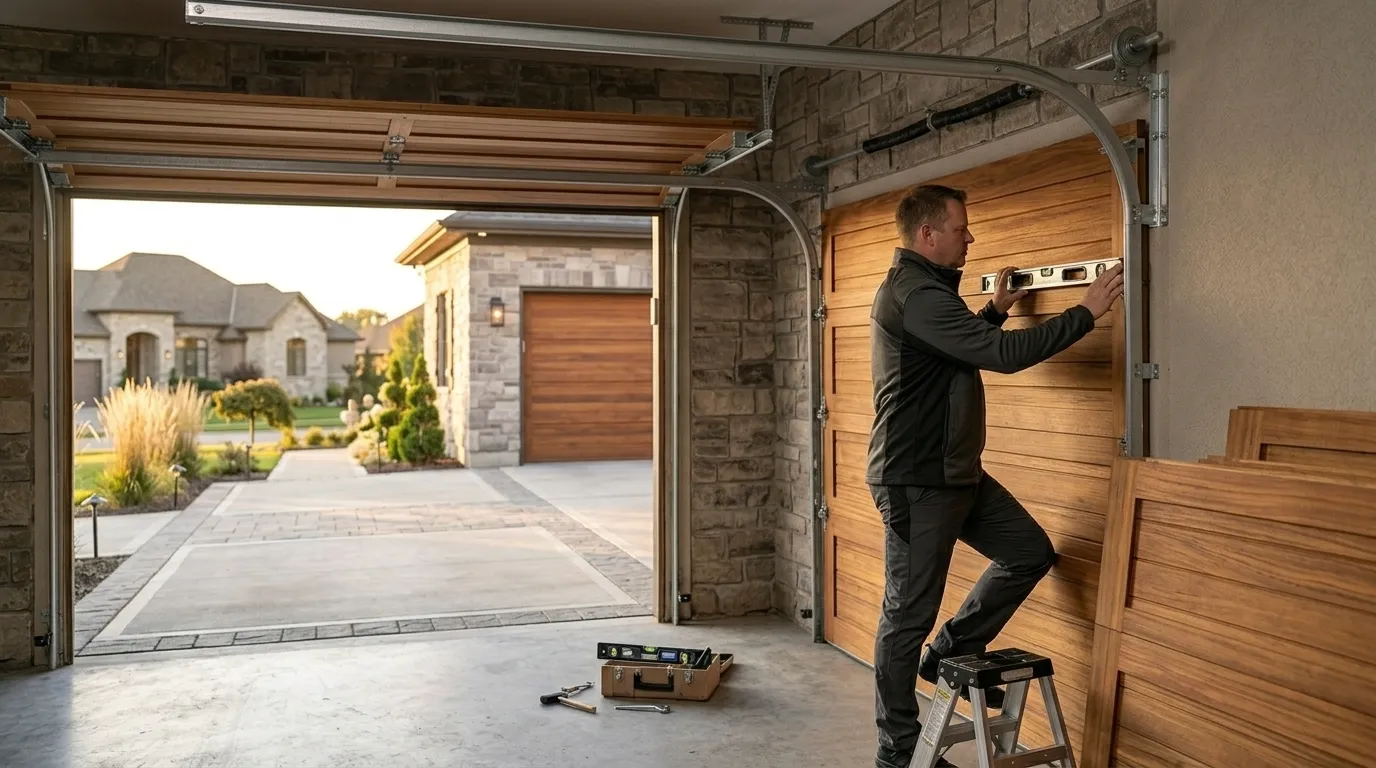
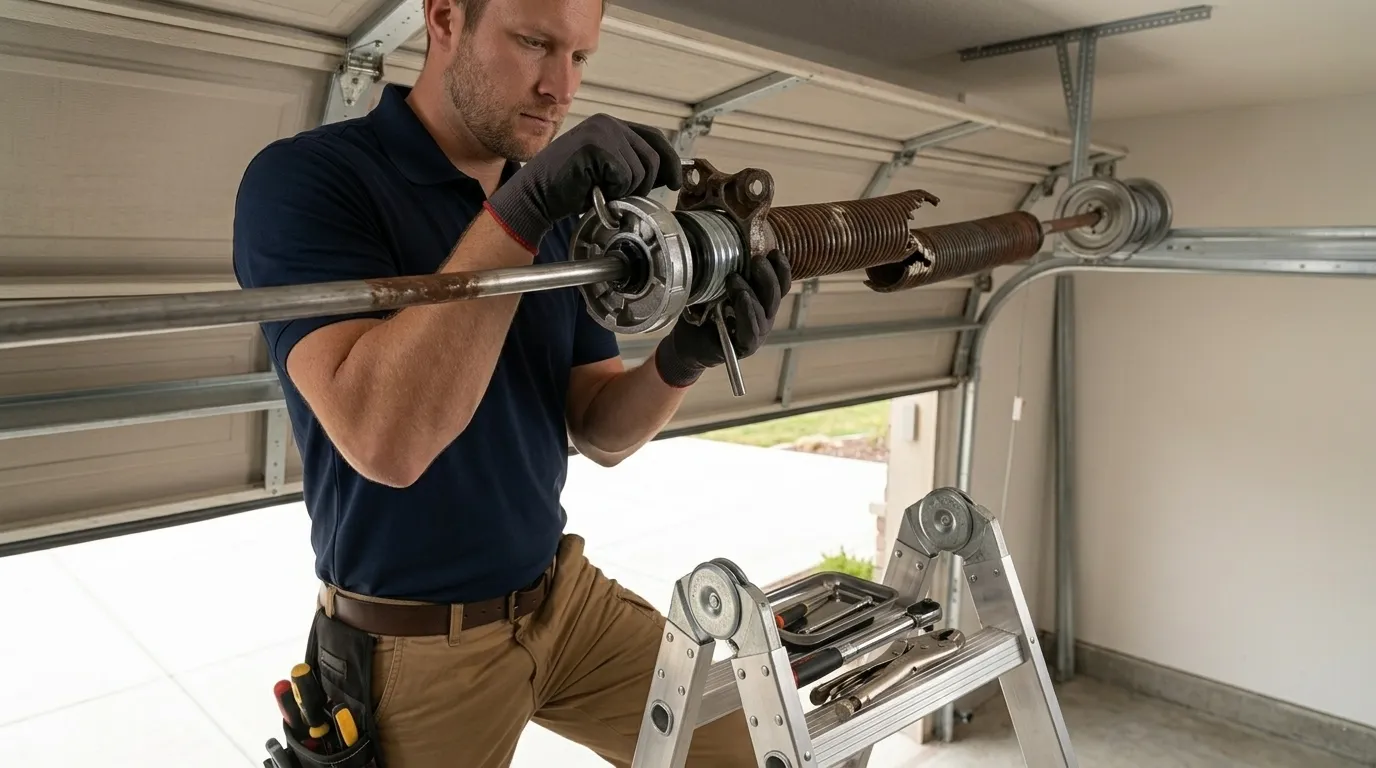
Installing a new opener on a 1990s-era door isn't a plug-and-swap job. We pull the old unit, check the header for mounting clearance, and inspect the existing track and spring setup, since openers from this era were often matched to torsion hardware that's now near the end of its own life too. If the spring system is original, replacing just the opener without checking the springs is a short-term fix.
Wiring is the other piece. Homes built in this window sometimes have opener circuits on shared switches or undersized runs that were fine for a lighter, older motor but strain under a heavier belt-drive unit. We run a dedicated line where needed, mount the new safety sensors at code height, and calibrate travel limits and force settings so the door doesn't slam the floor or stall on the way up. We test the whole cycle - open, close, auto-reverse - before we call it done, not just the first close.
What Can Go Wrong
The most common surprise on a Patton Village install is the header clearance. Openers built in the mid-1990s were often smaller and lighter than today's belt-drive units, and the mounting bracket space that worked for the original doesn't always fit a new motor without adjustment. We check this before we quote the job, not after we've already unboxed a unit that won't sit right.
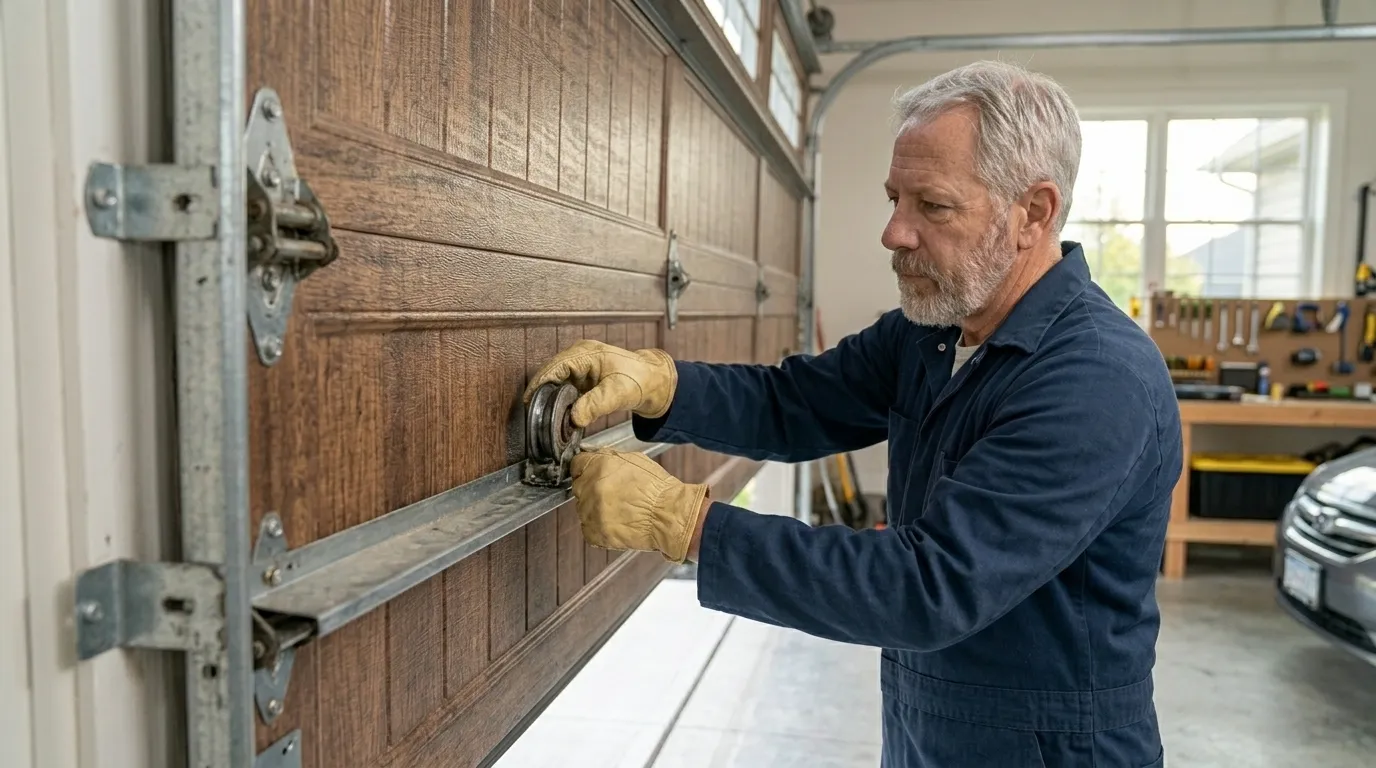
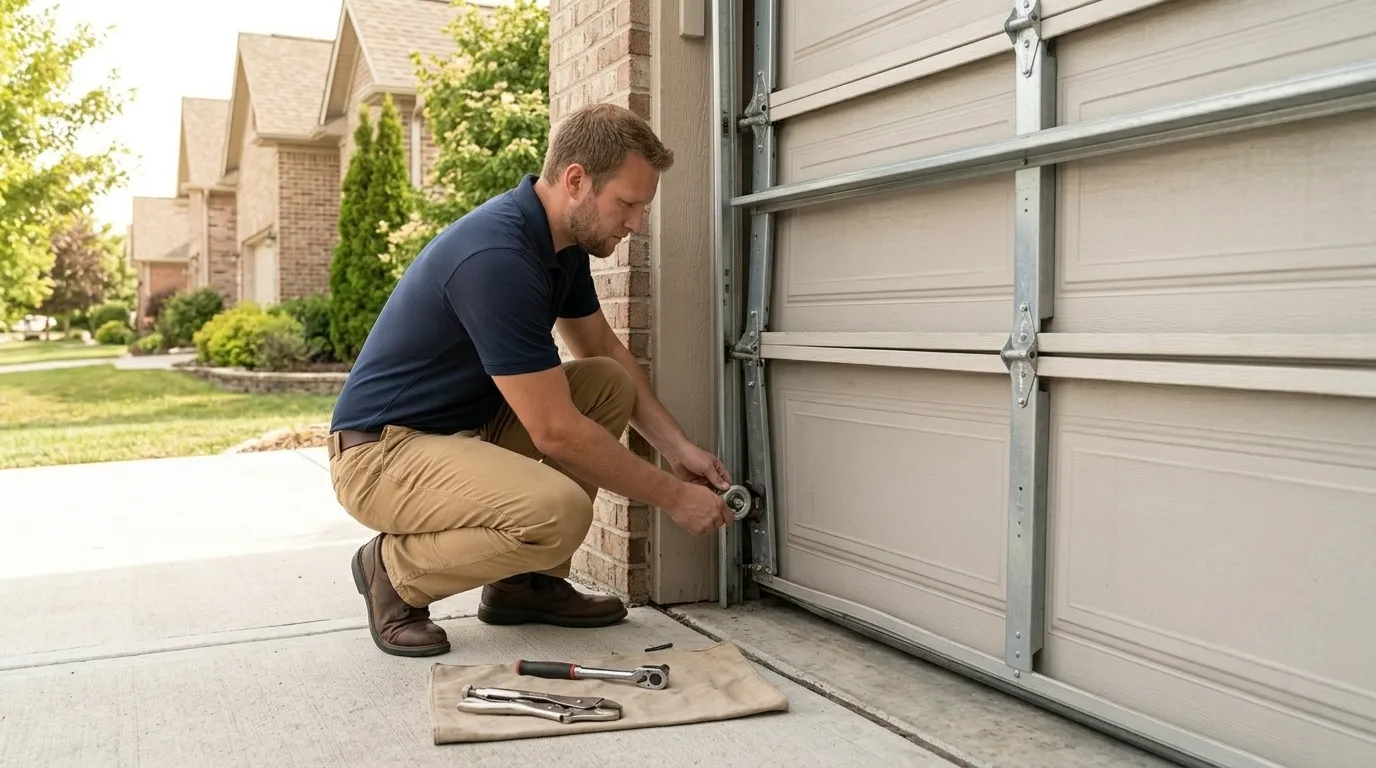
The other issue is the door itself. If the door and hardware are original to a 1996-built house, the opener isn't really the weak link - a spring that's approaching 30 years old or a track that's rusted from mild, occasionally freezing winters can undo a brand-new opener fast. We'll tell you when that's the case rather than sell you a motor on a door that isn't ready for one. That's the one honest limit here: we won't install a new opener on hardware we think will fail within the year, because the callback isn't good for you or for us.
The Cost of This Job
We don't post a flat number here because unit type, horsepower, and whether we need to rewire or replace hardware all move the price. What we can say is that Patton Village's median household income of $78,621 puts most homeowners here in a position to choose a mid-range belt-drive unit rather than the cheapest chain-drive option, and that's usually the better long-term buy for a door that gets daily use.
The honest tradeoff is chain-drive versus belt-drive: chain is cheaper up front but louder, which matters more in a house built close enough to neighbors that noise carries. Belt-drive costs more but runs quieter and tends to outlast the chain option by several years. Either way, the job includes the sensors, the wiring check, and the calibration - not just bolting a new motor to the ceiling and walking away.