How It Shows Up
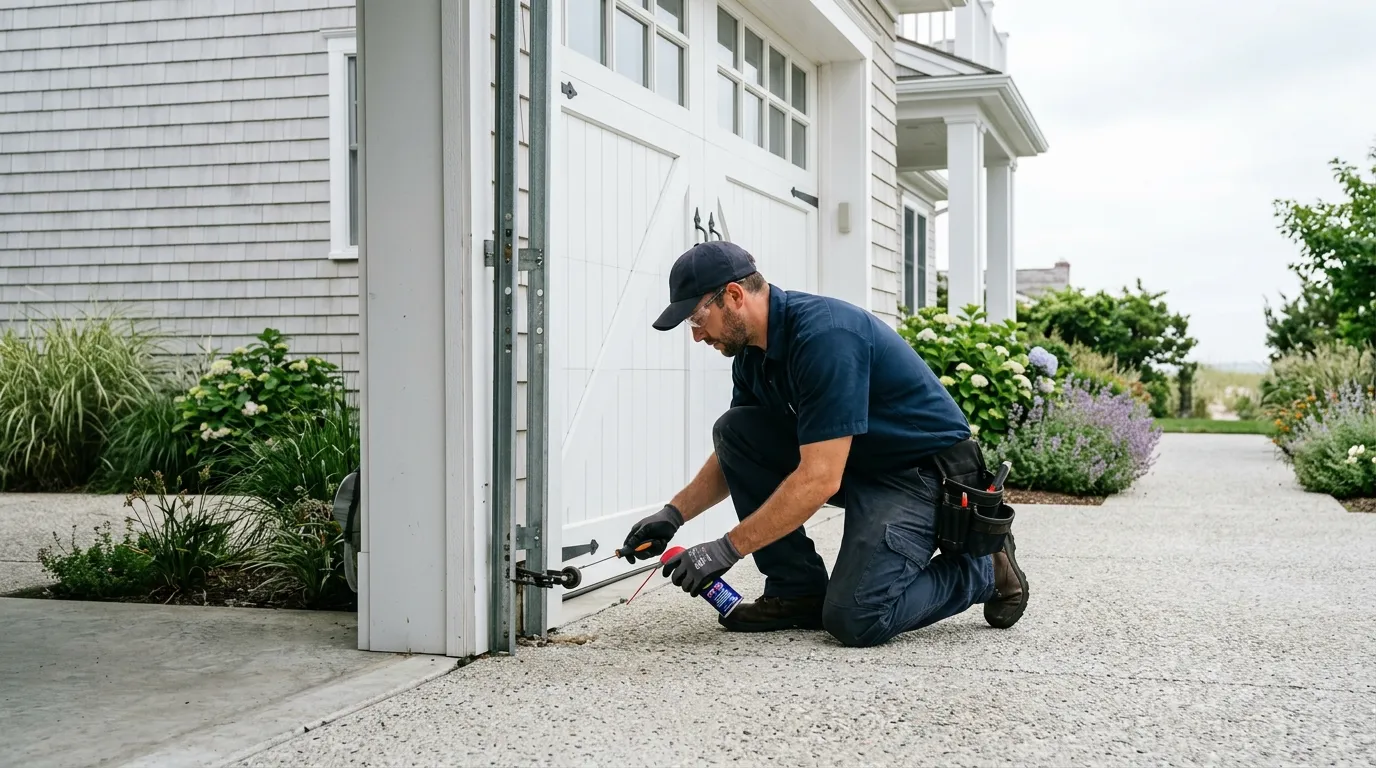
At a median household income of $78,621, Patton Village sits well above the $70,478 median across the rest of the Humble service area, and that gap matters more than it looks. Higher household income here usually means the original builder-grade door on the house is the thing holding the property back, not the budget to fix it. Most houses in Patton Village went up around 1996, a good fifteen years newer than the 1981 median for the wider service area. That later build date means fewer of the ancient single-layer steel doors we see on 1970s stock elsewhere, but it also means a lot of these doors are hitting the 25-to-30-year mark where torsion springs sag, seals crack, and the panel itself starts to show its age even if the house doesn't look old. The failure here isn't rust from decades of weather. It's a door built to a builder-grade spec in the mid-90s finally running out of life at the same time the springs it shipped with do. When a homeowner calls about an install rather than a repair, it's almost always because the door itself, not just the hardware, has reached that point.
What the Repair Takes
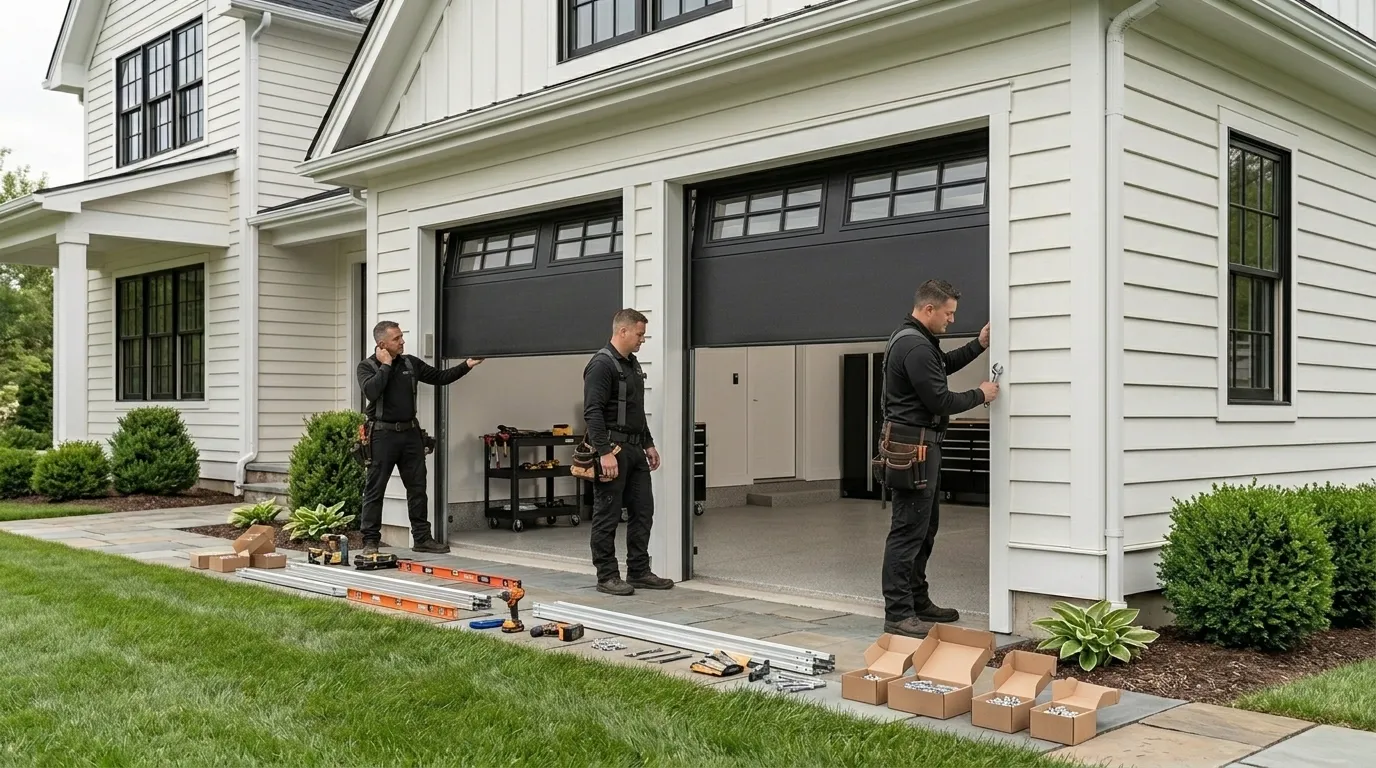
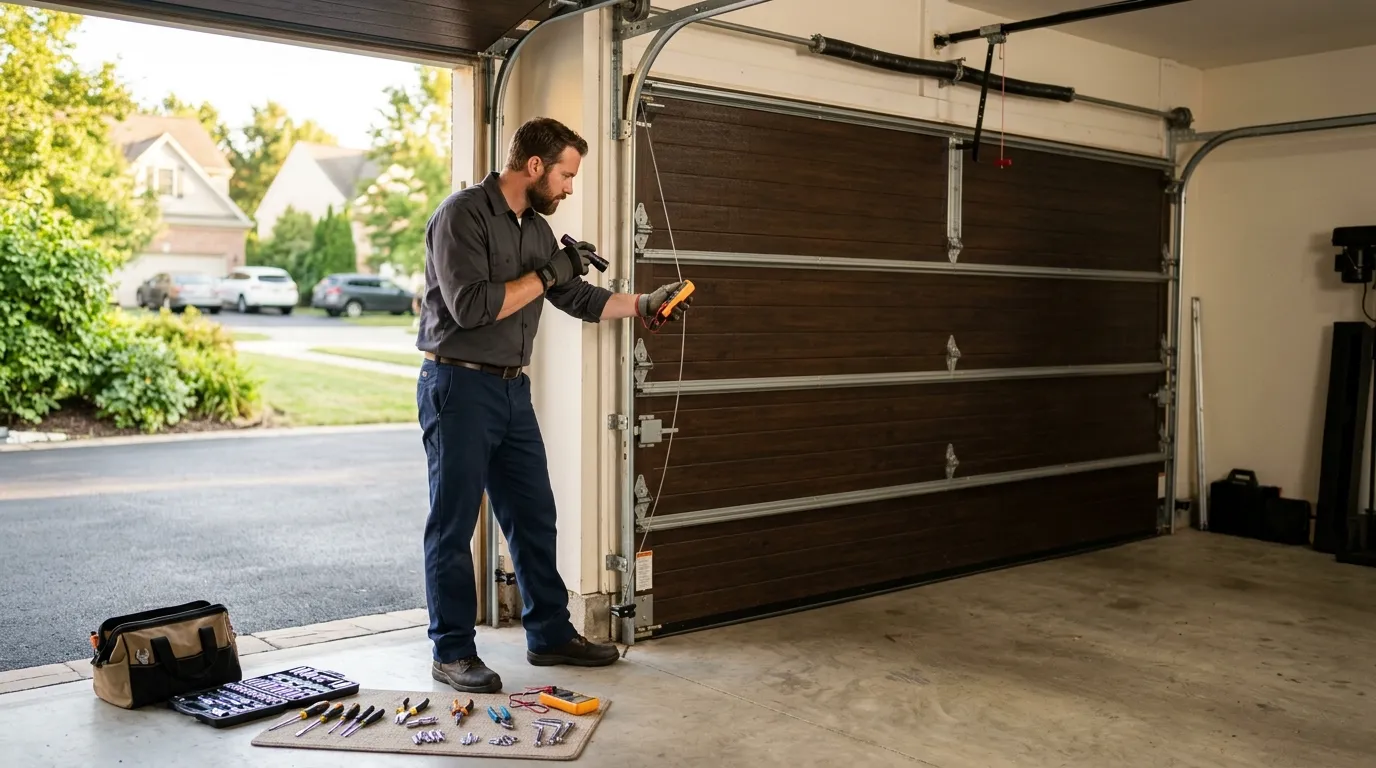
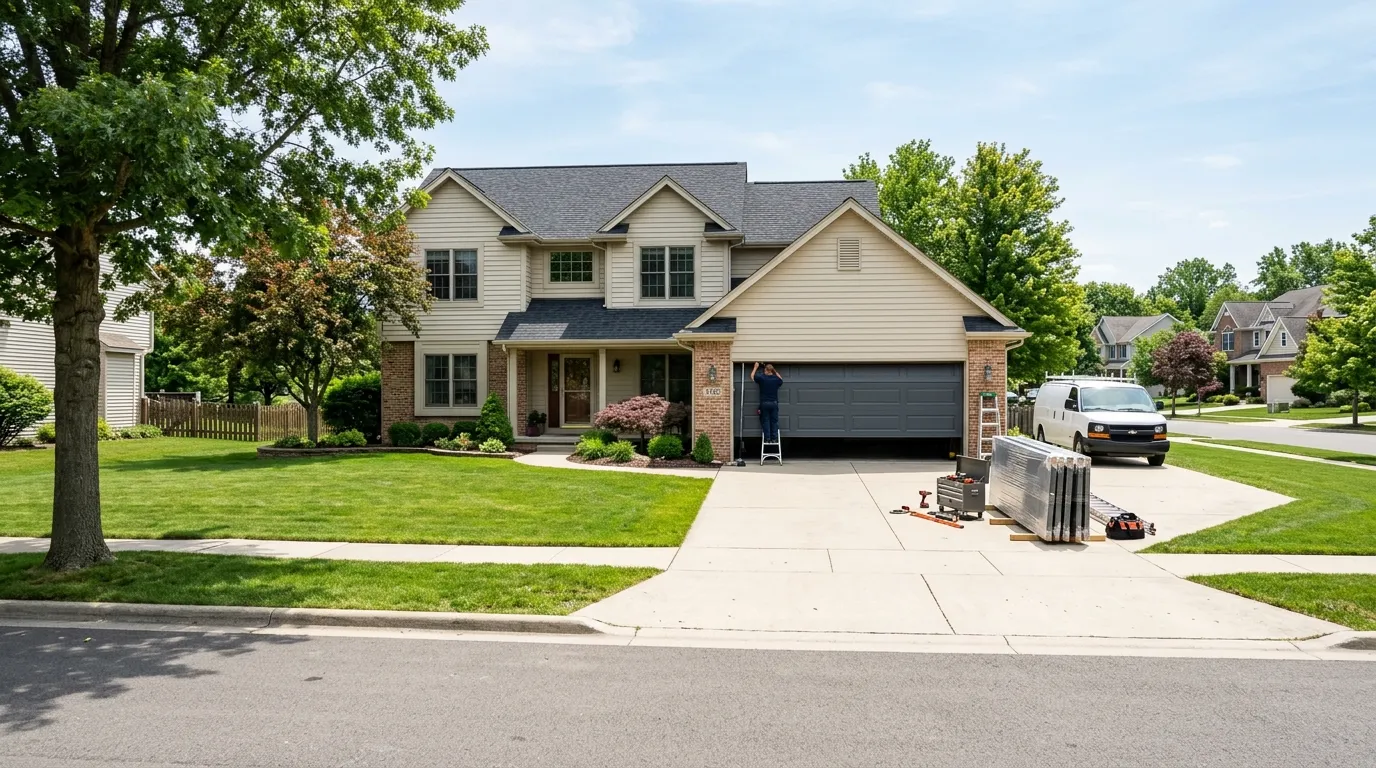
An install is not a same-day drop-in when the opening itself has settled or shifted over nearly 30 years, which is common in this part of Texas. We measure the frame before we order anything, because a door built for a 1996 rough opening doesn't always match a modern panel without shimming the jamb or adjusting the track mount. The area sits in a mild climate band with occasional freezes, so insulation isn't the emergency it is farther north, but it still affects comfort in an attached garage, and it's worth deciding on up front rather than mid-install. Expect us to pull the old torsion spring system, check the header for rot or settling, and confirm the opener bracket location still lines up with the new panel's weight rating. On a standard single or double door with no structural surprises, this is a controlled job. If the header's been water-damaged or the opening is out of square, that adds time, and we'll say so before we start, not after.
What Can Go Wrong
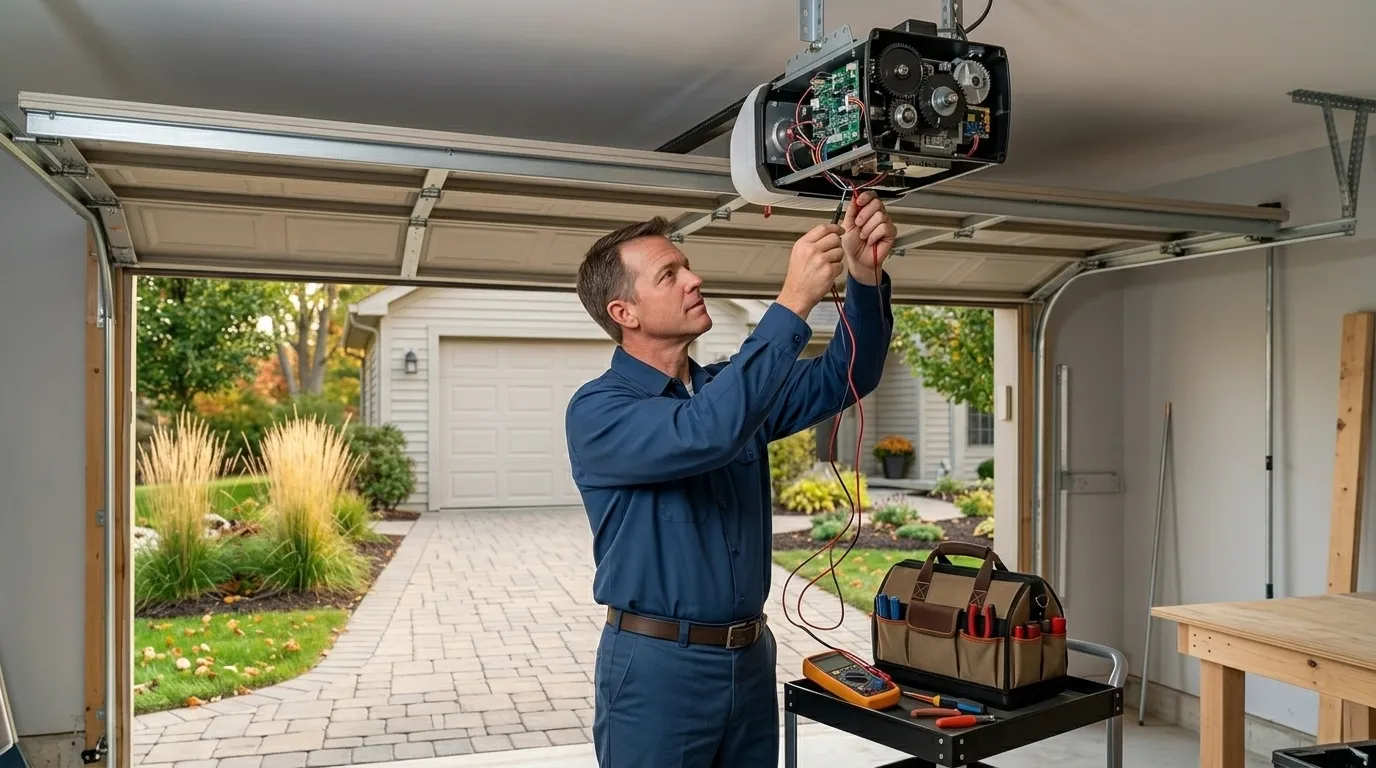
The most common surprise on a 1996-era install is a header that was framed to code at the time but never anticipated the weight of a modern insulated door. If the opener bracket was mounted straight to drywall board instead of a stud or blocking, which happened on plenty of builder-grade jobs from that era, we have to reinforce it before hanging anything new. Track alignment is the second issue: older double-car openings sometimes settled a half-inch or more over the decades, which throws off a factory-spec track kit. None of this is unusual, and none of it is a reason to stop the job, but it does mean we can't always give a fixed price over the phone before we've seen the opening in person.
The Cost of This Job
With income here running about $8,000 above the wider Humble-area median, most homeowners we talk to in Patton Village are deciding between a mid-grade insulated steel door and a higher-end wood-composite panel, not between repair and replace. That's a different conversation than we have in older parts of the service area, where the door itself is often too far gone to be worth saving and the only real question is price point. Here, if the panel is original and the springs are original, replacement usually makes sense on its own terms - not because the door failed, but because it's cheaper over ten years than patching hardware built for a lighter door. We don't have a published price list for this page; costs depend on door size, insulation level, and what the opening needs once we're on site.