
How It Shows Up
Patton Village's houses cluster around a 1996 build year, which puts most original openers somewhere between 25 and 30 years old. That's past the design life of the gearing, the logic board, and the safety sensors on almost every chain or belt unit installed at construction. What we see most from this pocket of the service area is a door that starts to open, hesitates, and reverses on its own, or a remote that works from ten feet away but not from the driveway. Both point to a board or antenna that's simply worn out, not a fixable glitch. With only 454 households in this area, a lot of these units came from the same handful of builder-grade opener brands used across the subdivision at the time, so if a neighbor's failed the same way last year, yours failing now isn't a coincidence - it's the same part hitting the same age. Some homes here have already had an opener swap since 1996, but if yours hasn't, assume the internals are original until you've had someone actually open the housing and look.
What the Repair Takes
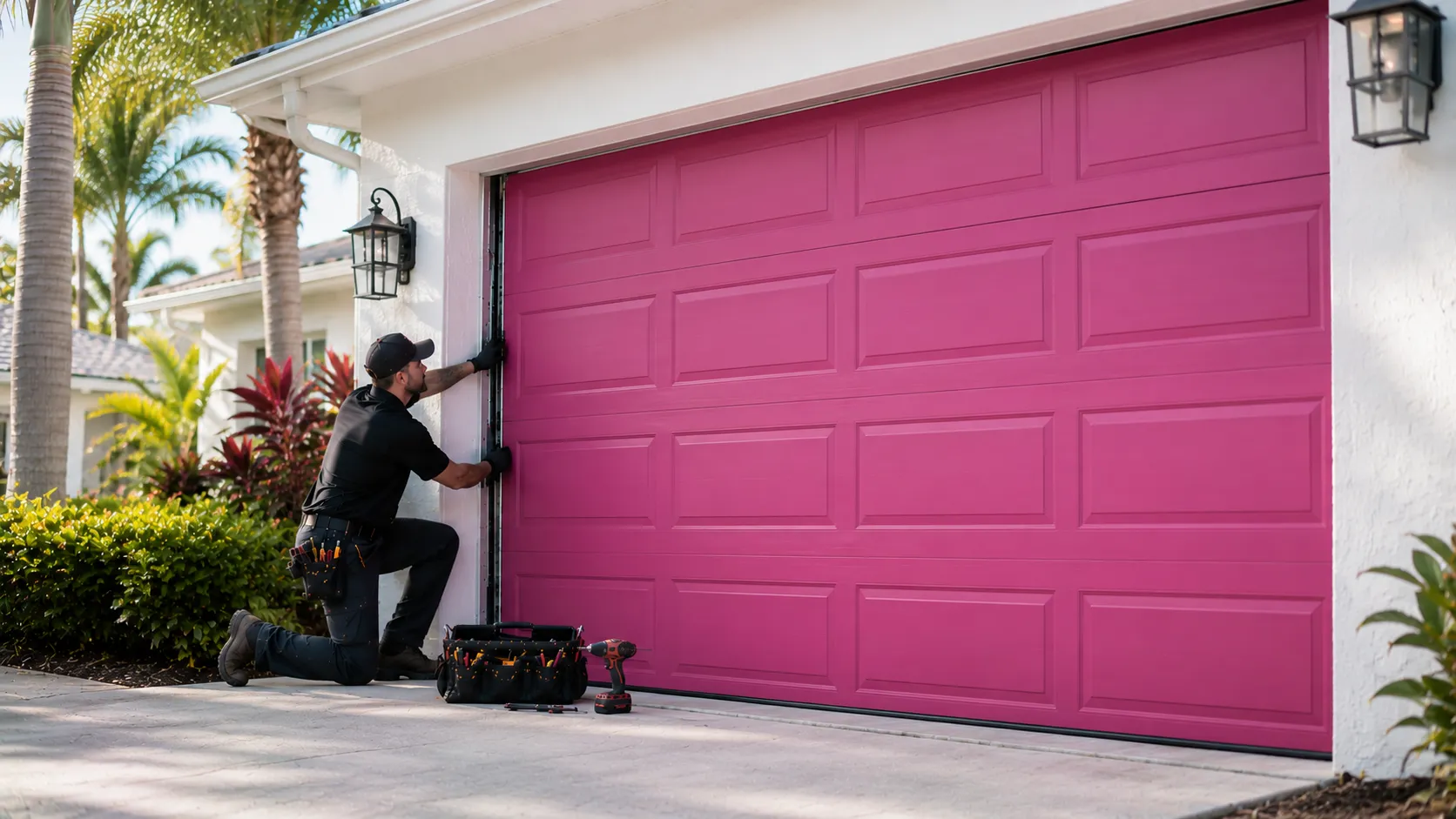
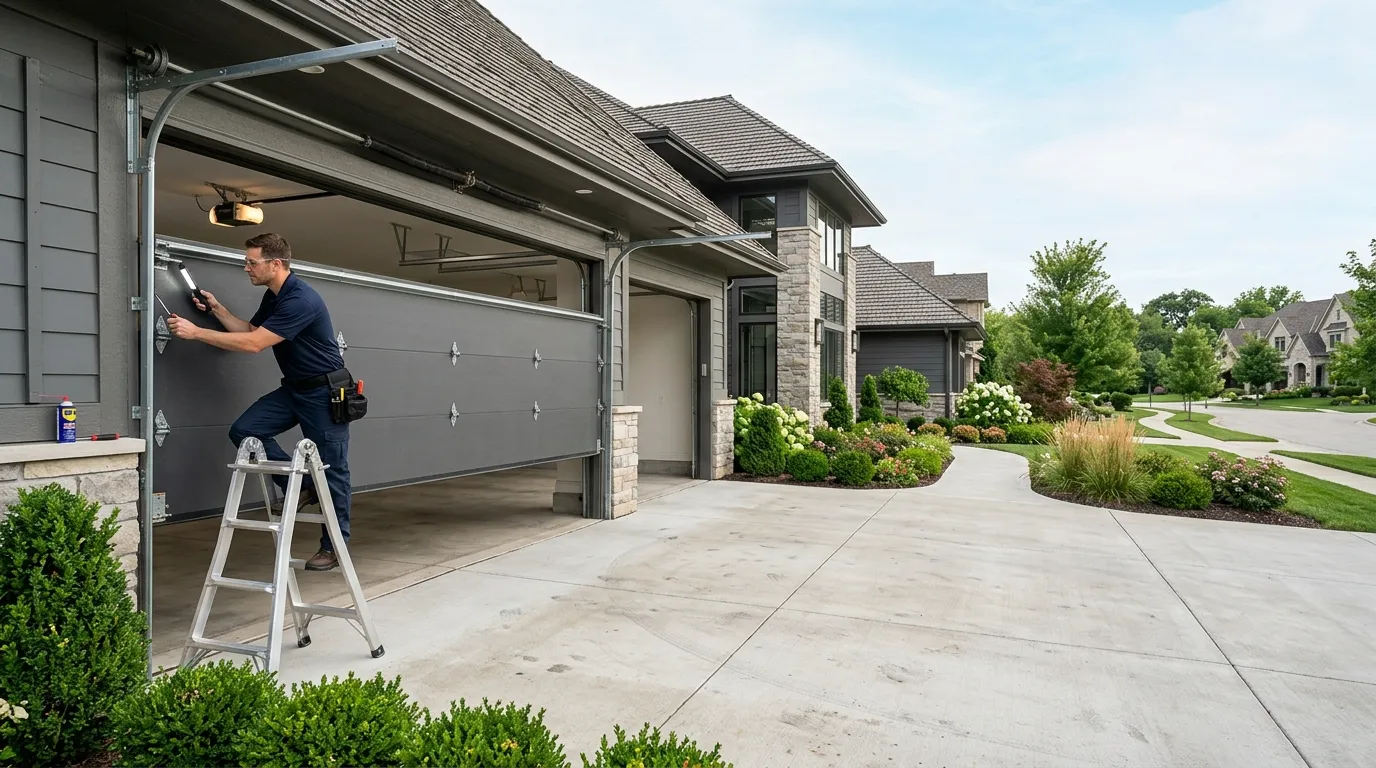
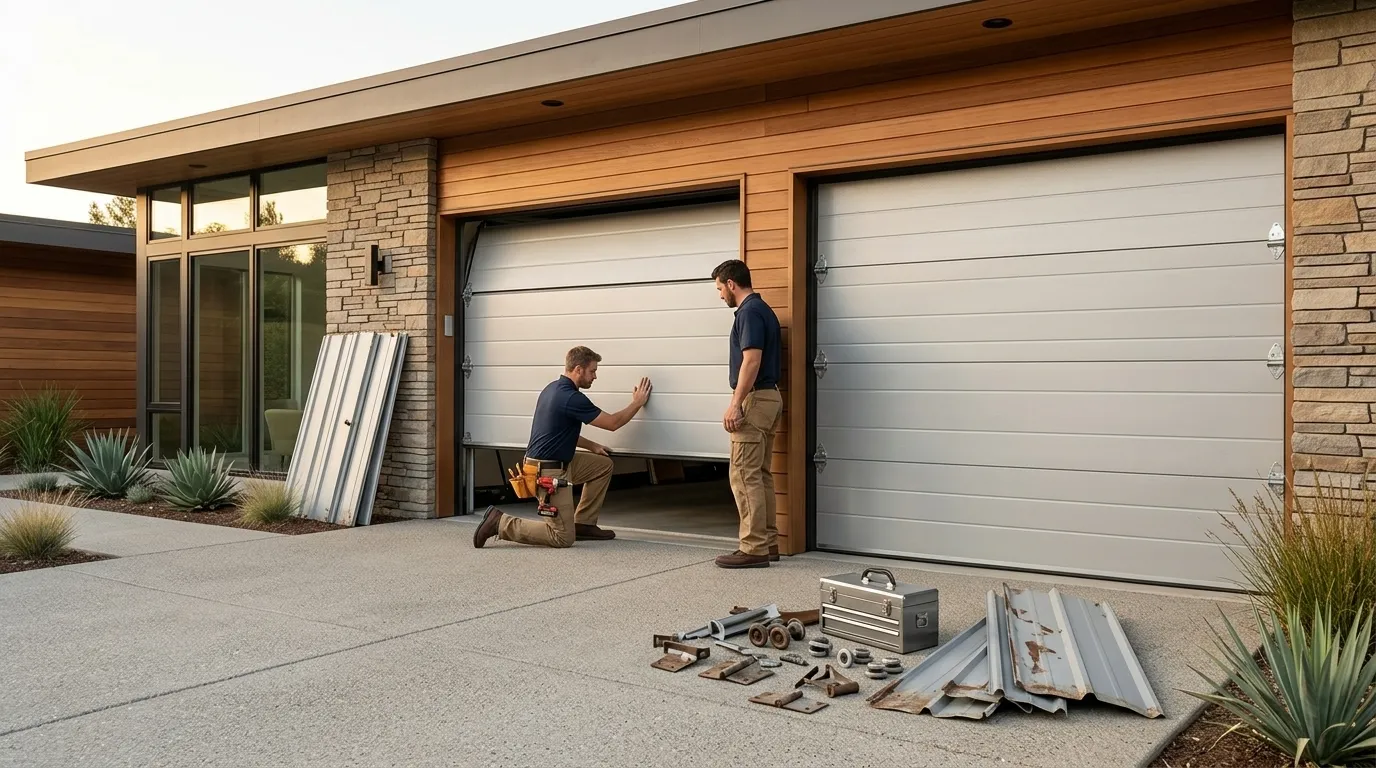
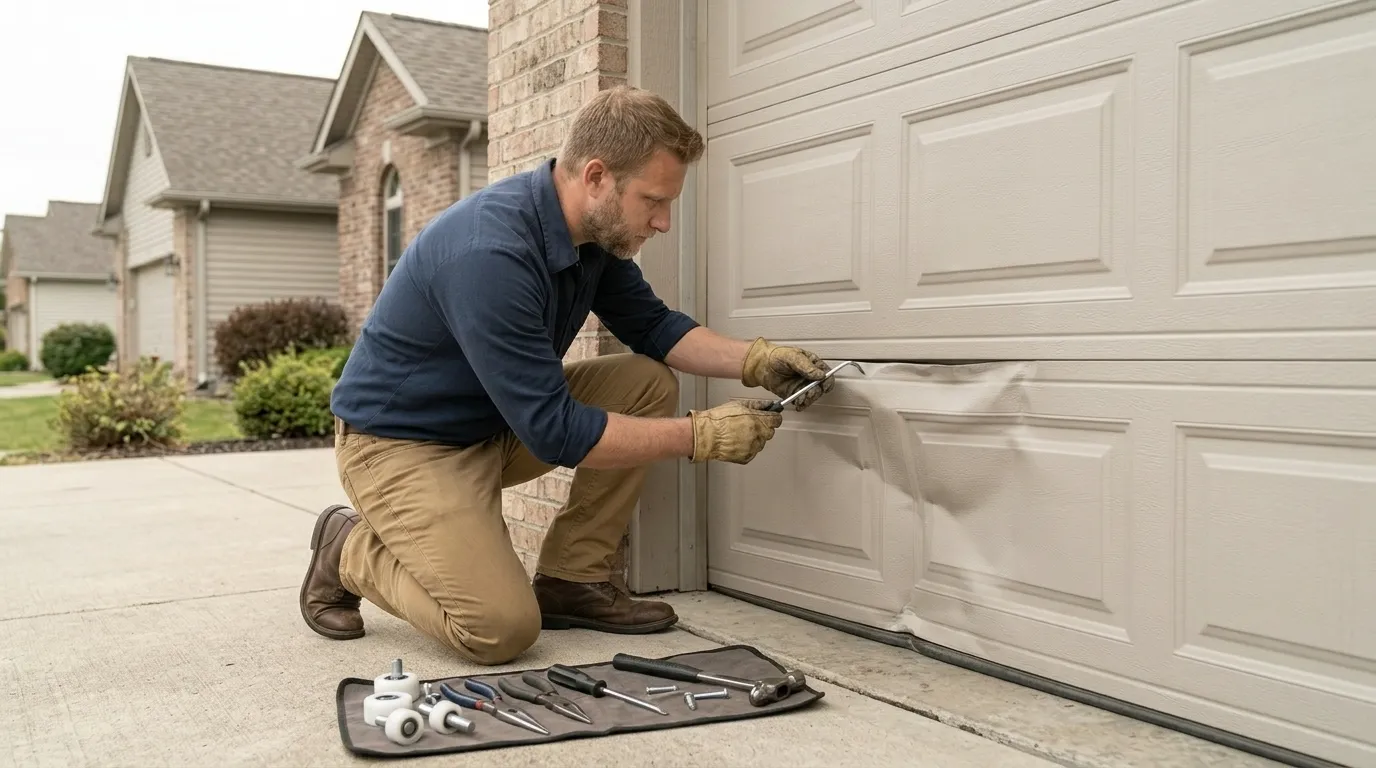
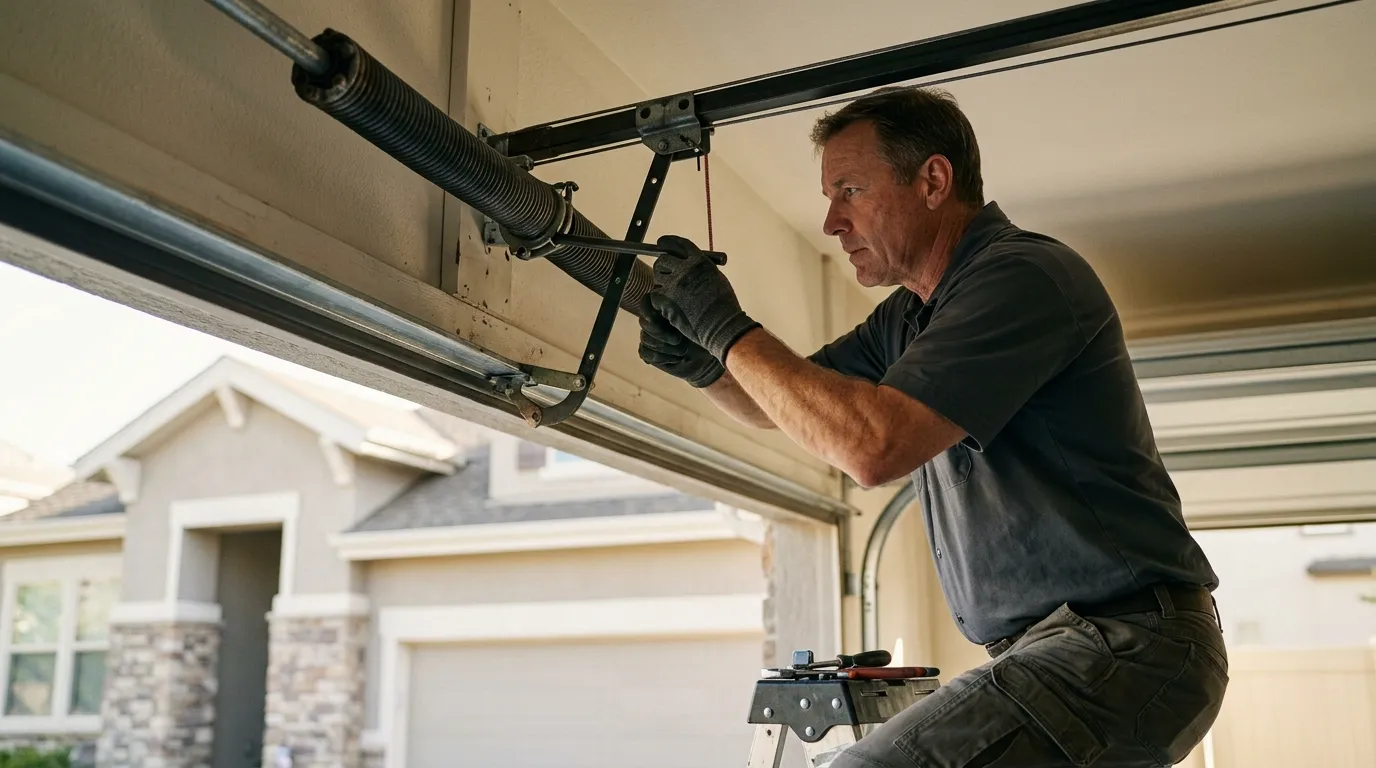
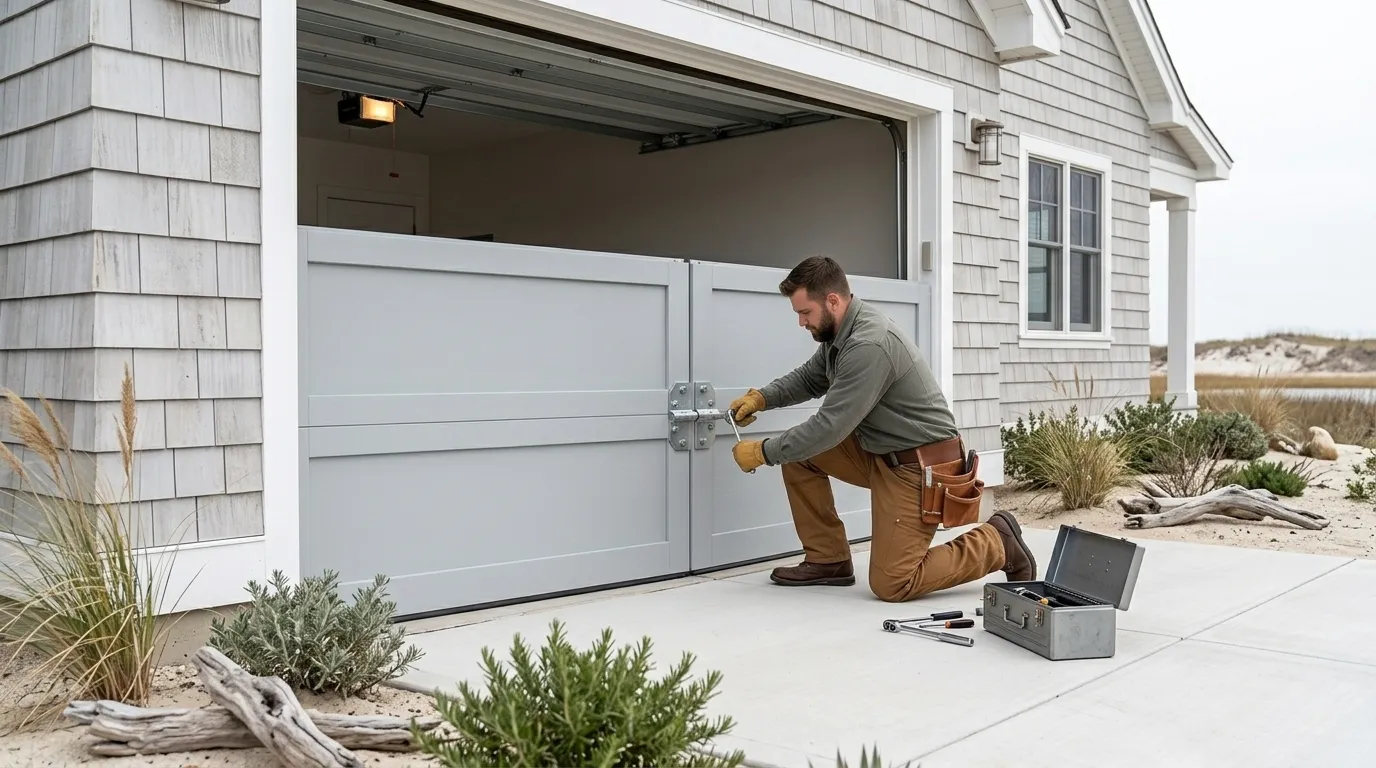
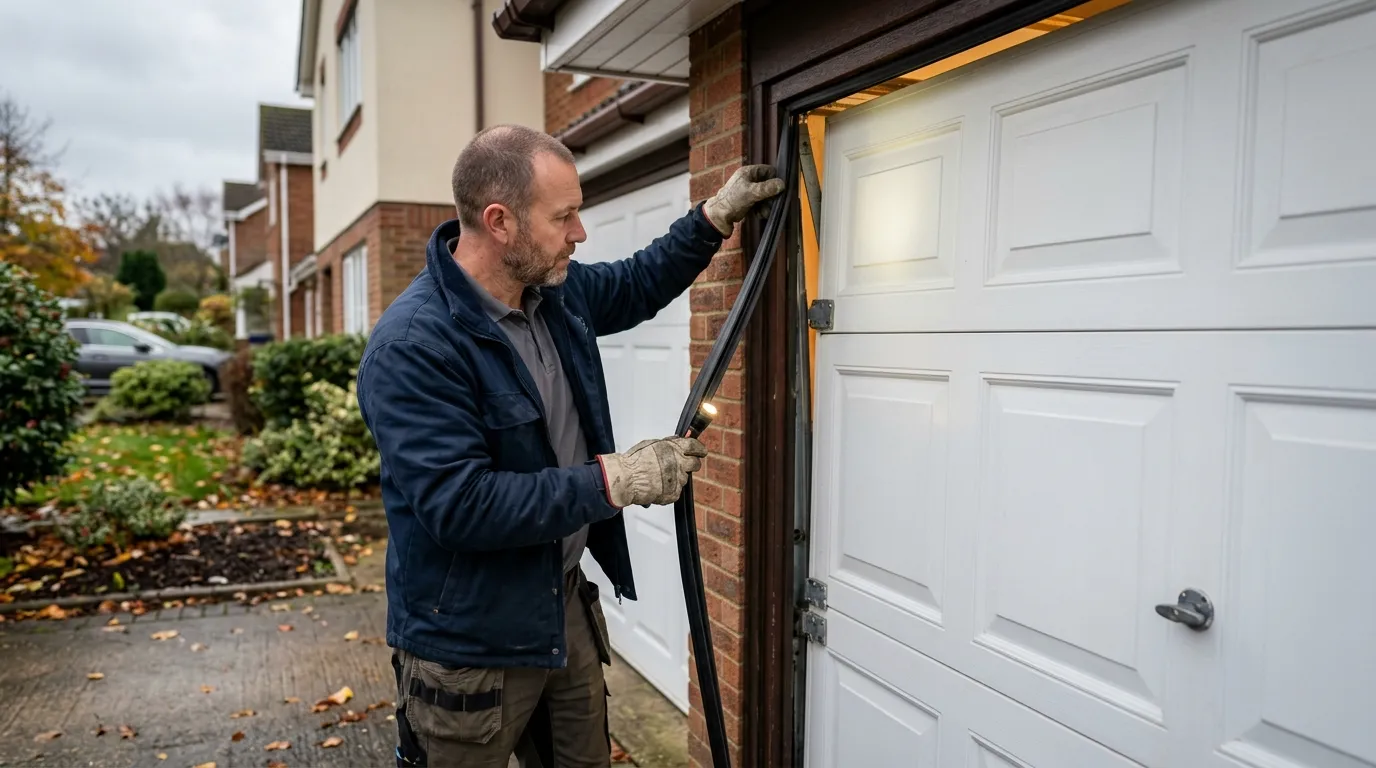
We start by pulling the cover and checking the board, the drive gear, and the travel module before touching sensors or remotes - those are the parts that fail first on a unit this age, and they're often the whole problem. If the motor itself still turns strong, we're usually looking at a board swap or a gear kit, not a full unit replacement. If the motor's dragging or the bearings are shot, that's a different conversation. Wiring from 1996 is usually intact but the wall button and safety sensors are almost never original by now - those get replaced more often than the opener itself, so we check them regardless of what brought us out. Because this is a single visit from Humble, we bring the parts we expect to need based on what you describe on the phone, but if the unit turns out to need something less common, that part may not be on the truck and could mean a return trip.
What Can Go Wrong
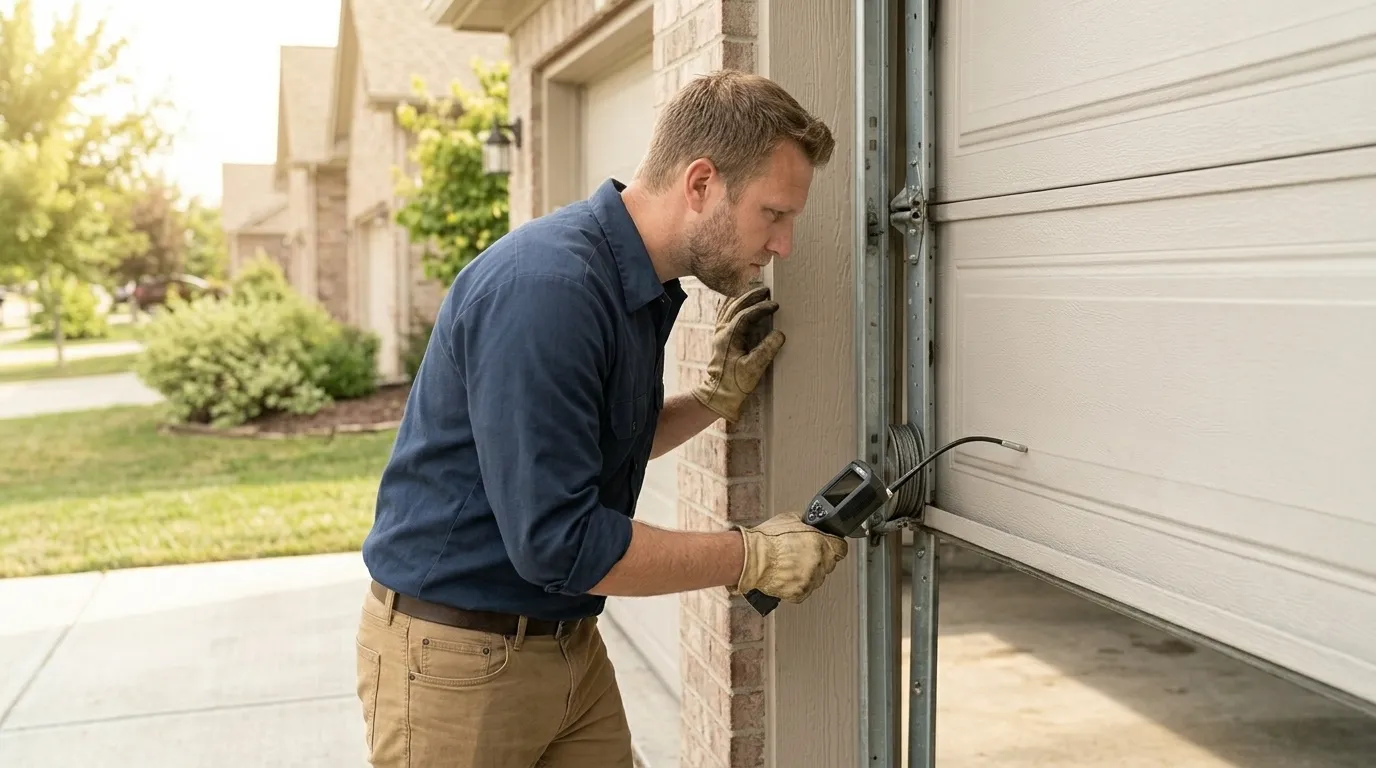
The most common failure on a unit built with the house in 1996 is the logic board - capacitors and relays that age out on a schedule whether the opener gets used daily or twice a week. Second most common is the safety sensor pair by the floor, which gets knocked out of alignment or corrodes at the wire joint faster than people expect for a region with only occasional freezes. Third is the drive gear, a nylon part that strips silently over years of use and then fails all at once. Less common, but real: the wall button itself dies, and people assume the whole opener is gone before anyone checks the fifteen-dollar part. We won't sell you a new opener when a twelve-dollar sensor eye is the actual problem - and to be clear, if the motor housing is cracked or the gear has stripped past the point of a clean kit fix, replacement is the honest answer, not another patch.
The Cost of This Job
We don't quote opener repair pricing sight unseen, because a board swap, a gear kit, and a full unit replacement are three different jobs with three different price tags, and guessing before we've opened the housing does you no favors. What we can tell you is that for a house built around 1996, the repair is more often a parts-and-labor job than a full replacement - the motors from that era tend to outlast their electronics. We'll give you the actual number after we've looked at the unit in your garage, not before.