The Cost of This Job
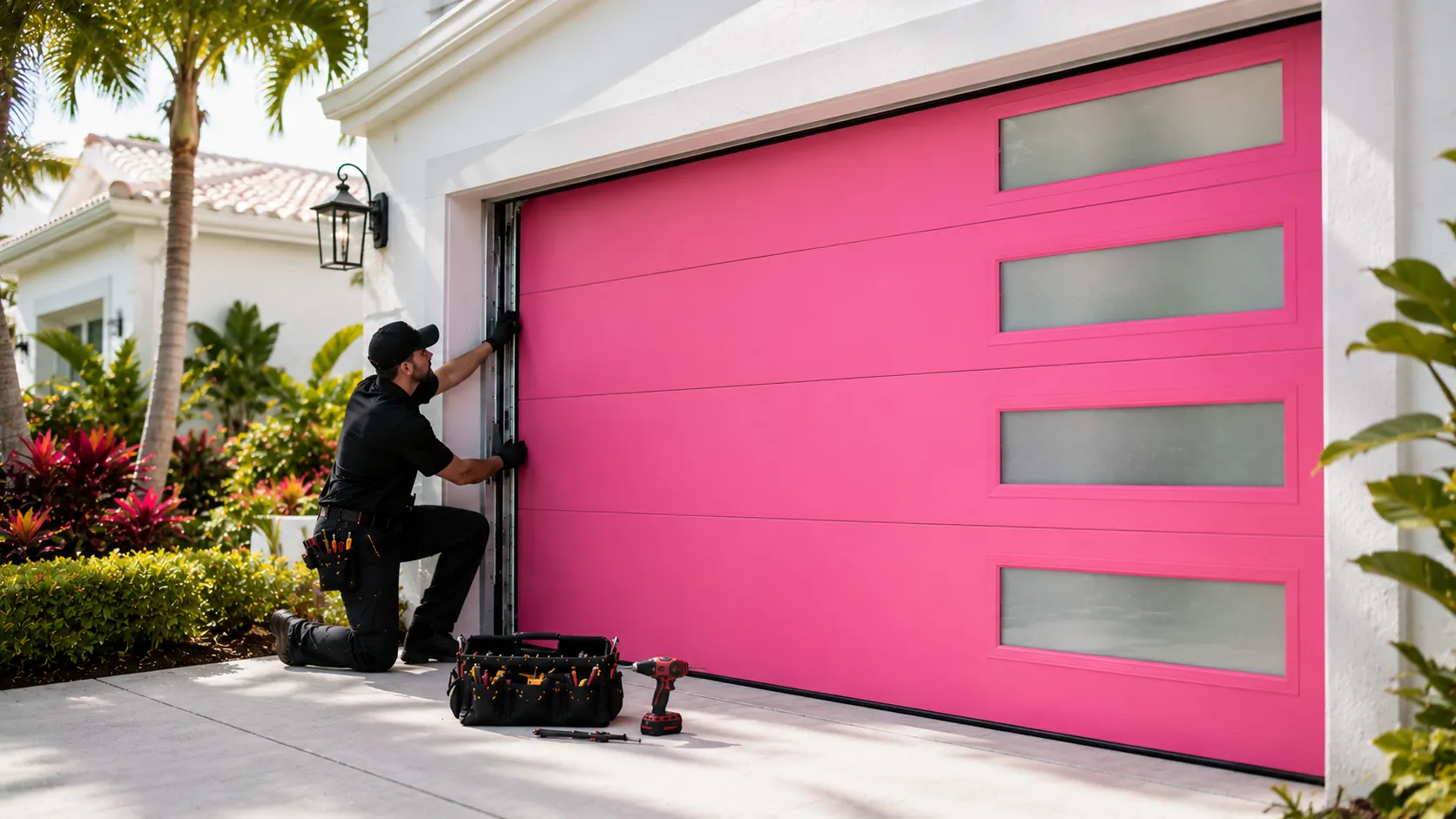
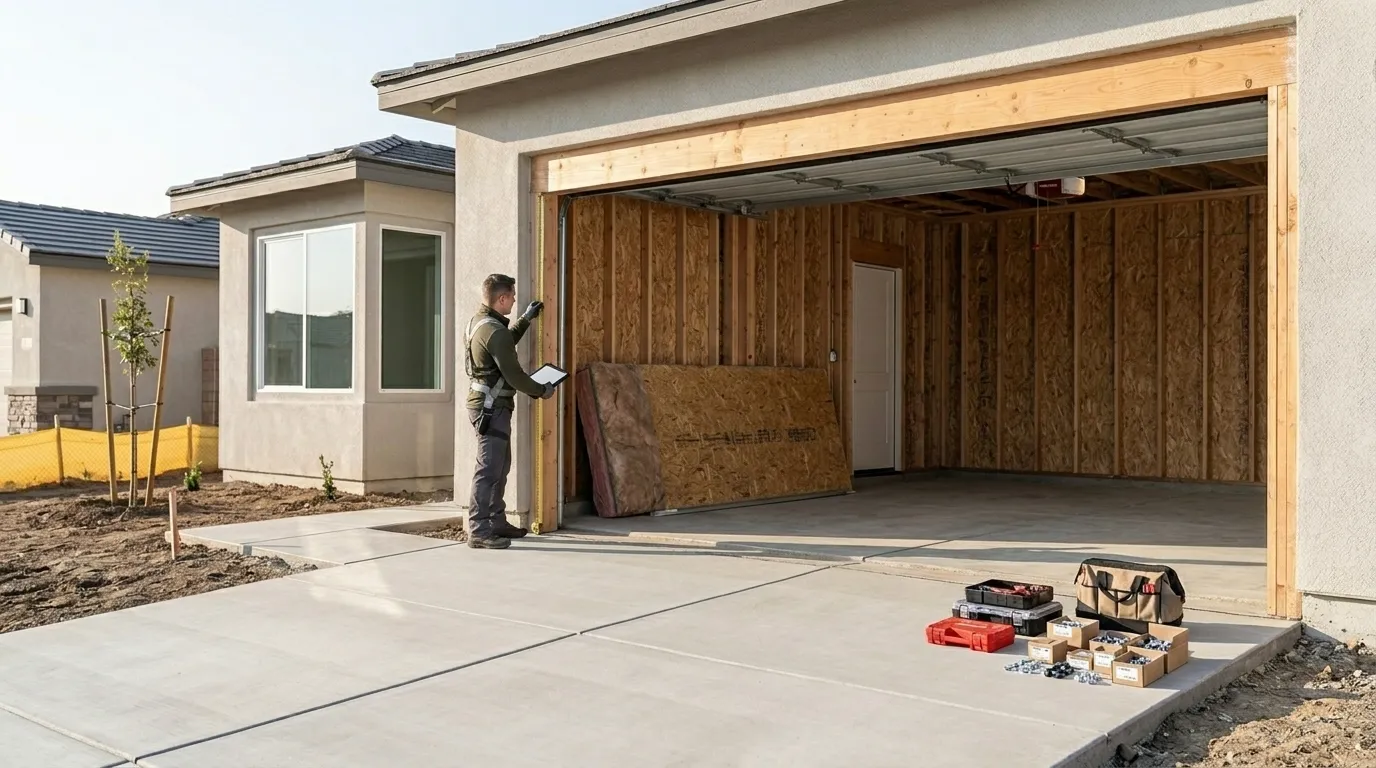
Roman Forest is one of the newer pockets we cover from Humble, with most houses built around 2001 - a good two decades past the median build year across the wider service area, which sits closer to 1981. That matters for cost because newer construction usually means standard framing and opening sizes, so you're not paying extra for a custom-cut door to fit an odd, older rough opening.
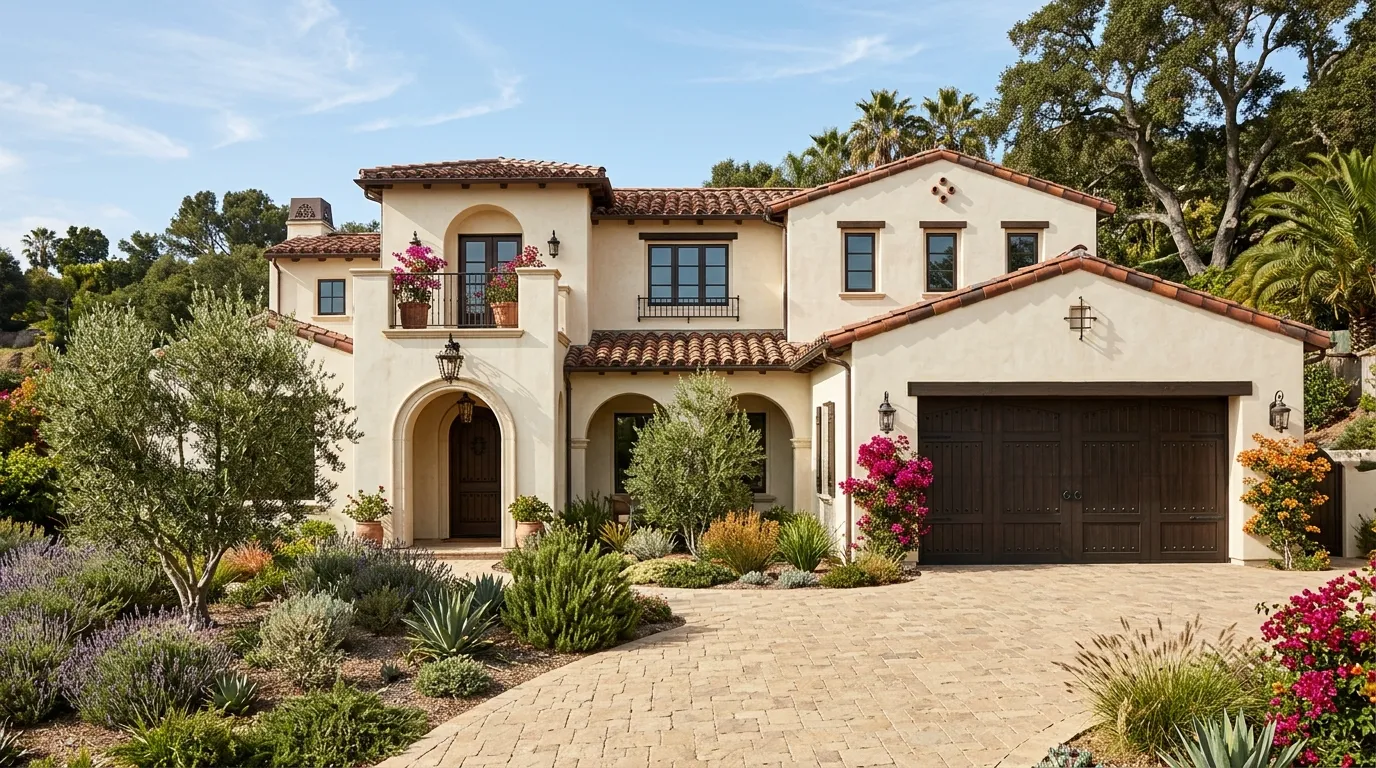
With 1,017 households in Roman Forest and a median income of $120,313 - well above the $70,478 median across the broader area - we see more requests here for insulated steel doors with windows and quieter belt-drive openers, rather than the bare, uninsulated panel that's common in older, more price-sensitive parts of the territory. The trip out is 15 miles from our Humble base, which is a straightforward drive, not a factor that changes what we quote you.
We don't install off a stock price list without seeing the opening first. Door width, headroom, and whether you want insulation or windows all move the number, and we'd rather give you a real figure than a placeholder that's wrong by the time the truck shows up.
Doing It Yourself
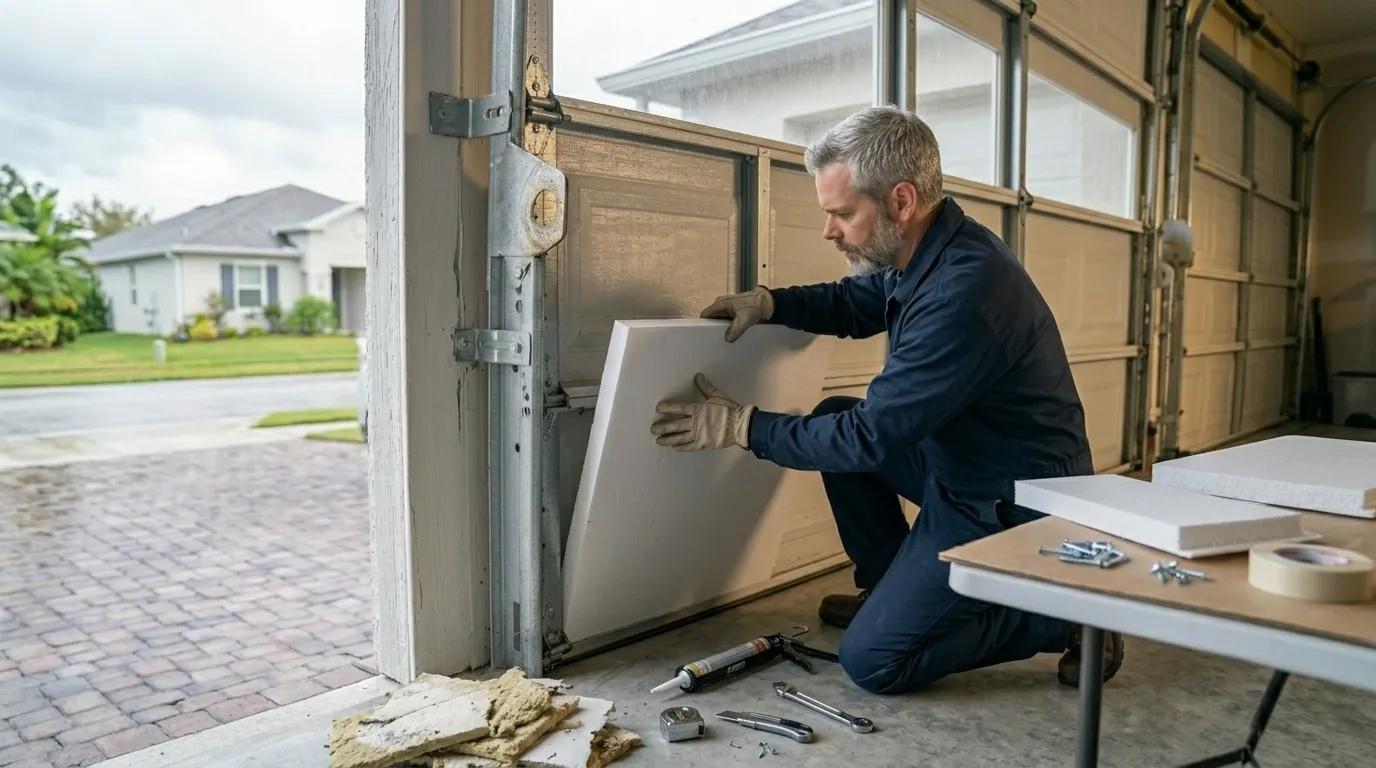
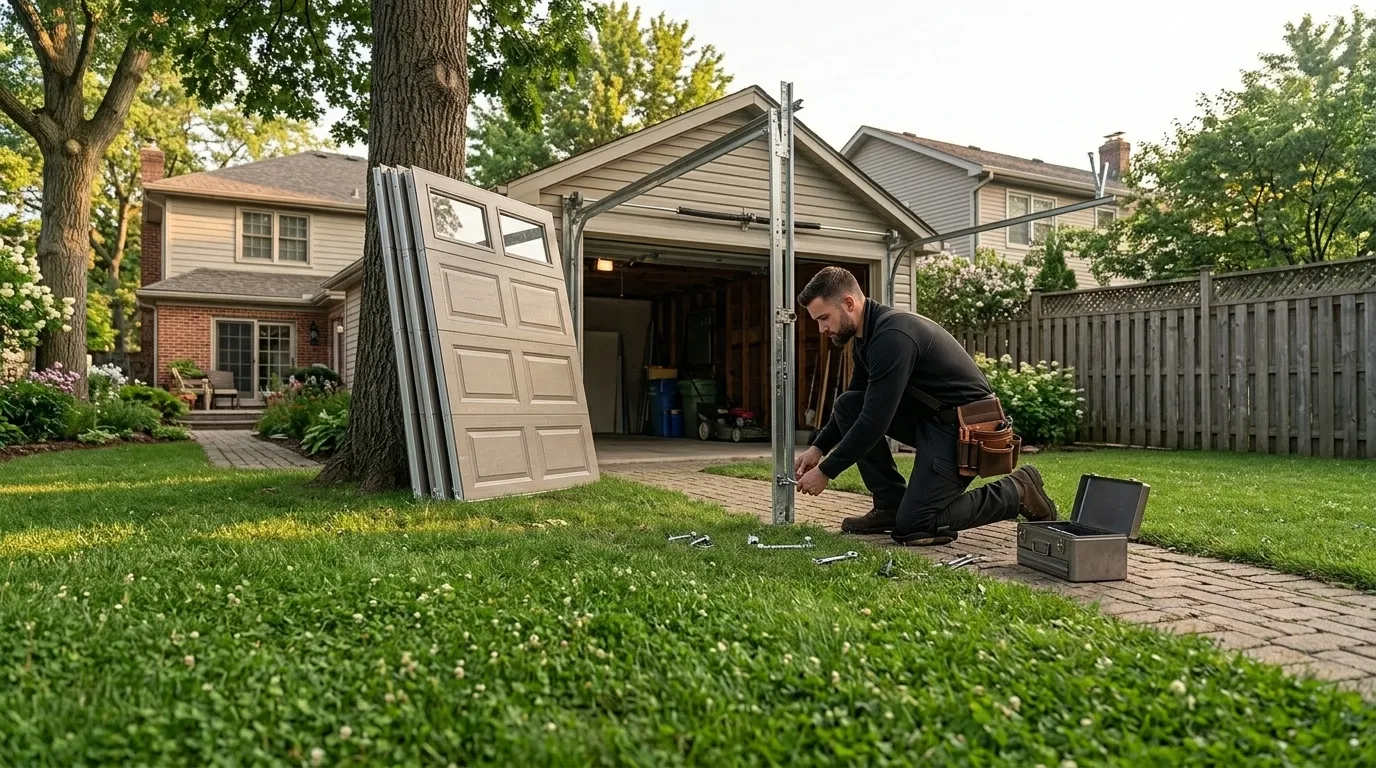
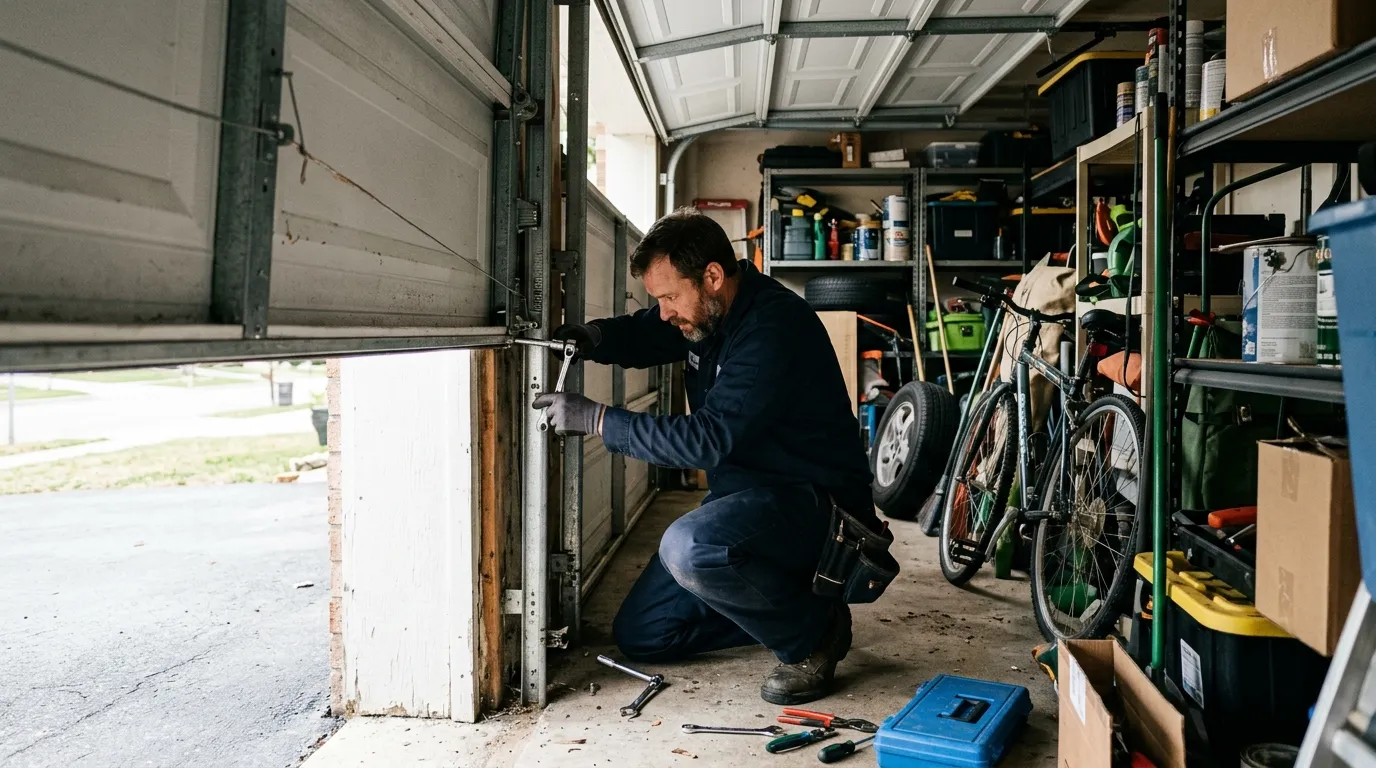
A new install looks simple on video - hang the panels, bolt the track, wire the opener. What's harder to see is torsion spring tensioning, which is genuinely dangerous if you get the winding bars wrong, and squaring the track so the door doesn't bind halfway up.
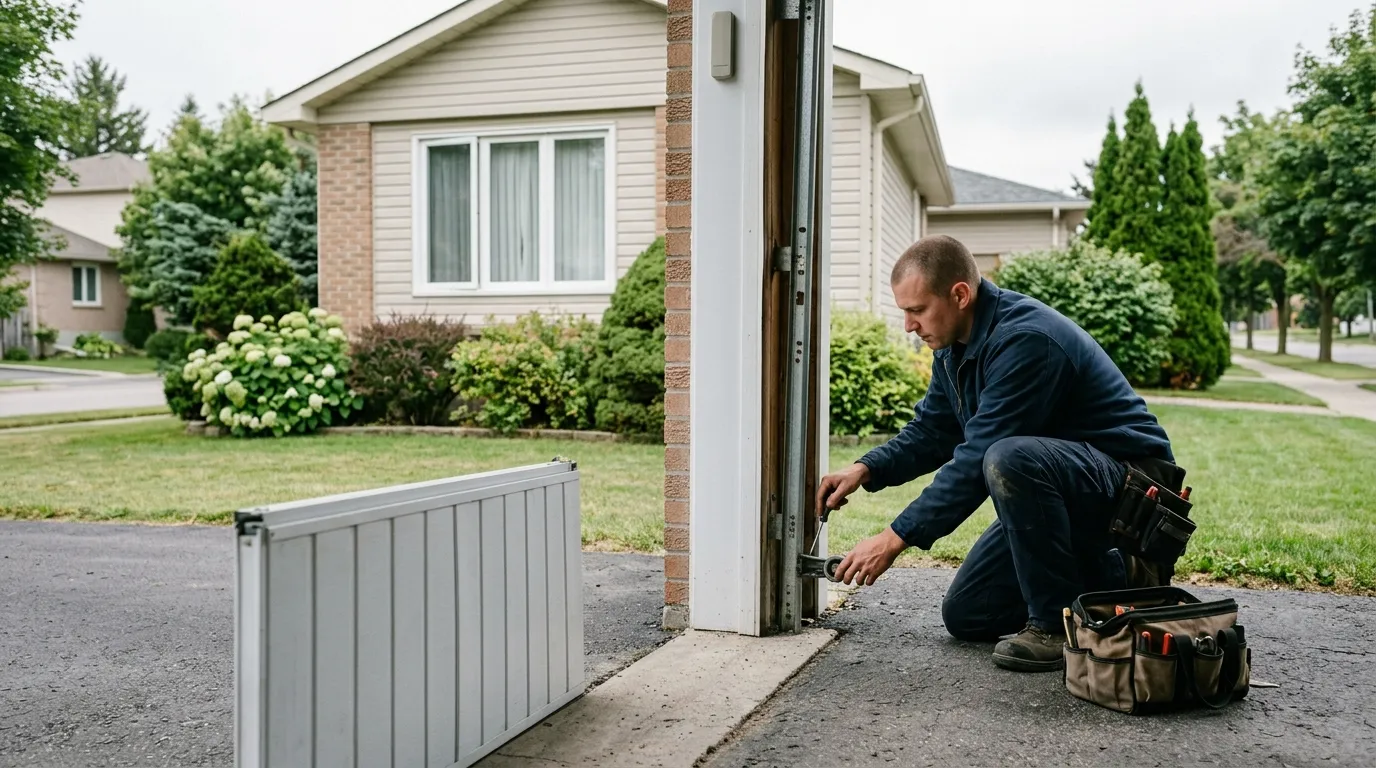
Because Roman Forest's housing stock is relatively young, most openings are standard sizes with square framing, which takes one variable off the table for a DIYer. That's a real advantage compared to older homes elsewhere in the area where the opening itself needs correcting before a new door will even sit right.
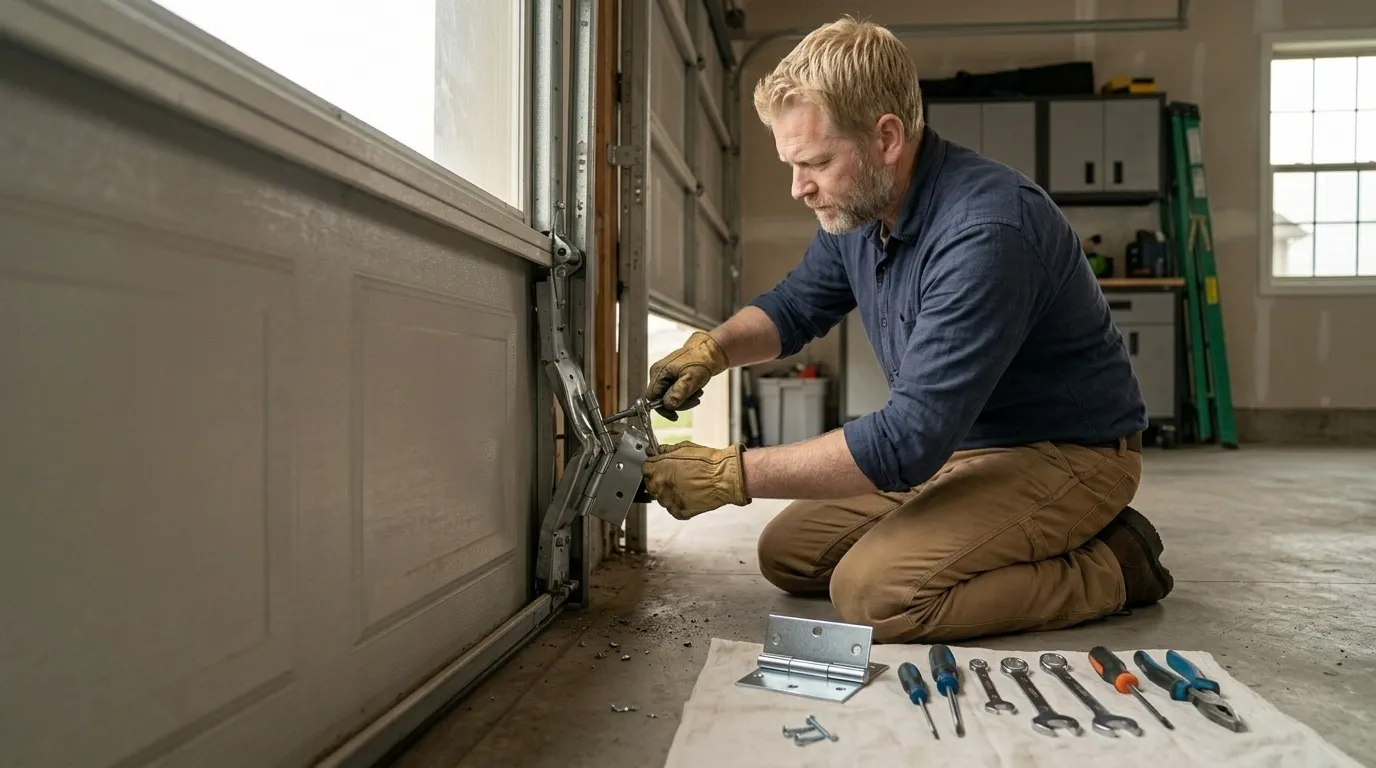
What doesn't change with a newer house is the spring system. Get the torsion spring wound to the wrong turn count and it either won't lift the door or it will, violently, in the wrong direction. If you're comfortable with the panel work but not the spring, that's a reasonable line to split the job on - hang the door yourself, call for the spring and opener hookup. We won't talk you out of doing part of it. We will tell you where the real risk sits.
What Can Go Wrong
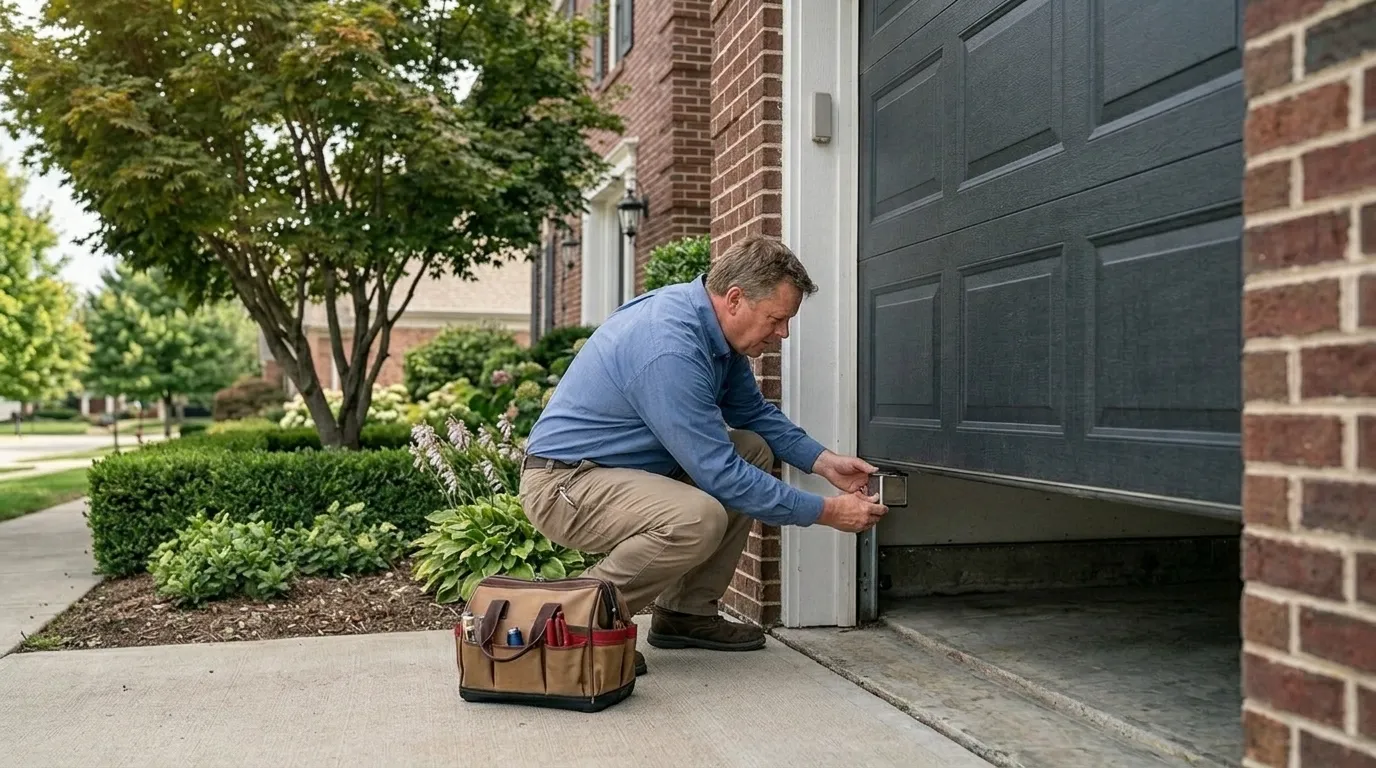
On a house built around 2001, the most common issue we run into on a new install isn't the opening - it's the opener wiring or the sensor alignment from whatever unit is already there, especially if it's being swapped out rather than a true first install. Wiring habits from that era don't always match what a current opener expects.
The other thing that catches people off guard is headroom for a newer opener with a belt drive versus an older chain unit - the clearance needed isn't always what the last install used, even on a garage that hasn't changed size.
We don't push replacement when a repair would do the job just as well. If your existing door and track are sound and it's really the opener that's failed, we'll say so rather than sell a full new install you don't need. That said, if you're at 20-plus years on the original door itself, springs and rollers rated for that era are usually near the end of their life anyway, and replacing the whole unit at once is often the more sensible spend.