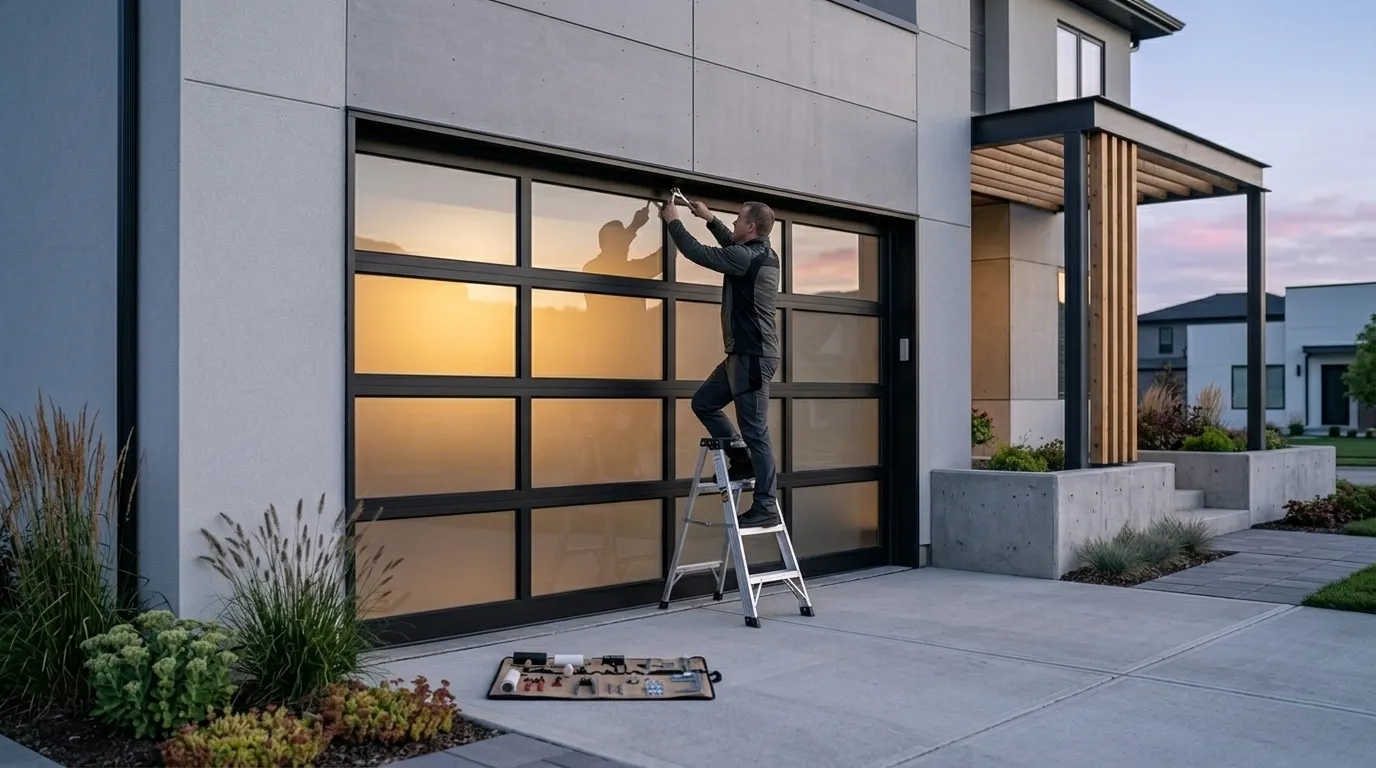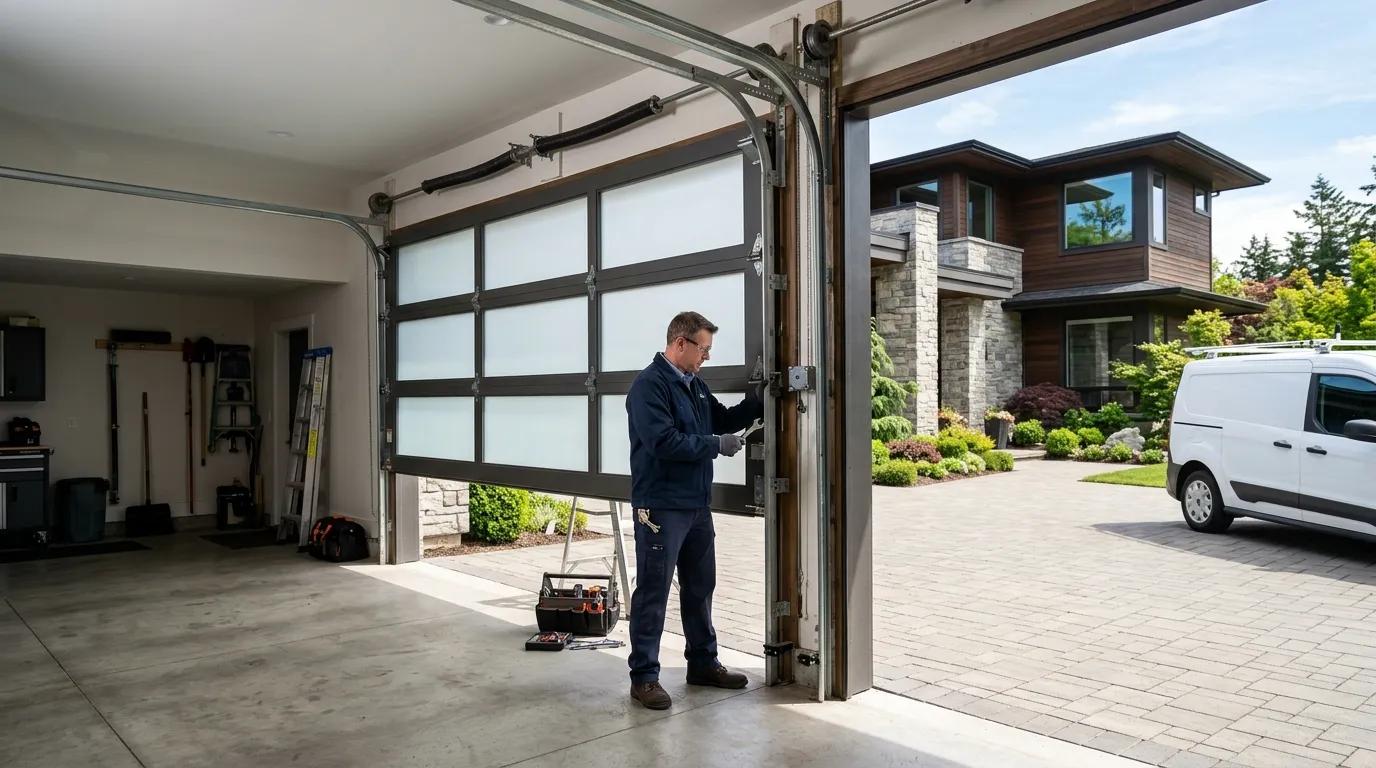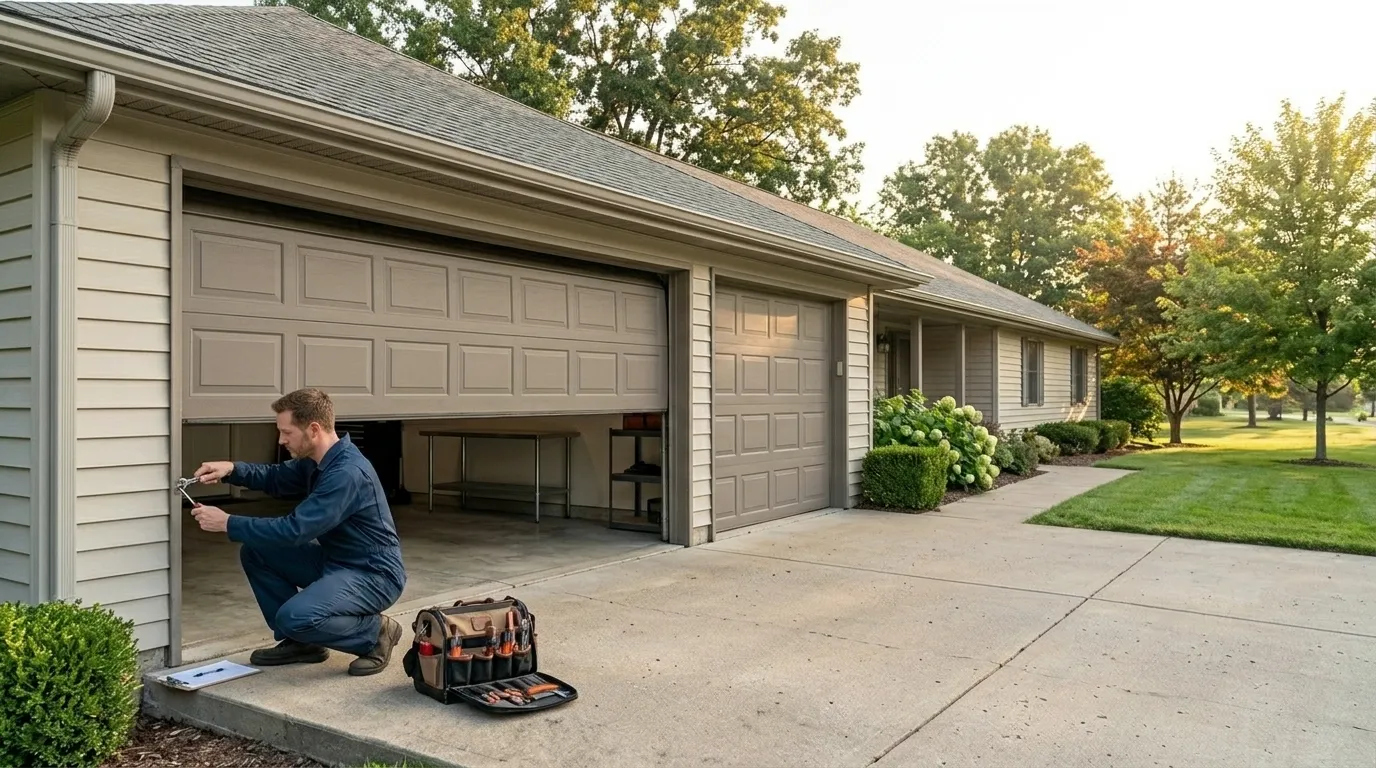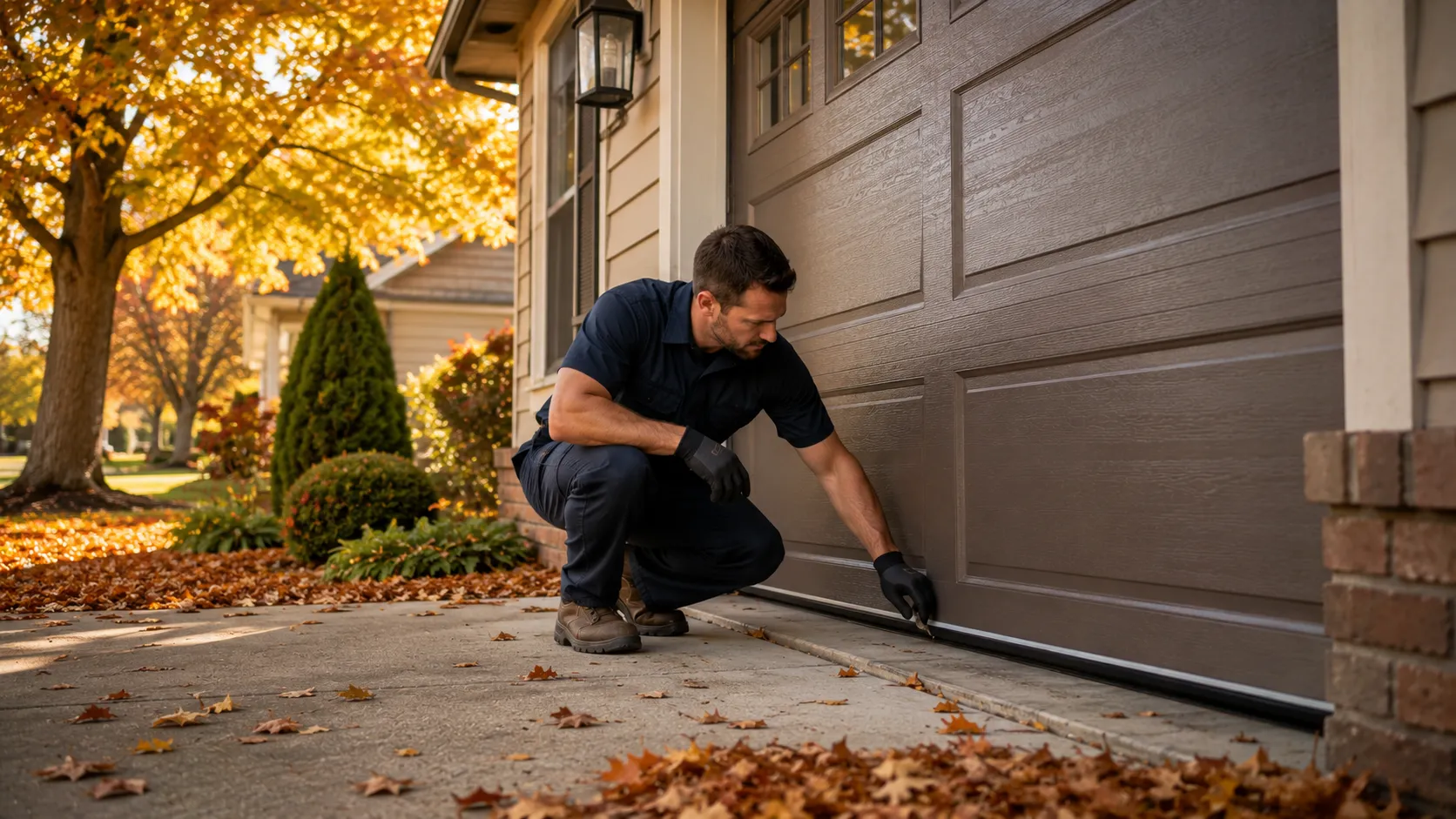
The Cost of This Job
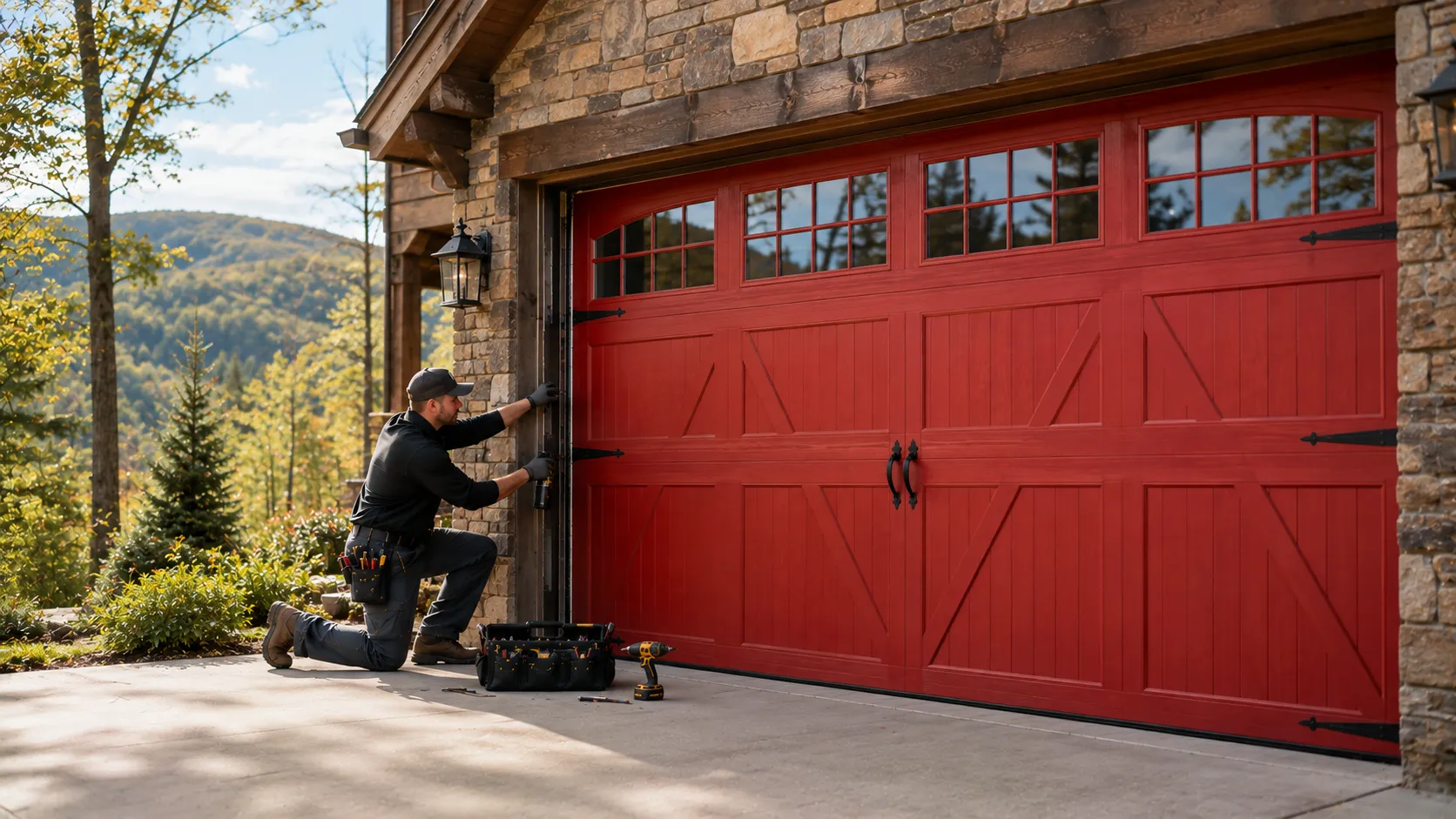
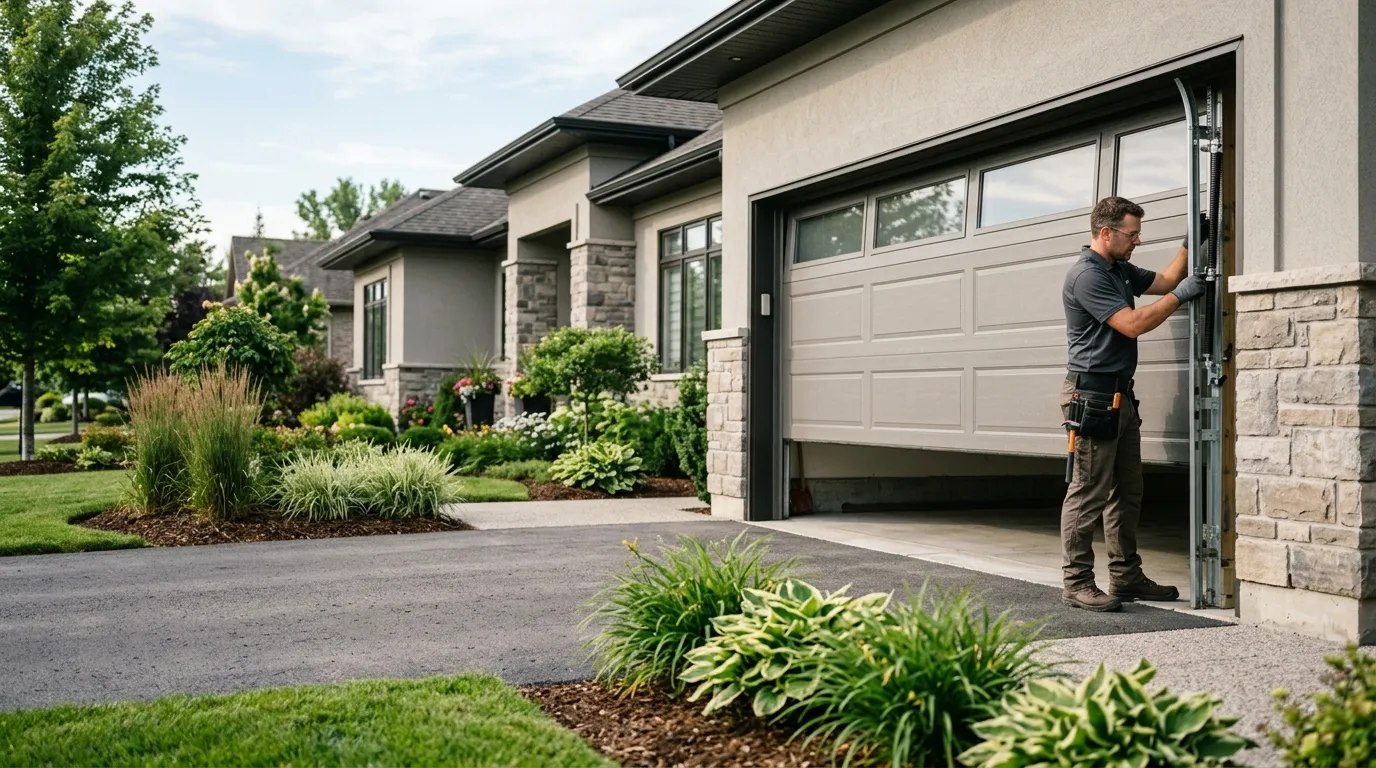
Most houses in Roman Forest went up around 2001, well after the wave of older single-panel doors that still shows up closer to Humble. That later build date matters here because it means the doors on these garages are almost always factory sectional steel, usually 24- or 25-gauge, put in by a builder who ordered a run of matching panels for the whole street. Replacing one damaged section on a door like that is a parts-matching job more than a fabrication job - we're hunting the right panel profile and color, not building something from scratch.
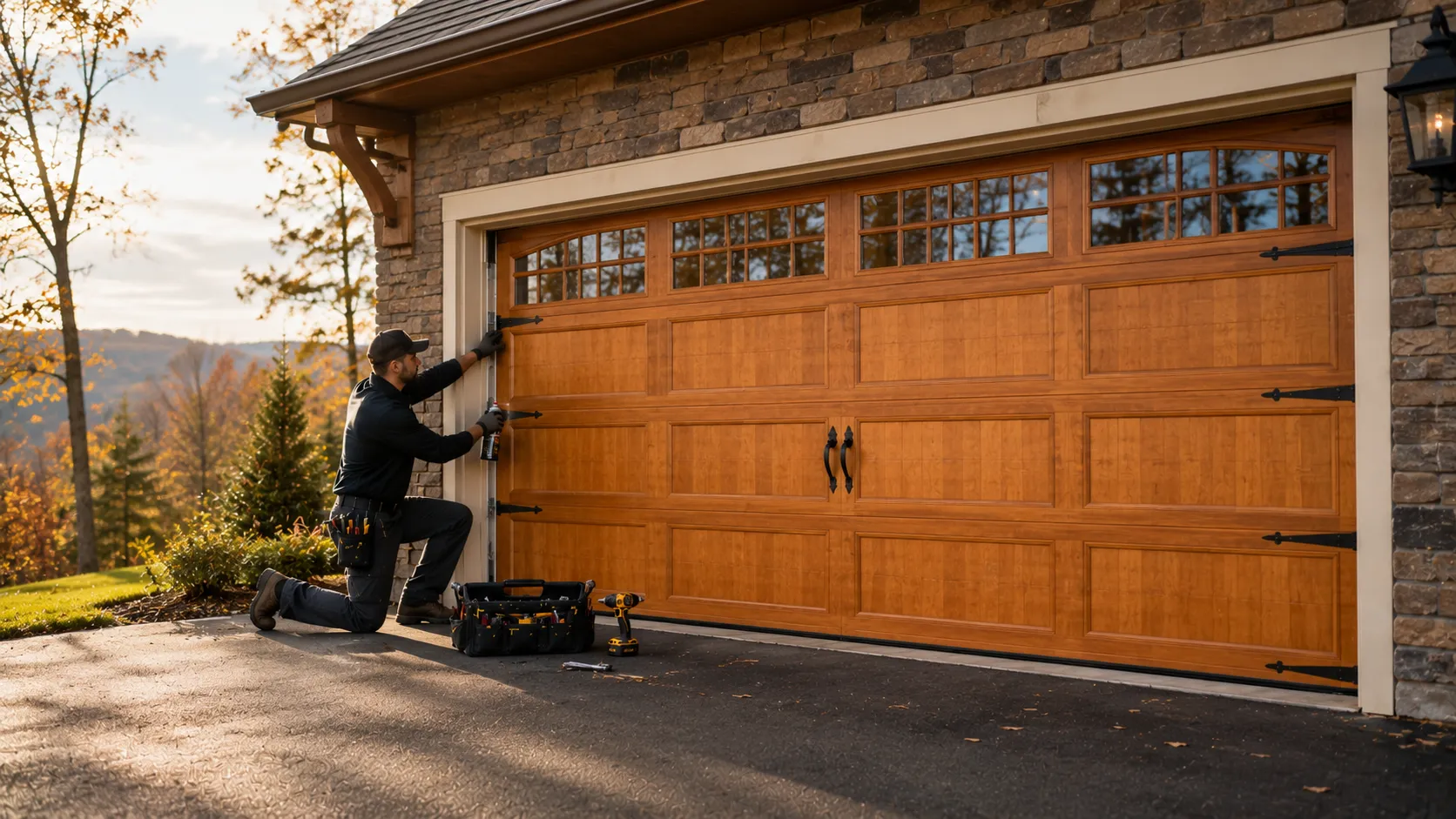
Cost runs on a few things: whether the door still has an active model line so we can order a true match, whether it's insulated (a lot of 2001-era builder-grade doors weren't), and how many panels took the hit. A single bottom panel from a backed-into door is a different bill than three panels bowed from wind or a bad opener reversal. We quote after we see the door and pull the model number, not before.
One limitation worth saying up front: if the door is old enough or obscure enough that the manufacturer discontinued the panel profile, we're looking at a full door replacement instead of a patch. That's not us upselling - it's what happens when the parts don't exist anymore.
Doing It Yourself
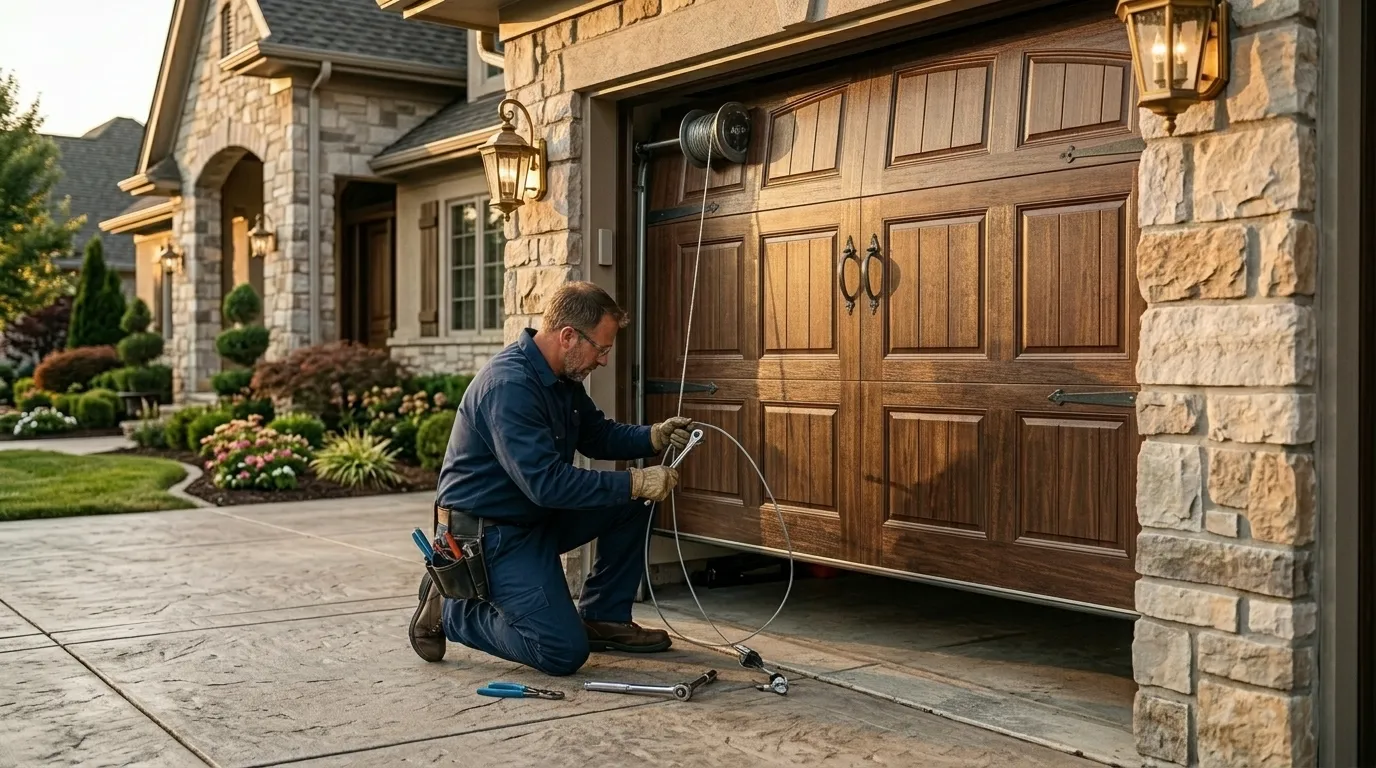
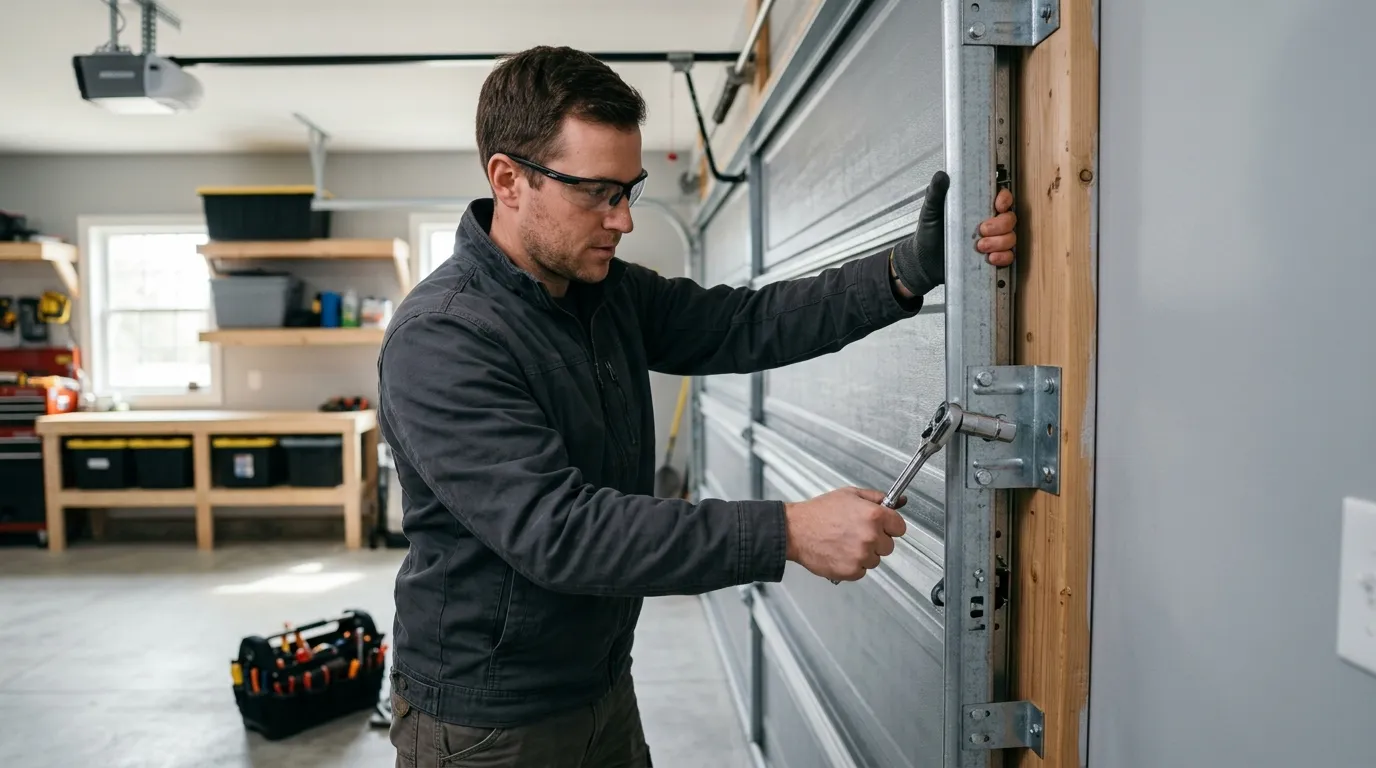
A cracked or dented panel looks like a job you could tackle with a kit panel from a hardware store, and sometimes it is. But sectional garage doors from the early 2000s builder era are held together with hinges and a torsion spring system under real tension, and pulling a panel means disconnecting hardware that can put a spring-loaded track section back at your head if it's rushed. If the door still moves and seals fine and it's just one bottom panel that's cosmetic, a careful homeowner can manage that alone.
Where it gets risky is matching. Roman Forest's housing stock is young enough that manufacturers may still list the exact panel profile, but ordering the wrong gauge or the wrong window cutout means a door that closes crooked or won't seal against the mild, occasionally freezing winters this part of Texas gets. We've seen DIY panel swaps that fixed the dent and created a new gap at the bottom seal instead. If you're not sure the replacement panel is an exact match, it's worth a call before you cut into anything.
What Can Go Wrong
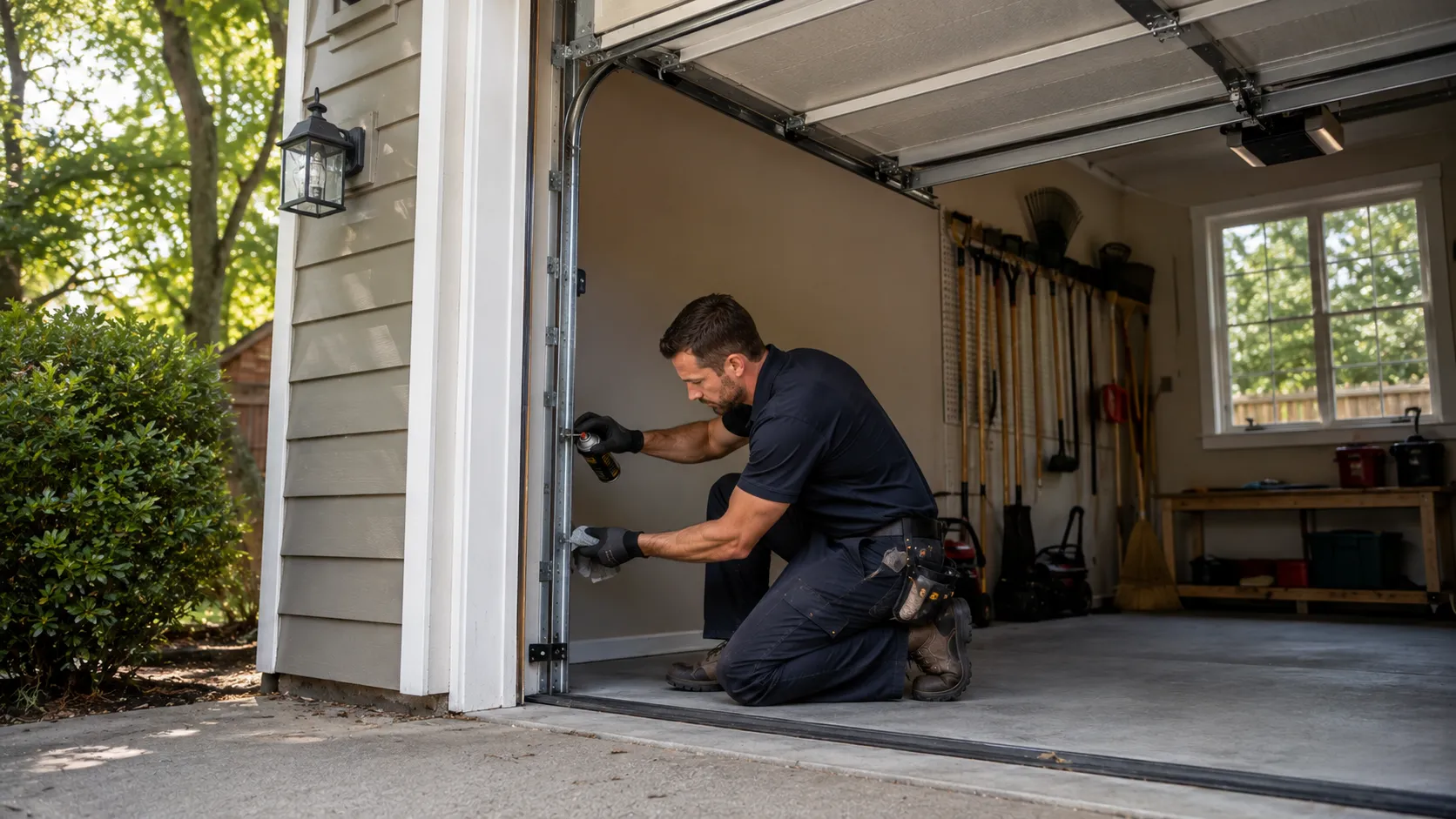
The most common failure we see on doors from this build era isn't the panel steel itself - it's the track alignment once a panel is bent. A dented section can bow the door just enough that rollers bind in the track, and if that gets driven through a few times before anyone calls, the roller and track wear compound the panel damage. Mild winters here don't crack steel the way hard freezes do further north, but the area does see occasional freezes, and cold snaps make already-bent steel brittle enough to crack further at the dent line instead of just denting deeper.
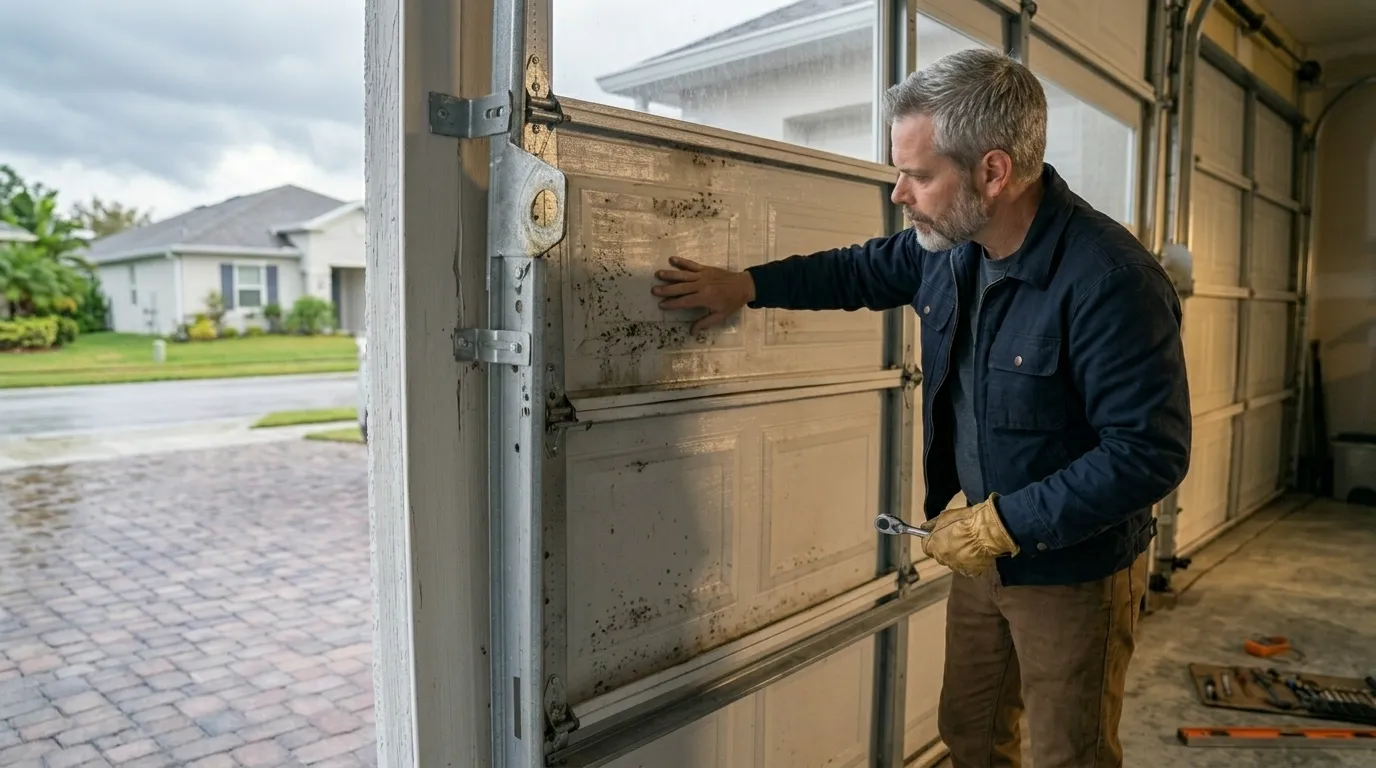
Water intrusion is the other one. A gap from a bowed panel lets rain track down the inside of the door, and on an insulated panel that means the foam core can hold moisture against the steel skin from the inside, which nobody sees until the panel starts rusting from behind. We check for that during any panel job, insulated or not, because catching it early is a lot cheaper than replacing panels twice.