Stocked Parts
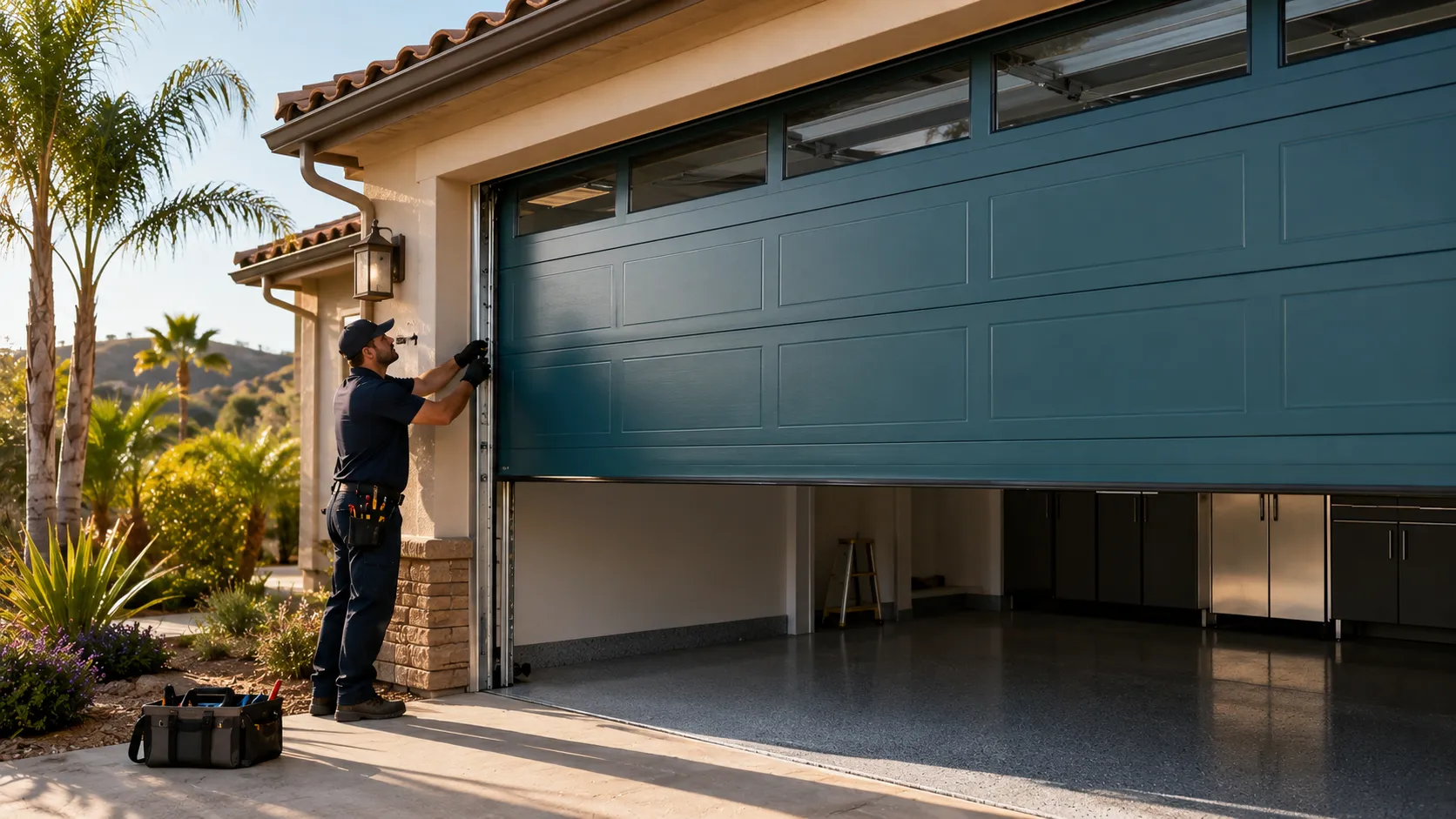
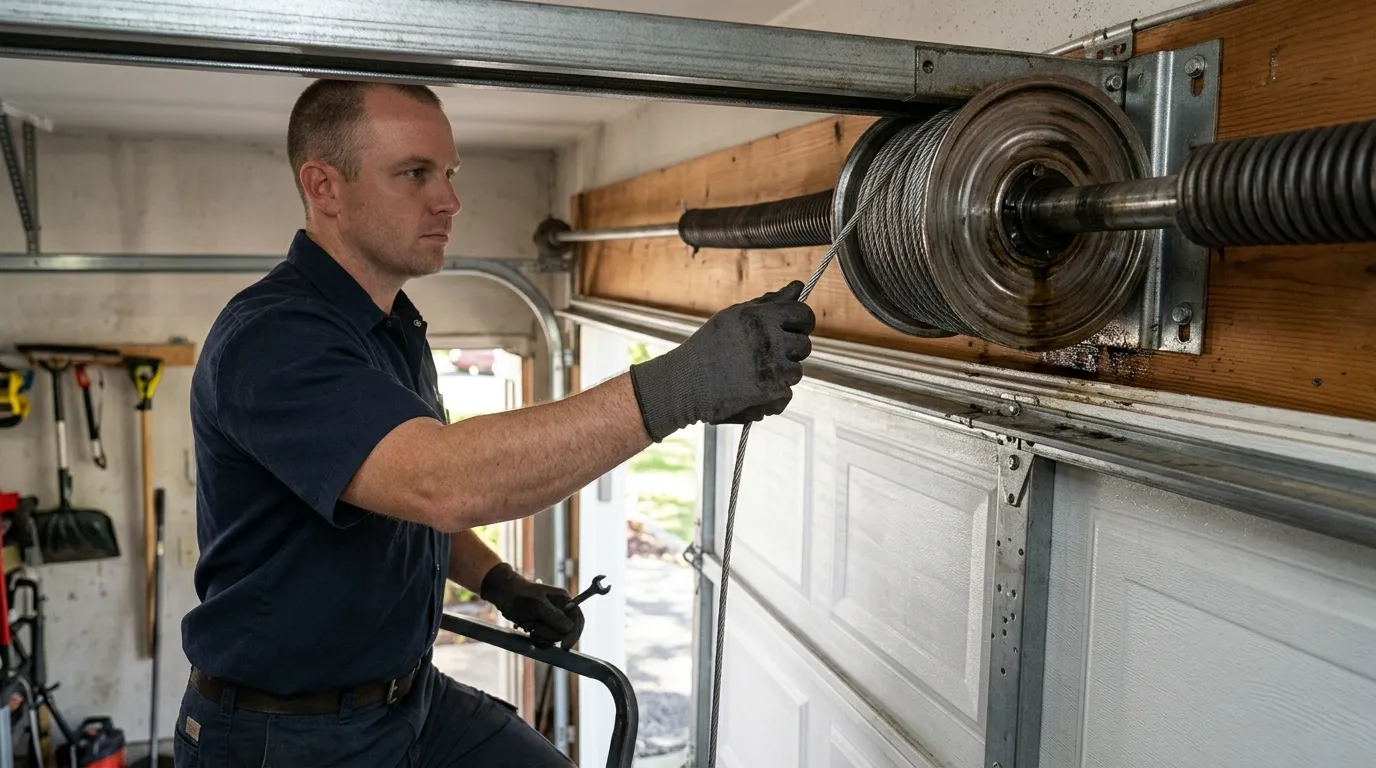
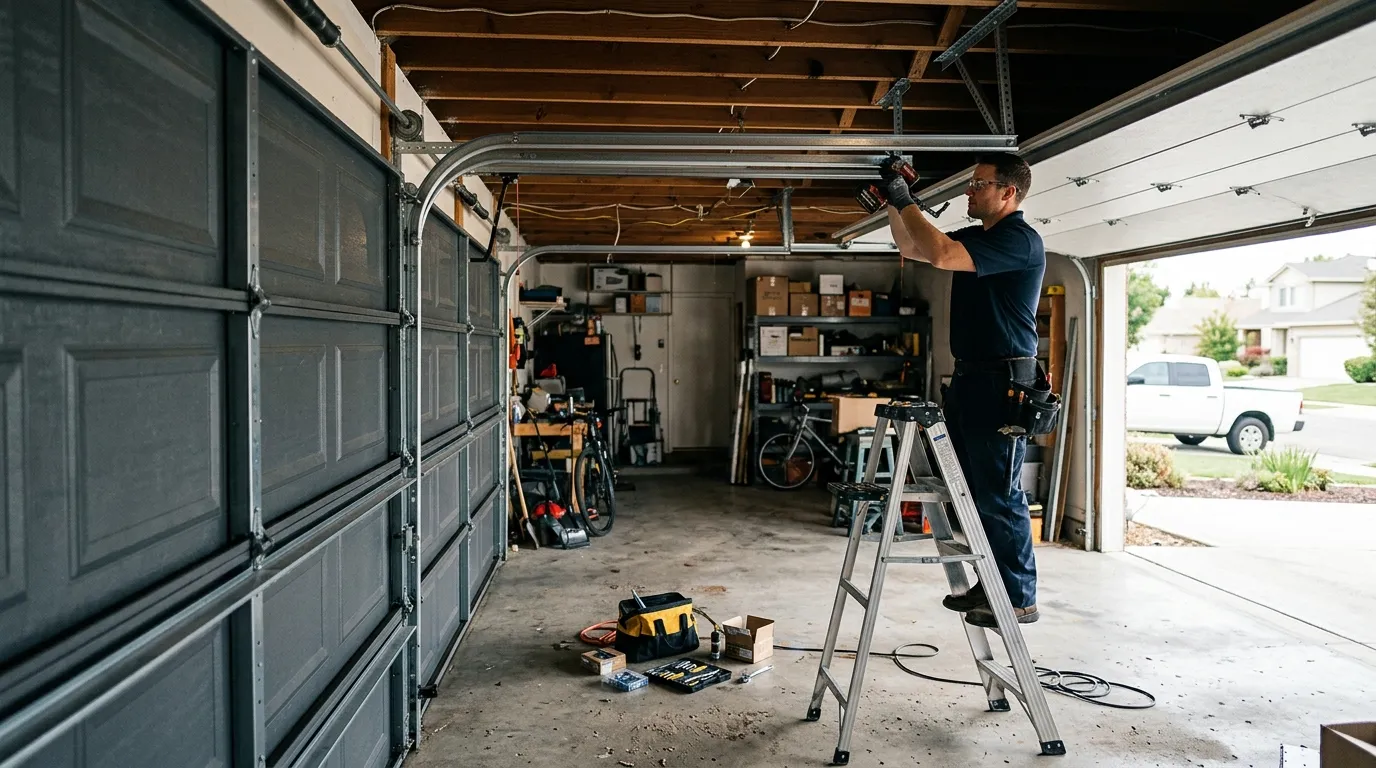
Sheldon's median house was built around 1977, which puts a lot of these garages on hardware nobody has touched since the Carter administration. If your torsion spring has never been swapped, it's the one that came with the house - wound to a spec that assumed a lighter, single-layer steel door, not the insulated double-layer panel a lot of owners have since bolted onto the same track. We carry a range of torsion spring wire sizes and inside diameters on the truck because a house from this era can go either way: original torsion on a center shaft, or an older extension-spring setup along the horizontal tracks if the door itself predates a mid-life torsion conversion. We also carry the end bearing plates and cable drums that tend to wear out at the same time as the spring, since replacing one without checking the other is how a second call gets scheduled two weeks later. What we don't stock is anything oddball or discontinued - if your door is a specialty size, that part may need to be ordered before we come back out.
Doing It Yourself
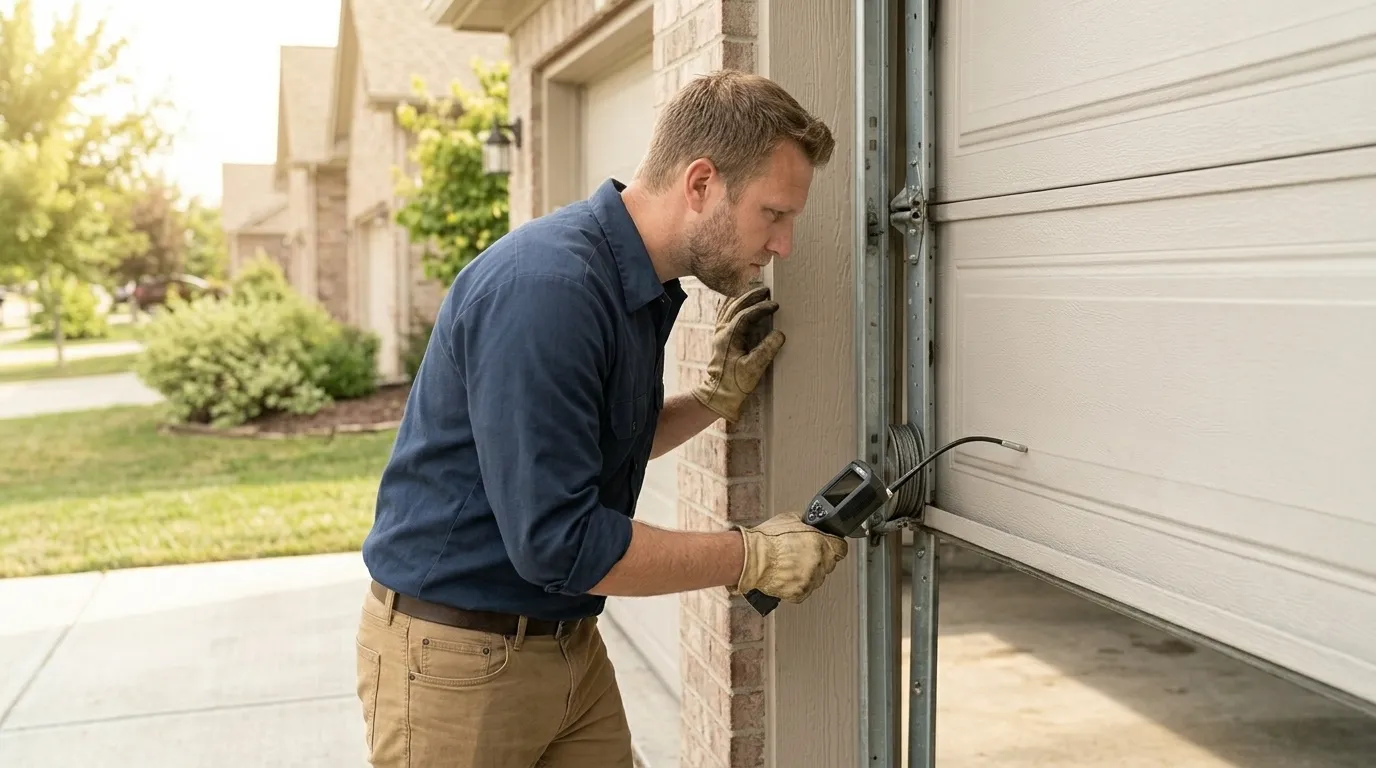
A torsion spring is wound under enough tension to break a wrist or worse if the winding bars slip, and that risk doesn't go down because the house is older - if anything it goes up, since a spring that's sat under load since the 1970s or 80s is more likely to have corroded or fatigued unevenly. What you can safely check yourself: whether the door is off track, whether one side of the spring is visibly gapped or stretched compared to the other, and whether the opener is straining or reversing before it closes. That tells us what we're driving into. Winding or unwinding the spring, cutting a cable, or trying to re-seat a drum yourself is where we draw the line - we won't talk you through that part over the phone, and no reputable shop should. If a cable has already come off the drum, leave the door down and don't run the opener again until someone's looked at it.
Time on the Job
Once we're on site, a spring replacement on a single door is usually a same-visit job - it doesn't take all afternoon. Where it runs longer is when the hardware is original and everything downstream of the spring has aged along with it: cable drums that are grooved, bearing plates that have seized, or a center bracket that's worked itself loose over four decades of use. On a house from Sheldon's build era, we budget time to check those parts while we're already in there, because coming back a second time for a worn drum nobody looked at the first time is a waste of everyone's afternoon.
What the Repair Takes
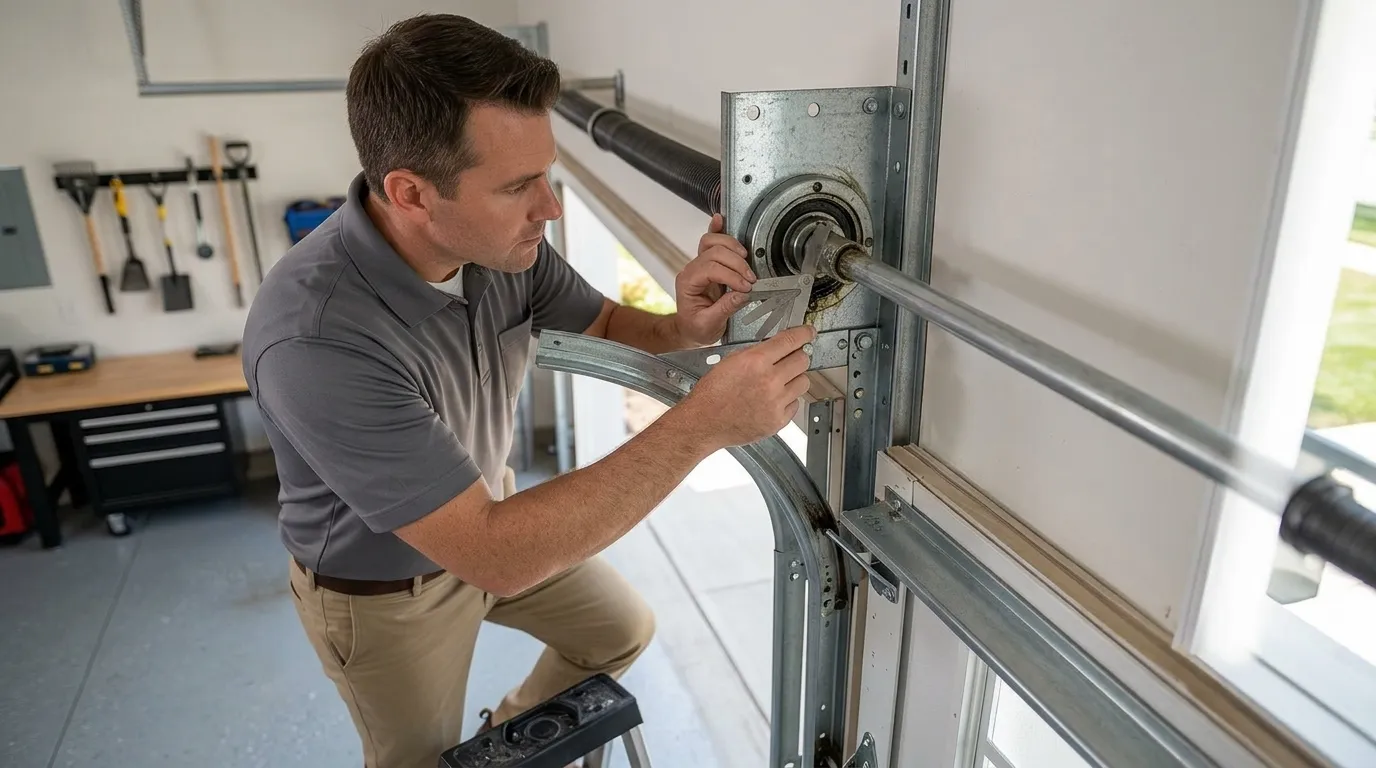
The job itself needs winding bars, a properly sized replacement spring, and someone who knows how many quarter-turns that particular door needs - get the wind wrong and the door either won't stay open or slams down too fast. On the original hardware still common in Sheldon's older homes, we're also checking the set screws on the winding cone, since those loosen over time and are a common reason a spring that was 'just replaced' fails again within a year. We travel out from Humble for this work; there's no branch or standing crew based in Sheldon, so the job is scheduled around the drive, not around walk-in availability.