Season by Season
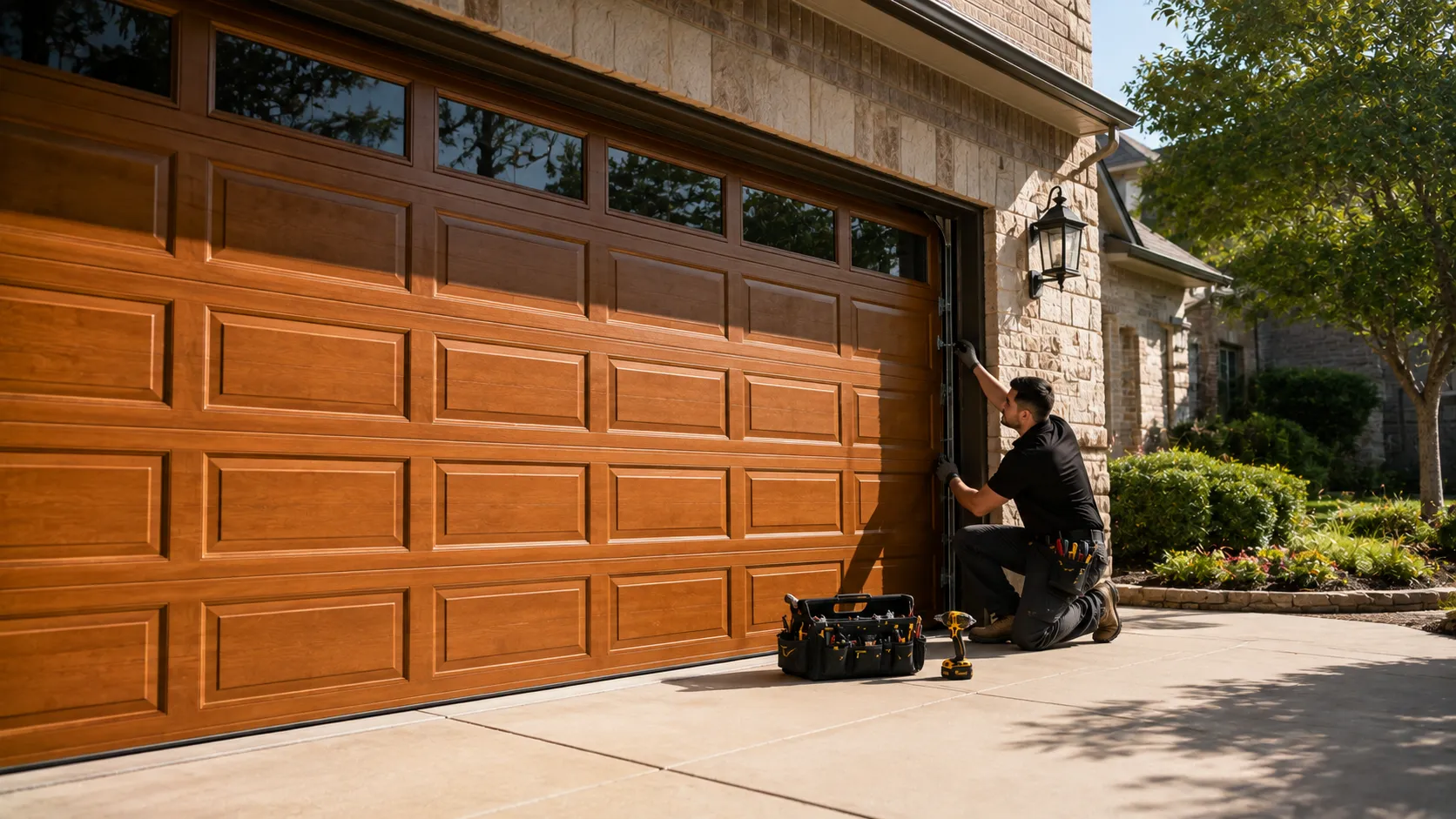
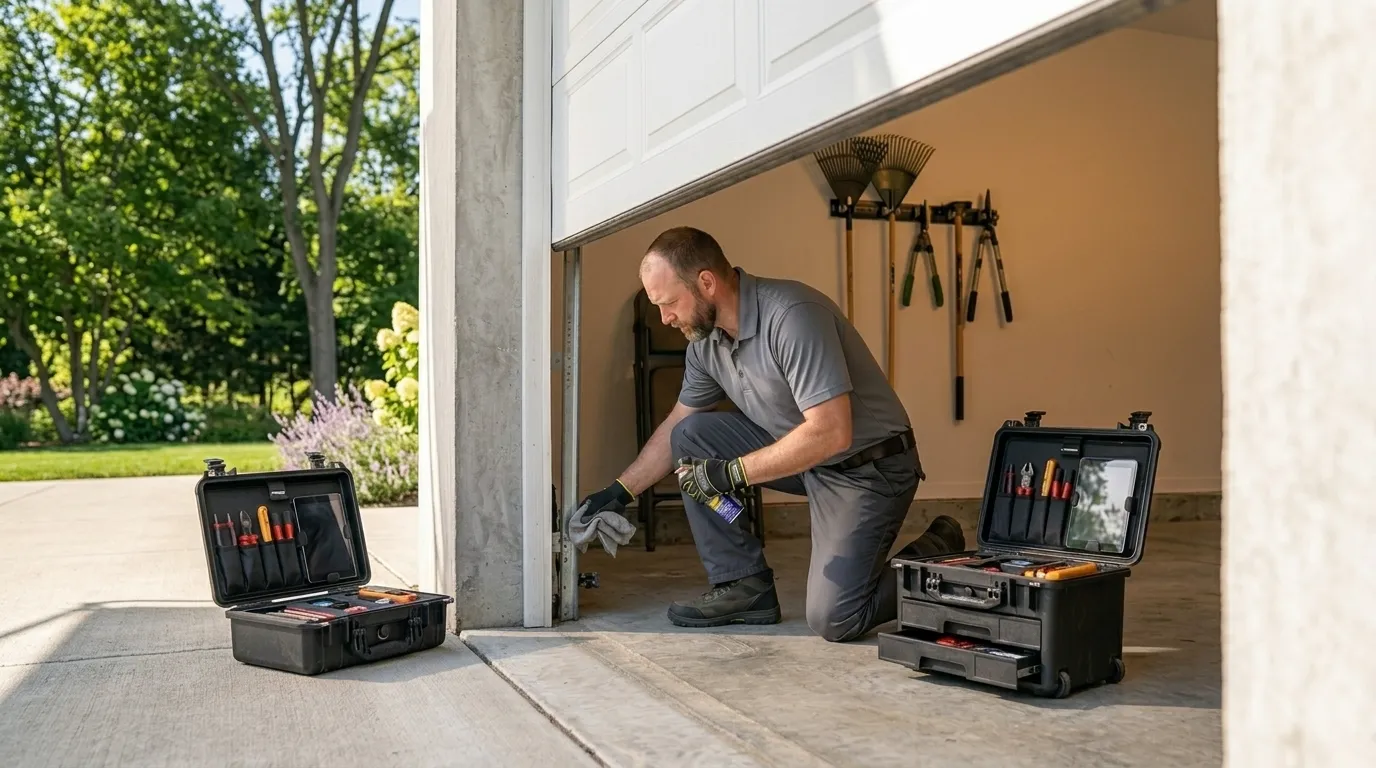
Humble sits in a mild band that still gets the occasional freeze, and that swing matters more to a garage door than most owners think. In summer, steel panels and torsion springs expand under heat, and the extra load on an opener motor already carrying humidity-swollen wood trim panels shows up as slower cycles or a motor that runs hot. Come the rare freeze night, lubricant that was fine in July stiffens overnight, and a spring that was already tired snaps on the first cold-morning open. We don't get the deep-freeze cycle that cracks concrete slabs the way northern climates do, so the wear pattern here is steadier - less about ice damage, more about grit, humidity, and heat cycling wearing down the same moving parts year-round. A service call in spring usually catches lubrication and balance issues before they become a broken spring in August. A call in early winter usually catches a spring that's already lost tension before the first cold morning finds it. Timing the call to the season isn't a sales pitch - it's matching the visit to what's actually stressing the door that time of year.
What to Look At First
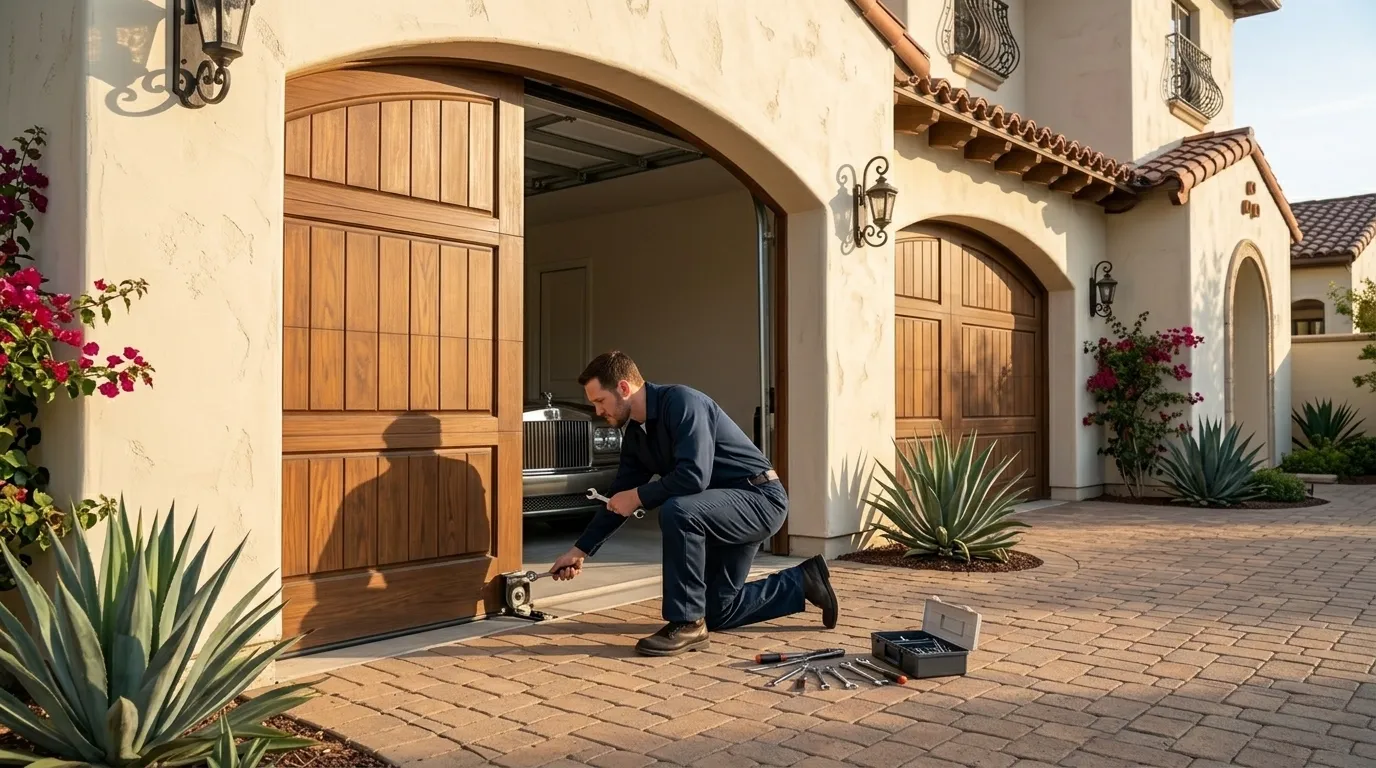
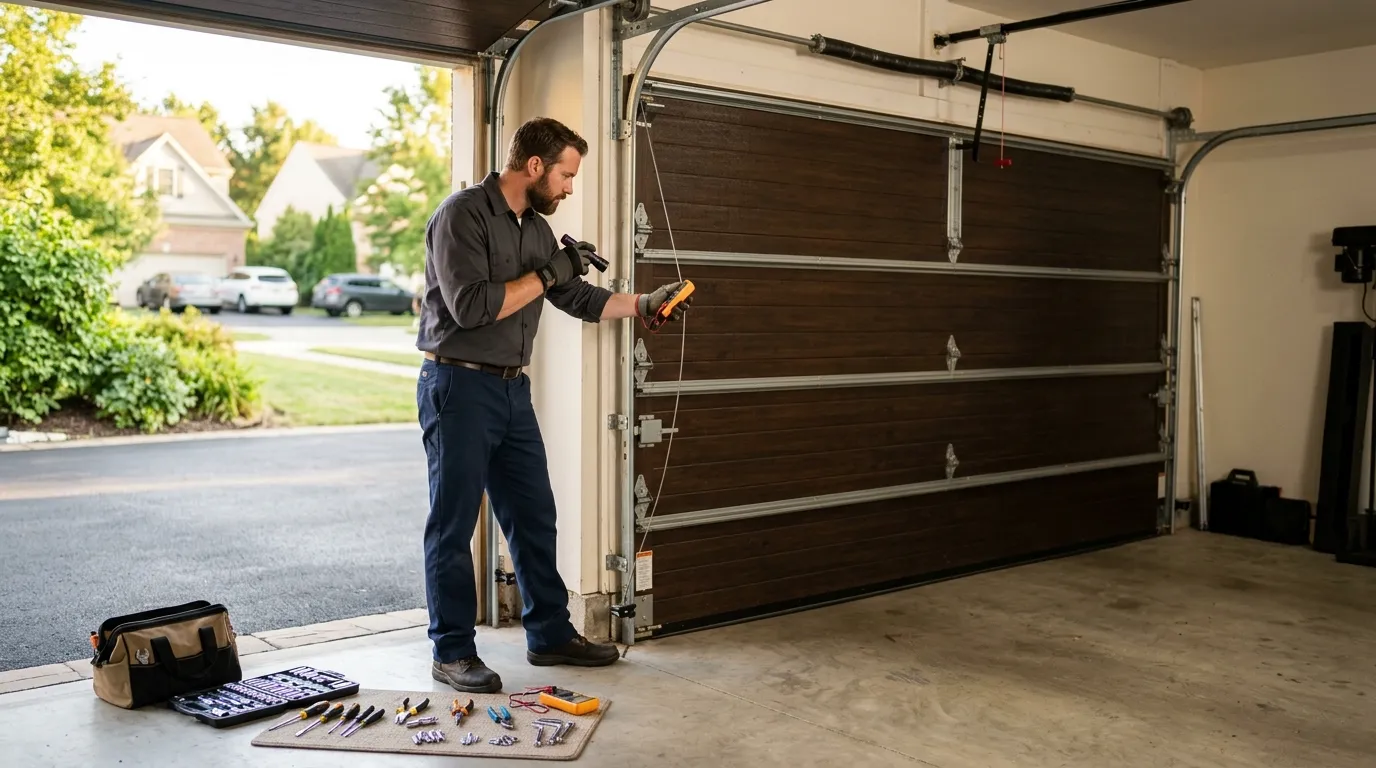
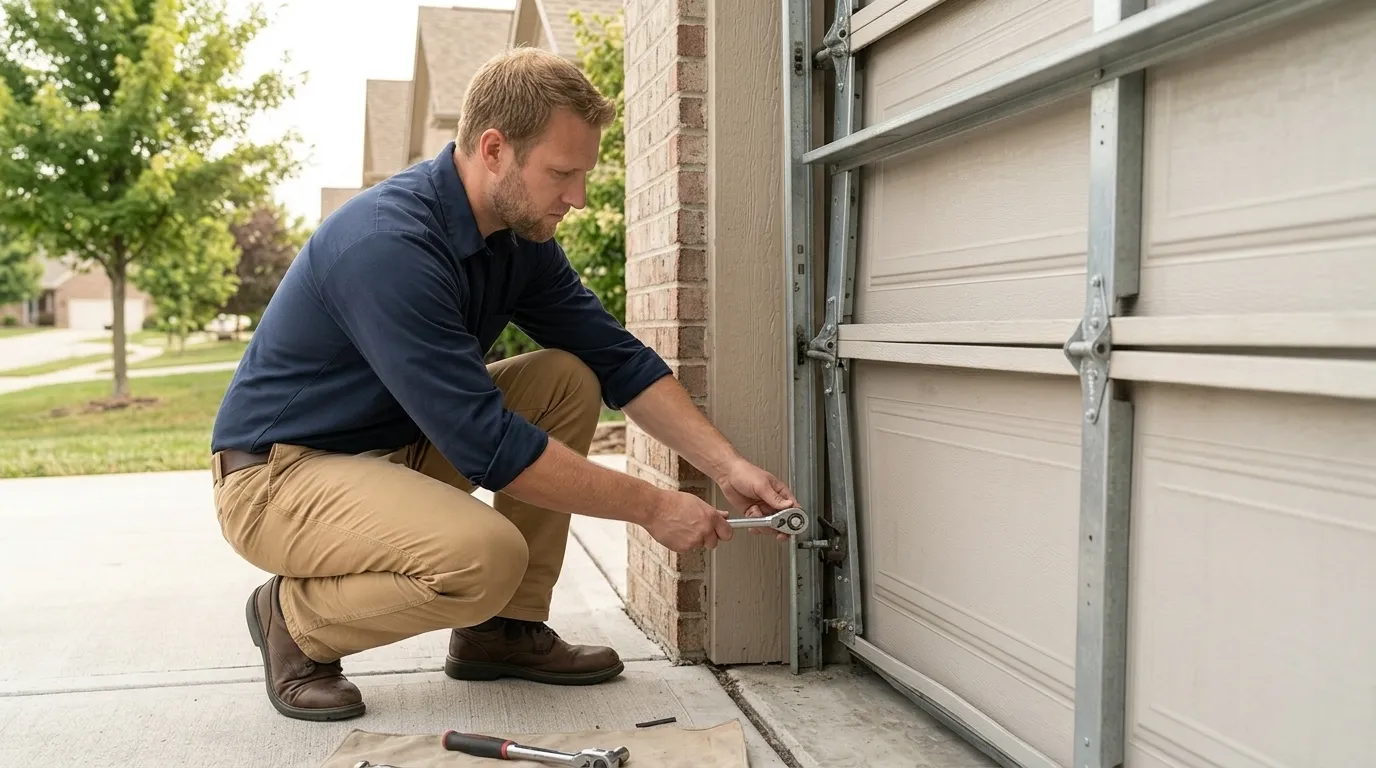
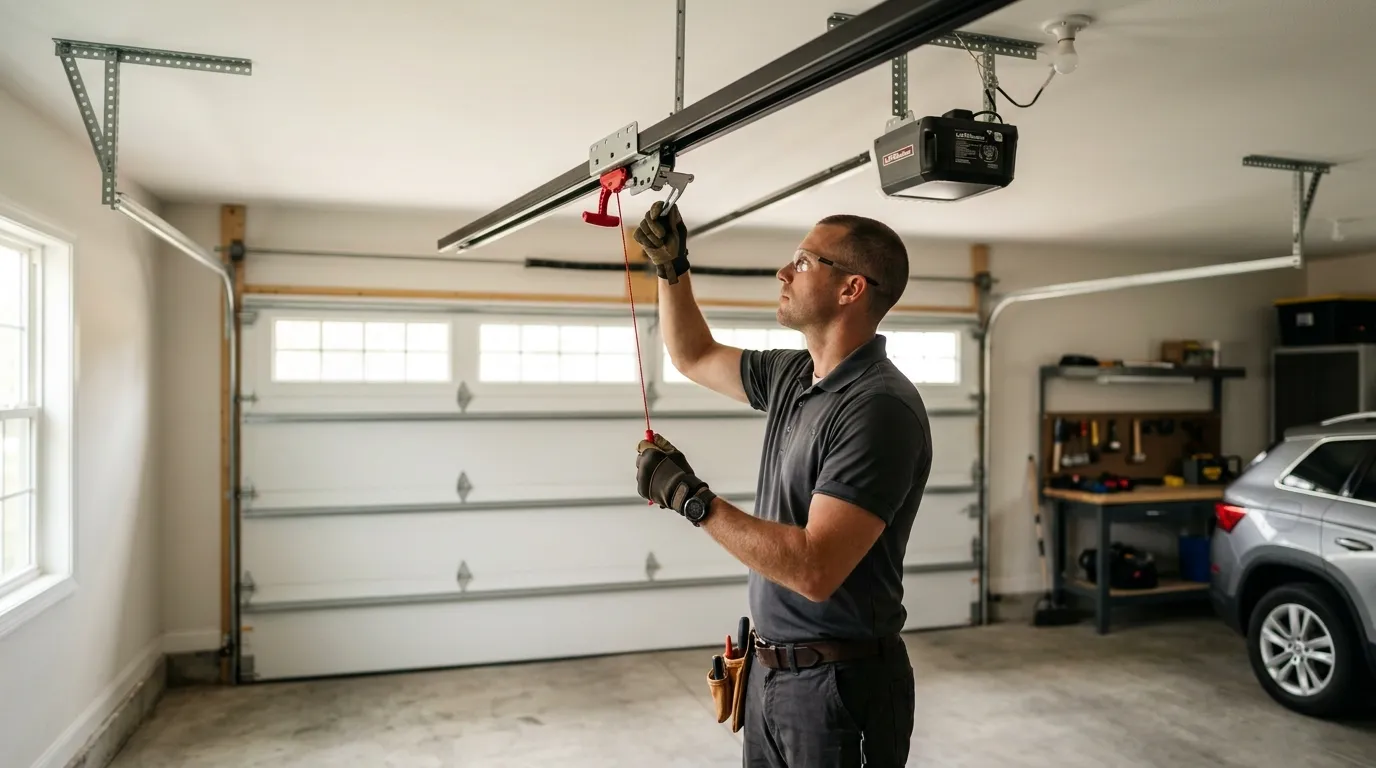
Most of the housing a service call reaches in this area went up between 1956 and 2011, with the bulk of it dating to the 1980s and 90s across the eighteen named areas we cover. That means the tech is usually looking at a door and opener that are not original equipment - somewhere along the way an owner or a previous tech swapped in a newer opener on older track, or replaced a spring without checking whether the drum and cable size still matched. First thing on the call: cycle the door by hand with the opener disconnected, check spring tension against the door weight, and look at whether the track and hinges match the door's actual age or were patched piecemeal. On a house from the early 80s stock, we're often finding hardware from two or three different decades bolted together. That mismatch, not any single failed part, is usually the real reason a door feels rough or an opener strains.
How Local Conditions Play In
With housing stretching back to 1956 and up through 2011, a lot of doors and openers in the areas we reach - Aldine, Kingwong nearby, Sheldon, Crosby, and the rest out to Dayton at 20 miles - are running original torsion hardware that was never rated for the opener a homeowner added later. The mild-with-freeze climate here doesn't demand the heavy weatherproofing a colder region needs, but it does mean humidity swings that warp older wood-composite panels and corrode springs that haven't been lubricated in a few years. A service call in this area spends real time checking spring gauge against door weight, because a spring sized for a 1980s steel door is often wrong for a heavier insulated replacement panel installed later. That's the local wrinkle a generic checklist misses.