The Split Between Old and New
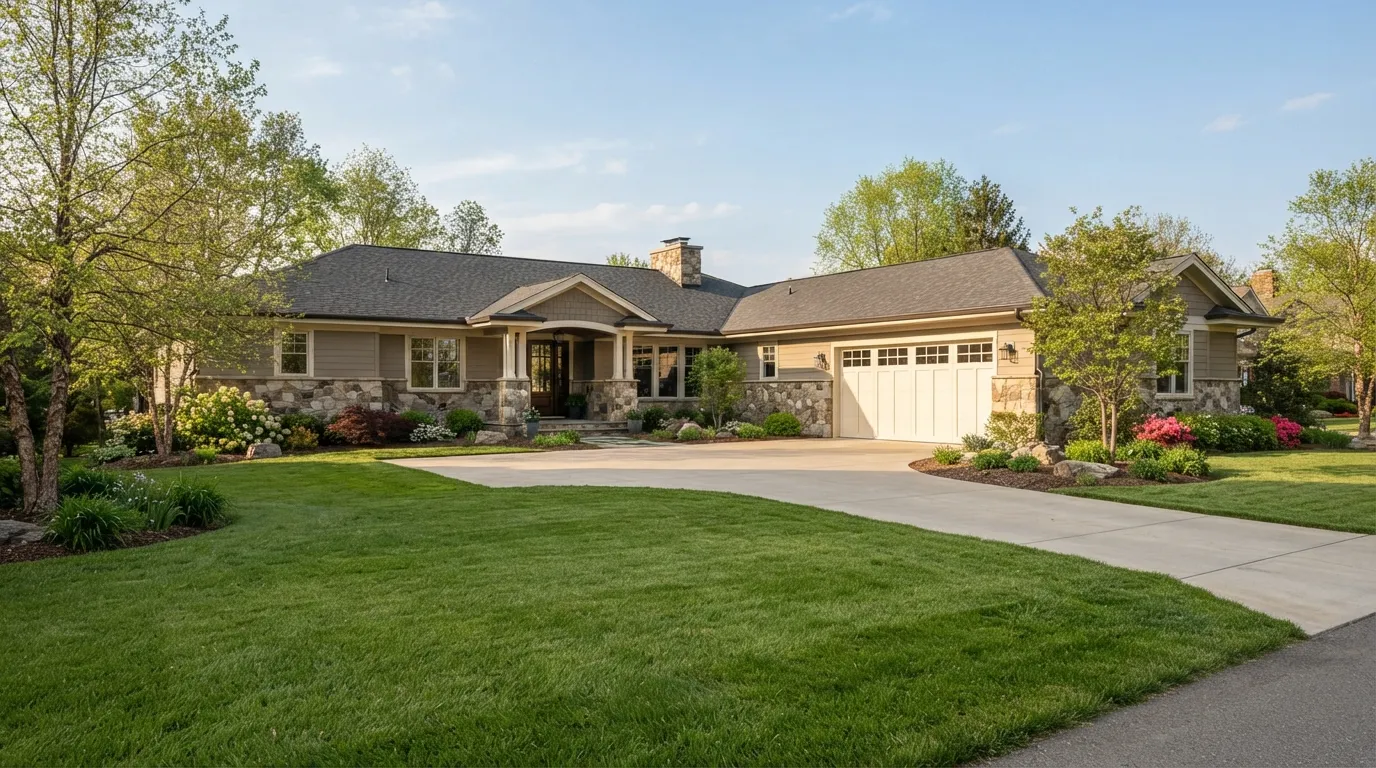
Jacinto City sits apart from a lot of the area we cover. Across the wider service area, homes went up anywhere from 1956 to 2011, with the typical house dating to about 1981 - a mix of eras and door types. Jacinto City doesn't follow that pattern. The median year built here is 1960, which puts most of the neighborhood two decades older than the area norm. That's not a small difference. A door installed on a house built in 1960 has usually been replaced once or twice already, but the opening itself, the framing, and often the electrical run to the opener are original to a house from that era. When we get a call from Jacinto City, we're not expecting the same setup we'd find in a subdivision built in the 1990s, and we don't treat it that way.
What the Housing Means for Your Door
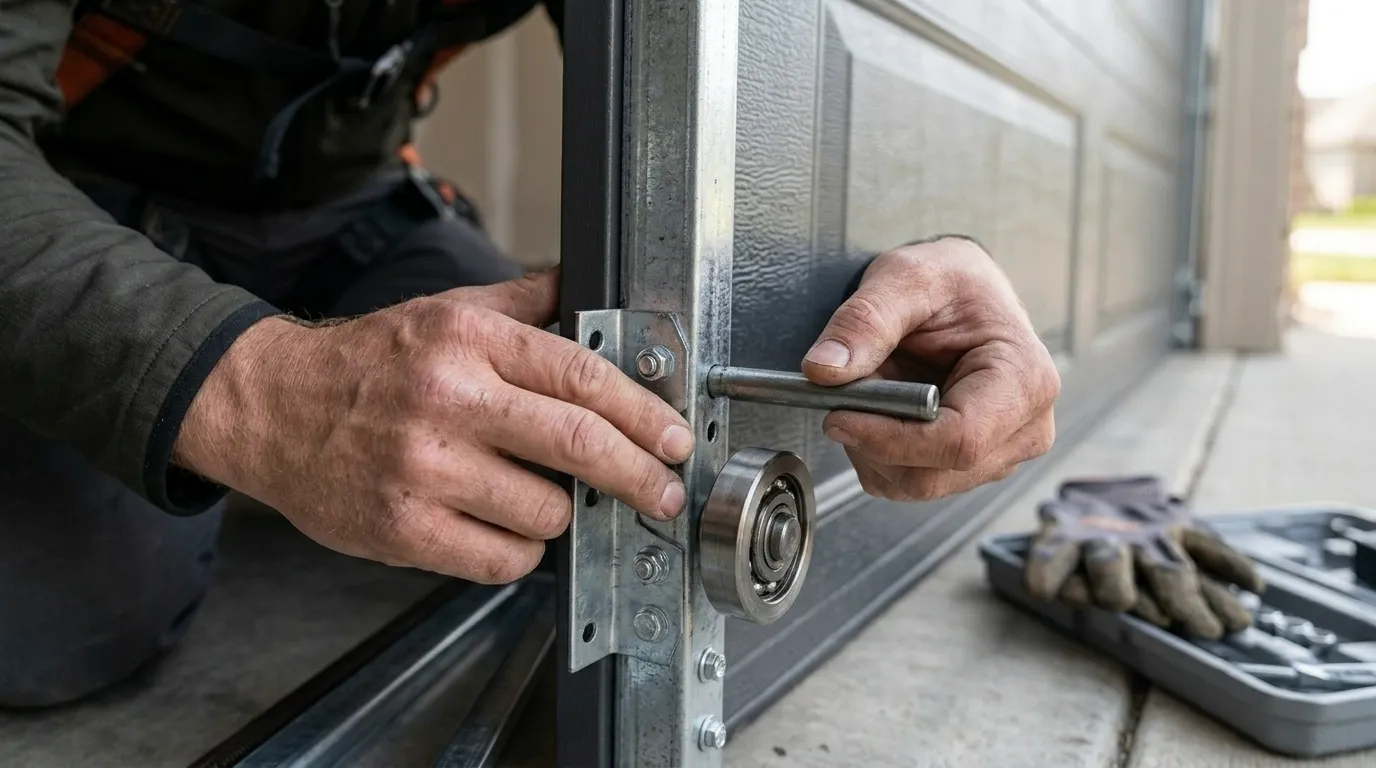
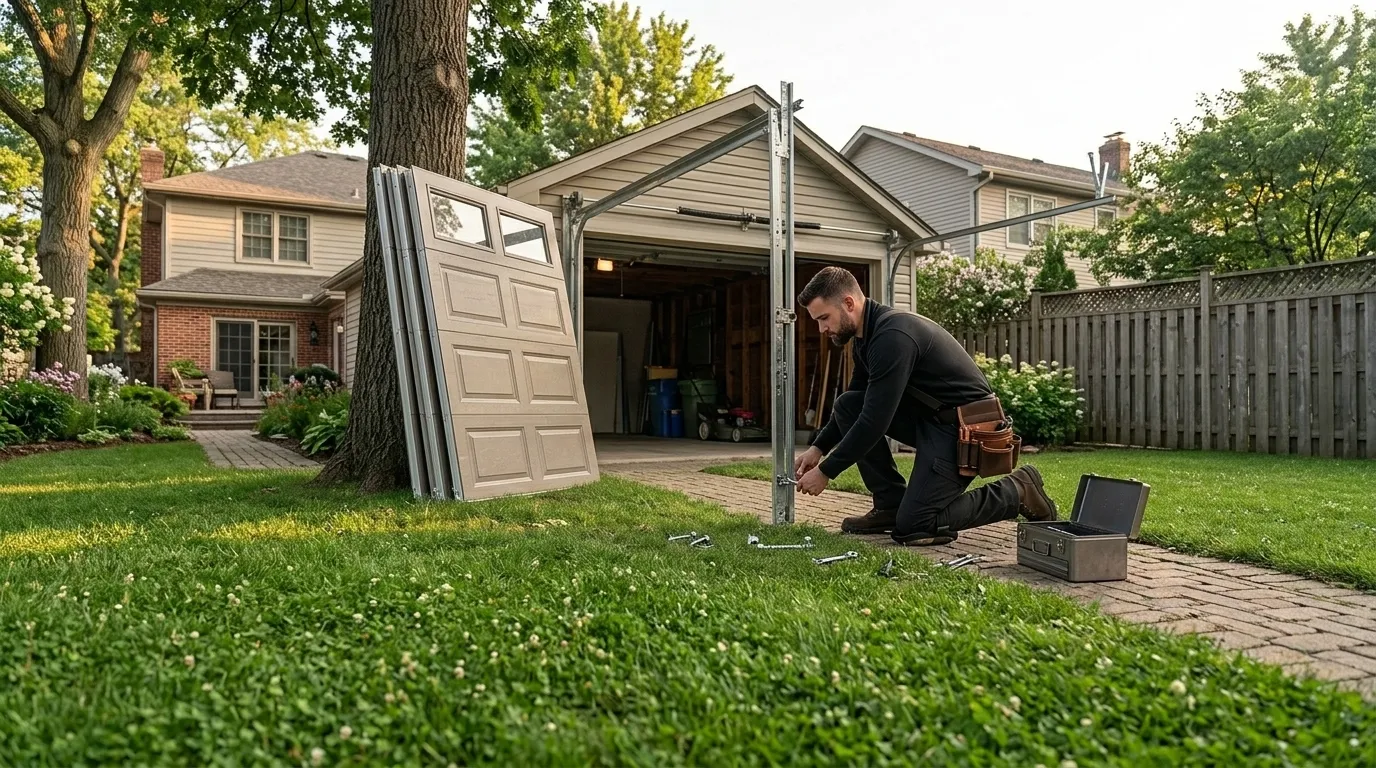
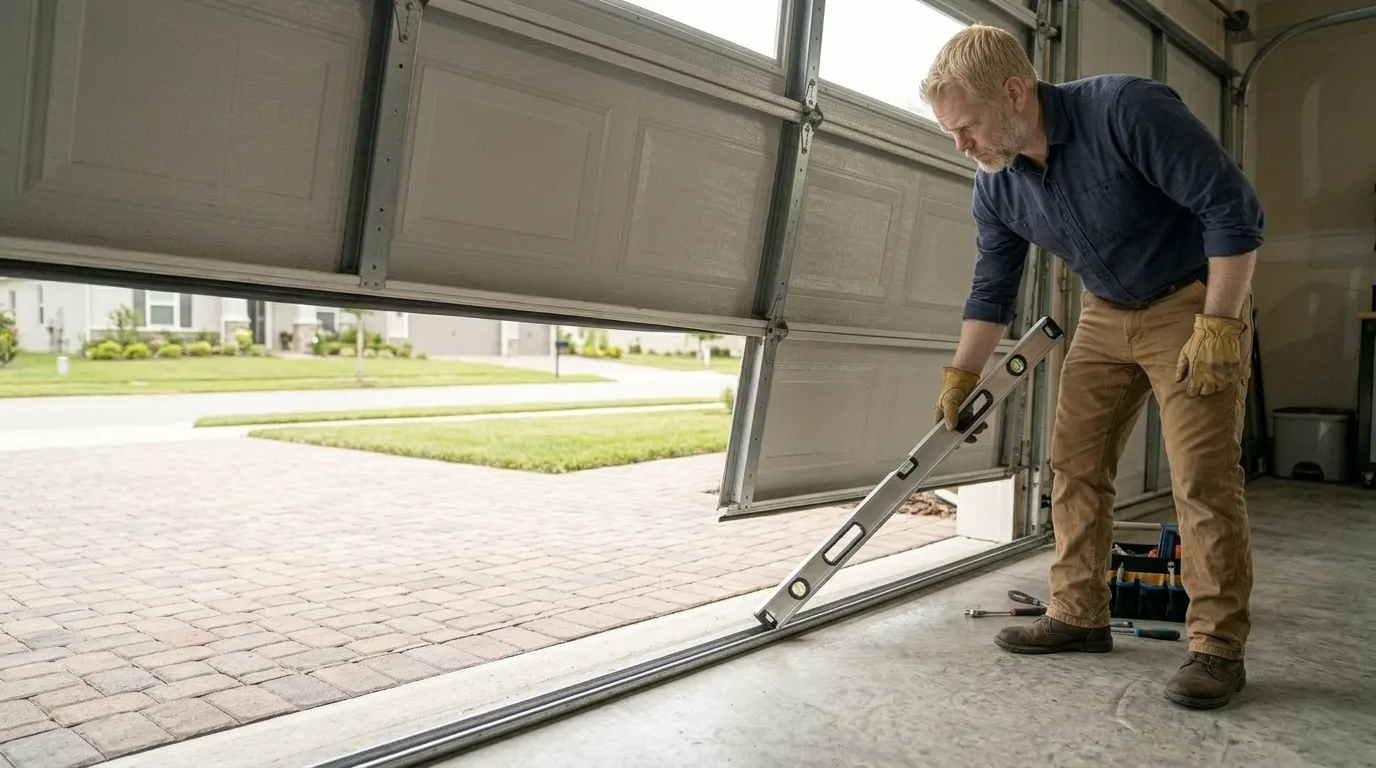
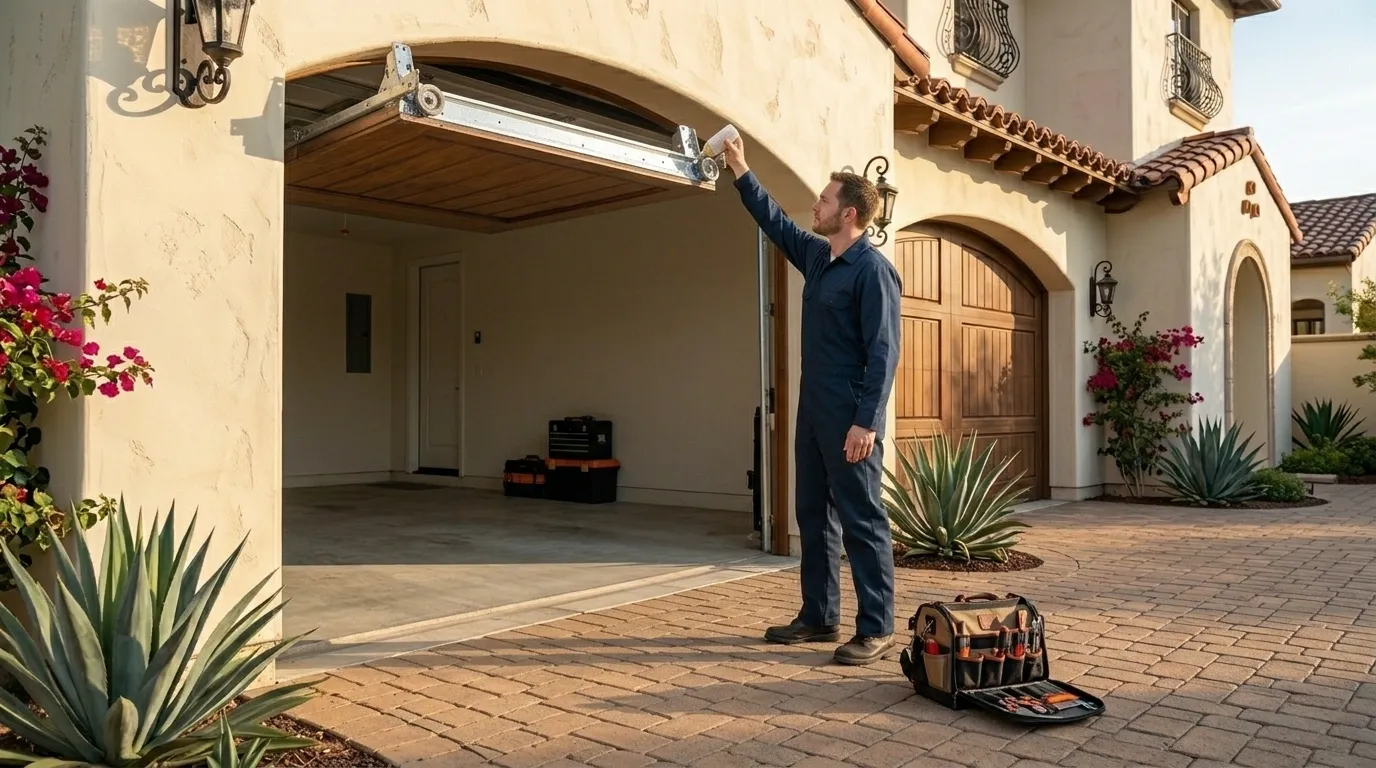
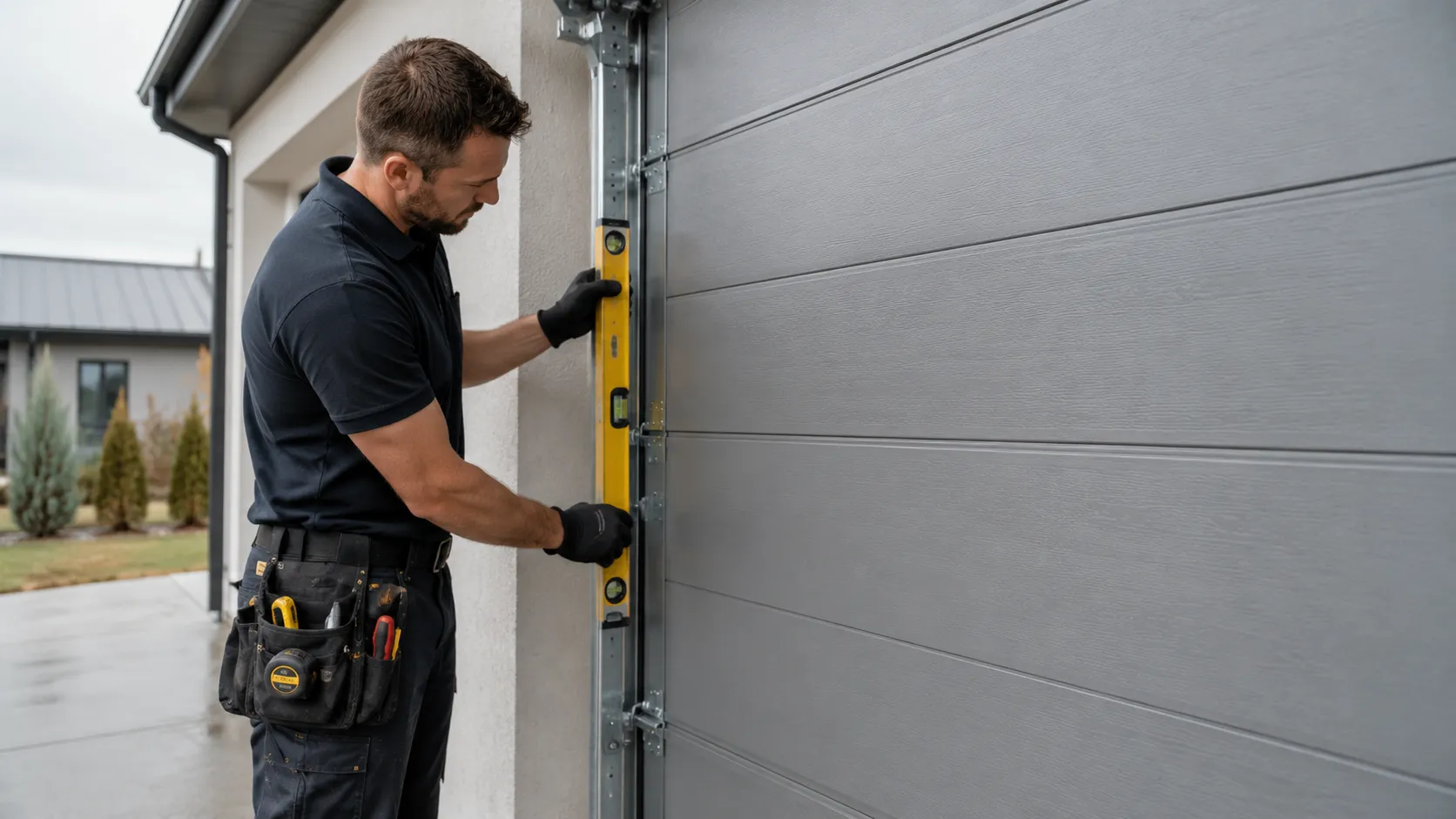
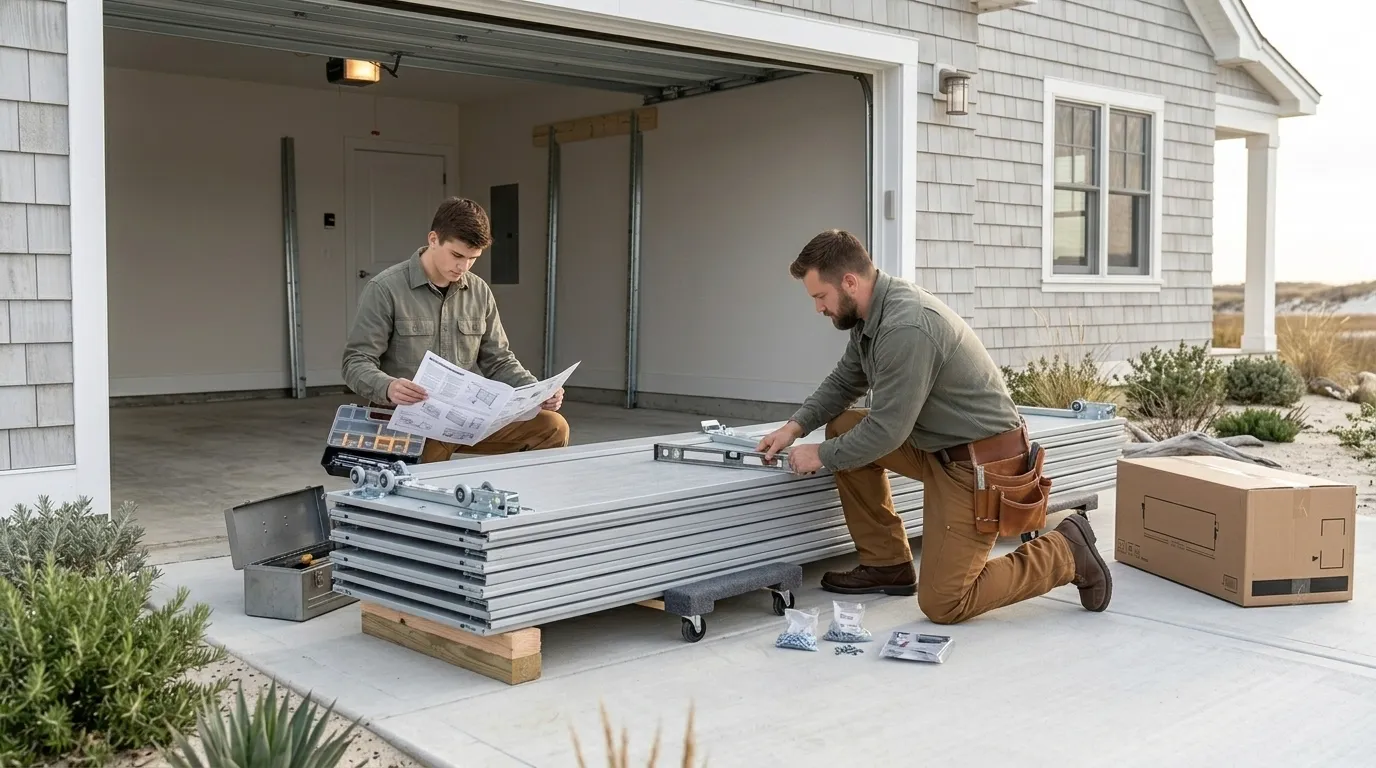
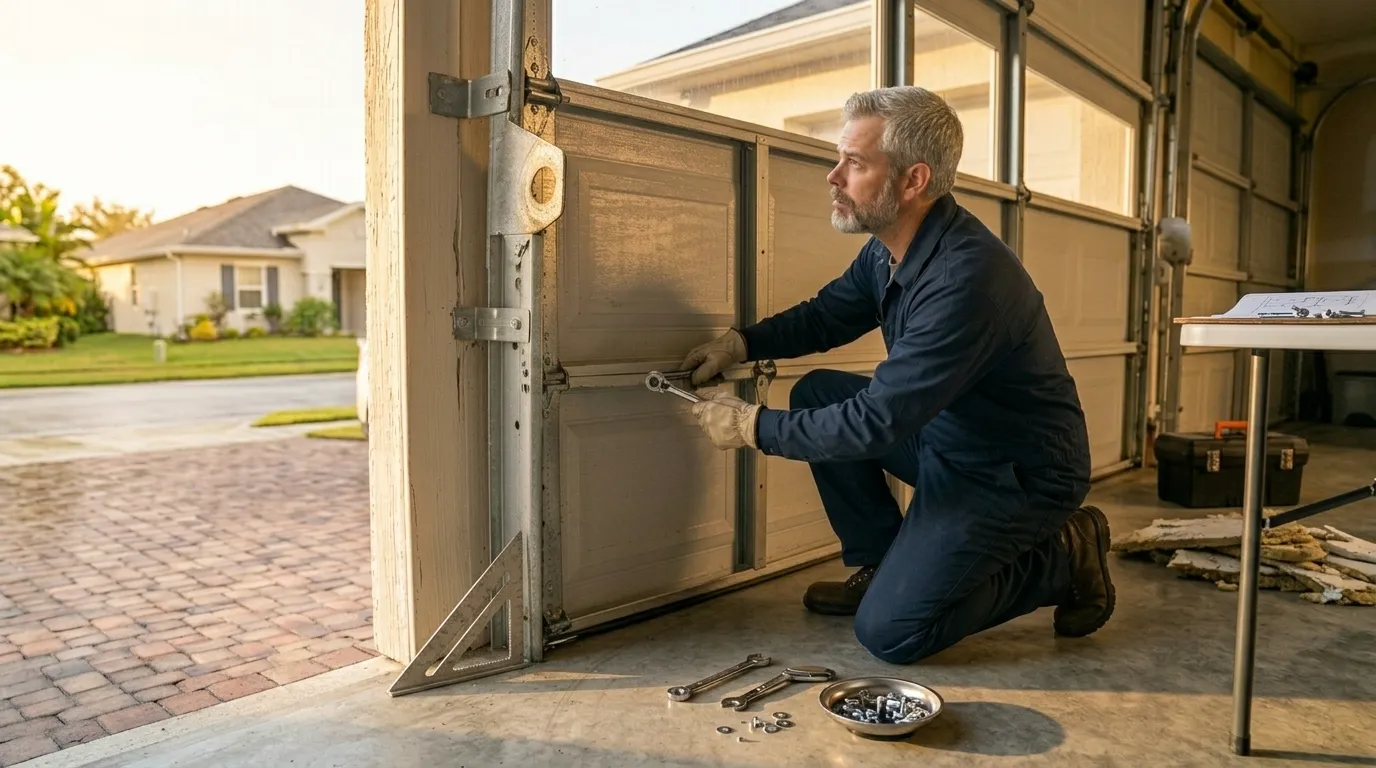
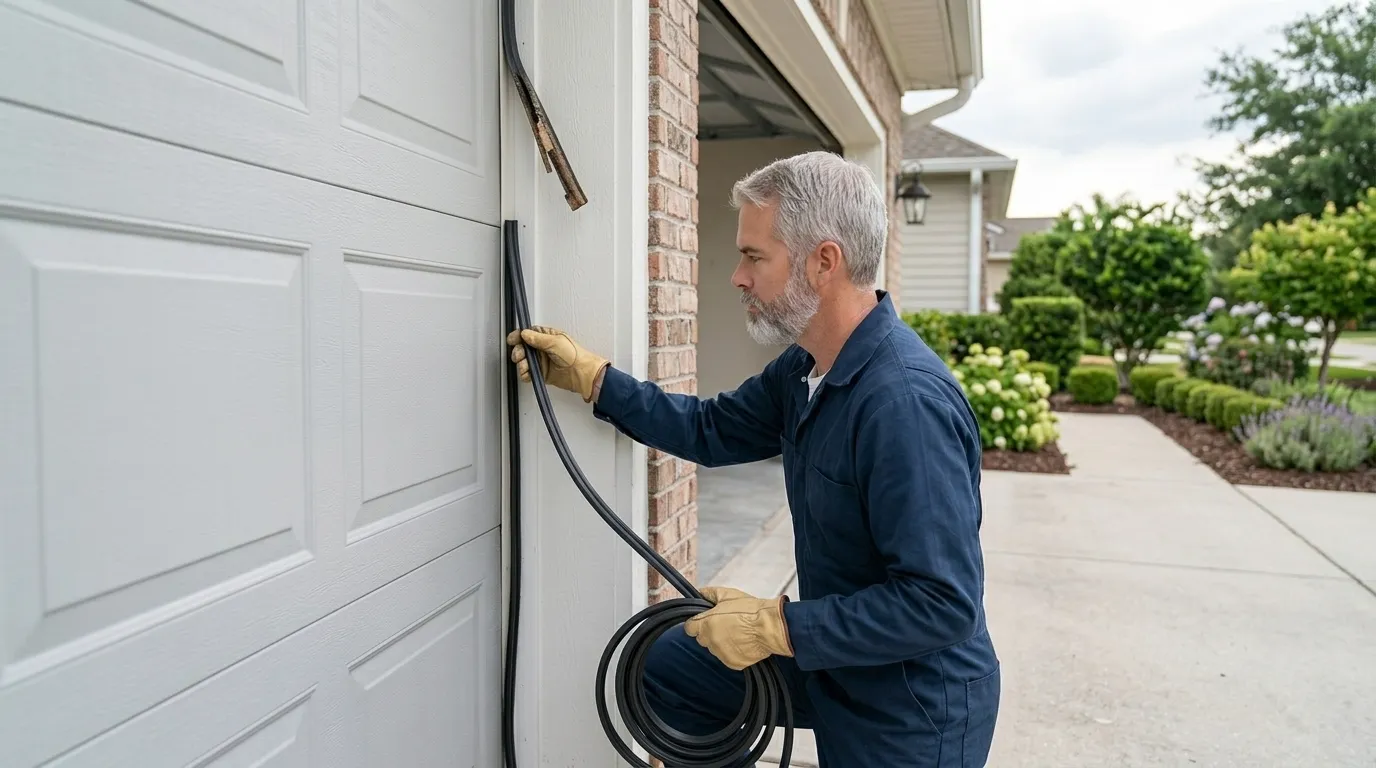
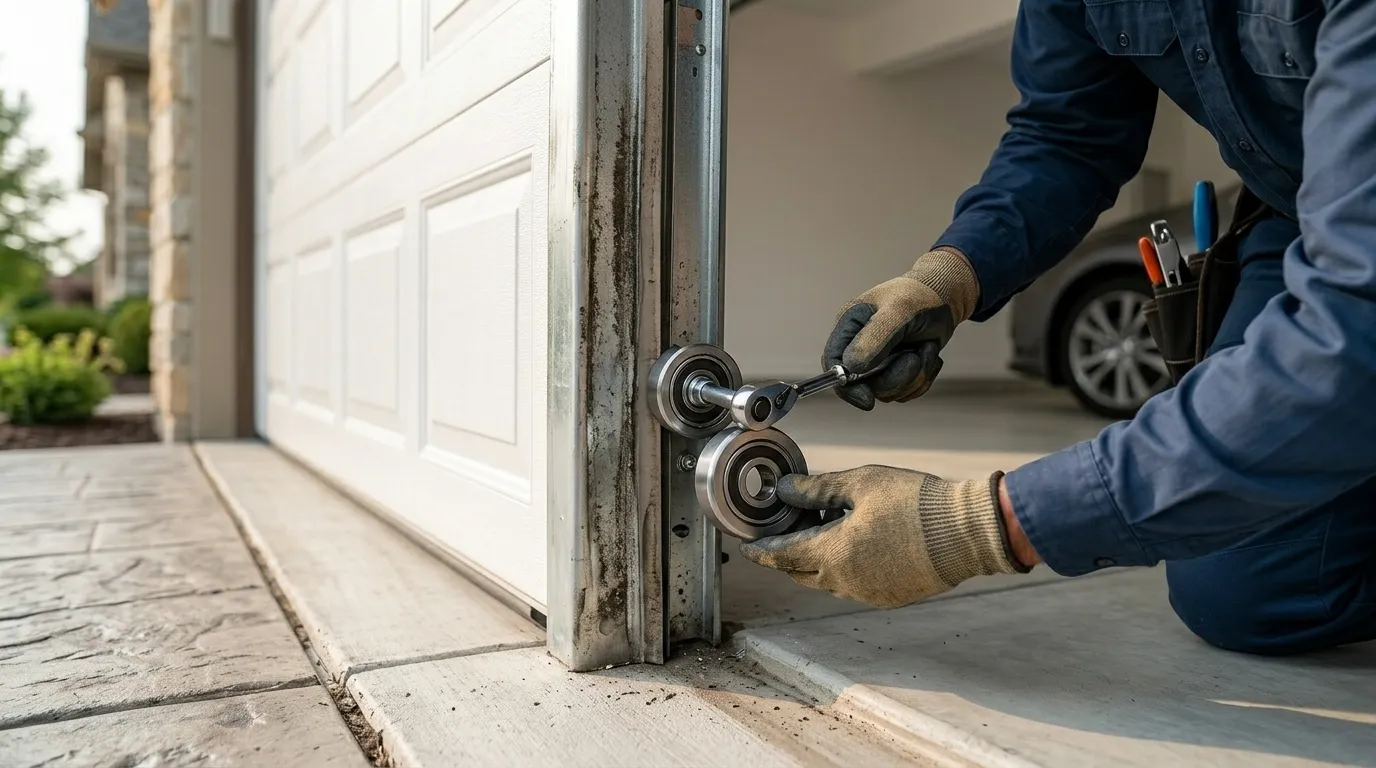
Older openings mean a few specific things in practice. Track widths and header clearance on a 1960-built garage often don't match what a big-box replacement door comes with off the shelf, so measurements matter more here than they would on newer construction. Torsion spring setups from a remodel in the 70s or 80s may still be in place, and if the door has never been upgraded, you can end up with a spring rated for a much lighter door than what's currently hanging on it. Openers get swapped out more than doors do, so it's common to find a door from one decade paired with an opener from another, and a rail system that was never quite matched to either. None of this means the door is unsafe or needs replacing outright - plenty of these setups run fine for years with the right adjustments. But it does mean a repair call here is more often a diagnostic job first, replacement second.
The Houses Here
Jacinto City is a smaller footprint than a lot of the area - about 3,039 households, compared to over 30,000 across our full service area. Median household income here runs around $57,703, noticeably below the area-wide figure of $70,478. That gap tends to show up in how people approach a broken spring or a dead opener: more homeowners here are looking to repair what they have rather than replace the whole door, and that's a reasonable call in a lot of cases. A door built for a 1960s opening, properly maintained, doesn't need to become a full replacement just because it's old. We'll tell you straight when a repair isn't worth it - usually that's a rusted-through track or a door that's been patched so many times the panels don't align - but we won't push a replacement on a door that just needs a spring and a service call.