The Split Between Old and New
Across the wider Humble service area, houses were built anywhere from 1956 to 2011, with a median year of 1981 - meaning most of the stock is 1980s and 90s construction. Galena Park sits at the far edge of that range. The median build year here is 1956, a full 25 years older than the area median. That's not a small gap. It's the difference between a door built for a modern raised-panel steel system and one built when single-panel wood or early steel doors on basic torsion or extension springs were standard.
Galena Park also runs smaller and tighter on income than the broader coverage area: median household income here is $54,167, compared to $70,478 across the full 30,112-household service area, of which 17,400 are owner-occupied. With about 3,100 households in Galena Park itself, this is a compact, older neighborhood where repair decisions often come down to fixing what's there rather than swapping it out. We keep that in mind when we talk through options - a patch job that gets another five years out of a 1956 door can matter more here than a full replacement pitch.
What the Housing Means for Your Door
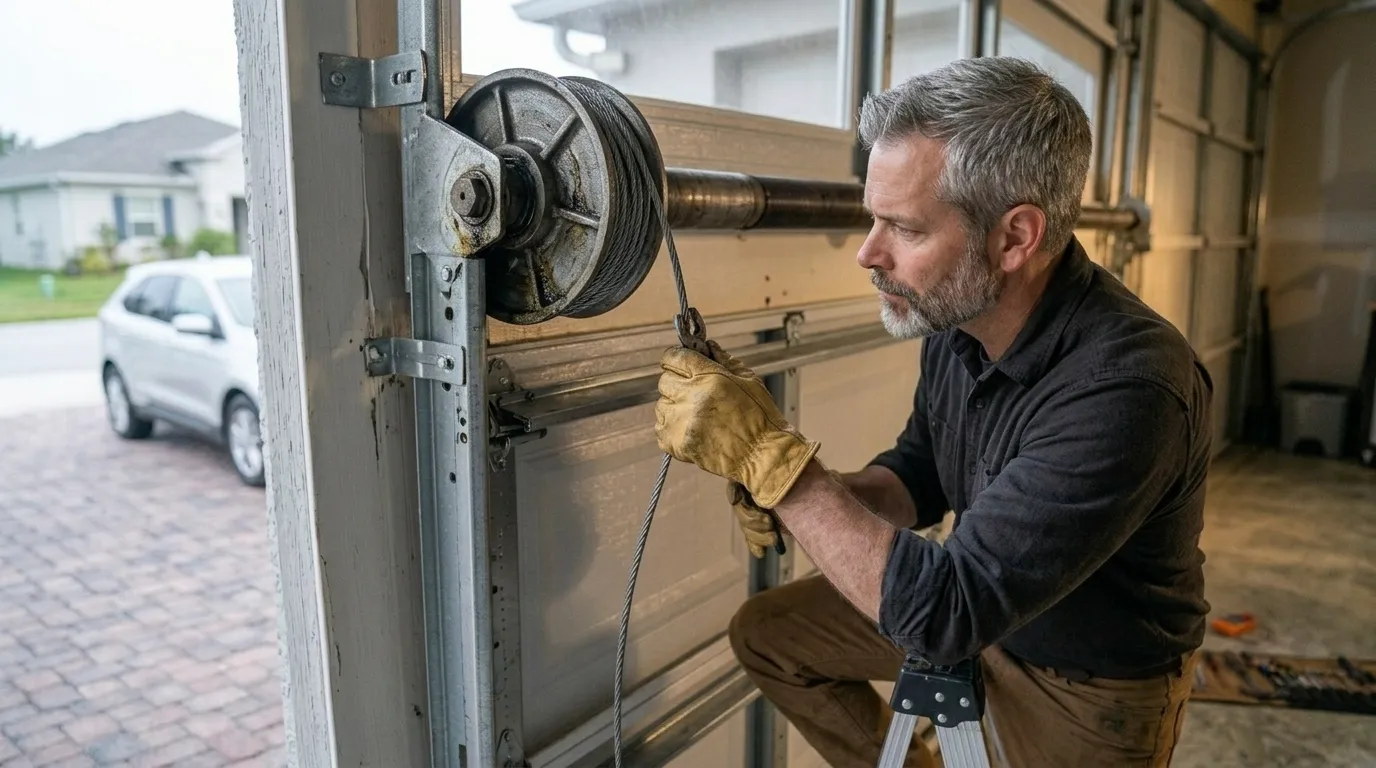
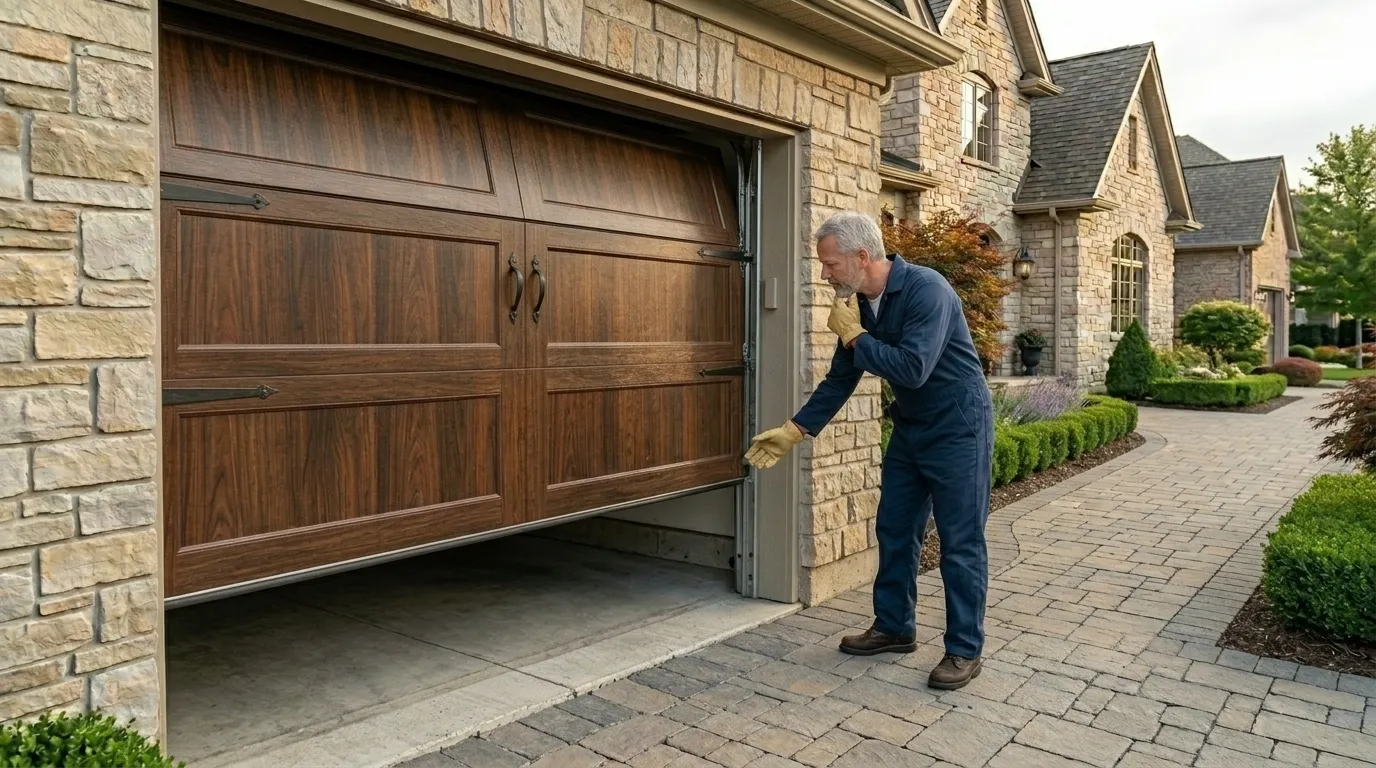
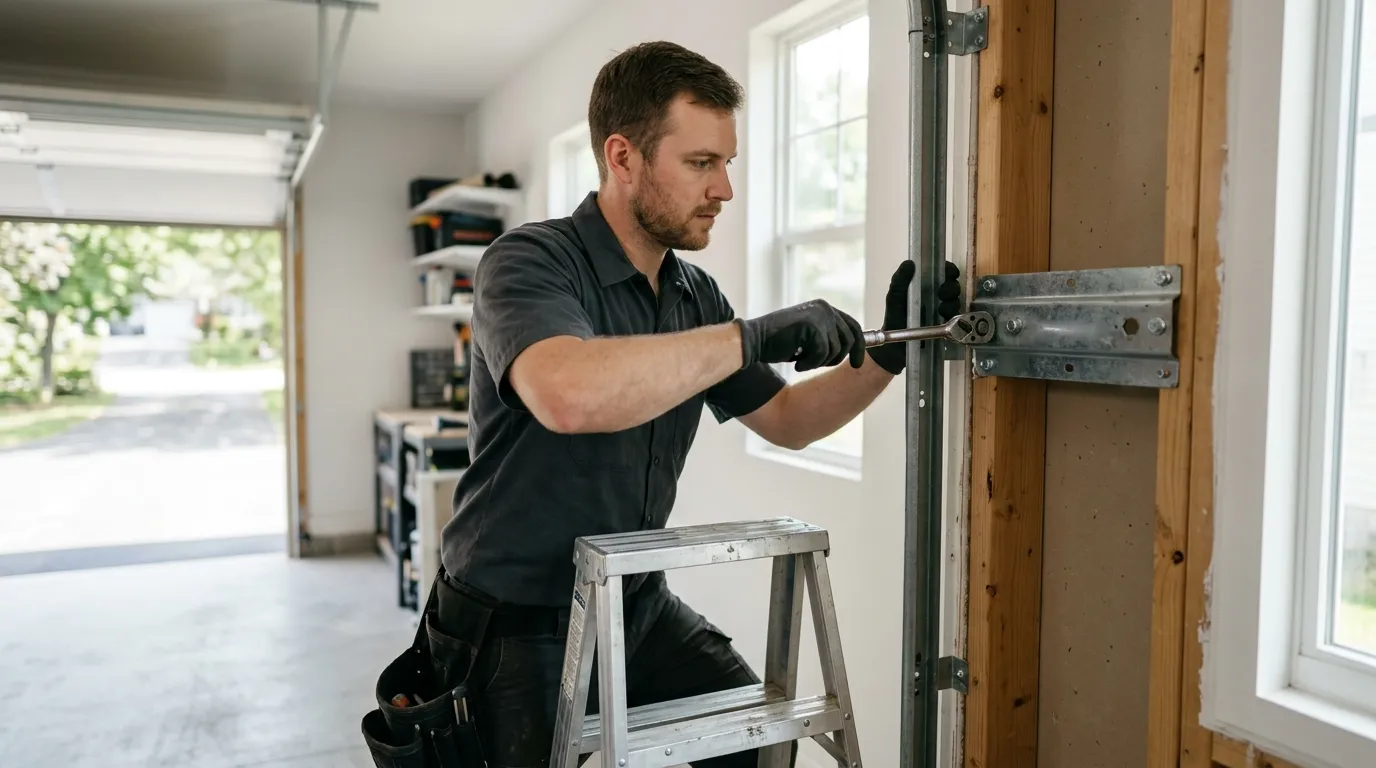
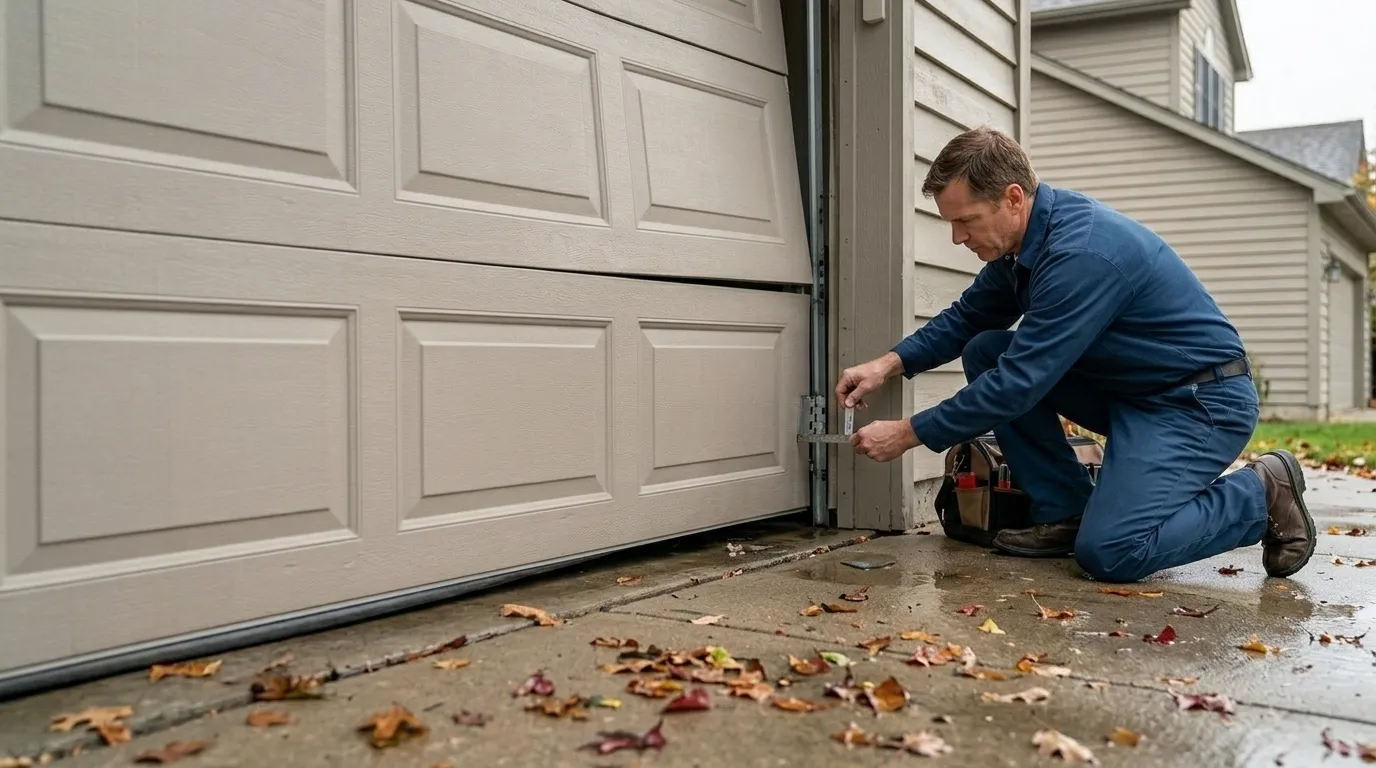
A door installed in the 1950s or 60s was not built the way doors are built now. If the original door and track are still in place, you're likely looking at a single-panel design or an early sectional door on extension springs mounted along the side of the track rather than a torsion bar over the header. Those extension spring setups don't fail gently - when a cable or spring goes, the door can drop fast, and a lot of the safety cable retrofits that became standard later were never added to these older setups.
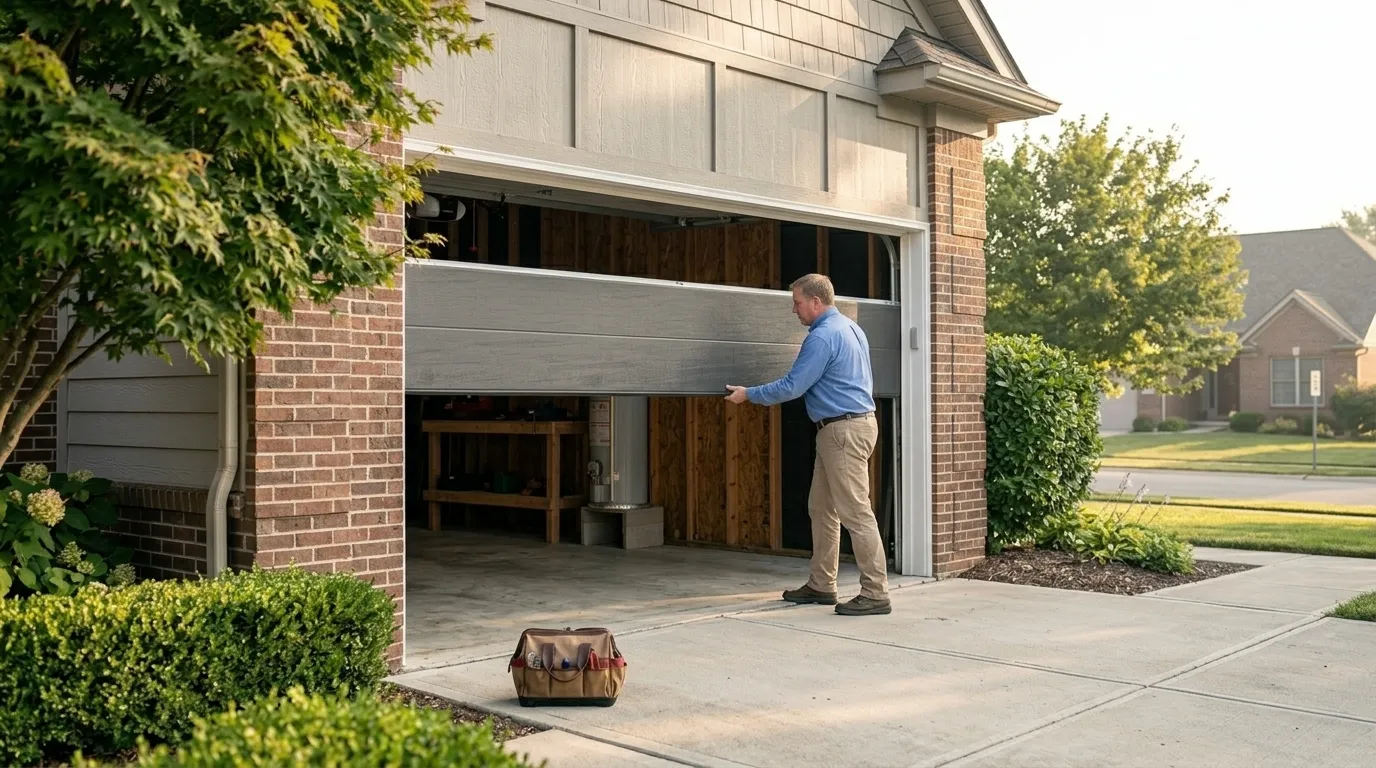
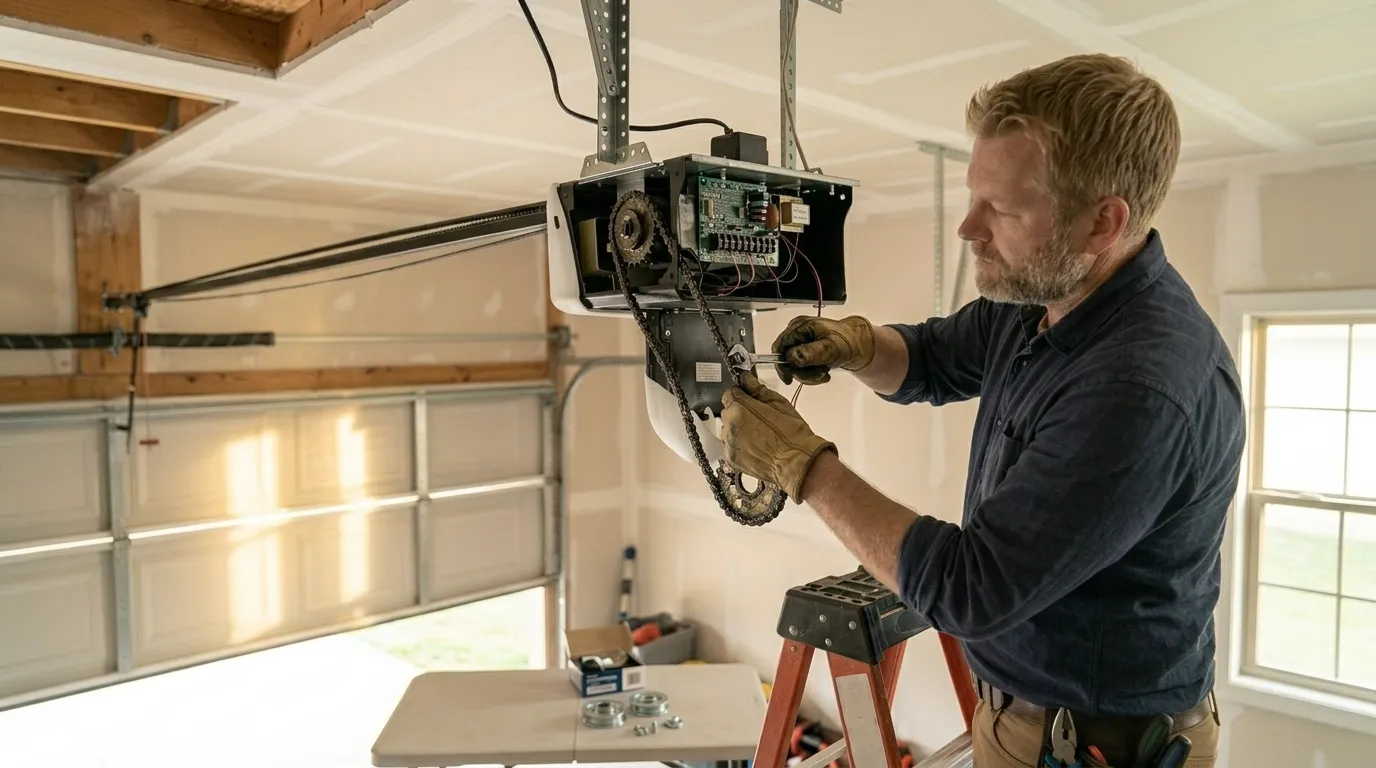
Openers on these houses are almost always retrofits, since automatic openers weren't standard equipment in 1956. That means the opener's mounting bracket, the header clearance, and the track alignment were often adapted after the fact, sometimes imperfectly. We see more binding, more chain slap, and more misaligned photo-eye sensors on these retrofits than on doors built with an opener in mind from the start.
The service area sits in a mild climate band with occasional freeze conditions. That's not severe cold, but on older hardware with dried-out grease and worn rollers, even a light freeze can be enough to make a marginal spring or roller finally quit. One honest limitation: parts for original 1950s-era track hardware are often long discontinued, so a repair sometimes means adapting a modern part rather than matching the old one exactly.
The Houses Here
With roughly 3,100 households, Galena Park is a small, established residential pocket compared to some of the newer subdivisions built decades later elsewhere in the coverage area. Houses built in and around 1956 tend to have narrower garage openings than what you'd find in a house built in the 1980s or 90s, which matters if you're shopping for a replacement door - a lot of stock double-door sizes assume newer, wider bays.
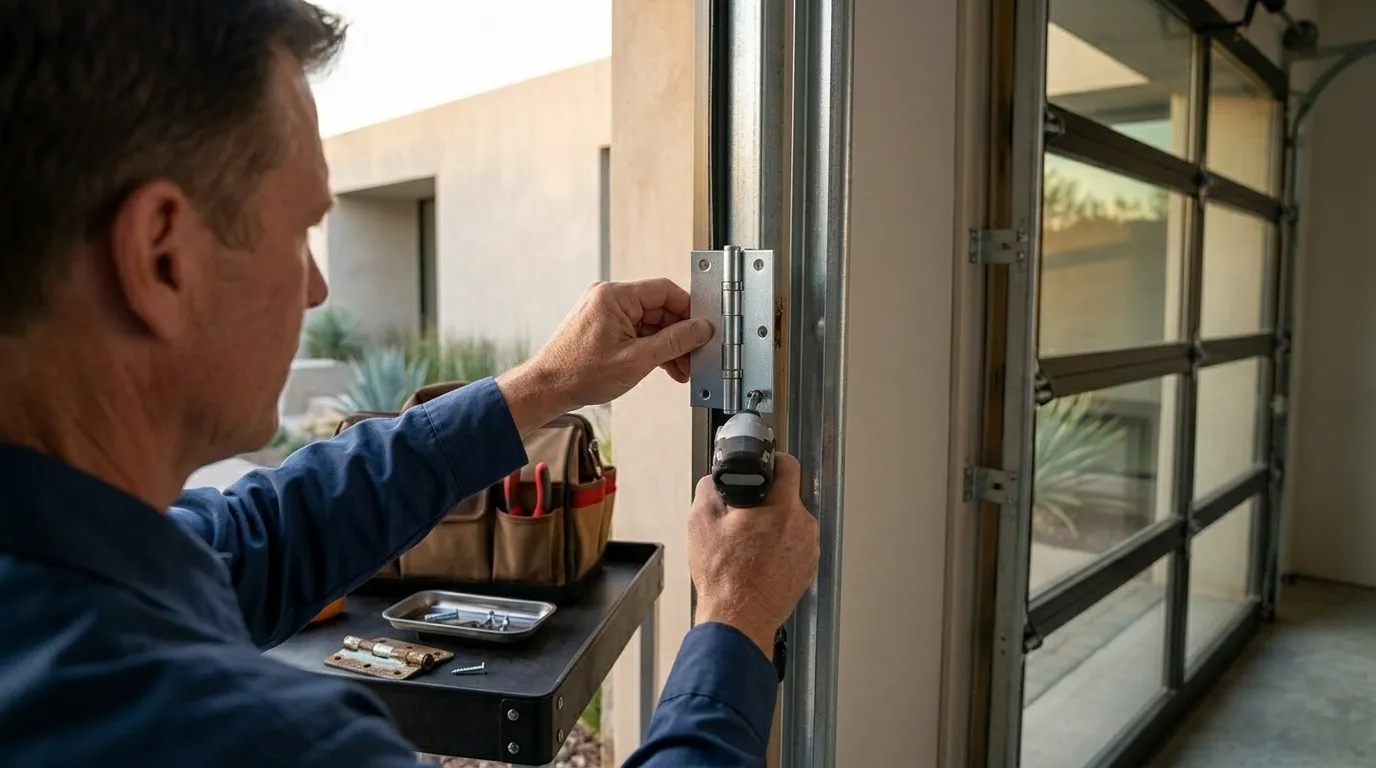
Rust and corrosion on original hardware show up more here too, especially on tracks and hinges that have sat through decades of humidity without being swapped out. If your springs, cables, or rollers are original to a 1956 build, they've had a long run already, and replacement rather than another patch is often the more honest recommendation once a spring finally lets go. We'll tell you when a repair still makes sense and when it doesn't - fixing a 65-year-old cable drum for the third time isn't usually worth the labor.