The Split Between Old and New
Across the wider area Humble Garage Door Pros covers, the median house was built in 1981, with homes going back to 1956 and forward to 2011. Dayton sits on the newer end of that spread. The typical Dayton house dates to around 2000, roughly two decades younger than the service area's midpoint. That gap matters more than it sounds. A door built in the early 1980s and a door built in 2000 are different machines - different spring wind counts, different track gauge, different opener drive types were standard by the time most Dayton streets were platted and built out. If you're comparing notes with a neighbor a few towns over on an older street, don't assume your door has the same parts or the same failure points. Dayton's stock, as a group, skews later, which is the whole reason this page exists separately from a generic write-up for the broader area. We're not guessing at your door's age from a regional average - we're starting from what actually went up here.
What the Housing Means for Your Door
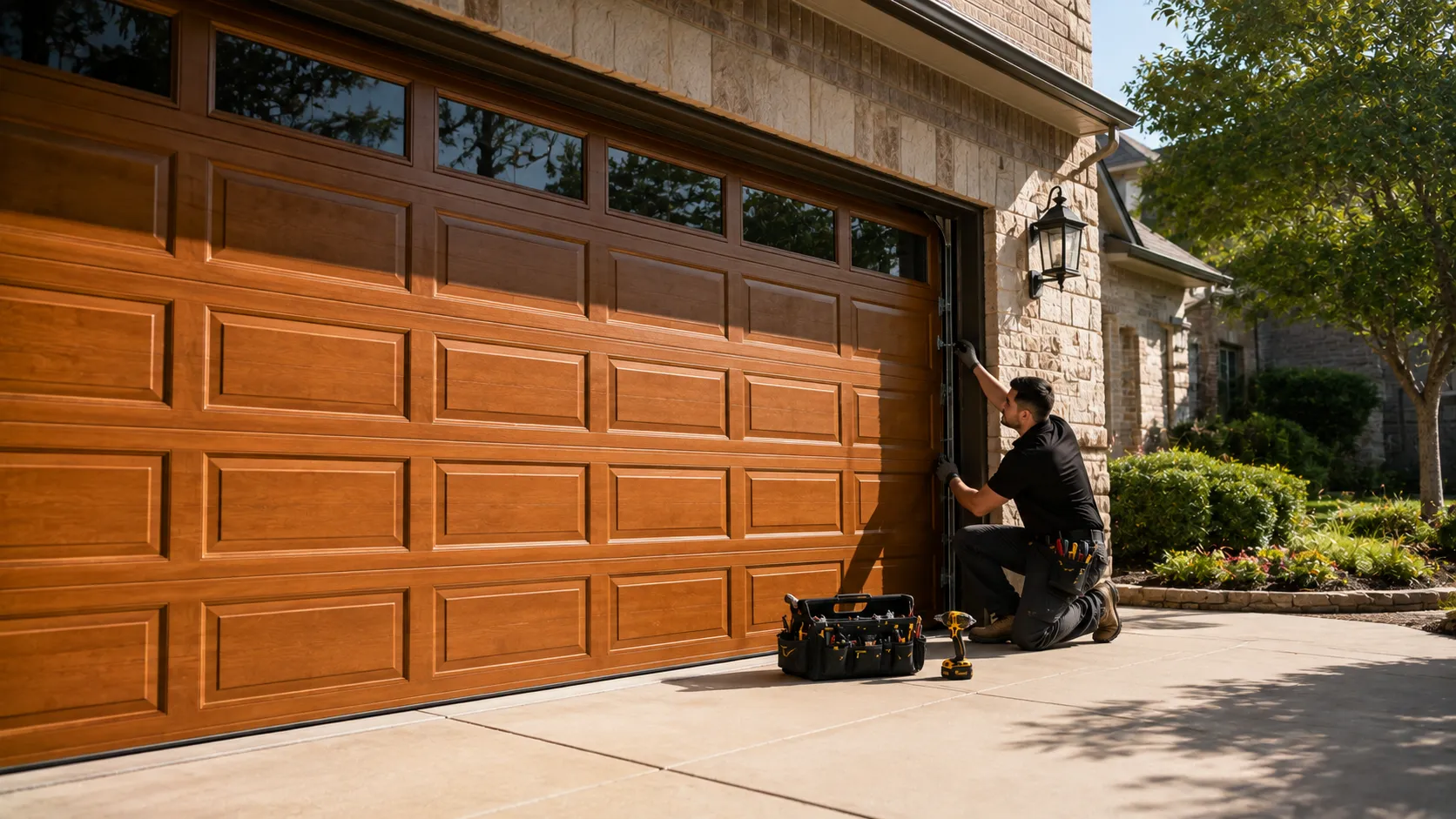
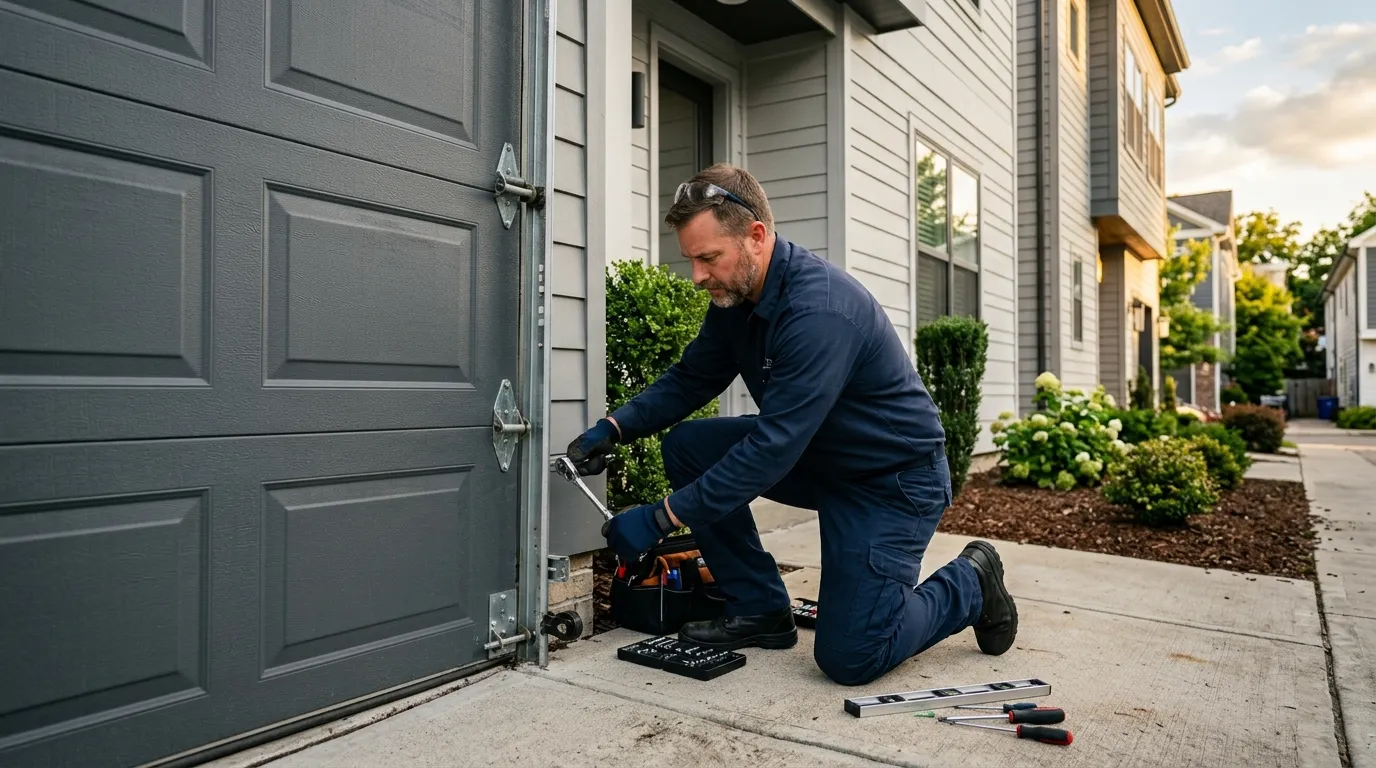
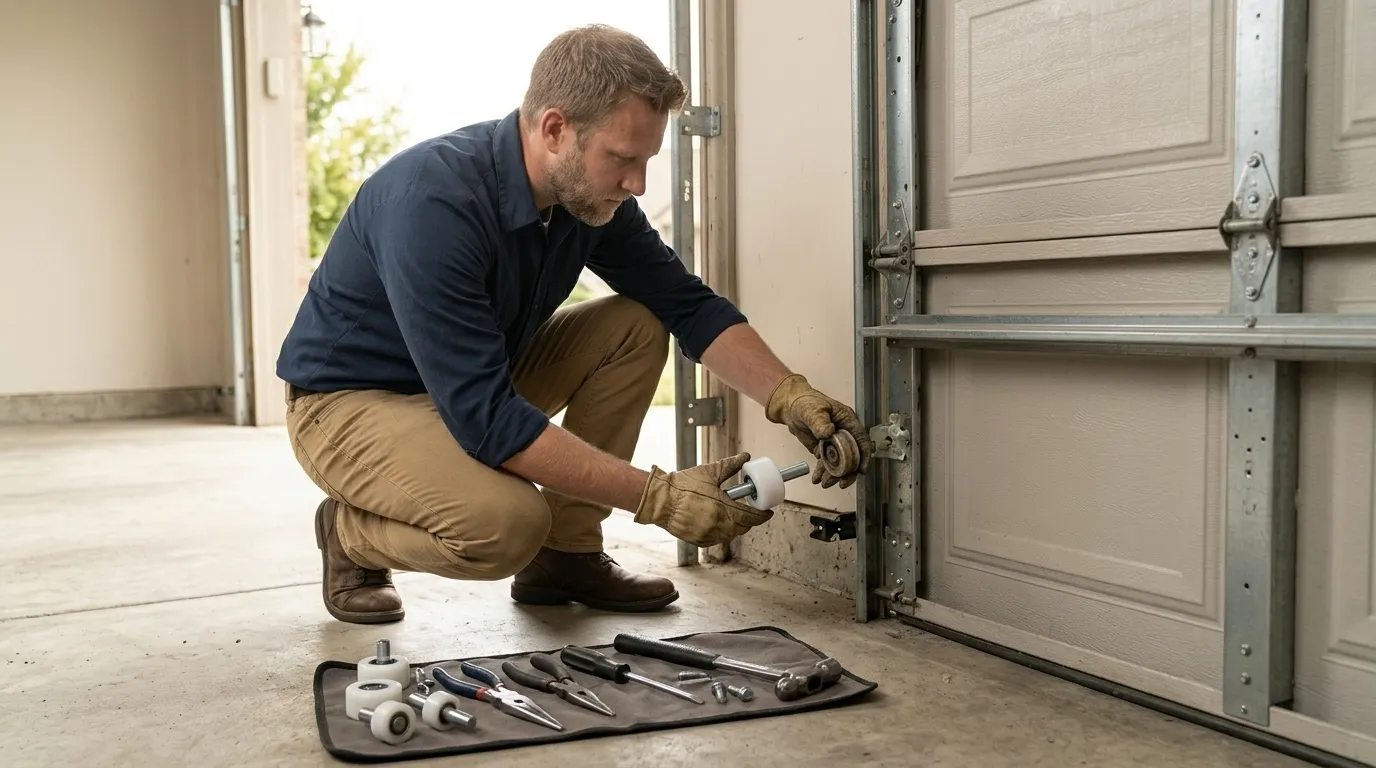
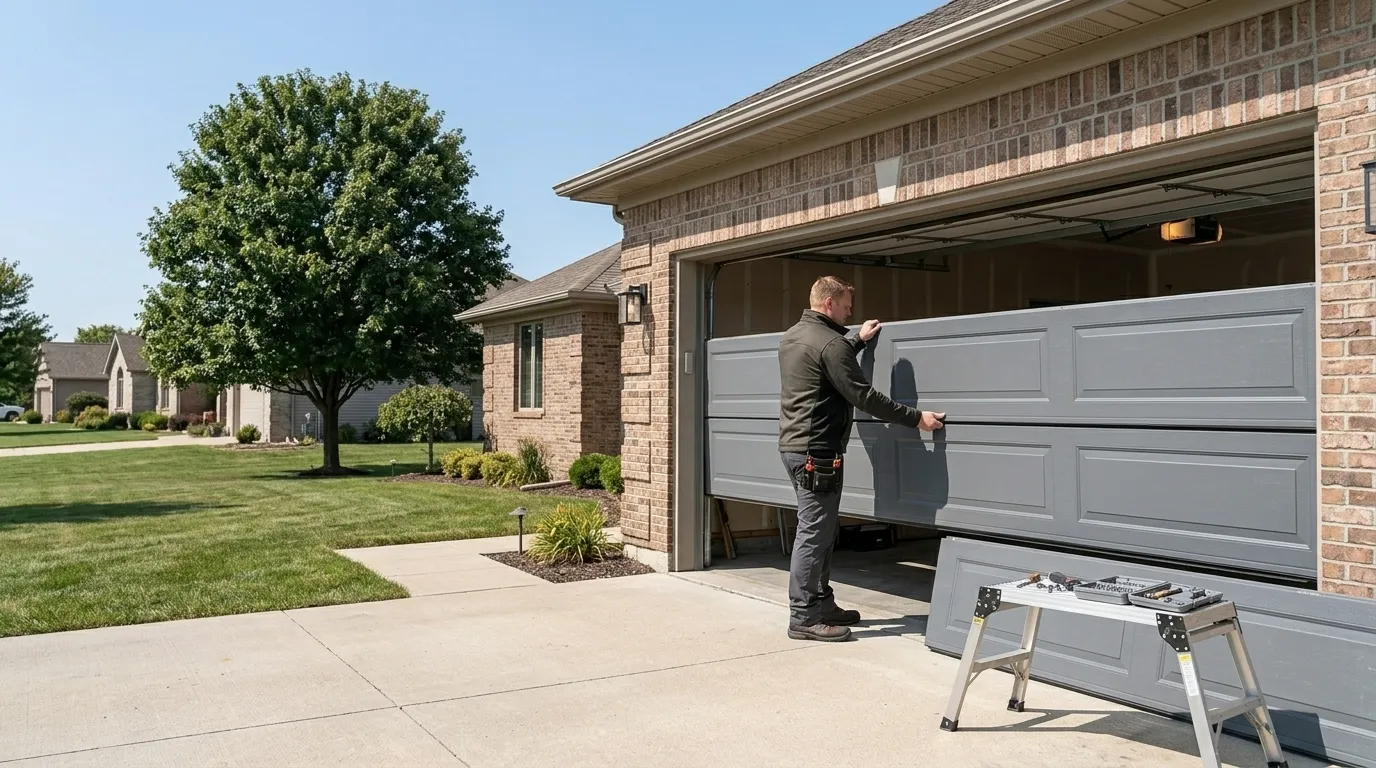
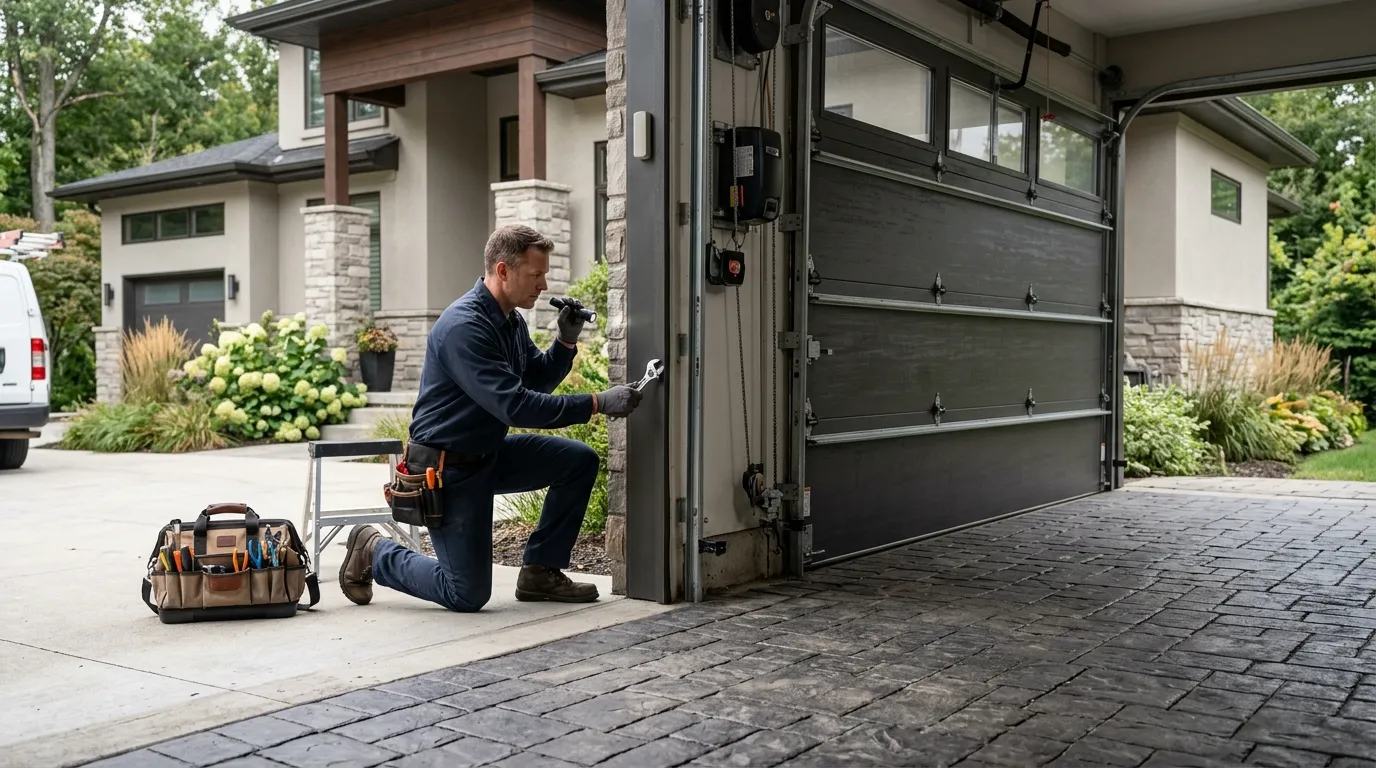
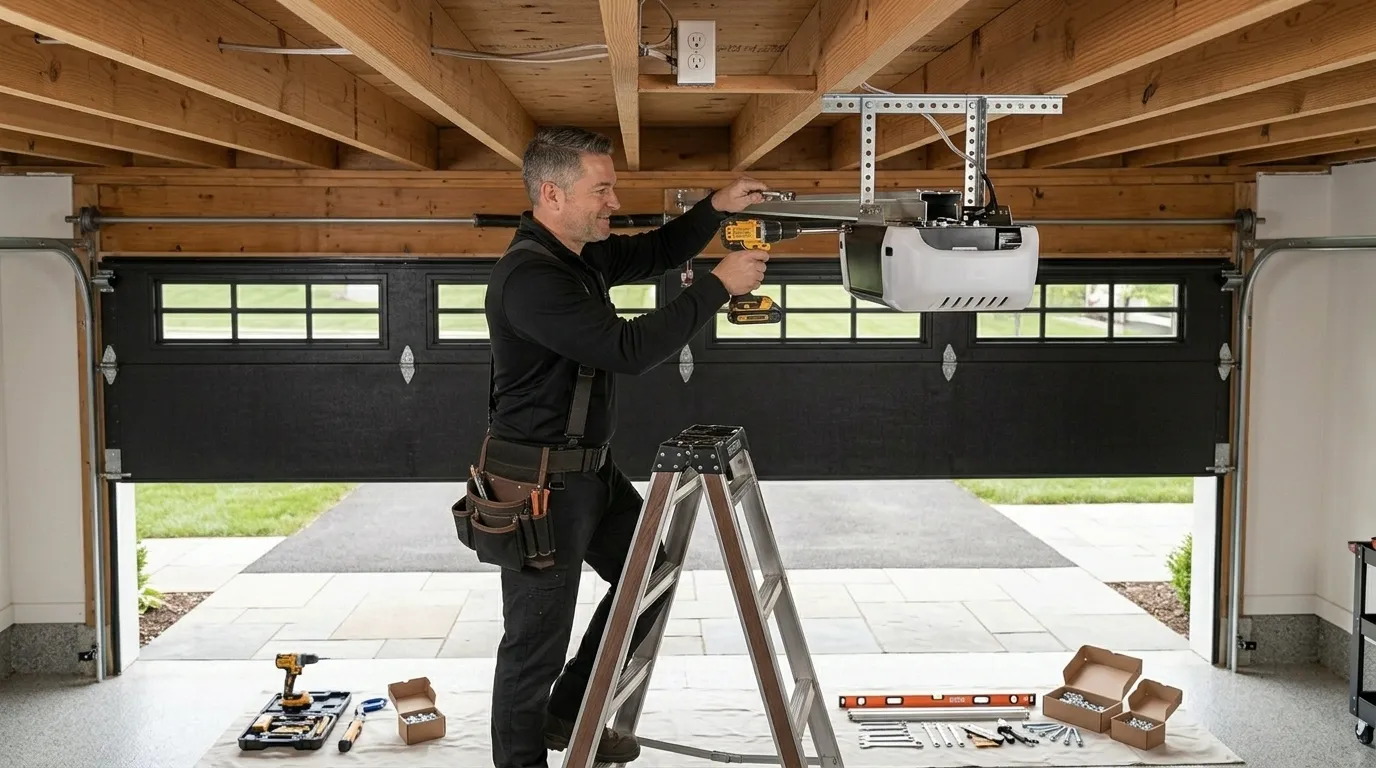
A door installed around 2000 is more likely to run on a extension or torsion setup with a chain or screw-drive opener from that era, not the older mid-century one-piece doors with side hardware you'd find on 1960s stock elsewhere in the service area. That means when something fails in a Dayton garage, it's usually wear on parts that were mainstream in the late 1990s and early 2000s - opener circuit boards from that generation, steel roller tracks that have had twenty-plus years of Gulf Coast humidity and mild-with-occasional-freeze temperature swings working on the fasteners. We don't stock every legacy part for every era, and a board or drive gear from a door that old sometimes takes longer to source than a same-week fix on a newer install. That's the honest limit: if your opener is an odd holdover model, we may need to order the part rather than pull it off the truck, and we'll tell you that up front instead of promising same-day when we can't back it up.
The Houses Here
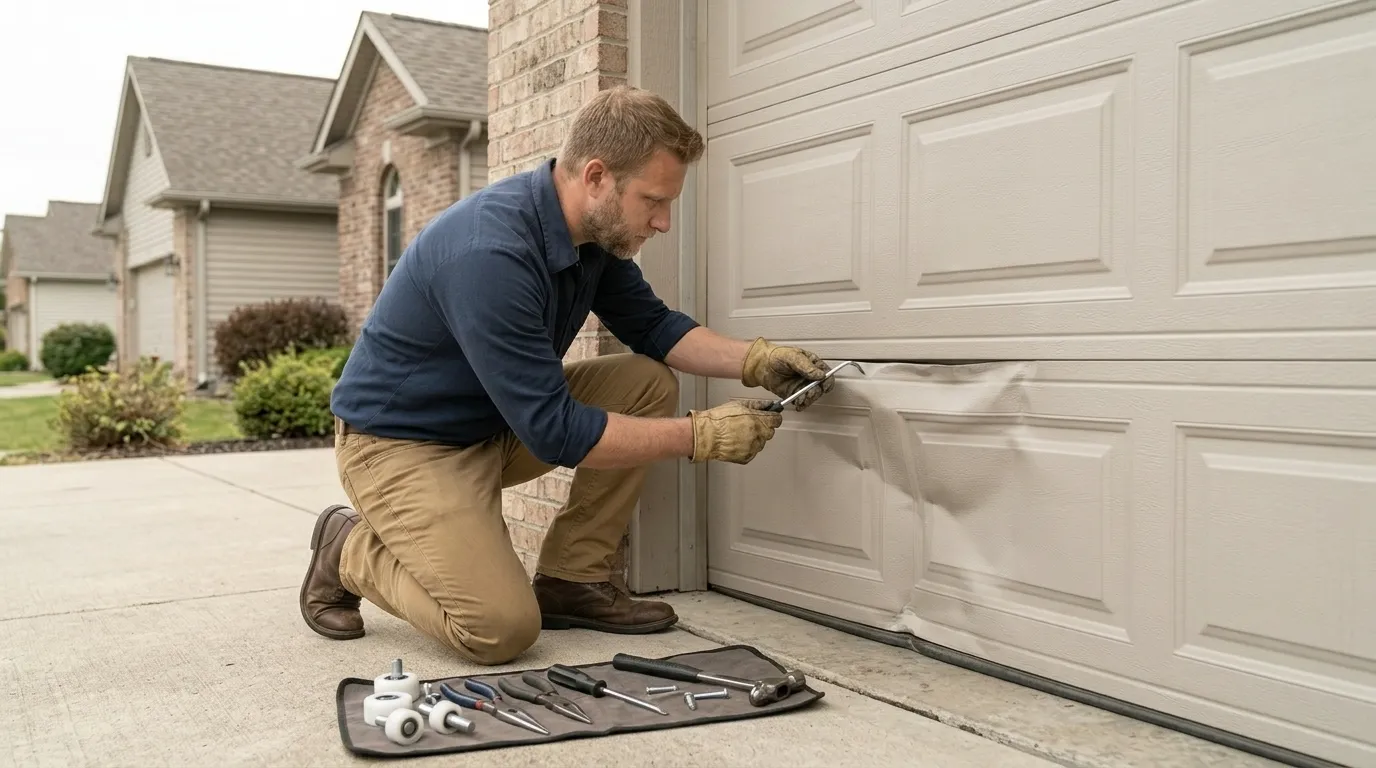
Dayton runs about 3,065 households, smaller than many of the other communities in our coverage area, and median household income here sits at $61,307 - lower than the broader area's $70,478. That combination tends to show up in the kind of calls we get: more requests to repair a working-but-tired door or opener rather than a straight swap to a premium insulated model, and more interest in fixing the one broken spring or cable instead of replacing the whole unit. There's nothing wrong with that approach - a torsion spring replacement on a door that's otherwise sound is often the right call, not a stopgap. We size recommendations to what a job actually needs here, not to a regional average income figure that doesn't reflect what a Dayton household is working with.