The Split Between Old and New
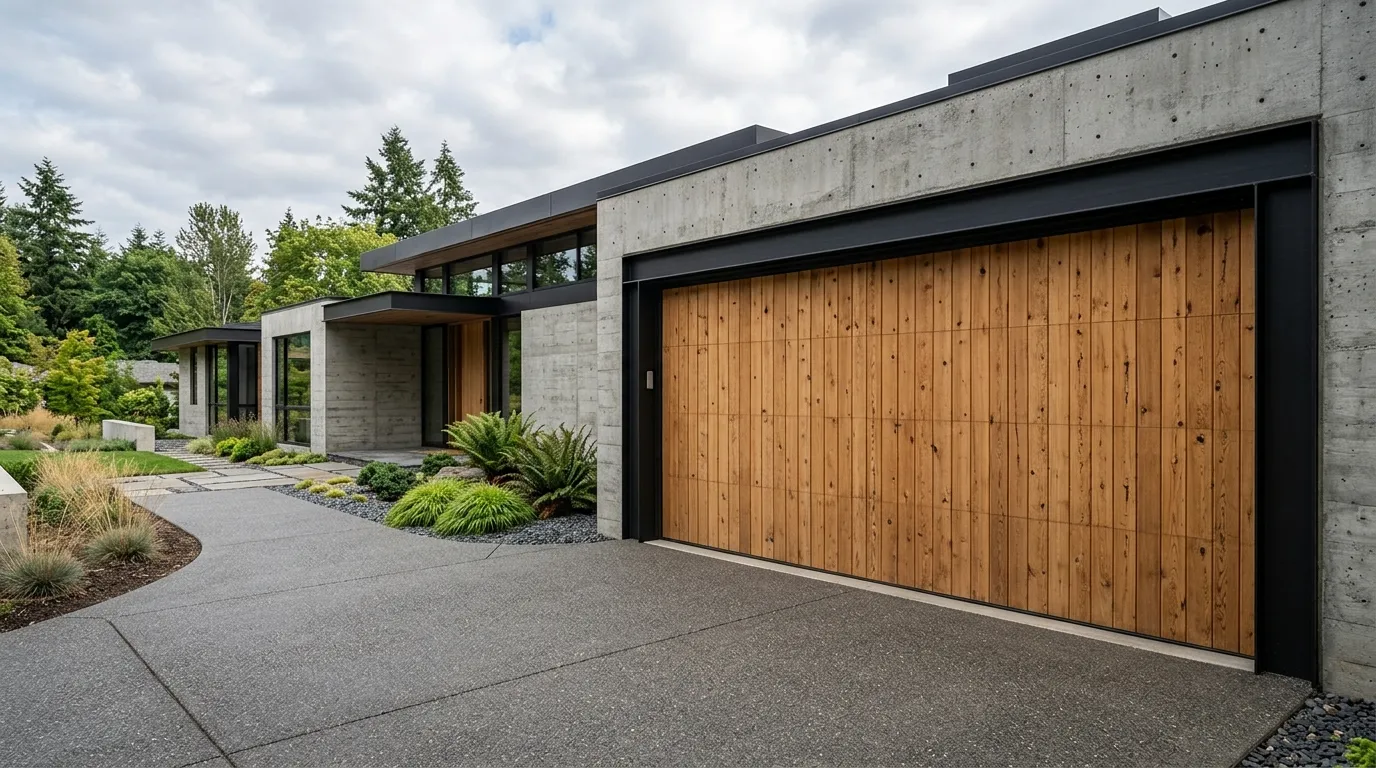
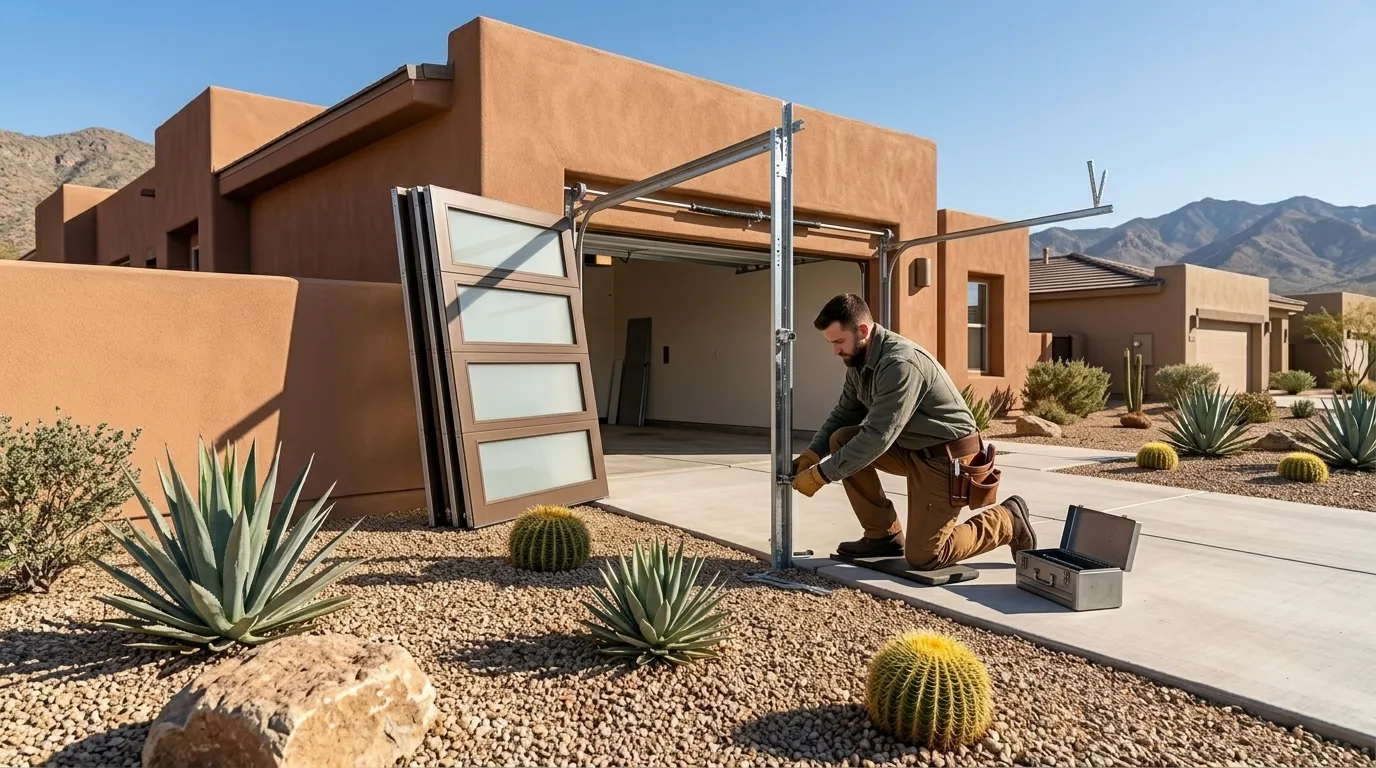
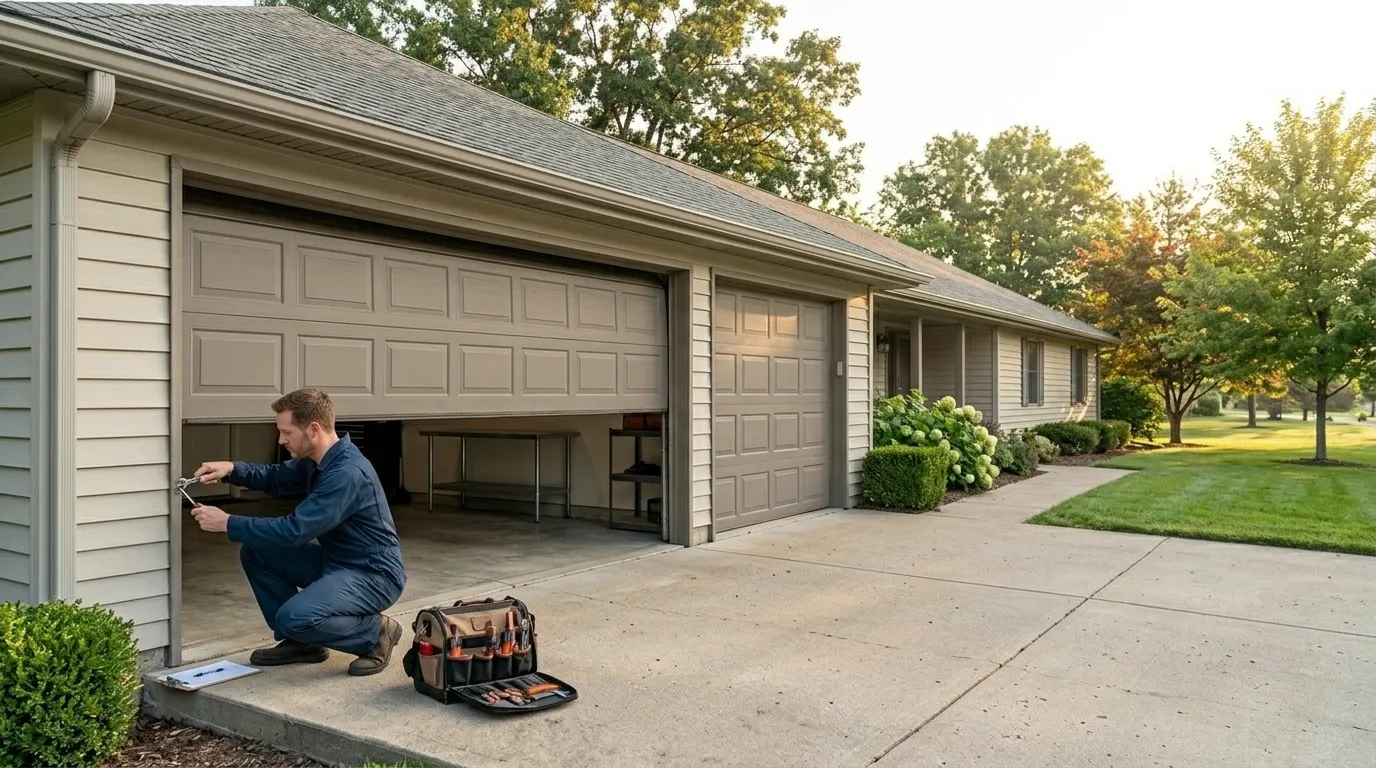
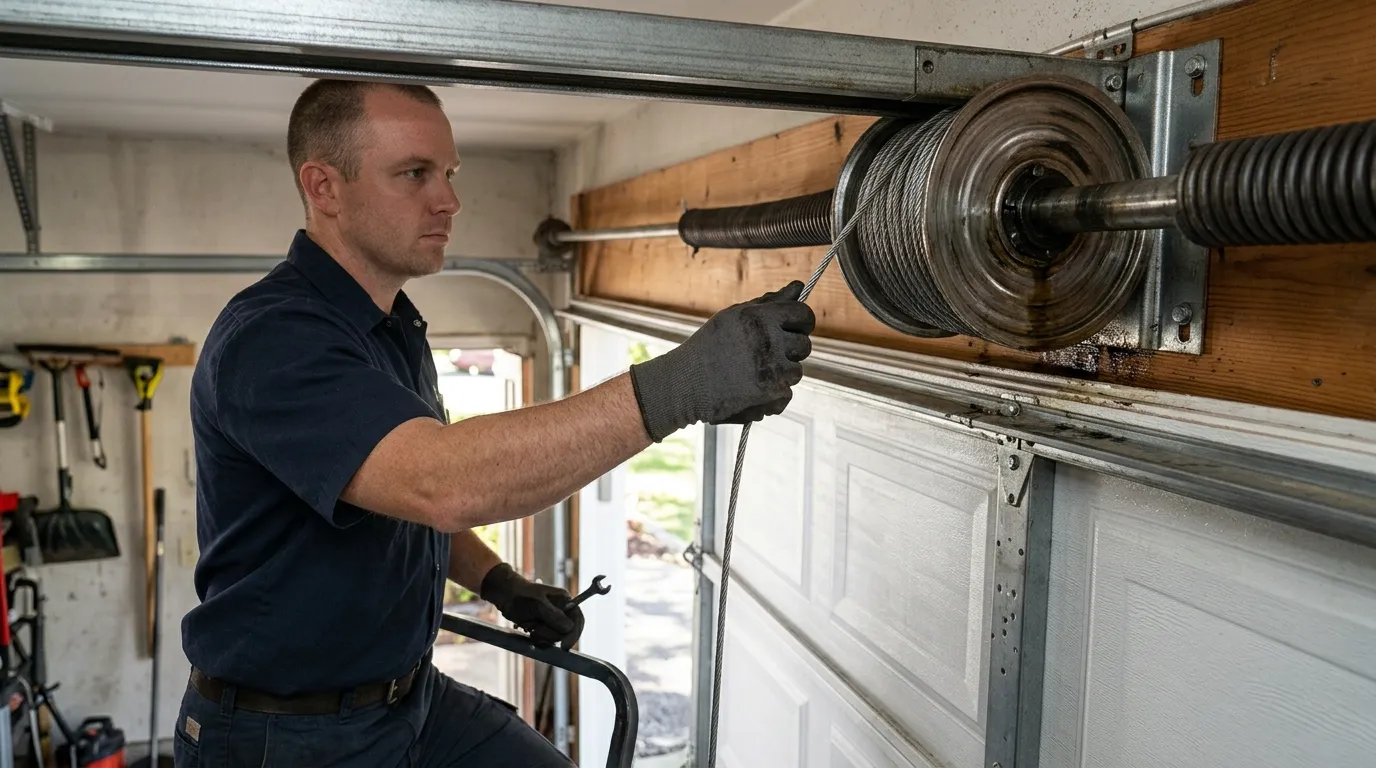
Highlands sits on the older end of the build curve for this part of the county. The median home here went up around 1978, a few years ahead of the wider service area's 1981 median, and the housing stock across the region spans 1956 through 2011. That gap matters more than it sounds. A door installed in the late 1970s was very likely built for a torsion spring system that's now outdated by two or three generations of hardware, and if it's never been swapped, you're looking at a spring, drum, or cable sized to specs manufacturers stopped stocking parts for years ago. Newer subdivisions built after 2000 elsewhere in the area run different opener mounts and lighter steel panels, so a one-size answer doesn't work here. In Highlands specifically, we expect to find heavier steel sectional doors, older extension or torsion setups depending on when a house last had work done, and openers that have likely been replaced at least once already. That's the split: it's not a uniform stock of doors, it's a town where the original hardware and the retrofit hardware are both still out there, sometimes on the same street.
What the Housing Means for Your Door
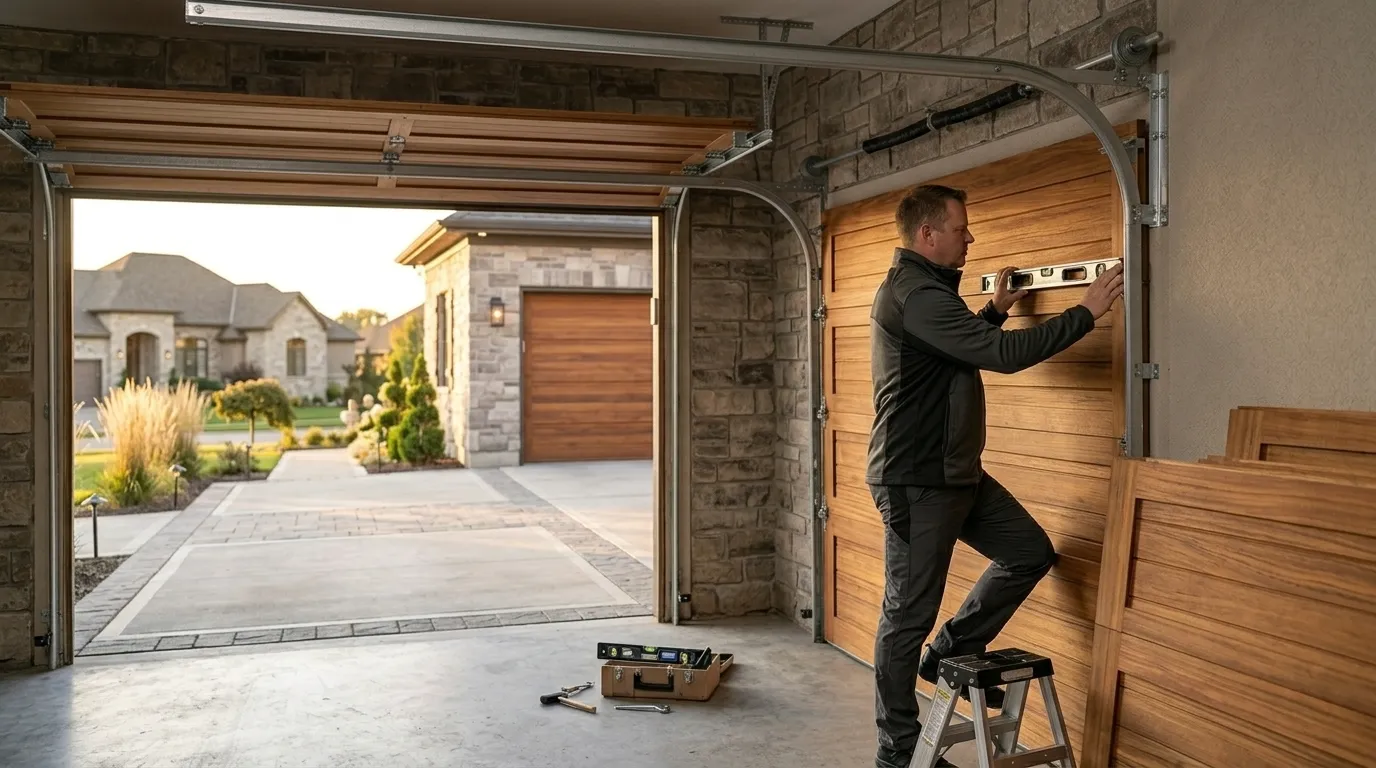
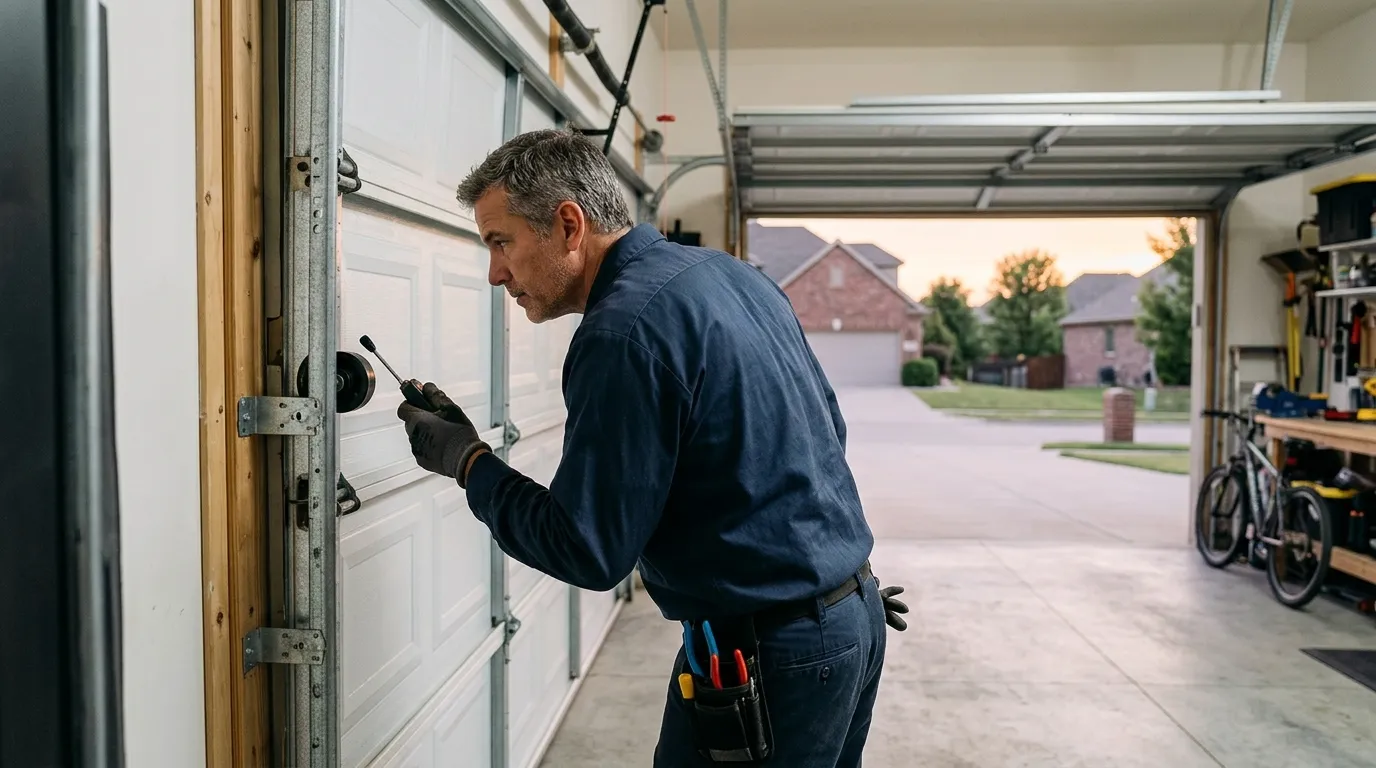
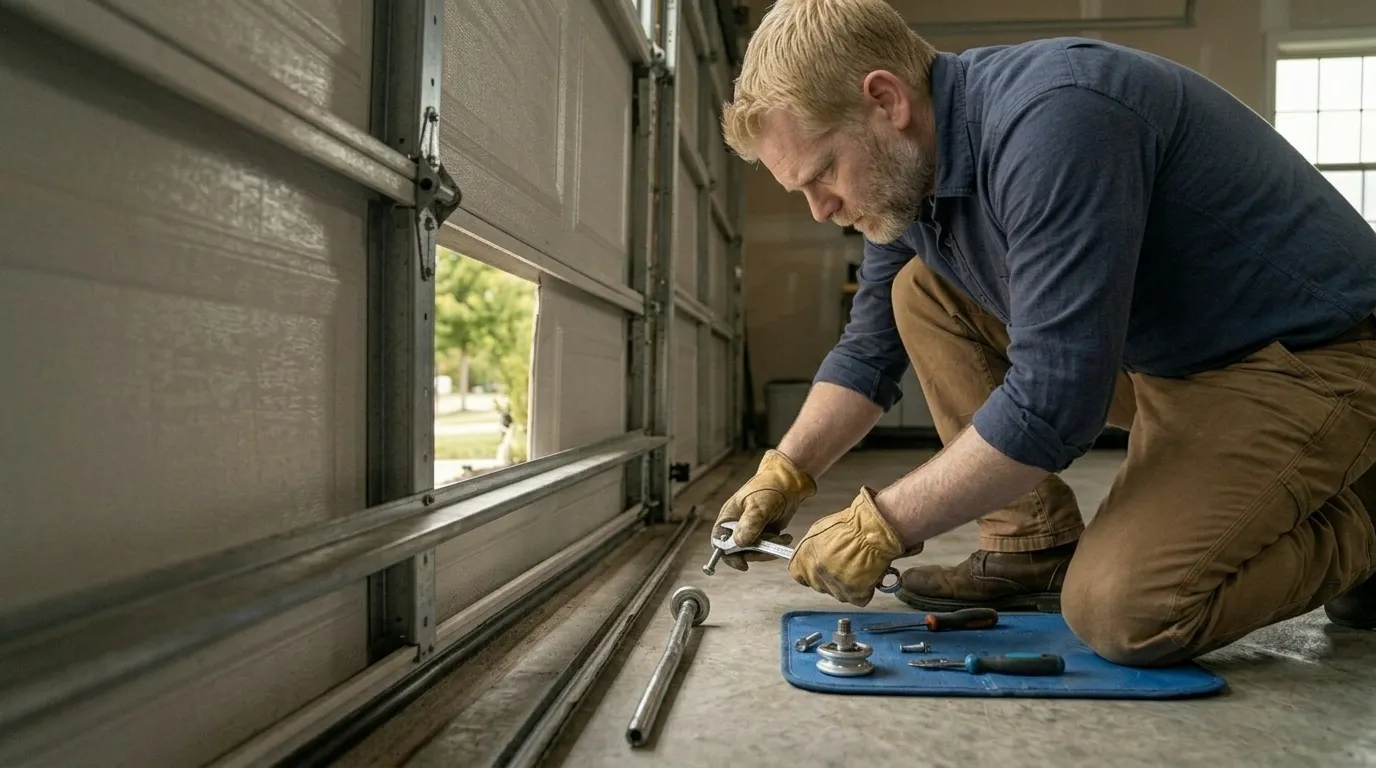
With a median build year of 1978, a lot of Highlands garages still carry their original track and roller assemblies, or a first-generation replacement from the 80s or 90s. That means galvanized rollers instead of nylon, torsion springs sized for heavier wood-composite panels, and openers on chain drives rather than belt. None of that is bad hardware - it just needs someone who still knows how to size a spring for it and isn't guessing off a modern parts catalog. The area's climate band is mild with occasional freeze risk, which is gentler on doors than a lot of the country, but 45+ years of humidity and temperature swings still take a toll on cable and spring coating. Households here run a median income of $54,524, noticeably below the wider service area's $70,478, and across roughly 2,508 households the math on repair versus replacement often tips toward fixing what's there rather than a full swap. We'll tell you straight when a repair isn't worth it - sometimes a door this old with a cracked panel and a worn spring is cheaper to replace outright than to keep patching, and we'd rather say that up front than run the meter.
The Houses Here
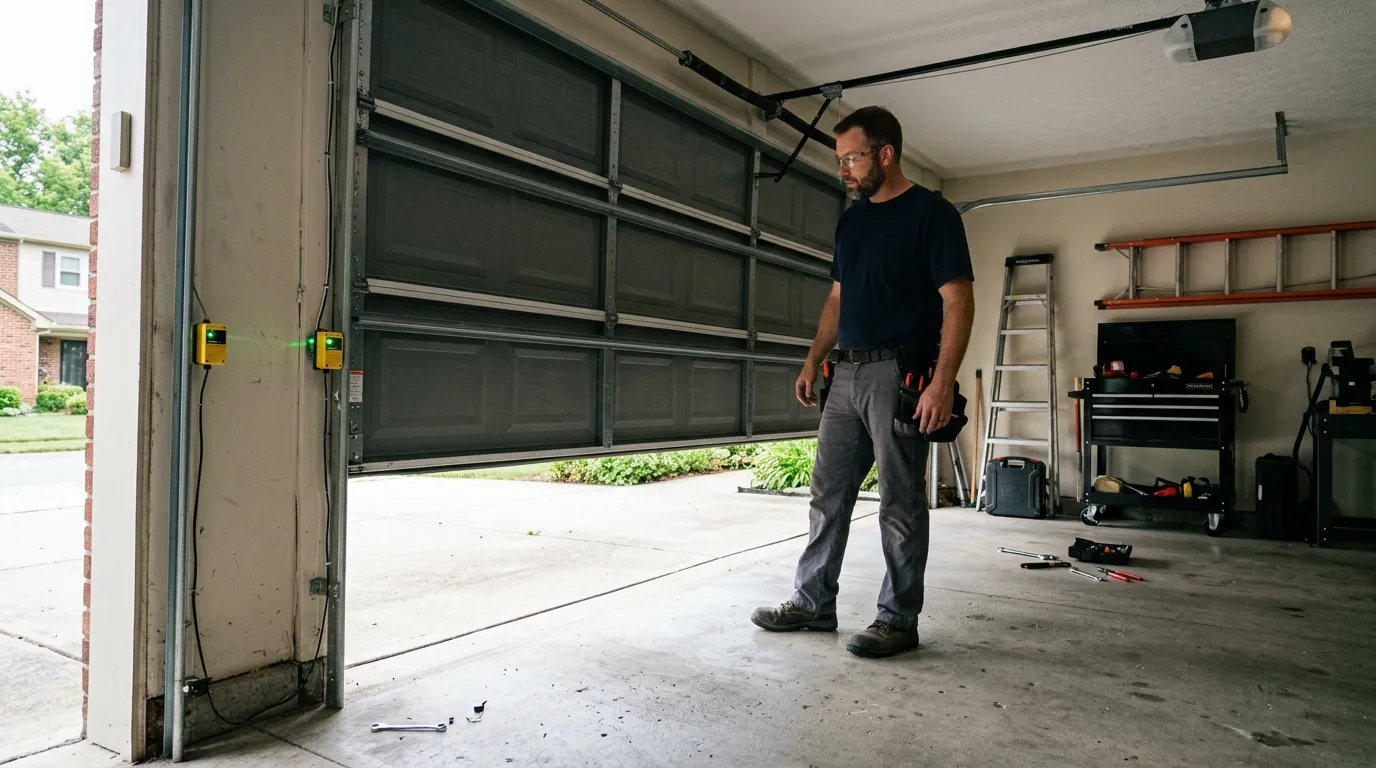
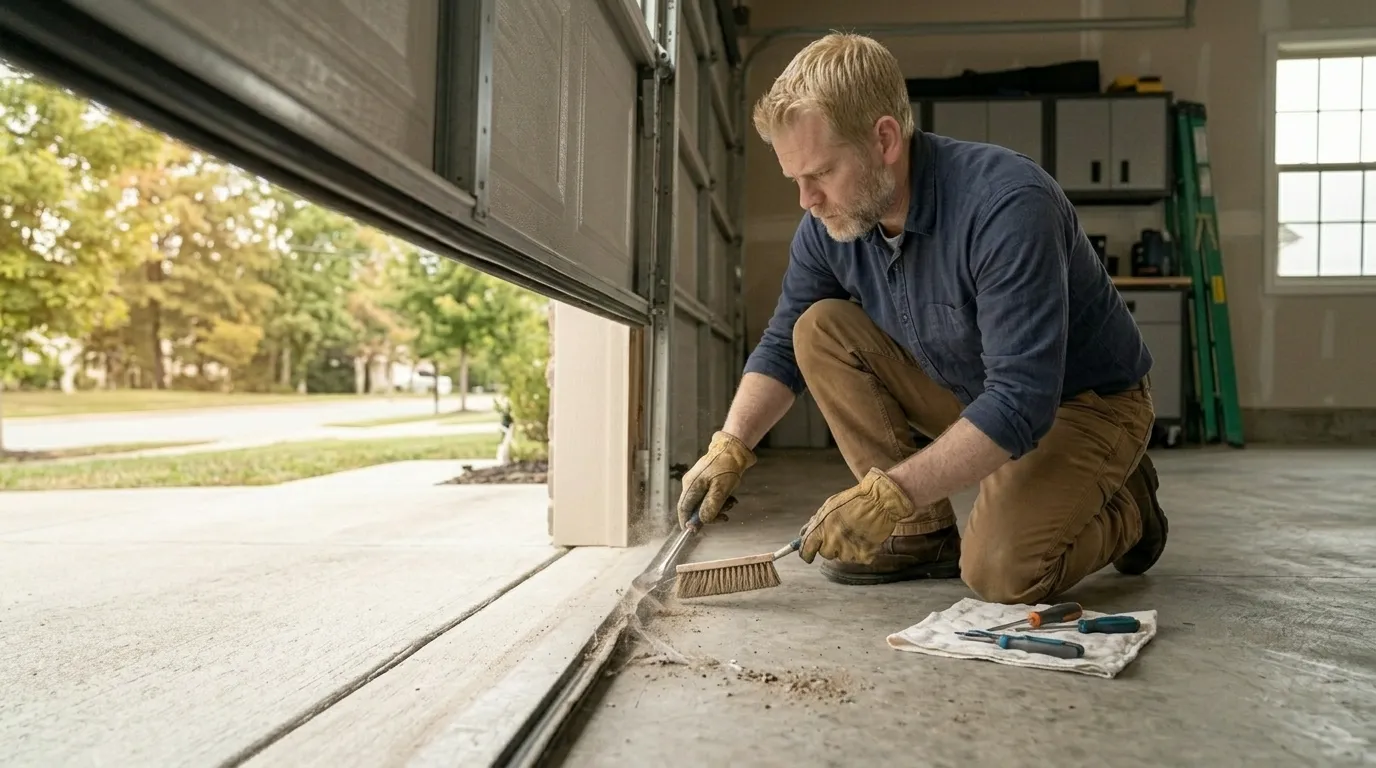
At roughly 2,508 households, Highlands is a smaller slice of the wider 30,112-household service area, but it's got its own character on the door front. Owner-occupied homes dominate the broader area - 17,400 of those 30,112 households - and Highlands fits that pattern: long-tenure owners on original or first-replacement doors, not rental stock cycling through cheap builder-grade installs. That tends to mean doors that have had one owner's worth of wear and maybe one repair, rather than a string of quick fixes from different landlords. It also means when something goes - a spring snaps, a cable frays, a panel dents from a mower or a trailer hitch - it's often the first real garage door problem that house has had in decades. We see that pattern a lot out this way: solid bones, old parts, and an owner who's never had to think about their garage door until the day it won't open.