The Split Between Old and New
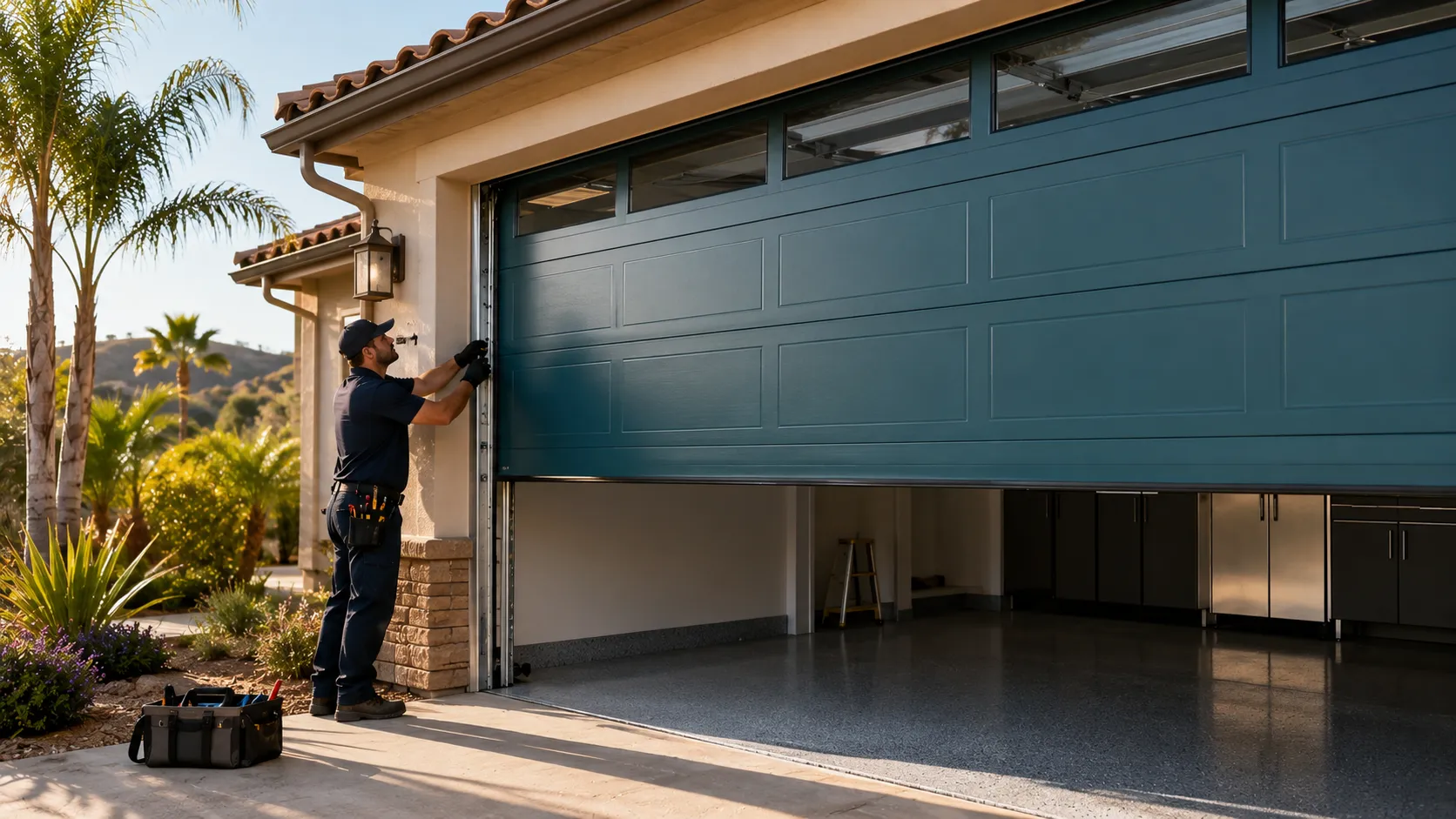
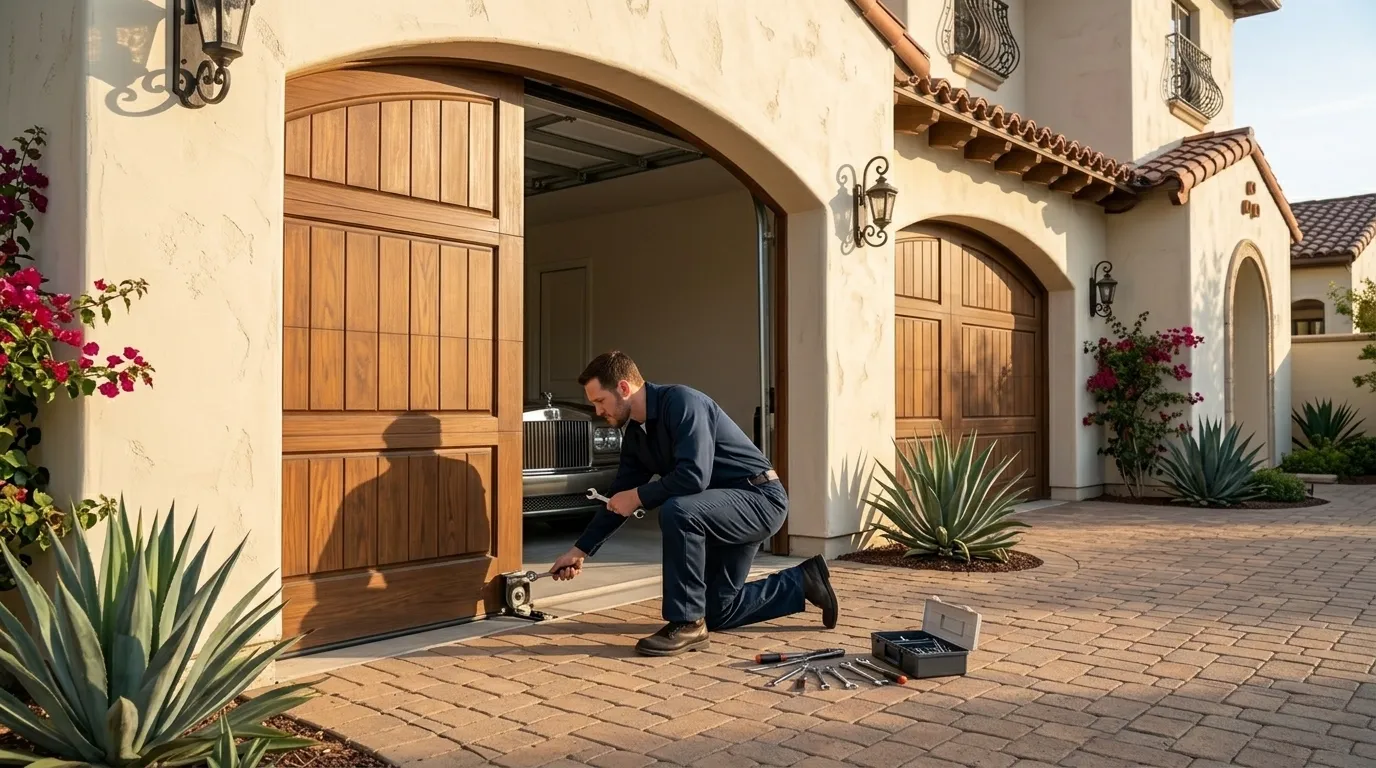
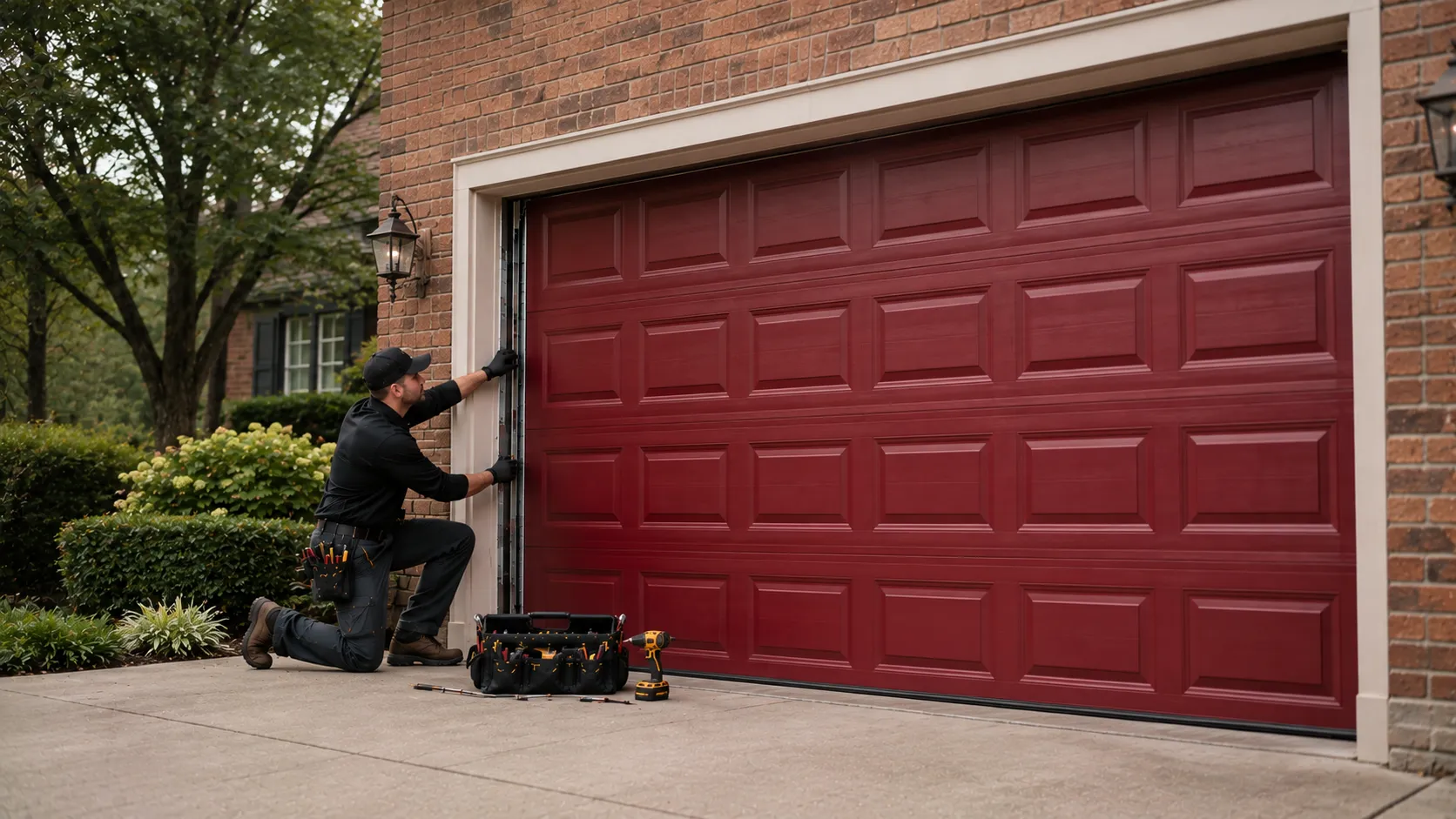
Across the wider service area, houses were built anywhere from 1956 to 2011, with the midpoint landing around 1981. Patton Village sits well past that midpoint - the typical home here went up around 1996. That fifteen-year gap matters more than it sounds like it should. A house built in 1981 was likely fitted with an extension-spring door system and a chain-drive opener that's been rebuilt at least once by now. A house built in 1996 came with torsion springs as the standard, a steel or composite panel door, and an opener that's more likely screw-drive or early belt-drive. When we get a call from Patton Village, we're not walking in expecting the same worn-out hardware we see on the older streets closer to Humble. We're expecting mid-90s builder-grade doors that are now old enough to need springs, rollers, and openers replaced, but young enough that the bones of the door - the track, the jambs, the header - are usually still square and sound. That's a different job than propping up a door from the 1970s, and it changes what we bring on the truck and what we tell you about repair versus replace.
What the Housing Means for Your Door
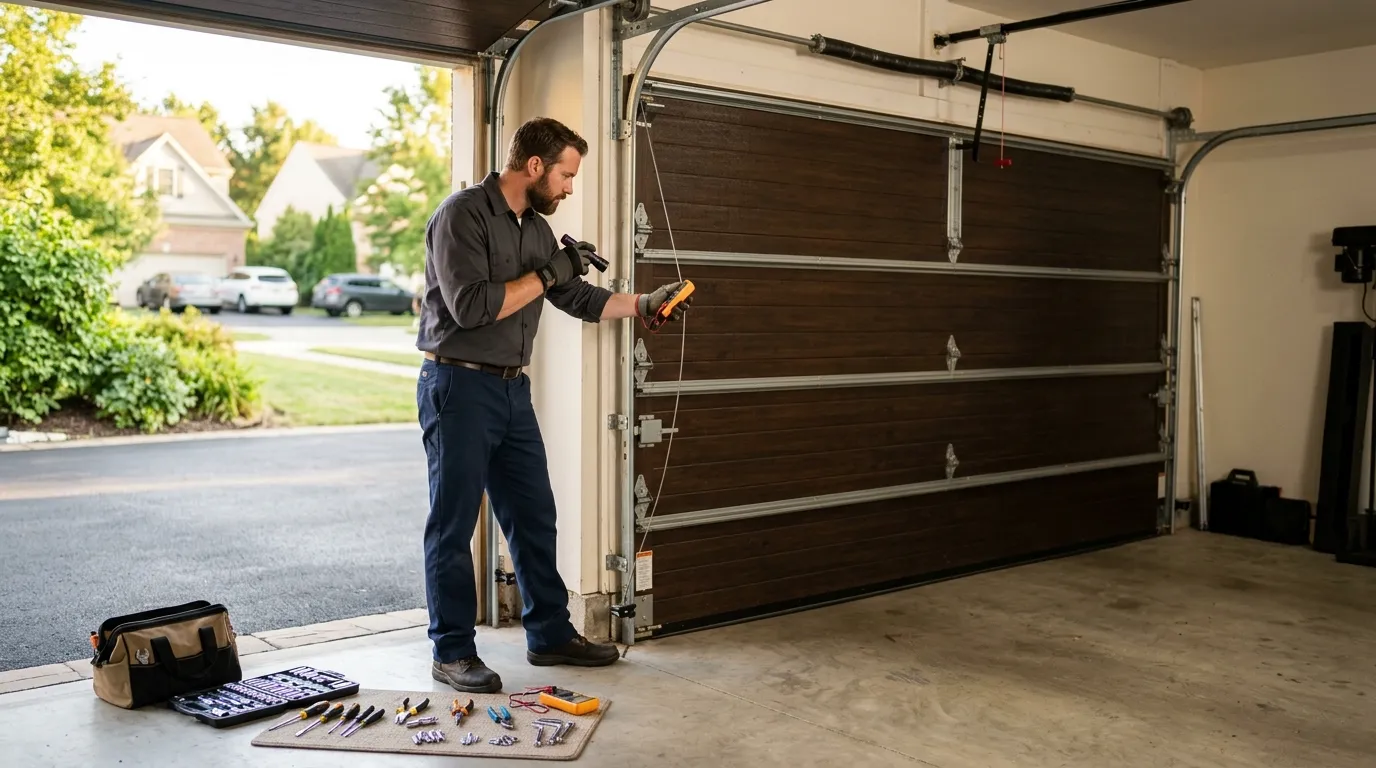
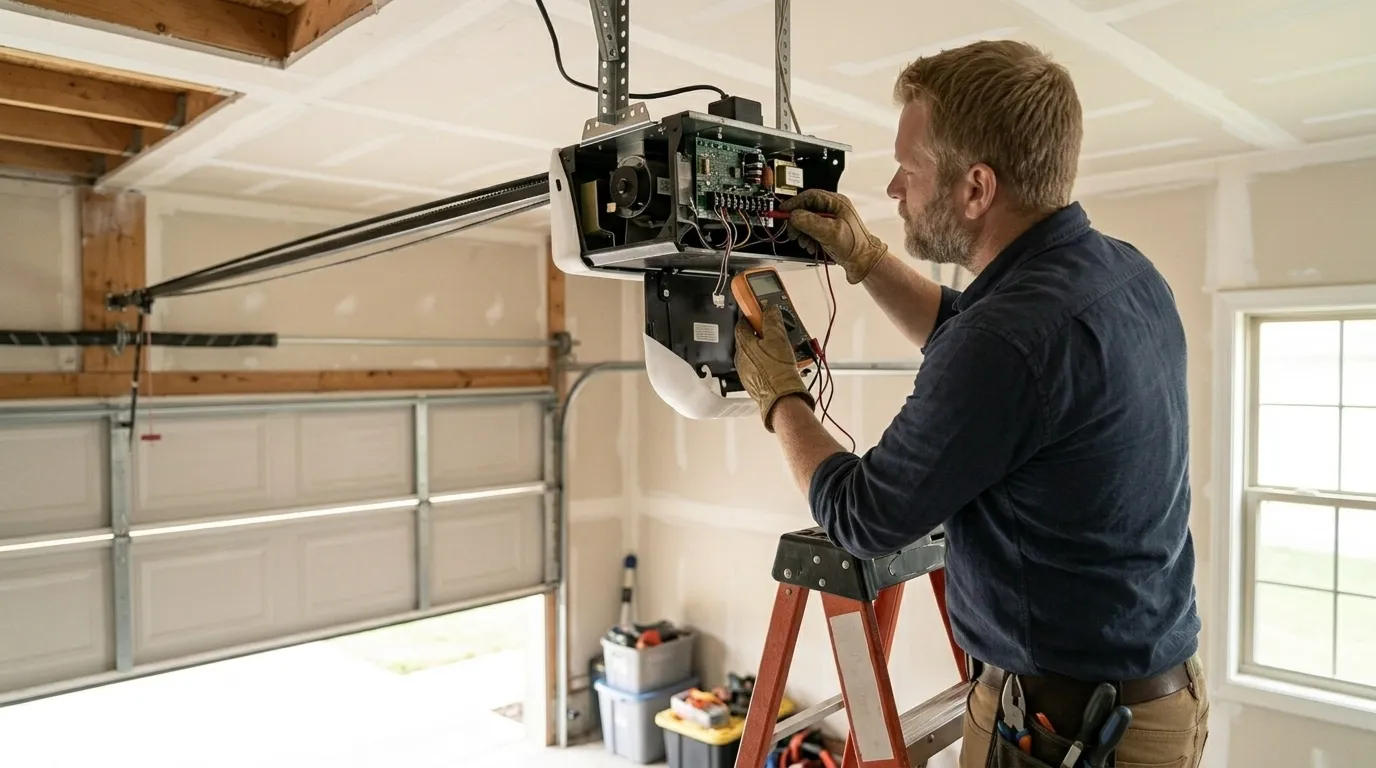
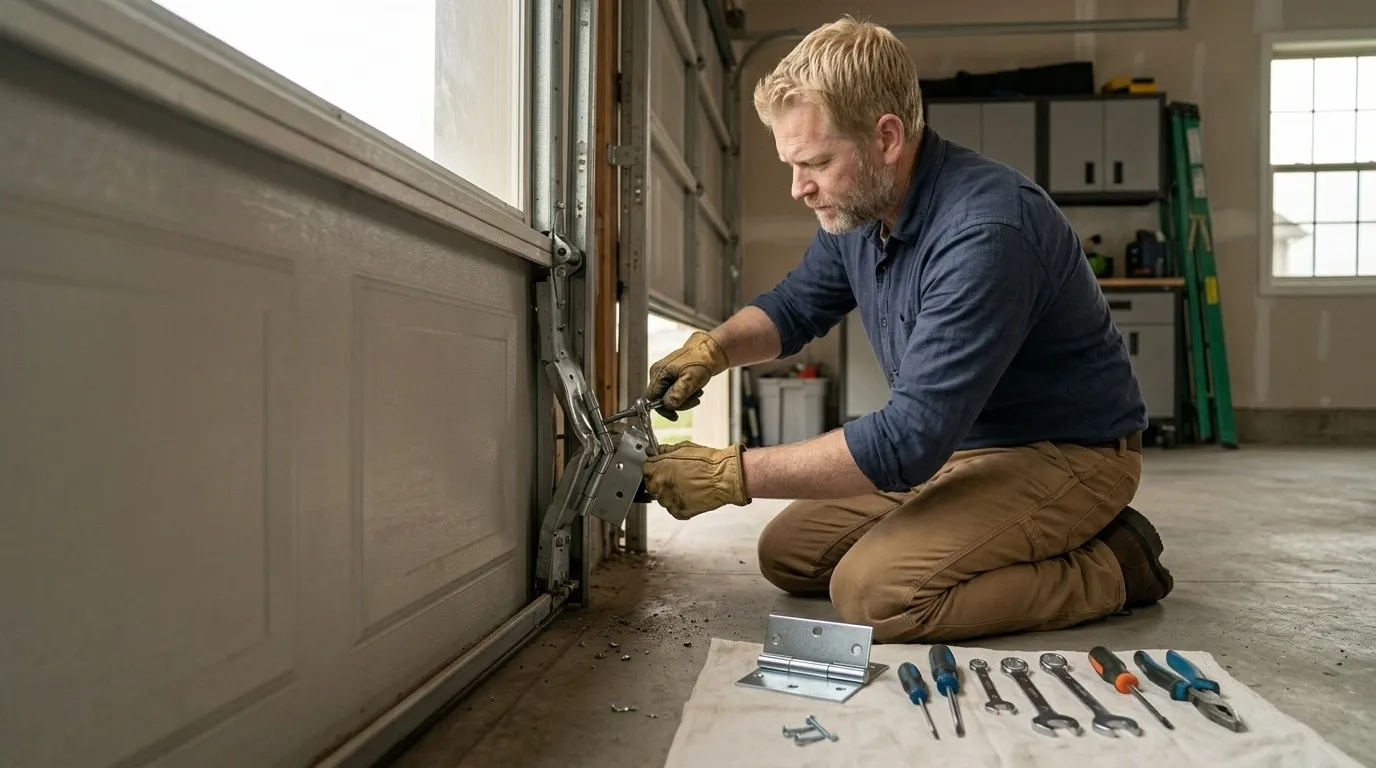
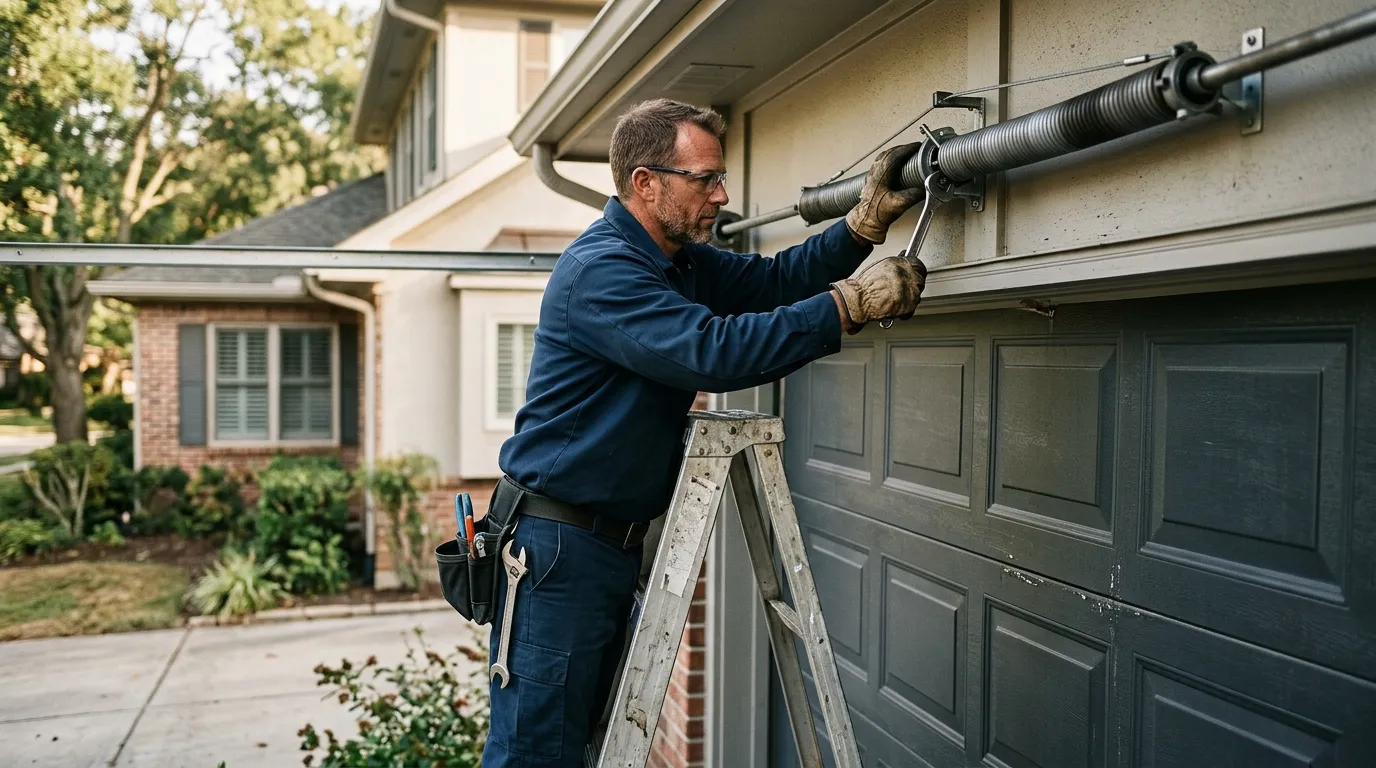
With most Patton Village homes dating to the mid-1990s, the common failure we see is age-appropriate wear rather than outdated design. Torsion springs from a 1996 build are past their rated cycle count by now - most torsion springs are good for seven to twelve years of daily use, so a spring installed at construction has likely already been replaced once, maybe twice. Openers from that era, if original, are chain-drive units nearing or past their practical service life; the motor windings and gear sets in a 25-30 year old opener are the kind of failure that shows up as a door that hums but won't lift. Rollers and cables age on a similar clock. The good news with newer stock like this: the track alignment and door panel condition tend to hold up better than in the 1960s-70s builds closer to the city center, so a repair here is more often a parts swap than a full teardown. One honest limit - if your opener is a proprietary or discontinued model from that period, we may need to source a compatible logic board or full replacement rather than an exact part, and that can add a day or two to the job.
The Houses Here
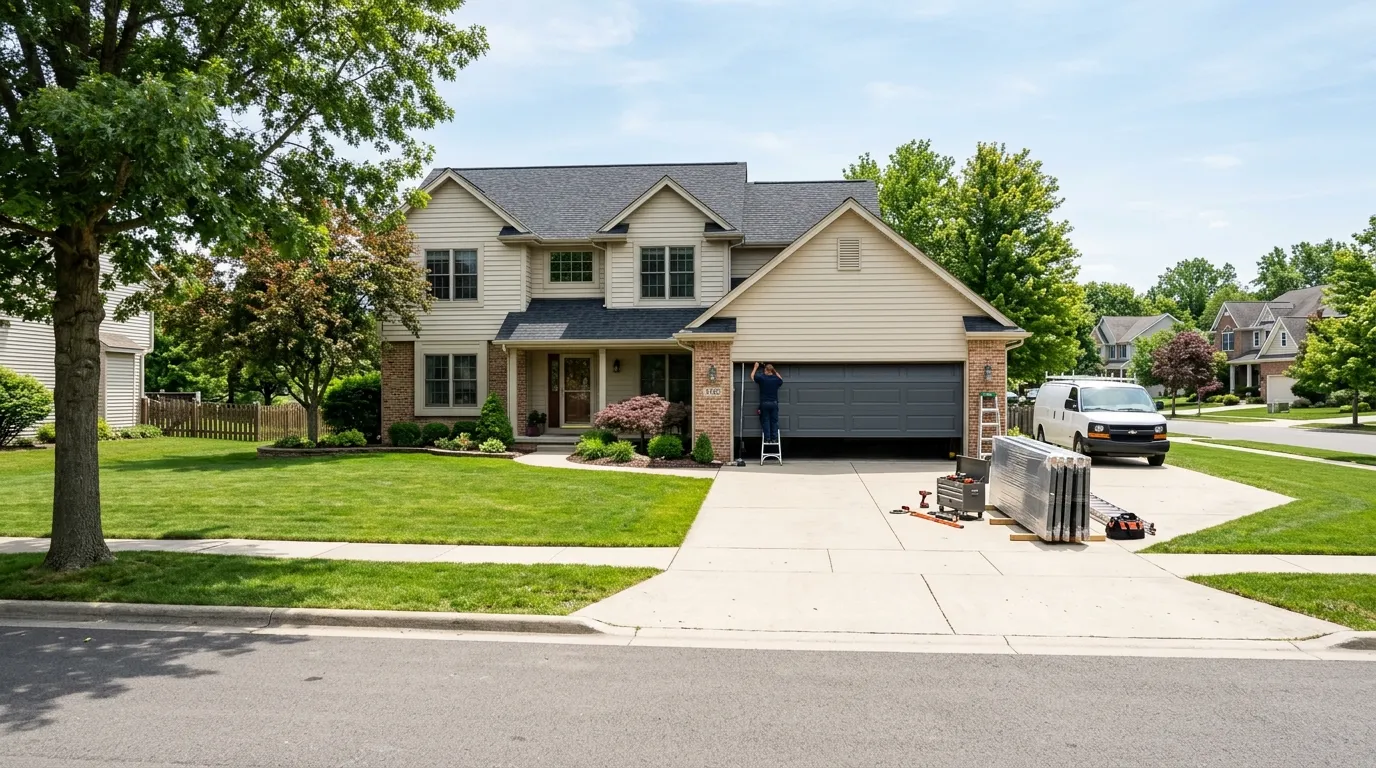
Patton Village is a small community - around 454 households by the numbers we work from - and it runs a bit more affluent than the broader service area, with median household income near $78,621 against roughly $70,478 across the full coverage zone. That income level shows up in the kind of upgrades we see: more insulated steel doors, more owners who've already put in a newer belt-drive opener with a smart controller, fewer of the bare-bones single-layer doors you find in older, lower-cost tracts. It's a smaller pool of homes than some of the named areas we cover, which means less day-to-day variety in door models, but it also means when a part fails, it's often failing at the same age across several houses on the same block - built in the same short window, wearing out in the same short window.