The Split Between Old and New
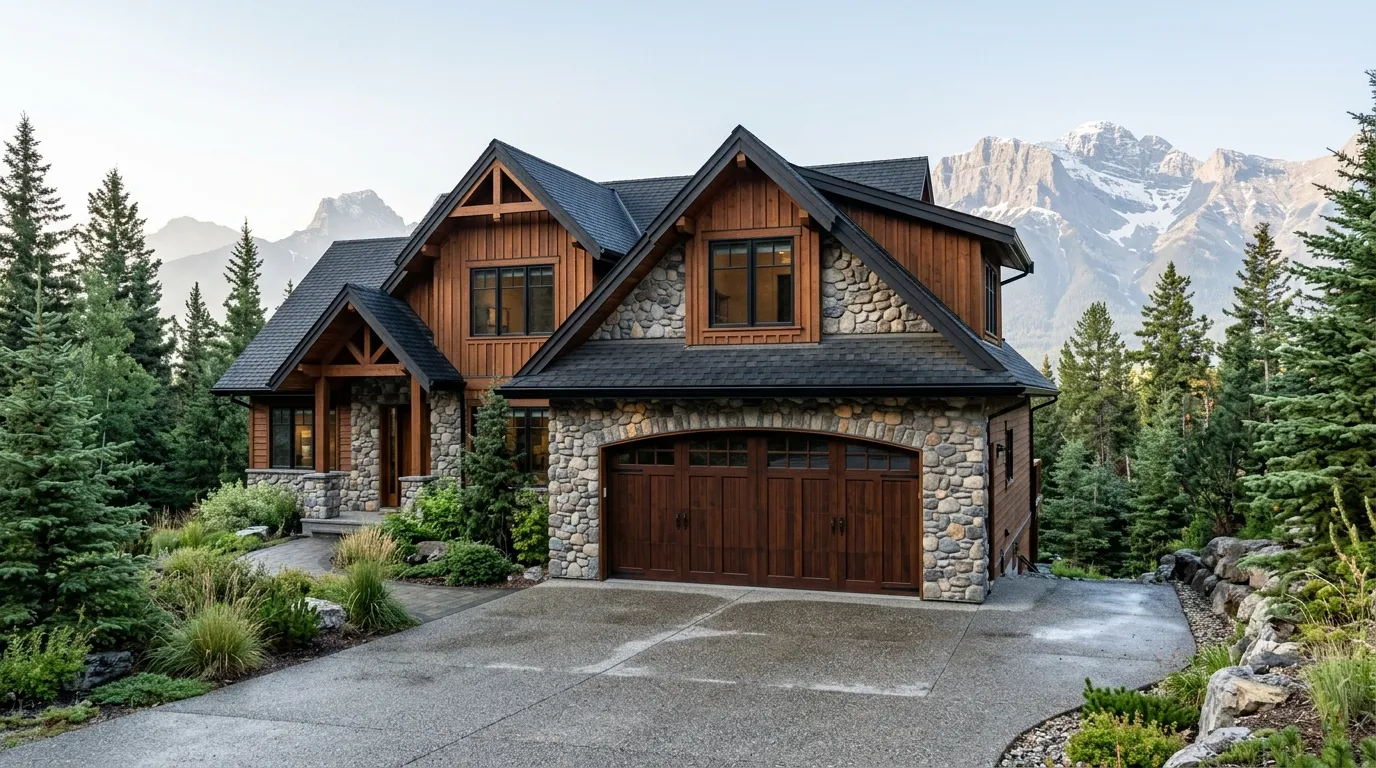
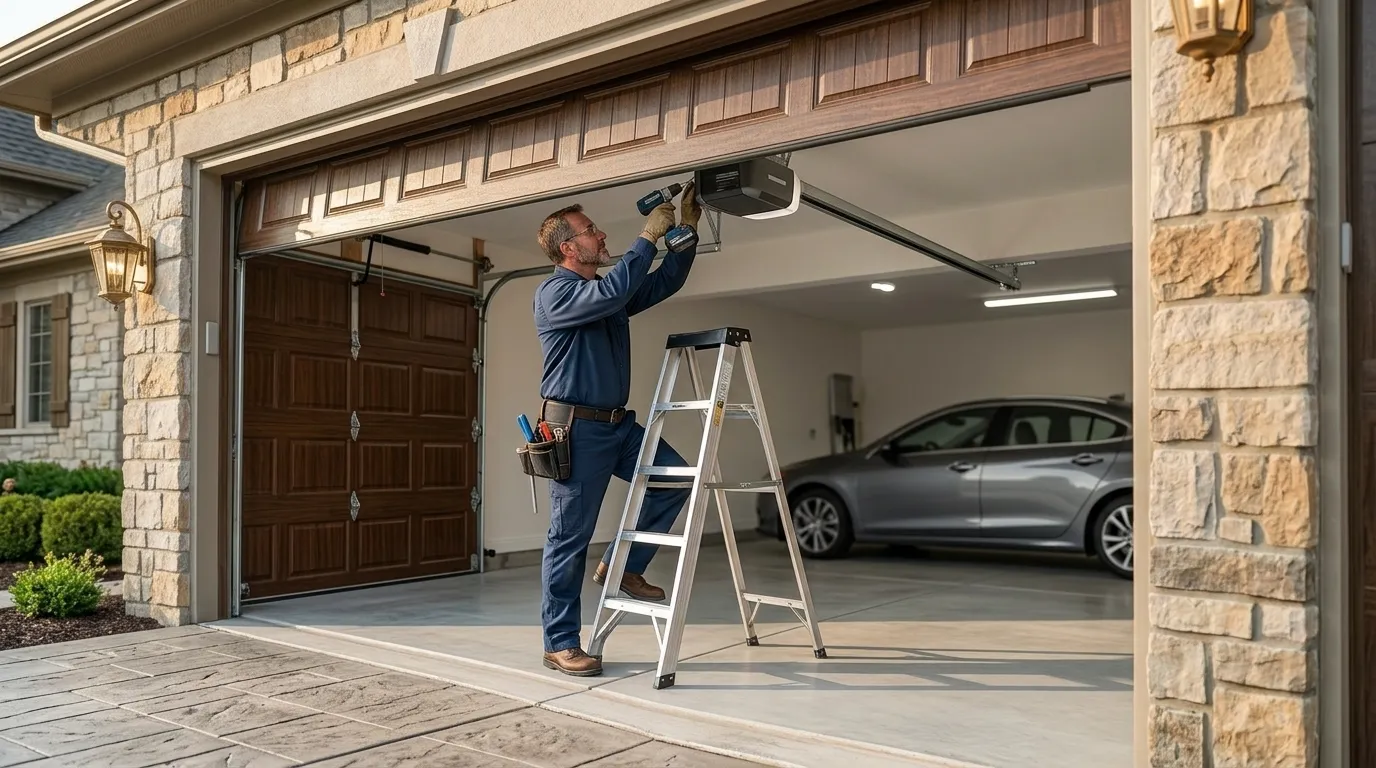
Across our service area, the median home was built in 1981, and plenty of houses go back to the 1950s. Plum Grove doesn't fit that pattern. The median year built here is 2011, which puts most of the neighborhood two to three decades newer than the typical house we work on elsewhere. That gap matters more than it sounds like it should. A door installed in 1985 and a door installed in 2011 are built to different standards, wired to different opener technology, and wear out in different ways. If you're used to hearing about "original hardware" and "parts nobody stocks anymore," that's not really your situation. Your door is more likely to have a factory steel torsion setup, a belt or chain-drive opener with rolling-code security, and insulation values that older doors in the area simply don't have. We mention this up front because a lot of garage door advice online is written for the older housing stock that dominates the wider region, and it doesn't map cleanly onto a subdivision built mostly in the last fifteen years.
What the Housing Means for Your Door
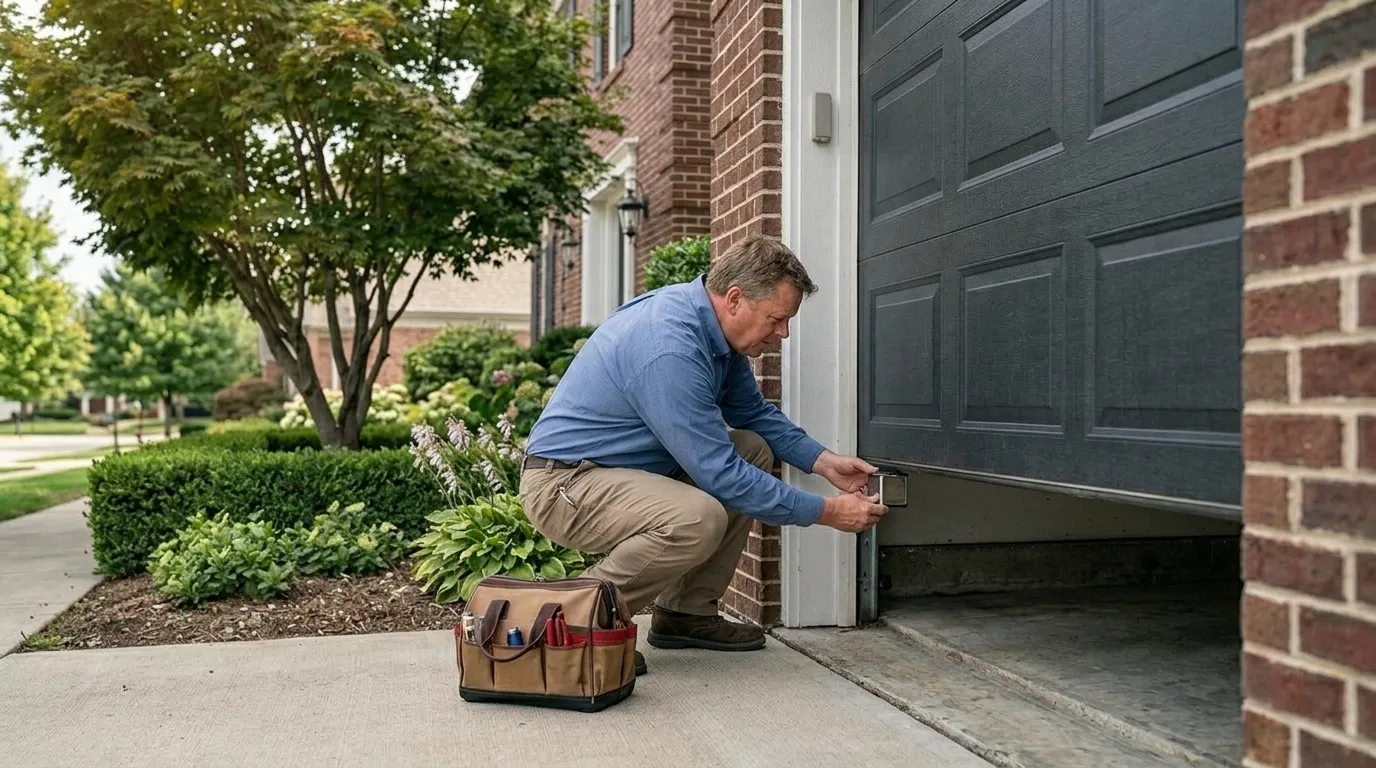
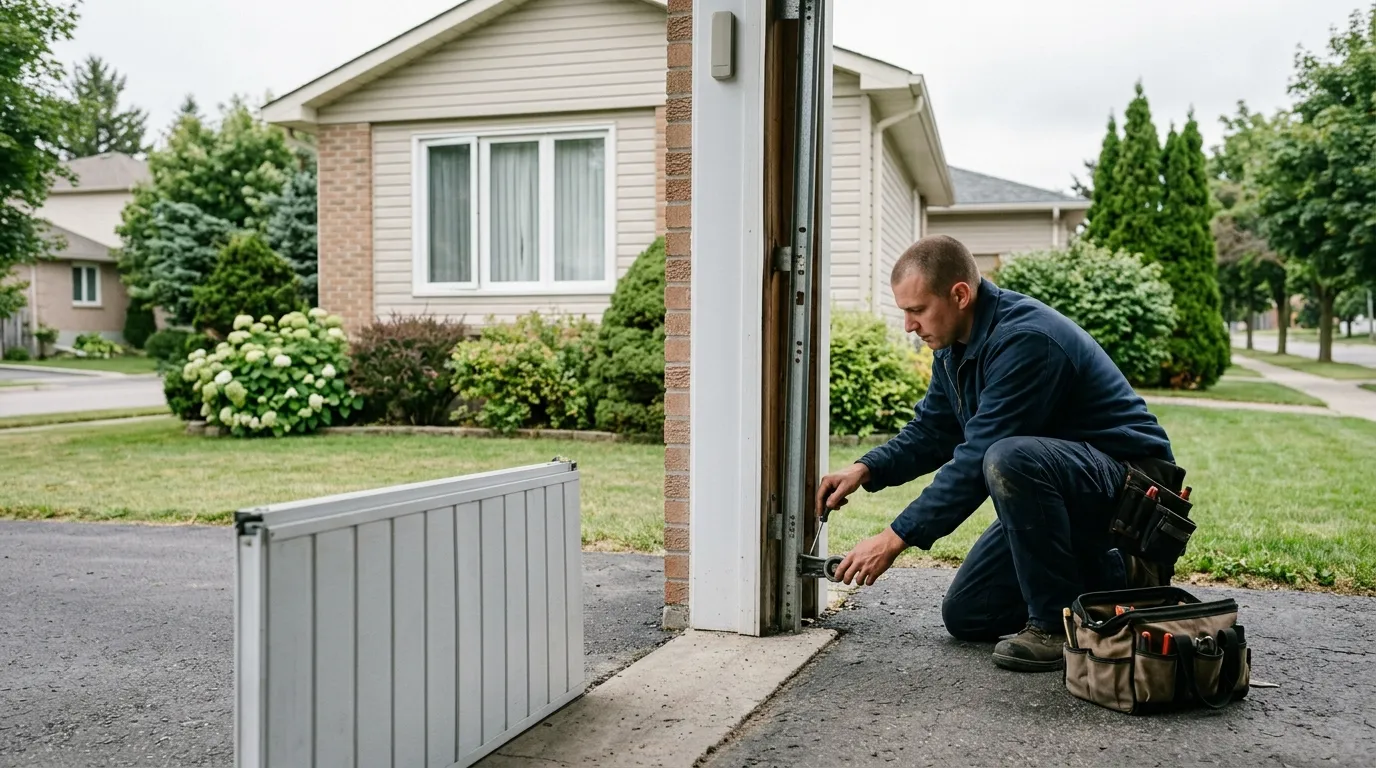
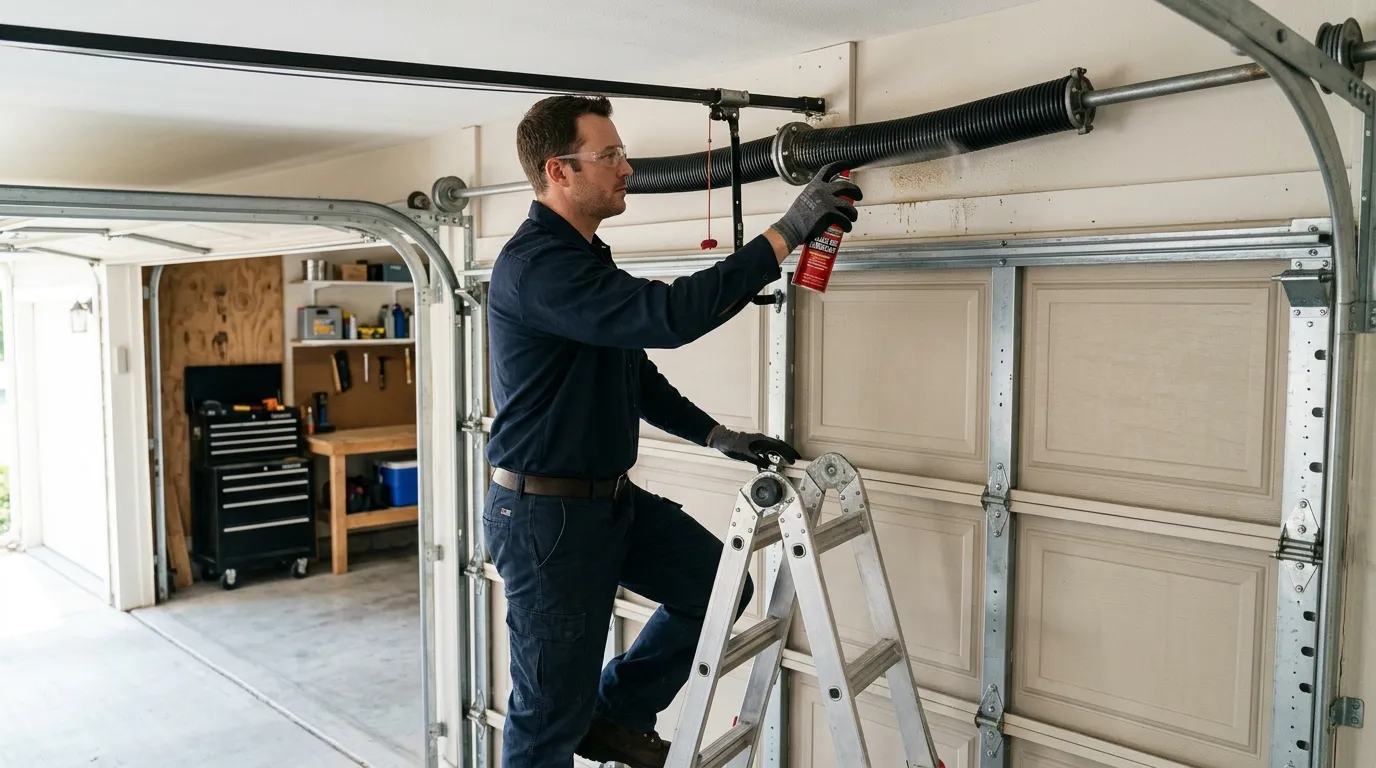
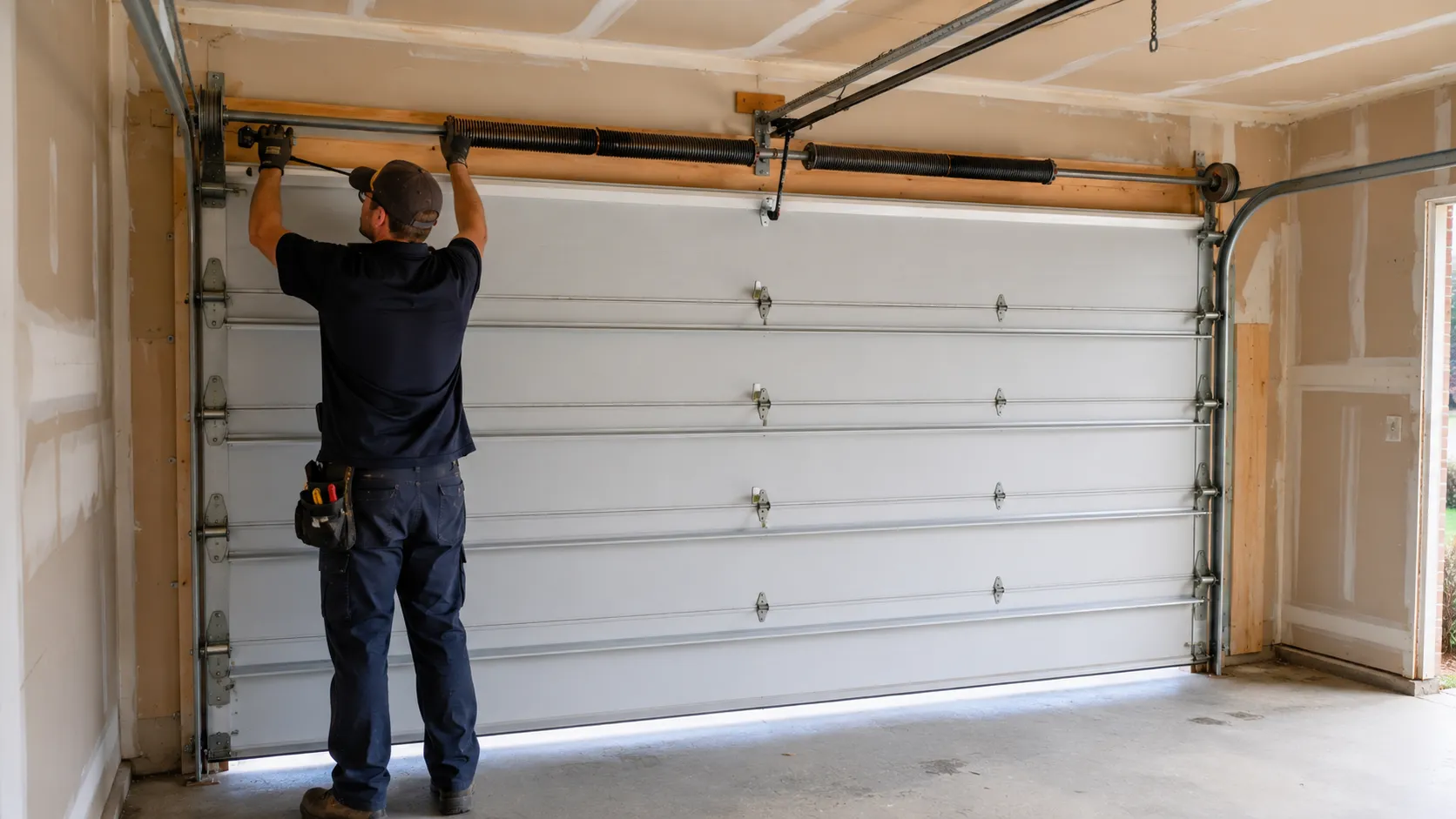
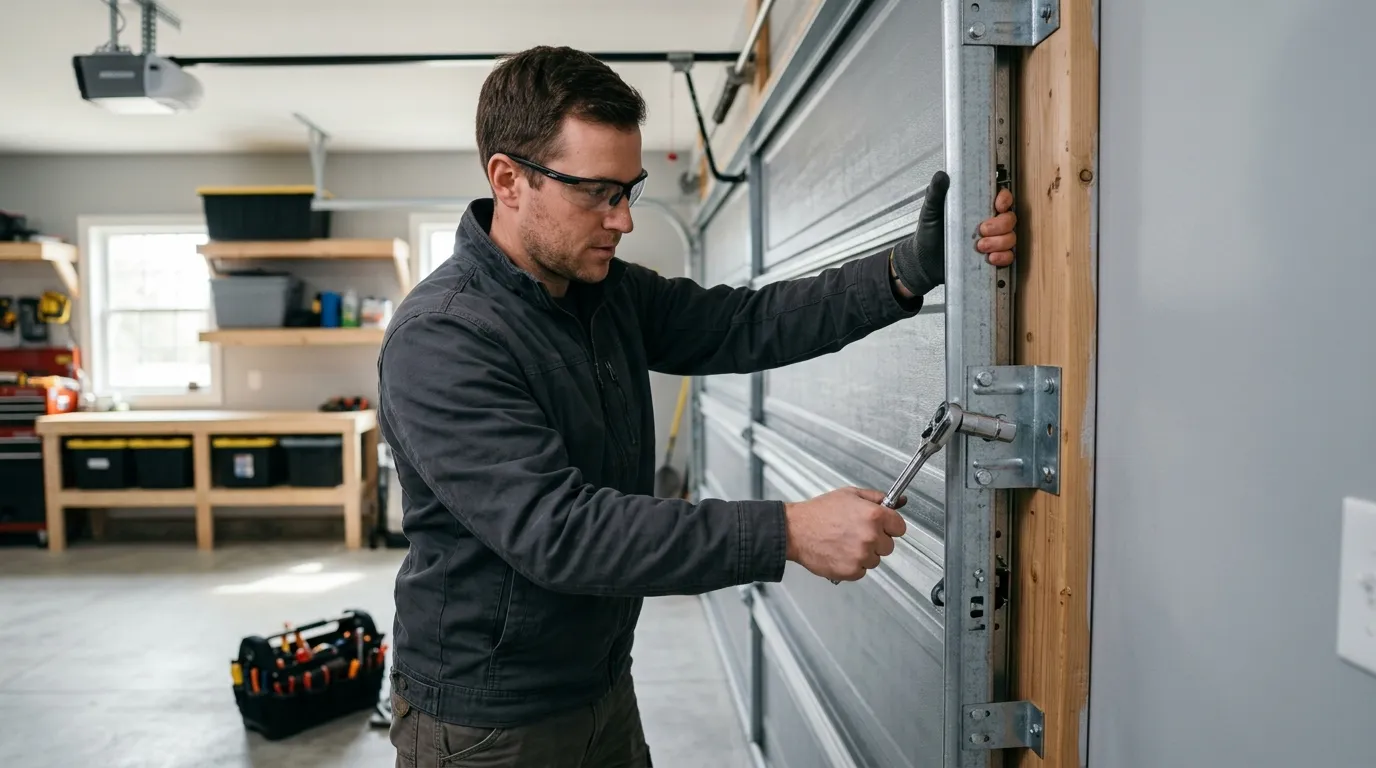
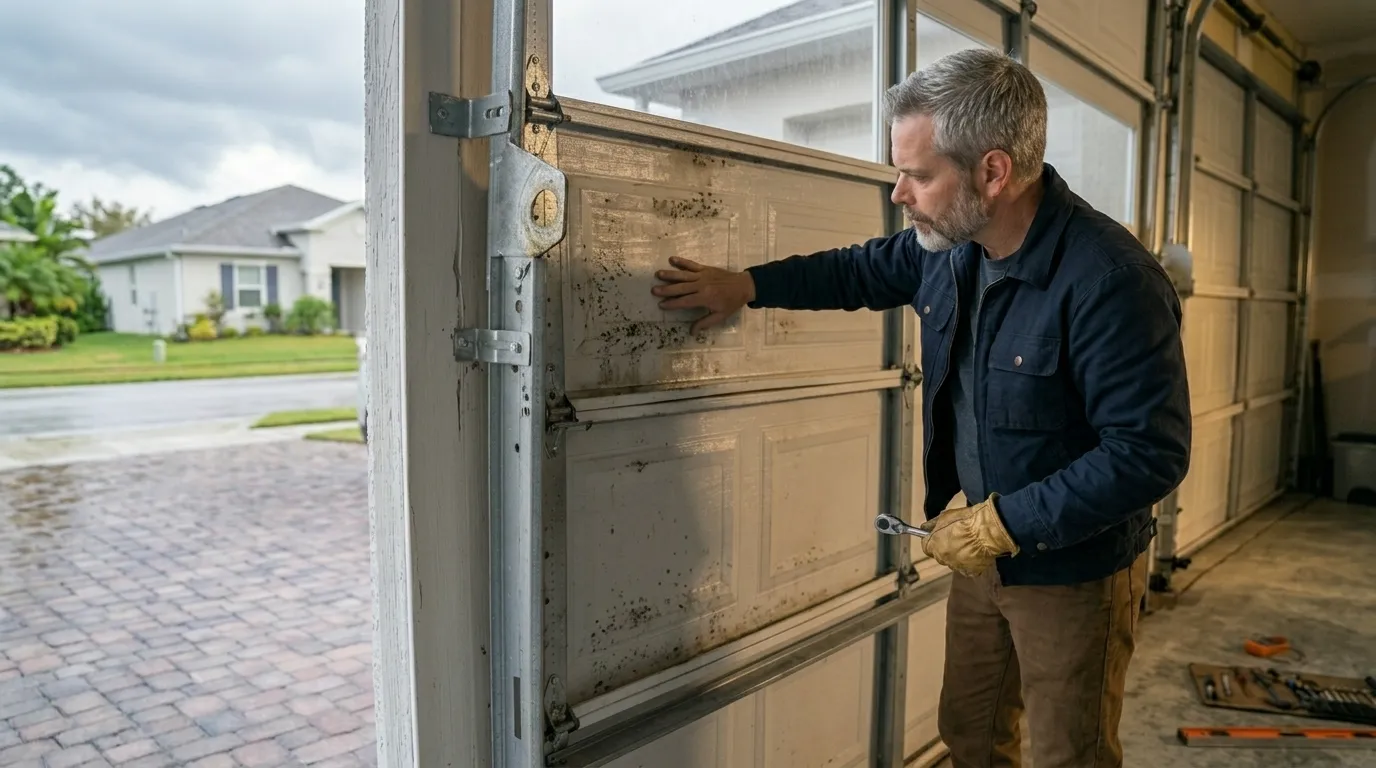
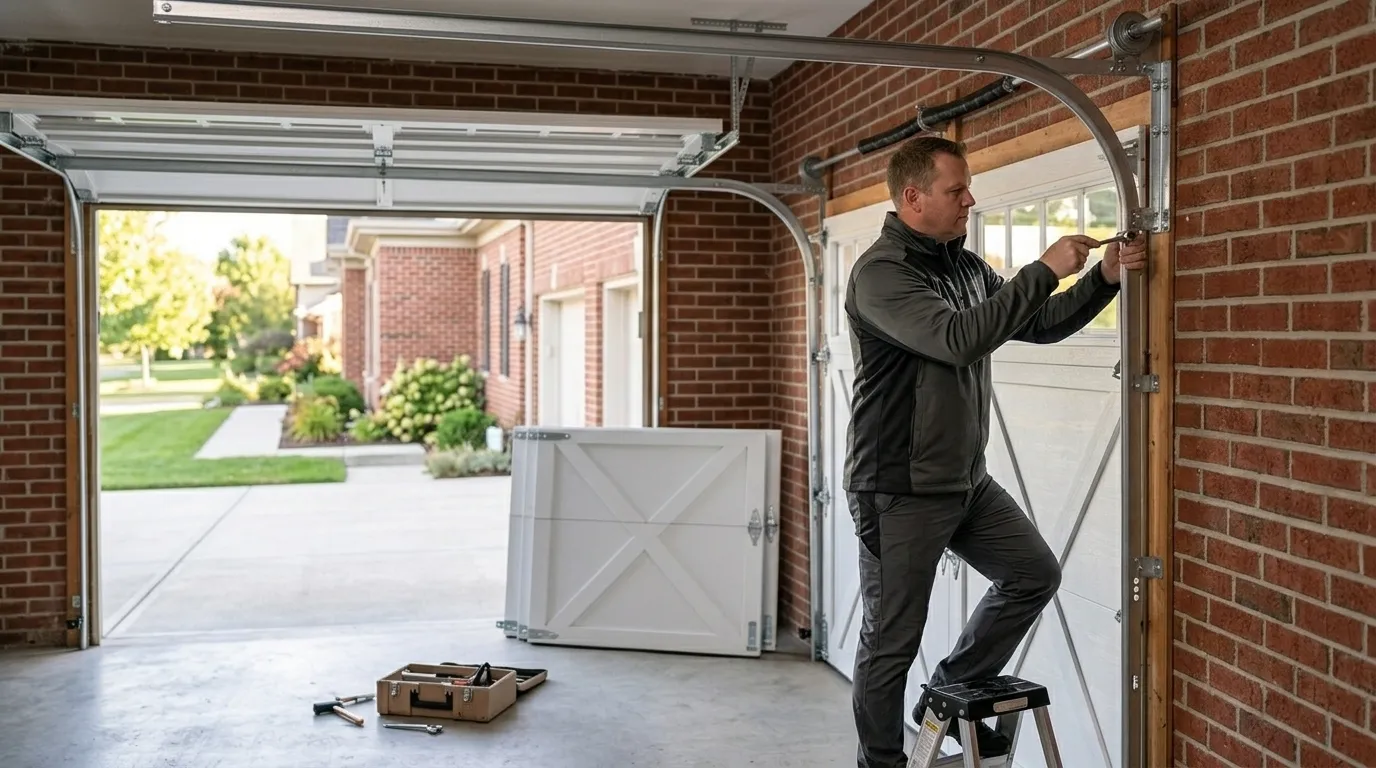
With most Plum Grove houses built around 2011, the common failures we see aren't the seized-up, decades-old spring failures you'd expect on a 1970s house. They're more likely to be worn rollers, opener logic boards or sensors going out after years of daily cycling, or weatherstripping that's finally given up. The climate here is mild with occasional freeze risk, so hardware doesn't take the beating it would somewhere with hard freezes or heavy humidity swings, but plastic idler pulleys and nylon rollers still age out over ten to fifteen years of normal use. One honest limitation: if your door or opener is an odd or discontinued builder-grade model from that construction period, some parts can take longer to source than a standard retail unit, and we'll tell you that up front rather than promise a same-day fix we can't back.
The Houses Here
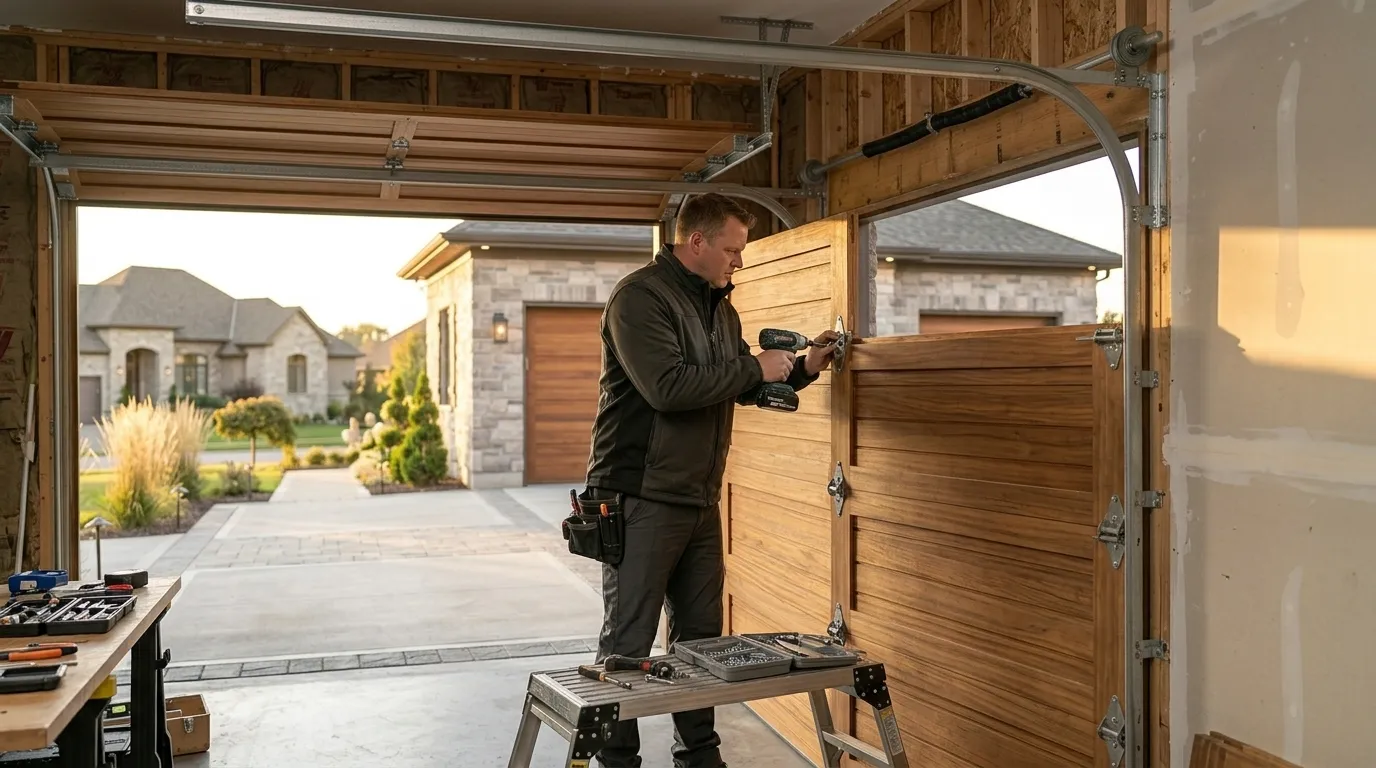
Plum Grove is a smaller community, with around 603 households and a median household income of about $70,362, close to the wider area's $70,478 median. That's a place where most people are making practical decisions about a home repair rather than treating a garage door like a discretionary upgrade. Given how new the housing stock is here, most jobs we quote are repairs, not replacements: a broken spring, a failing opener, a door knocked off track. Full door replacement makes more sense on the older housing stock elsewhere in the region, where doors are pushing 40 or 50 years old. On a 2011-era door, replacement is rarely the right first call unless there's serious physical damage to the panels.