The Split Between Old and New
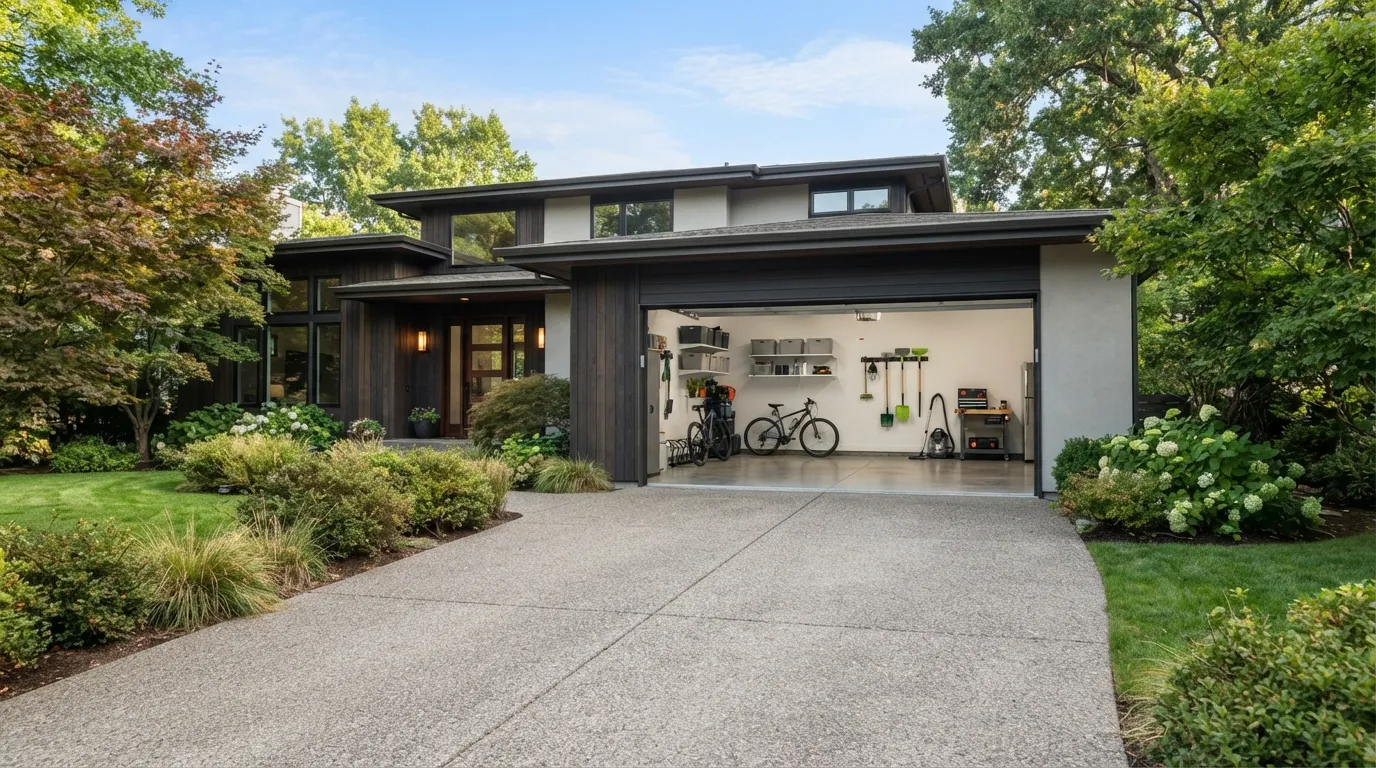
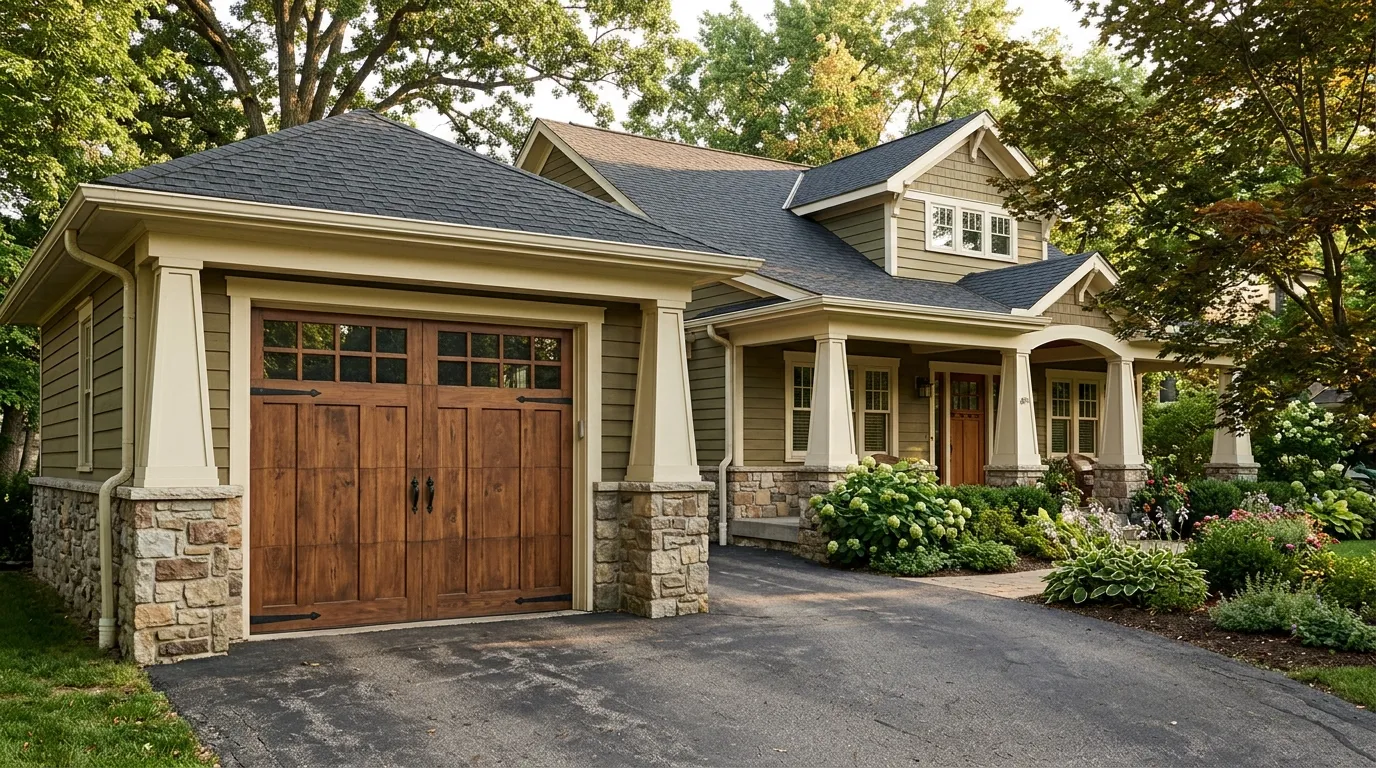
Across the wider service area, homes went up anywhere from 1956 to 2011, with the typical build landing around 1981. Porter Heights sits on the older side of that spread - the typical house here dates to about 1978, a few years ahead of the area median. That gap matters more than it sounds. A house built in the late 1970s usually has its original garage door hardware still bolted to the studs, or a first-generation replacement from the 1990s. Newer subdivisions closer to Humble skew toward 2000s-era doors with insulated steel panels and factory torsion springs sized for those lighter panels. Porter Heights doesn't have much of that. What you find instead is a mix of heavier single-layer steel doors, some wood-panel doors that never got replaced, and spring systems that were serviced piecemeal over four decades rather than swapped out as a unit. When we get a call from this pocket of the service area, we come in expecting parts that don't match what's on the shelf at a big-box store, not a straightforward panel swap.
What the Housing Means for Your Door
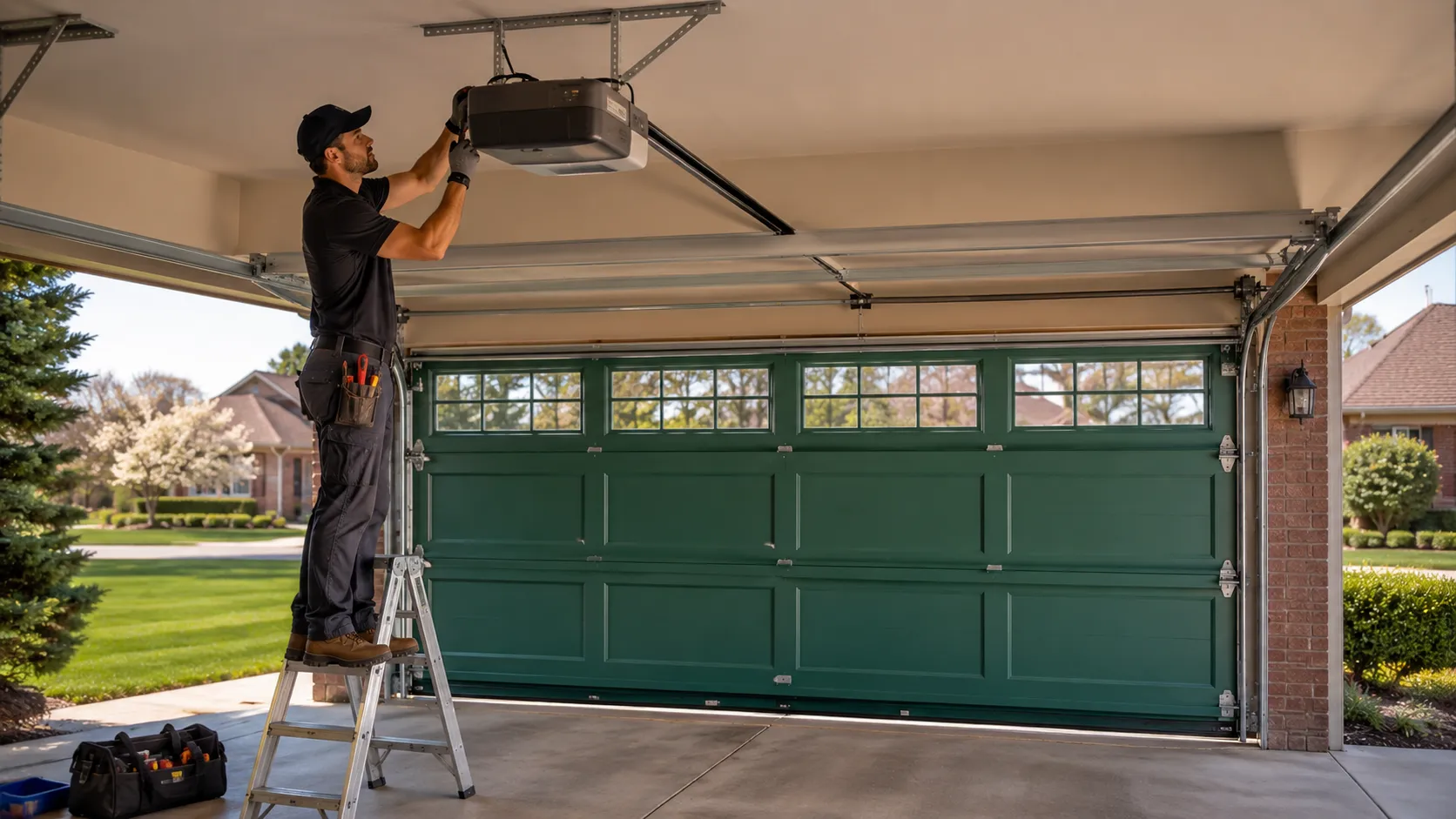
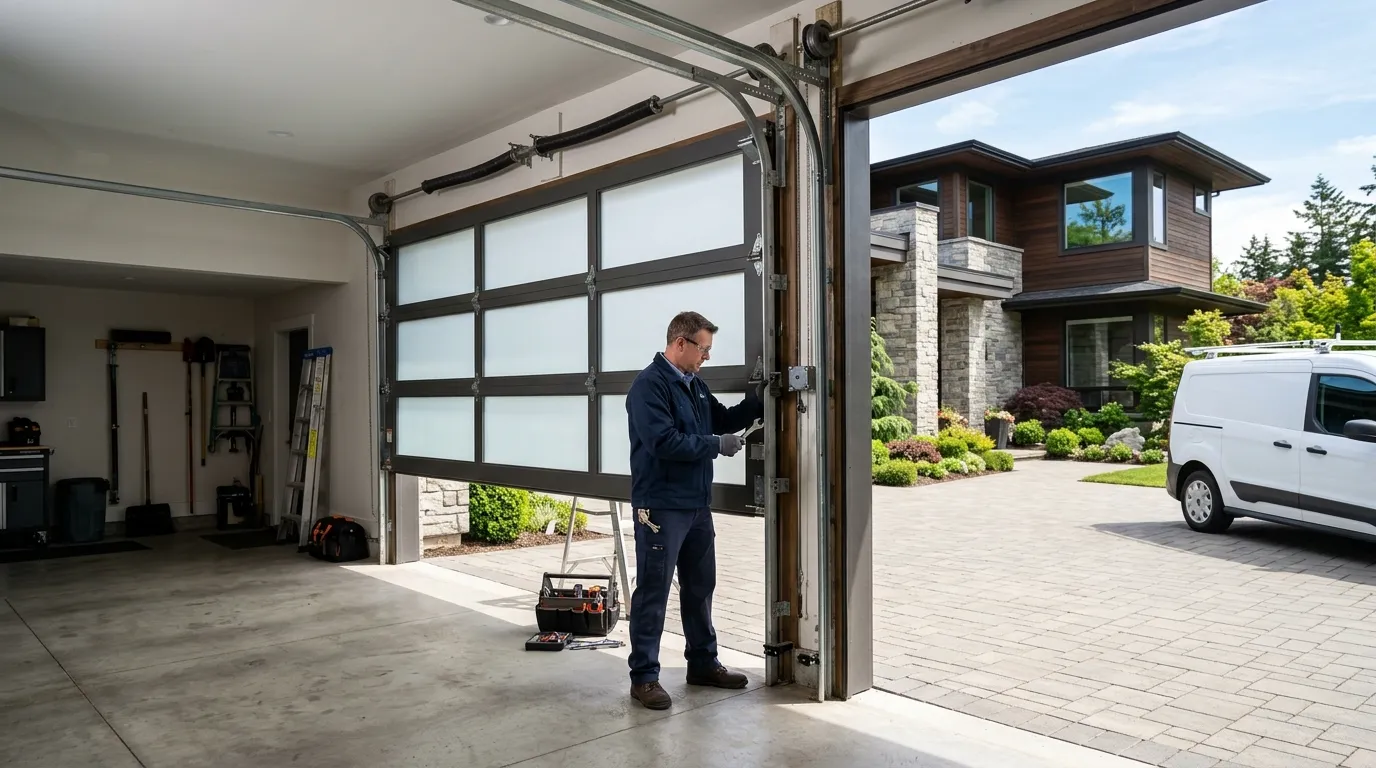
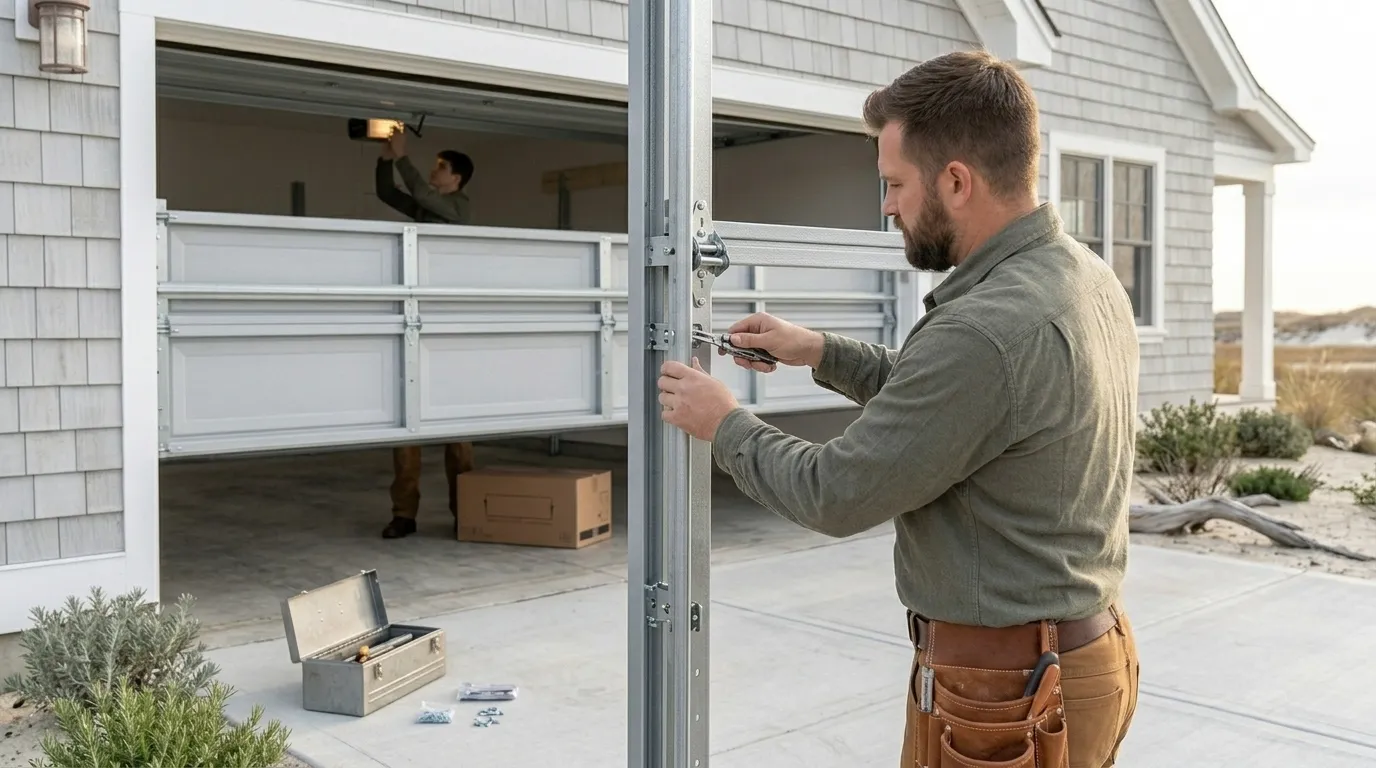
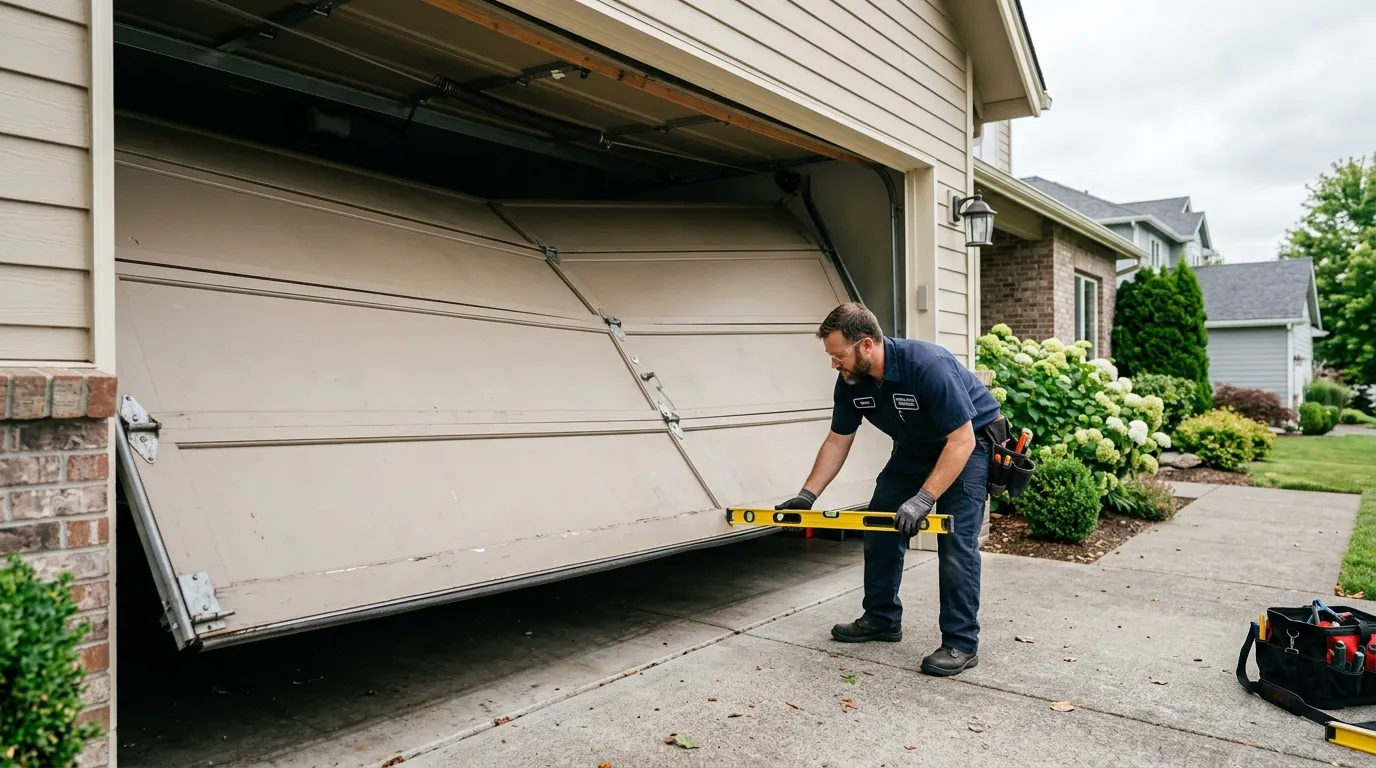
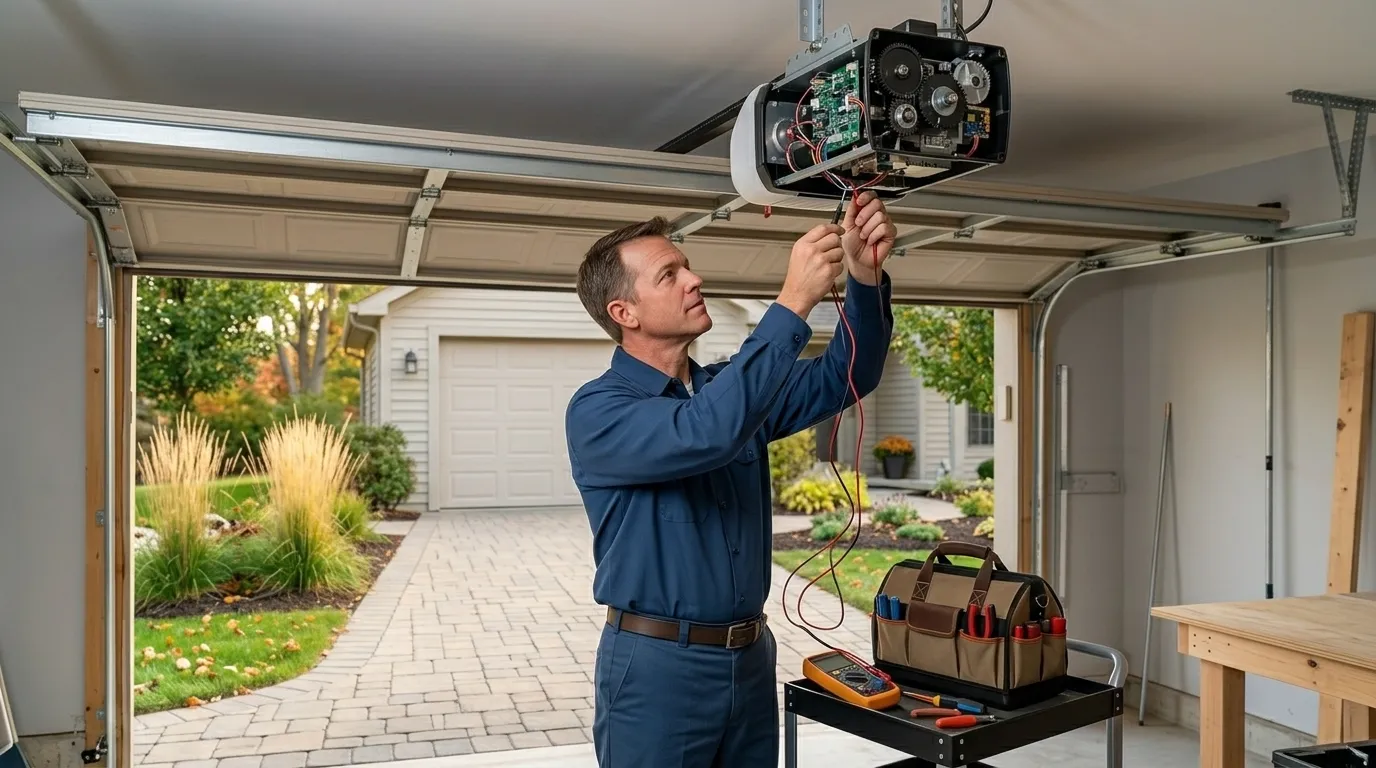
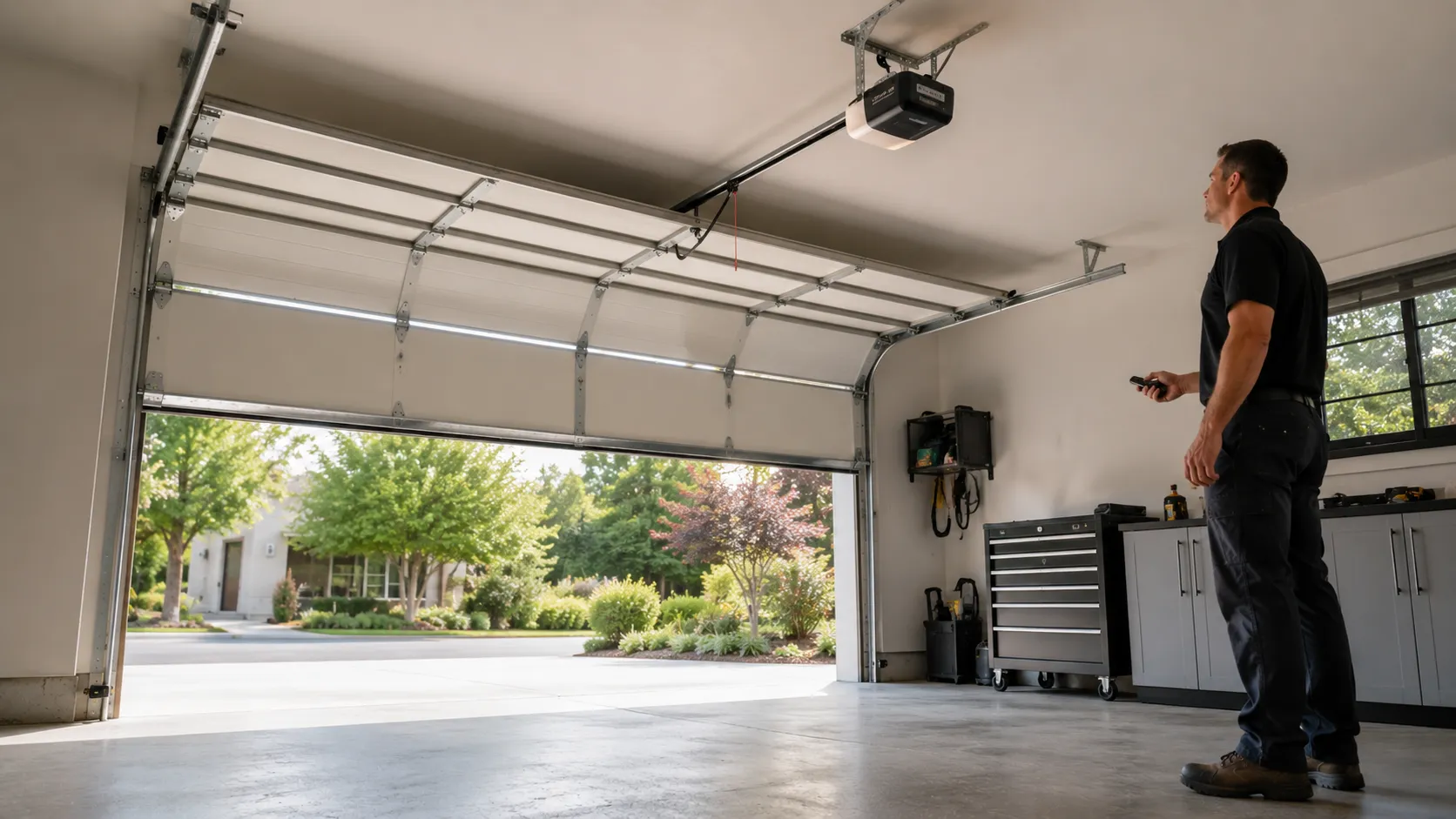
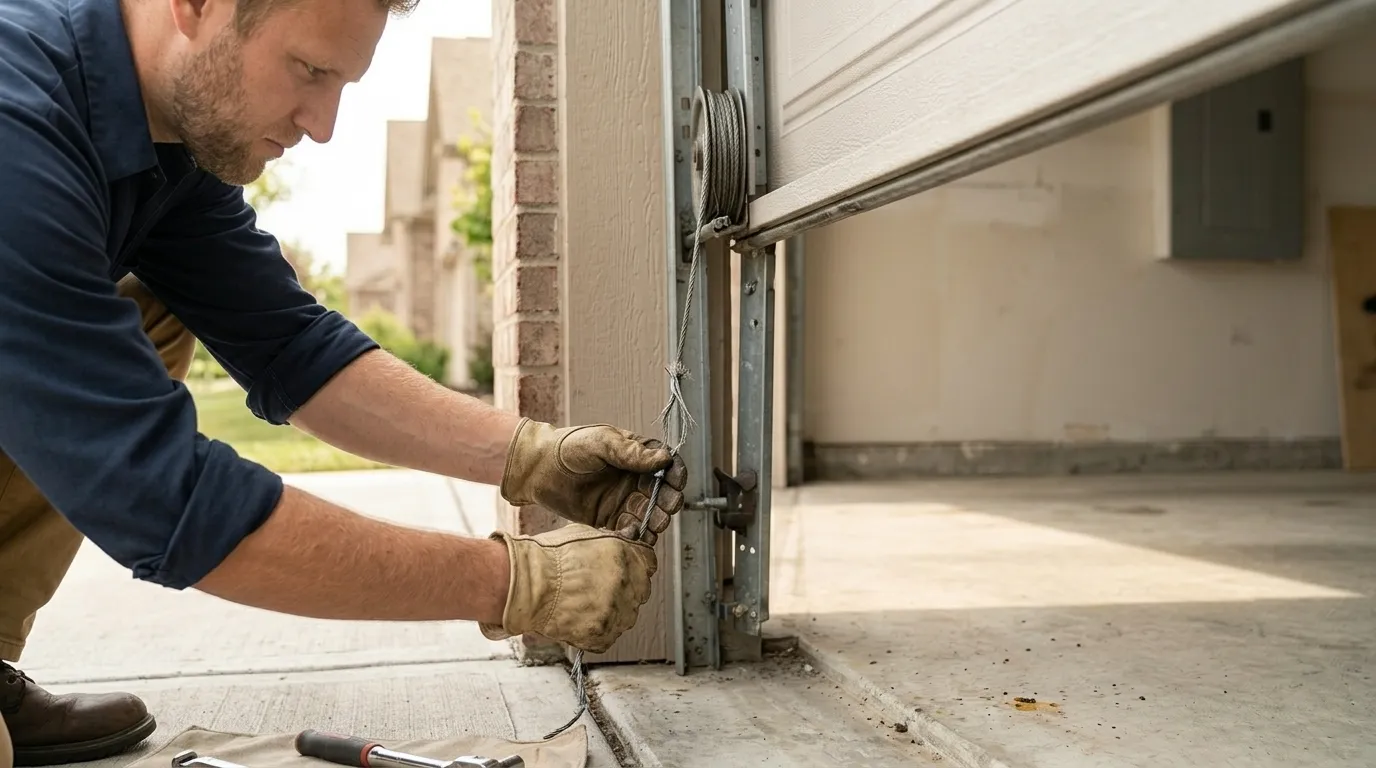
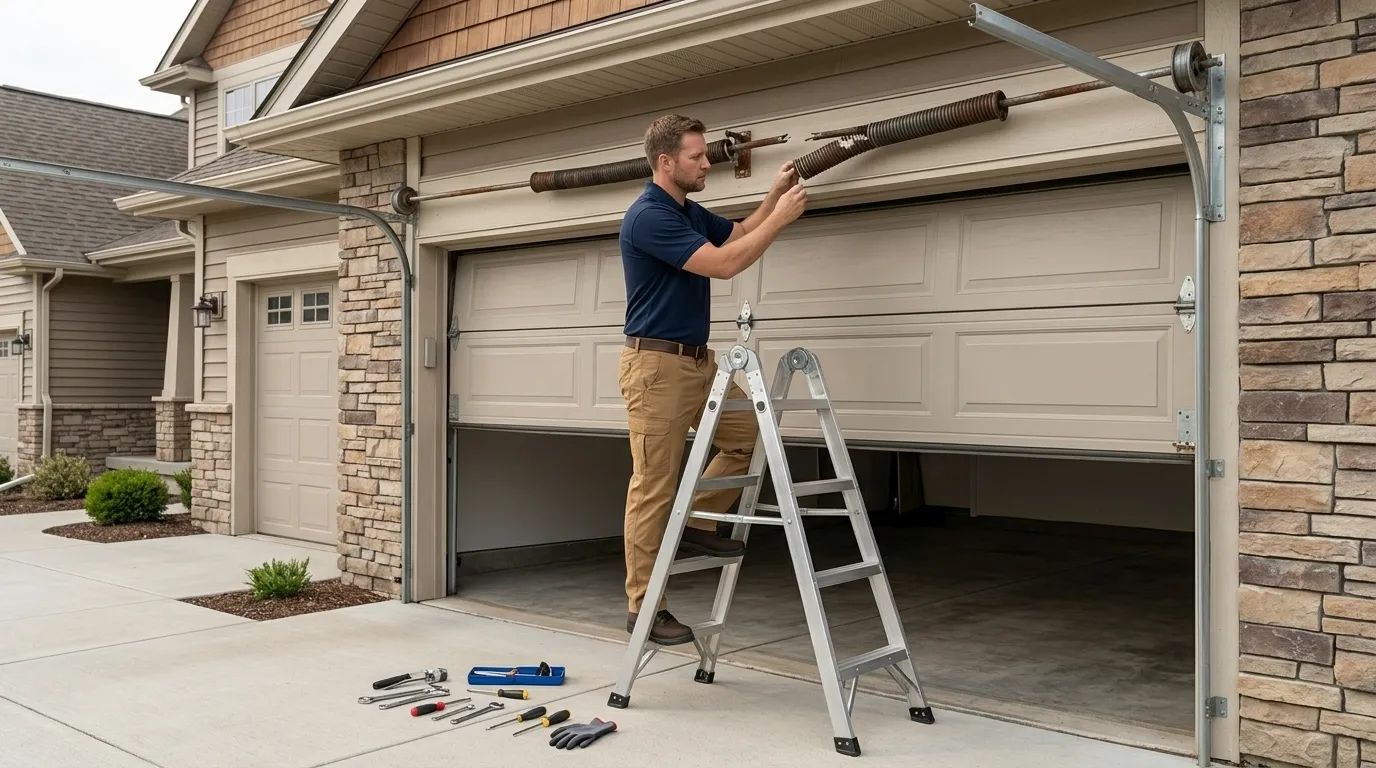
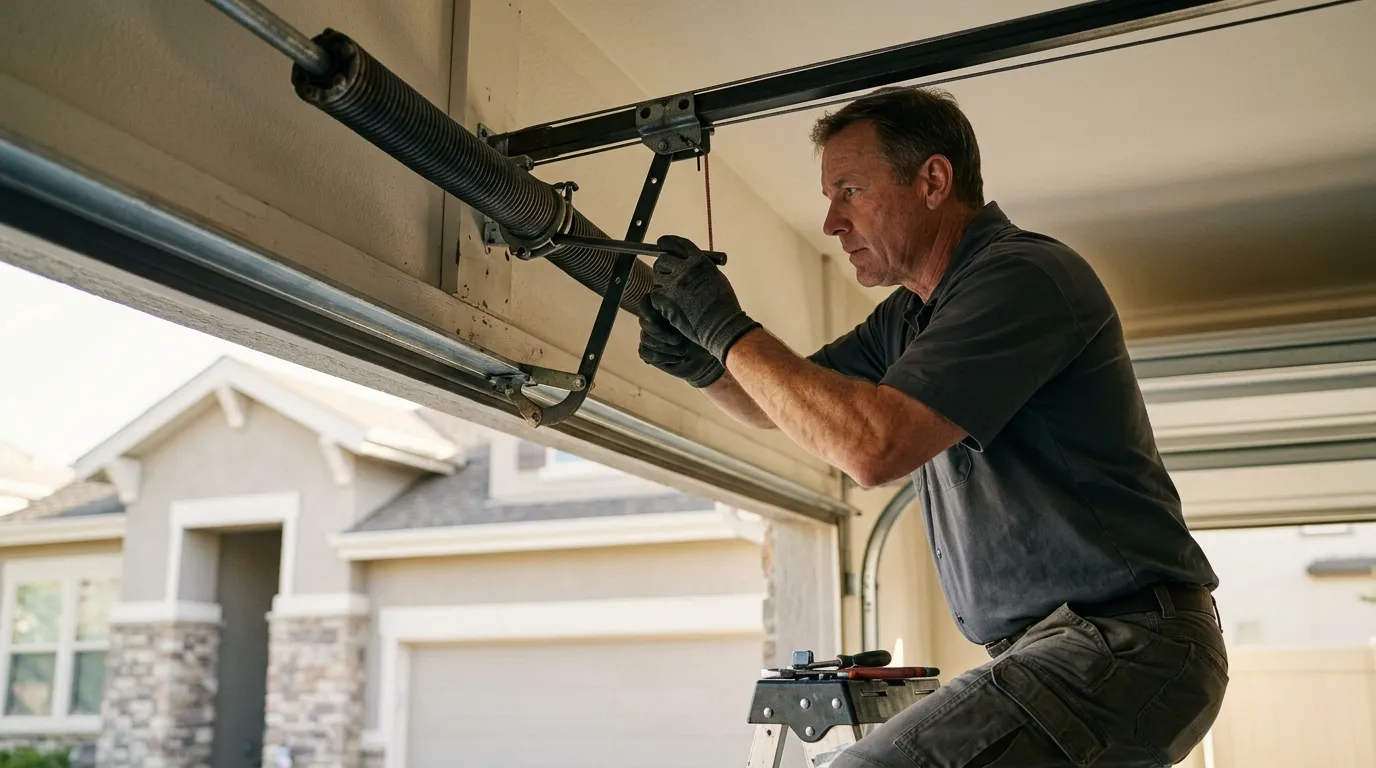
With a median build year around 1978, a good share of Porter Heights doors are running on extension springs mounted along the horizontal track rather than torsion springs over the header - that was still common residential practice into the late 1970s before torsion setups became the default. Extension spring systems fail differently: the springs stretch and fatigue over years of cycles, and when one lets go, the door can drop unevenly on one side. If your opener is original or a first-generation replacement, the drive gear and logic board are also well past the point where parts are easy to source. We're not going to pretend every door here needs replacing - plenty of these old setups are still structurally sound and just need a spring, cable, or roller swap. But if the track is bent from age or the door is a wood panel that's delaminating, replacement usually costs less over time than chasing repairs on hardware nobody makes anymore.
The Houses Here
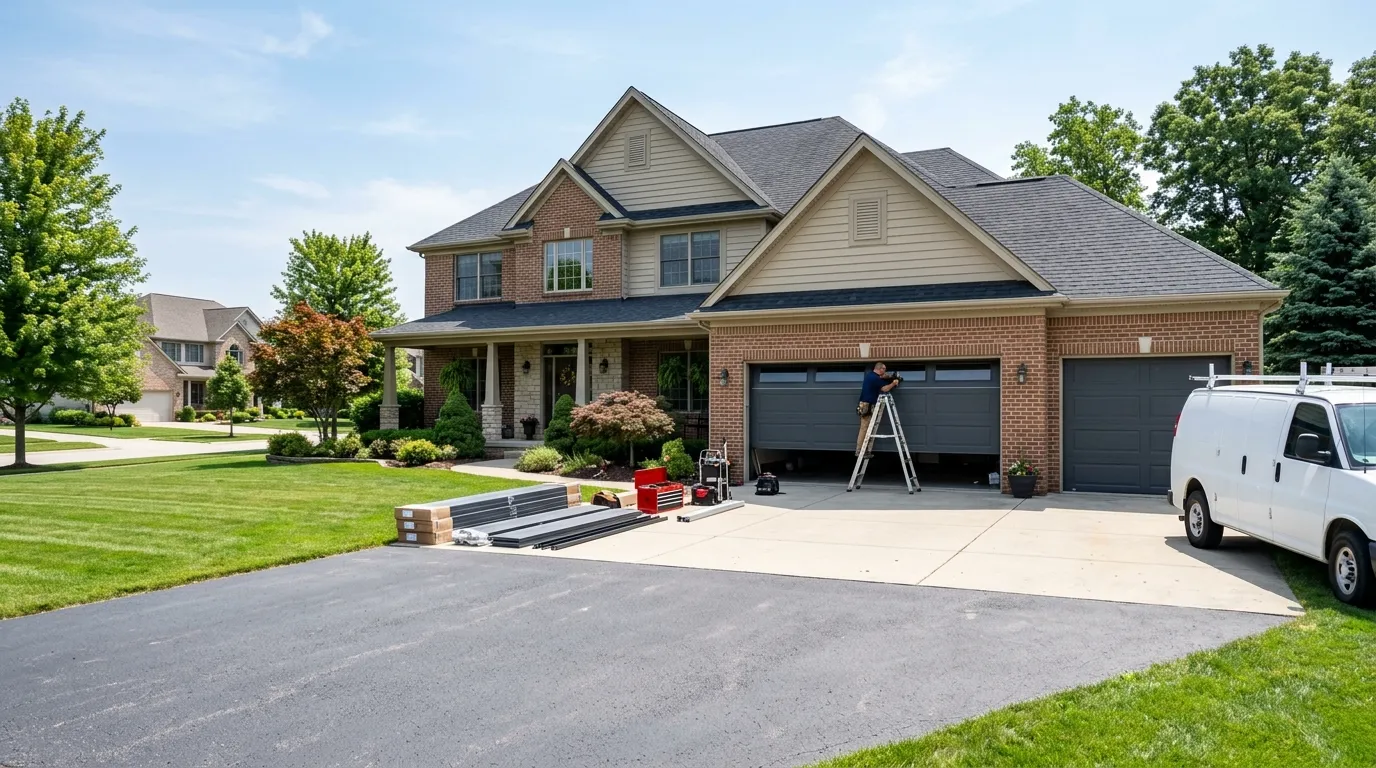
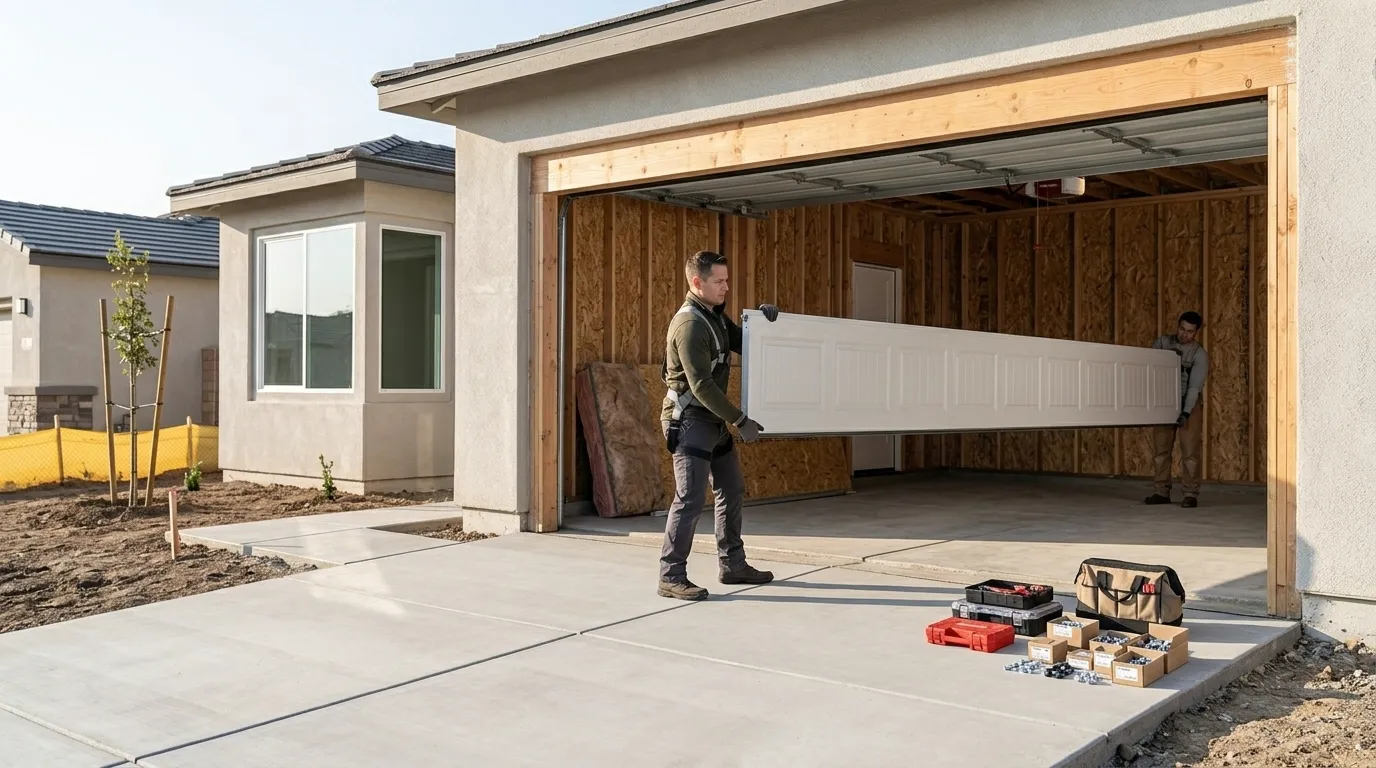
Porter Heights is a small pocket within our service area - roughly 459 households, with a median income around $87,361, noticeably higher than the $70,478 median across the broader 30,112-household area we cover. That income gap tends to show up in how people handle these older doors: more owners here choose full replacement with a new insulated door and torsion conversion rather than patching a 1970s extension-spring system indefinitely. We see both approaches and neither is wrong. If the drums, cables, and track are original and the door still runs true, a repair can carry the door another decade. If the springs have already been replaced twice and the opener is on its third circuit board, replacement is the better use of the money. We'll tell you which situation you're in before you spend anything, not after.