The Split Between Old and New
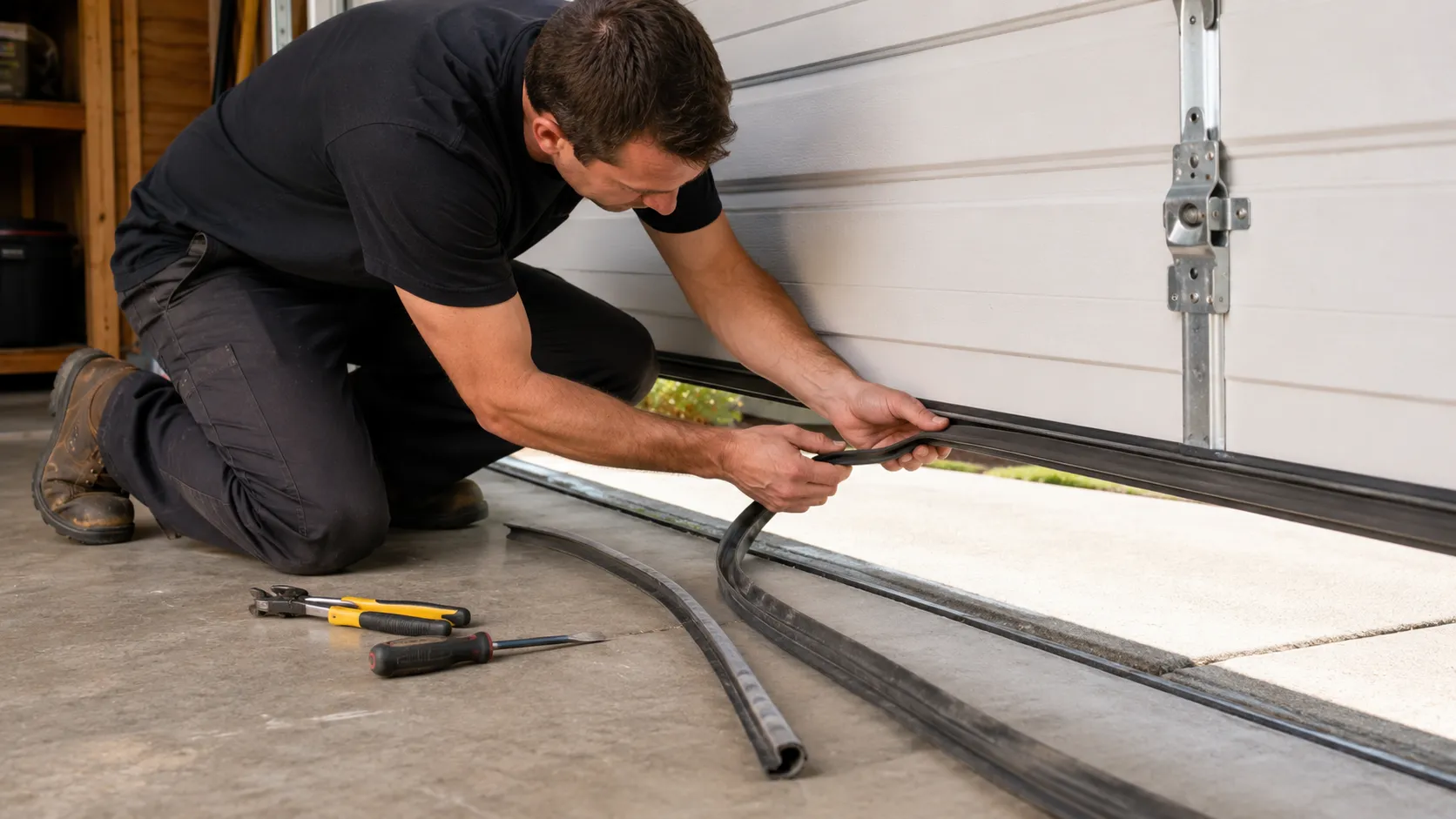
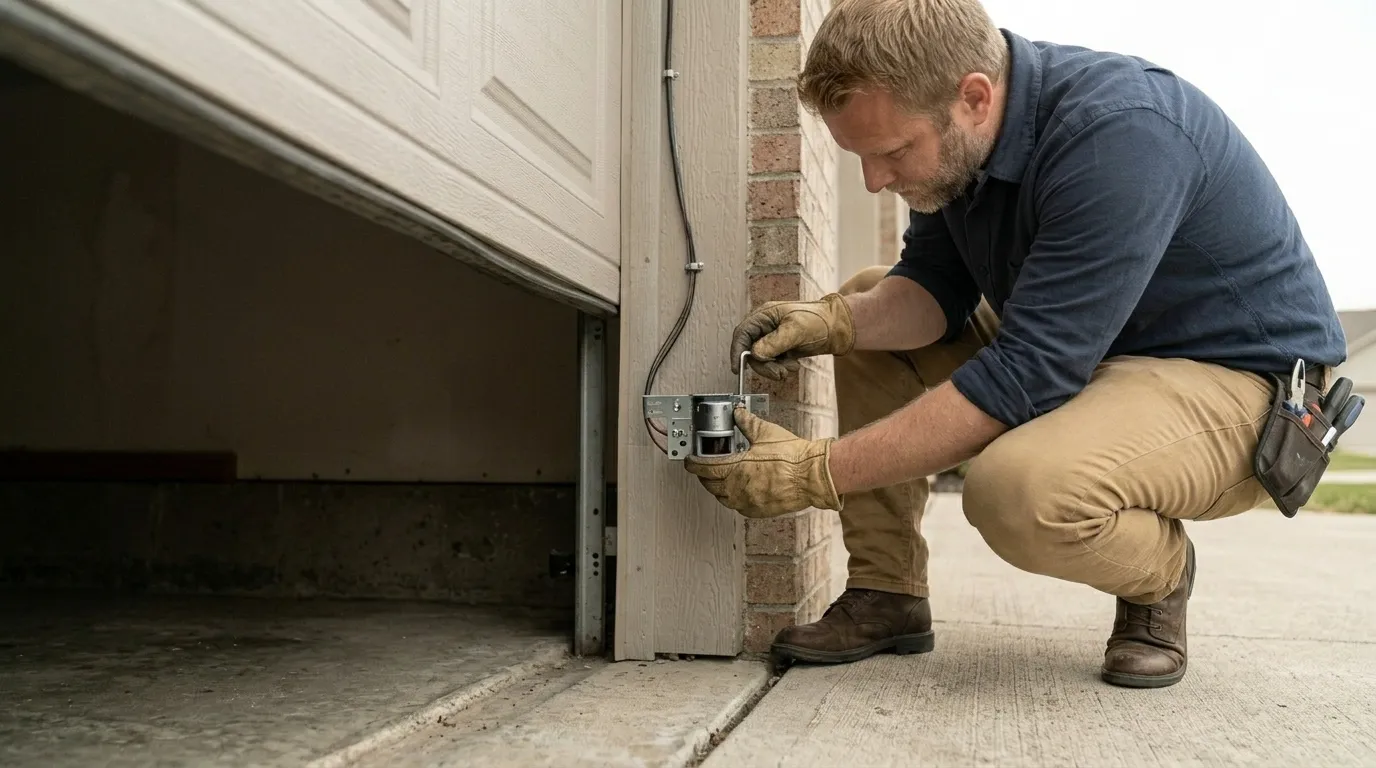
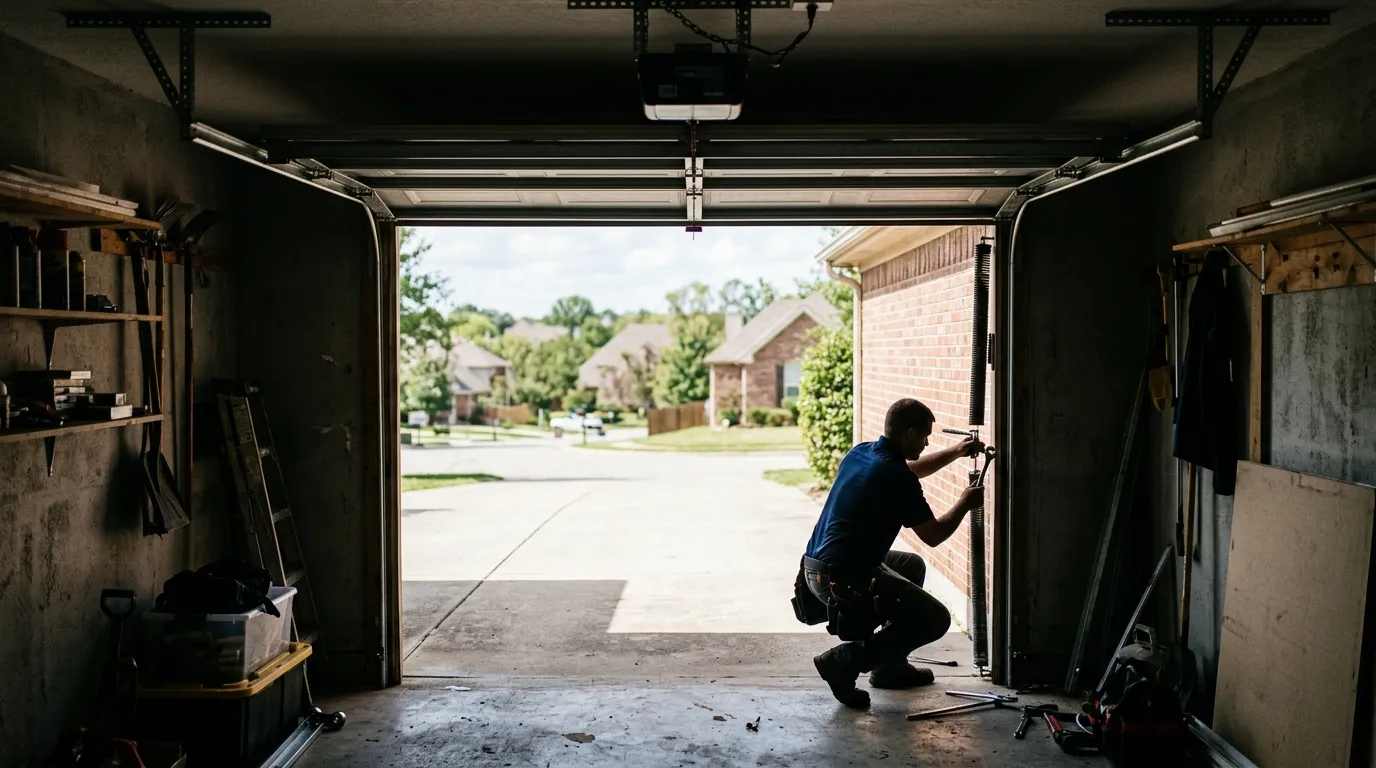
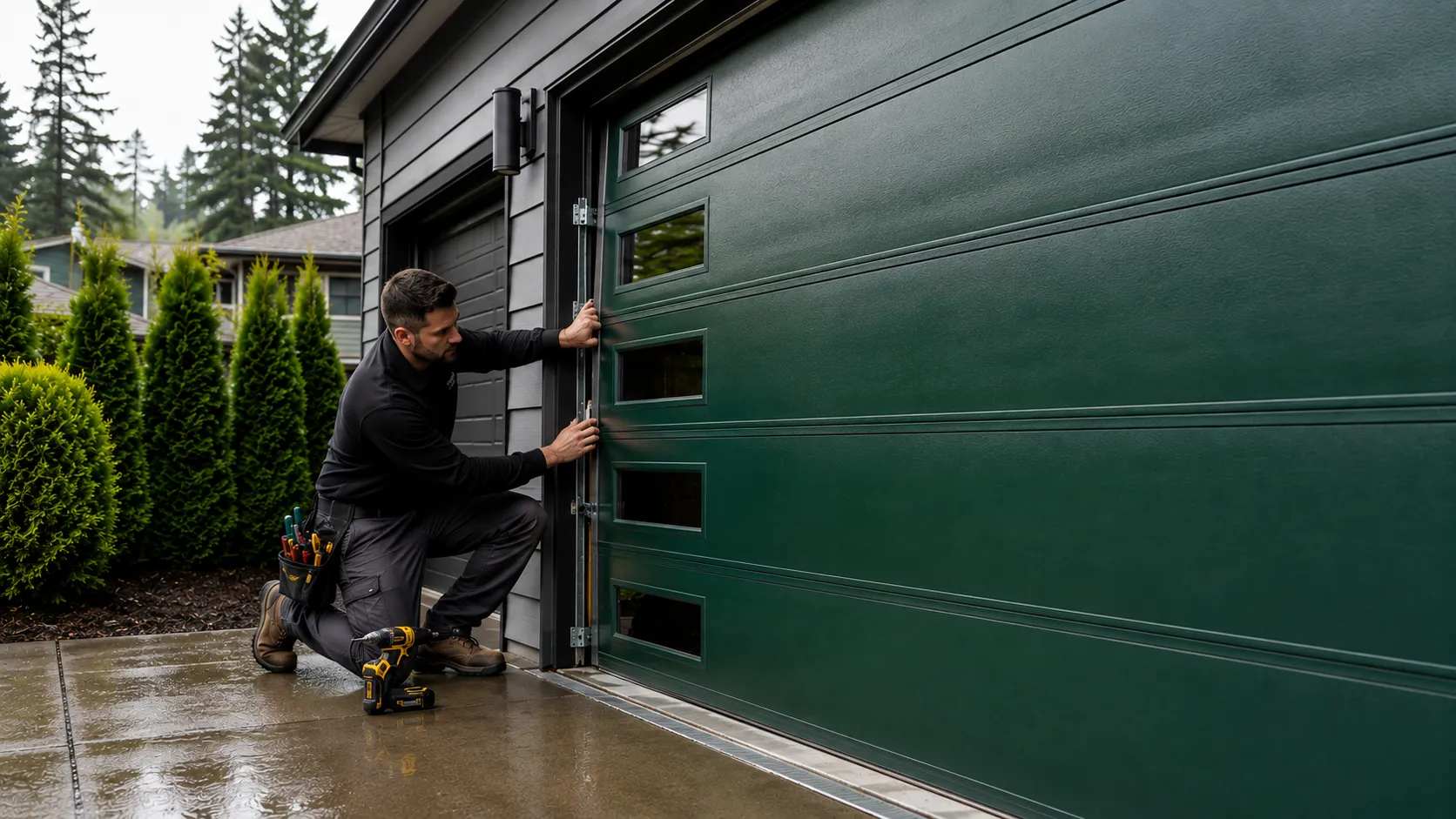
Across the areas we work in from Humble, the housing spans 1956 to 2011, with a lot of it built in the 1980s and 90s. Roman Forest doesn't fit that pattern. The median year built here is 2001, which puts most of the neighborhood a full generation newer than the older pockets we see closer in toward Humble. That gap matters more than it sounds like it should. A door and opener installed in 1985 and one installed in 2003 are built to different standards, use different track systems, and fail in different ways. When we get a call from Roman Forest, we're not walking in expecting the same setup we'd find in an older section of the service area. We're expecting newer steel doors, factory-installed openers, and hardware that's held up reasonably well but is now old enough to start showing wear on the parts that always wear first - rollers, cables, the springs doing the lifting.
What the Housing Means for Your Door
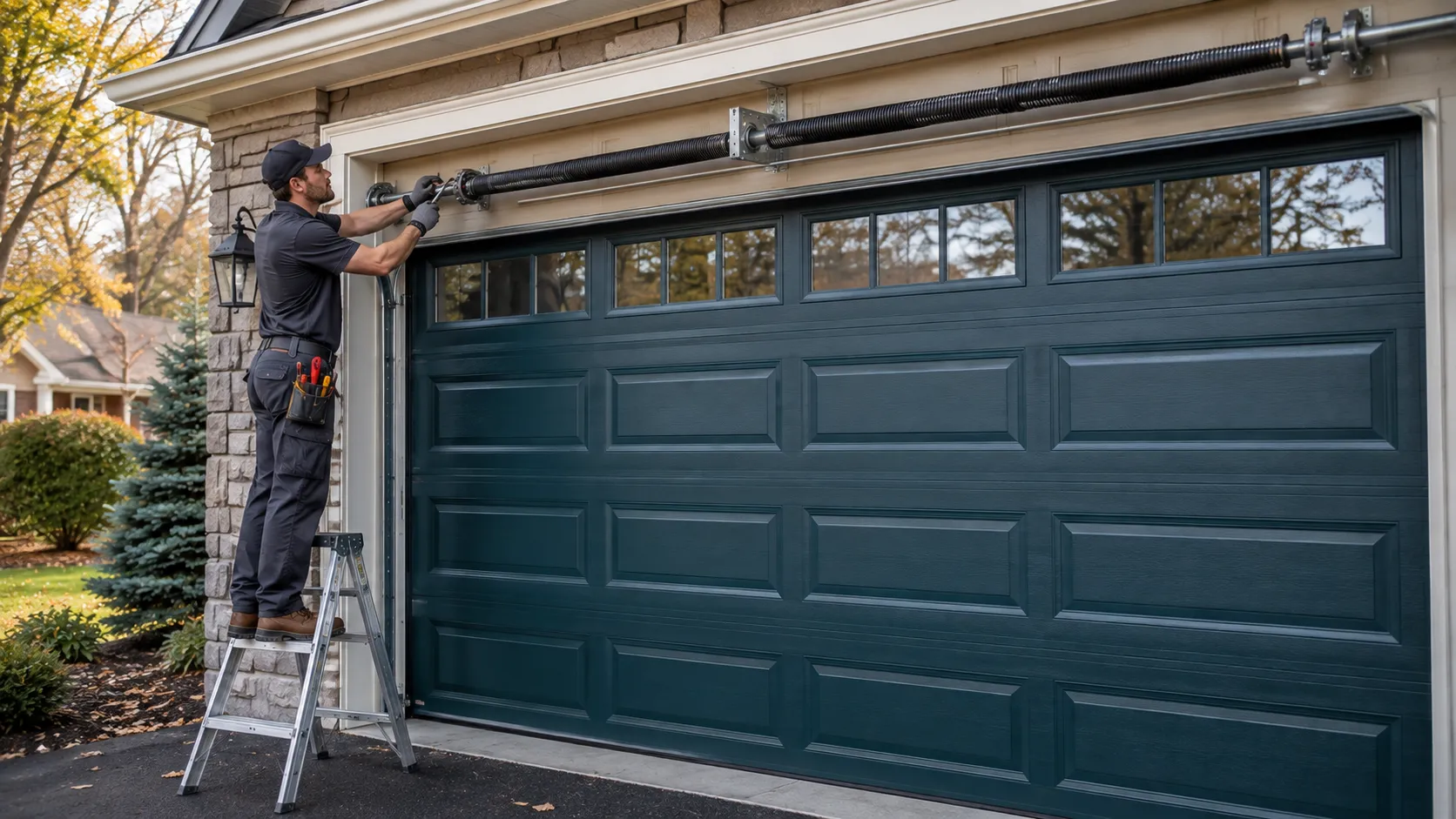
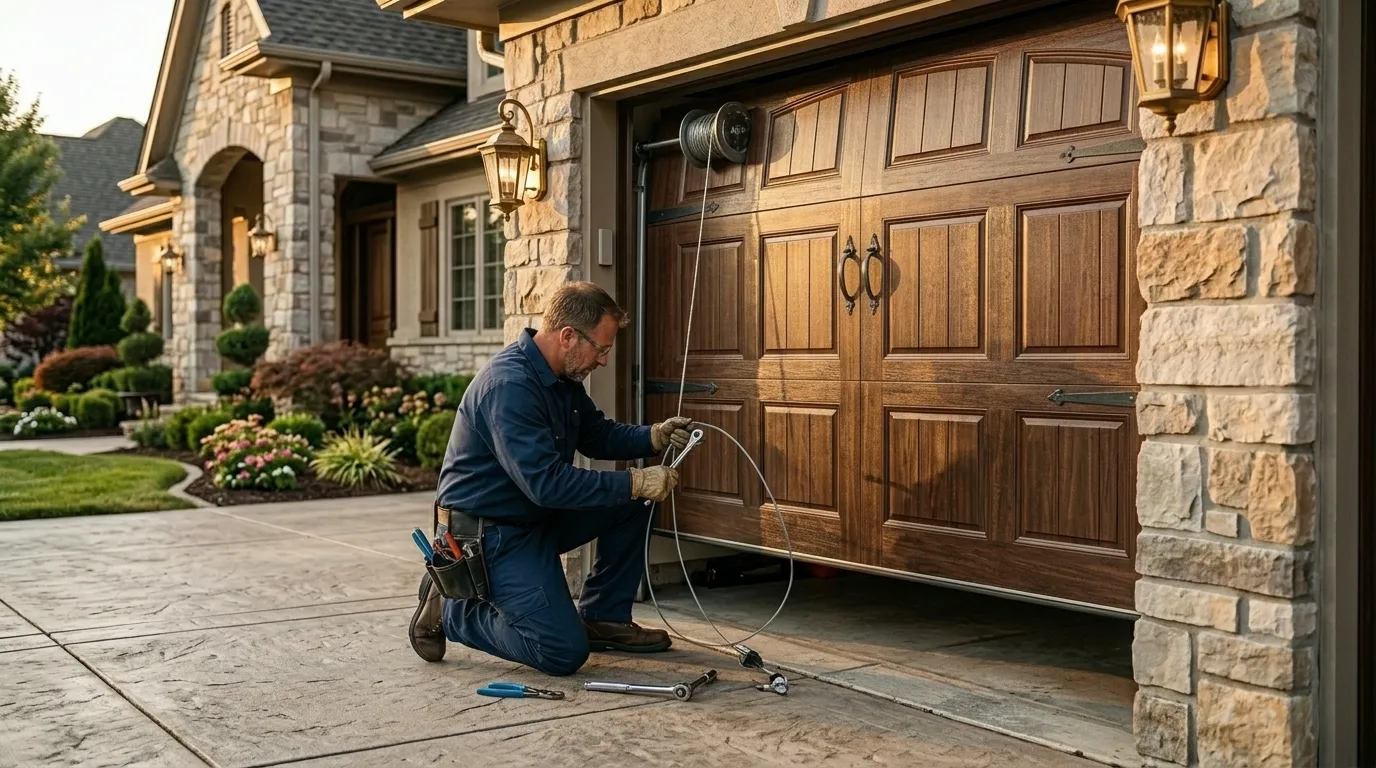
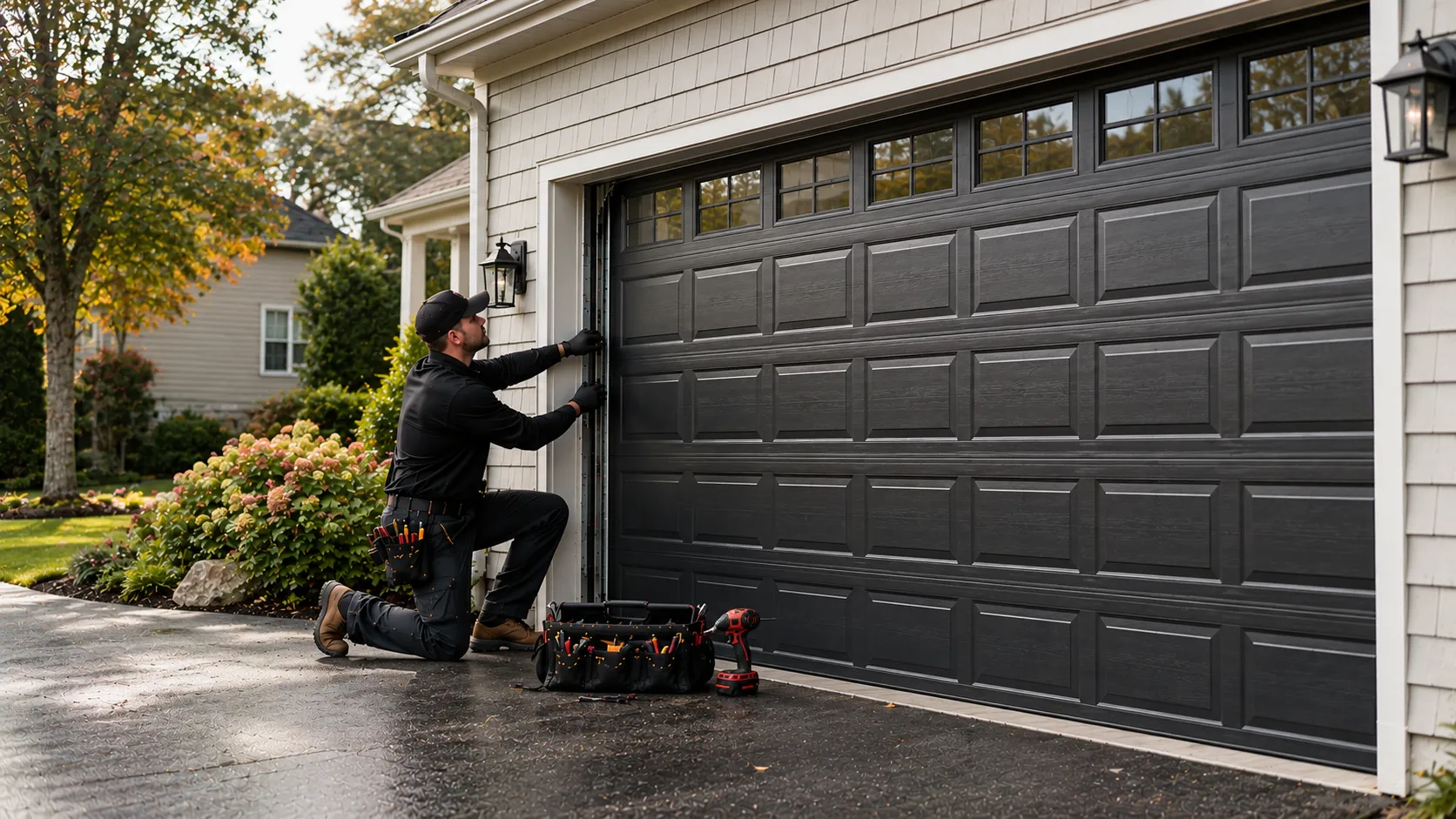
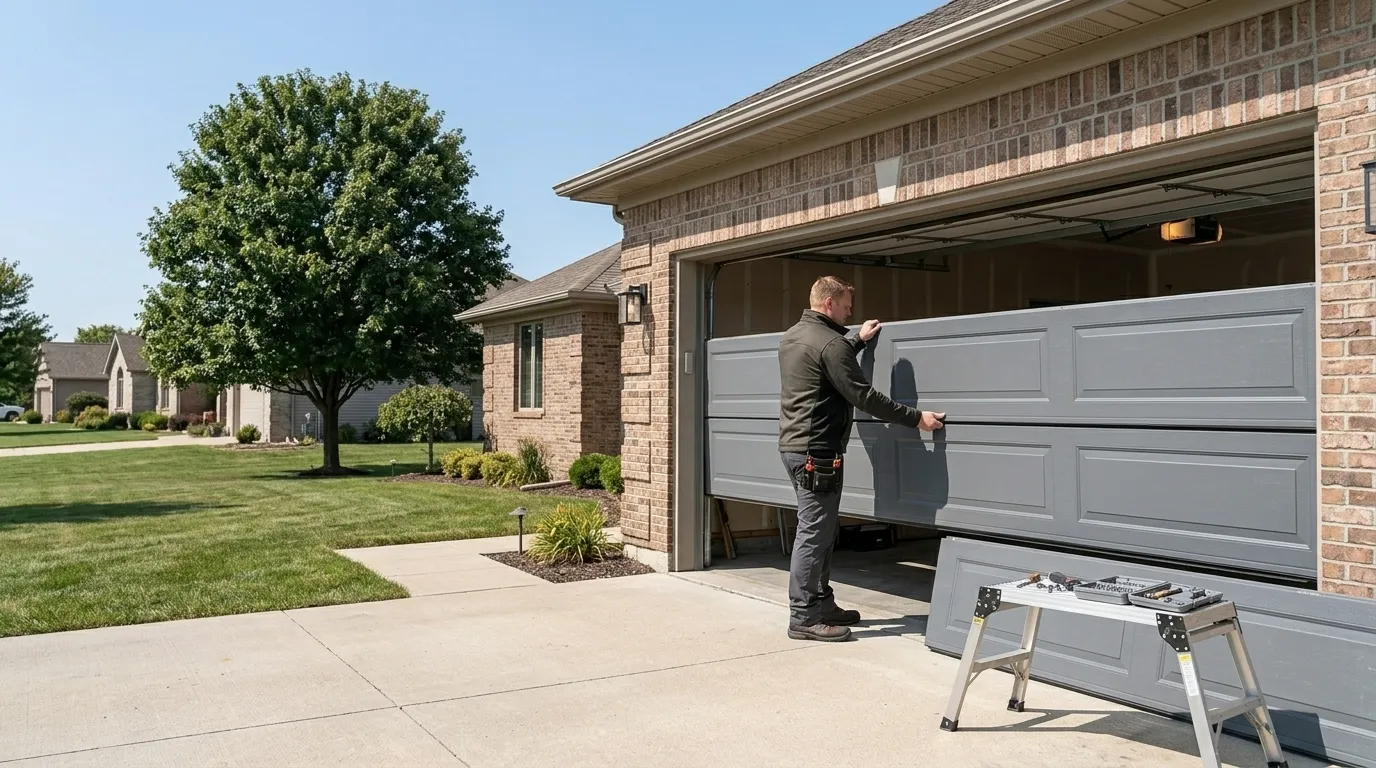
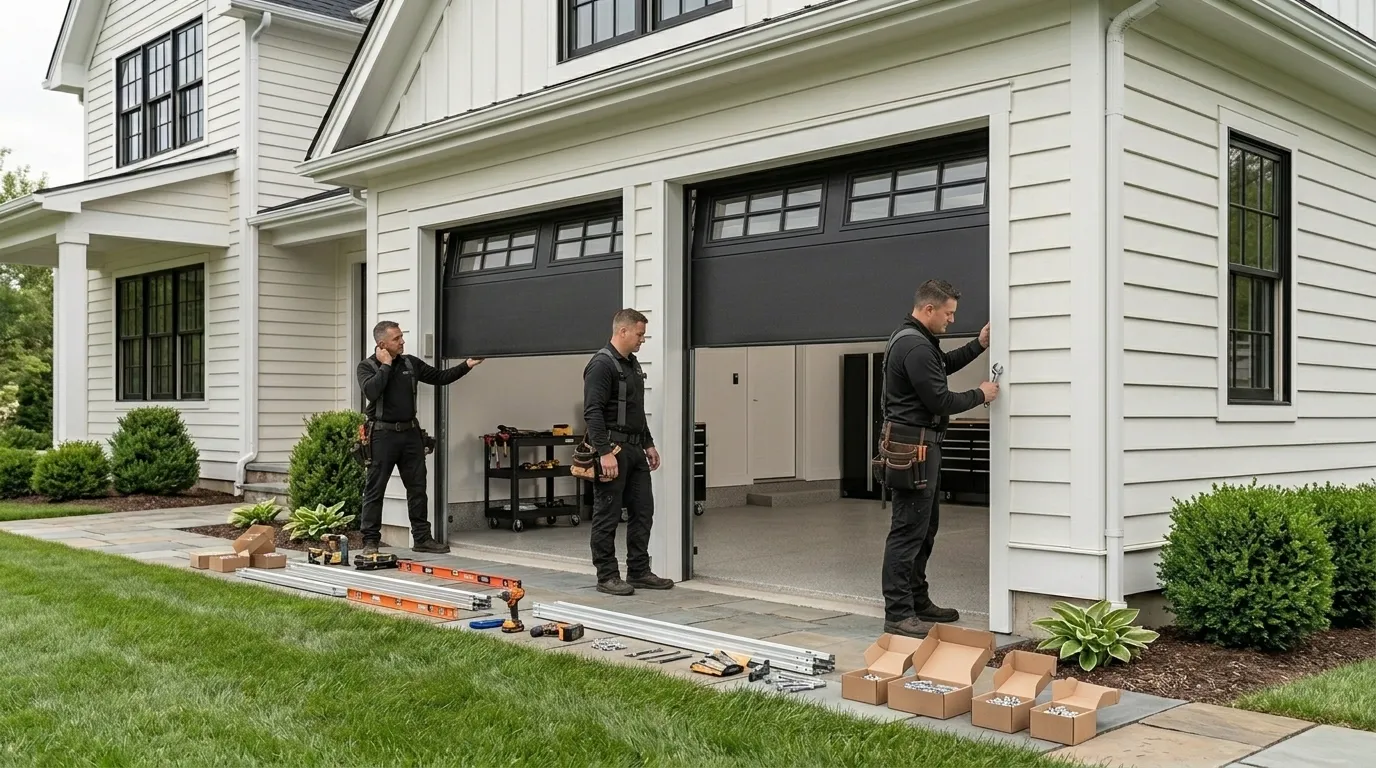
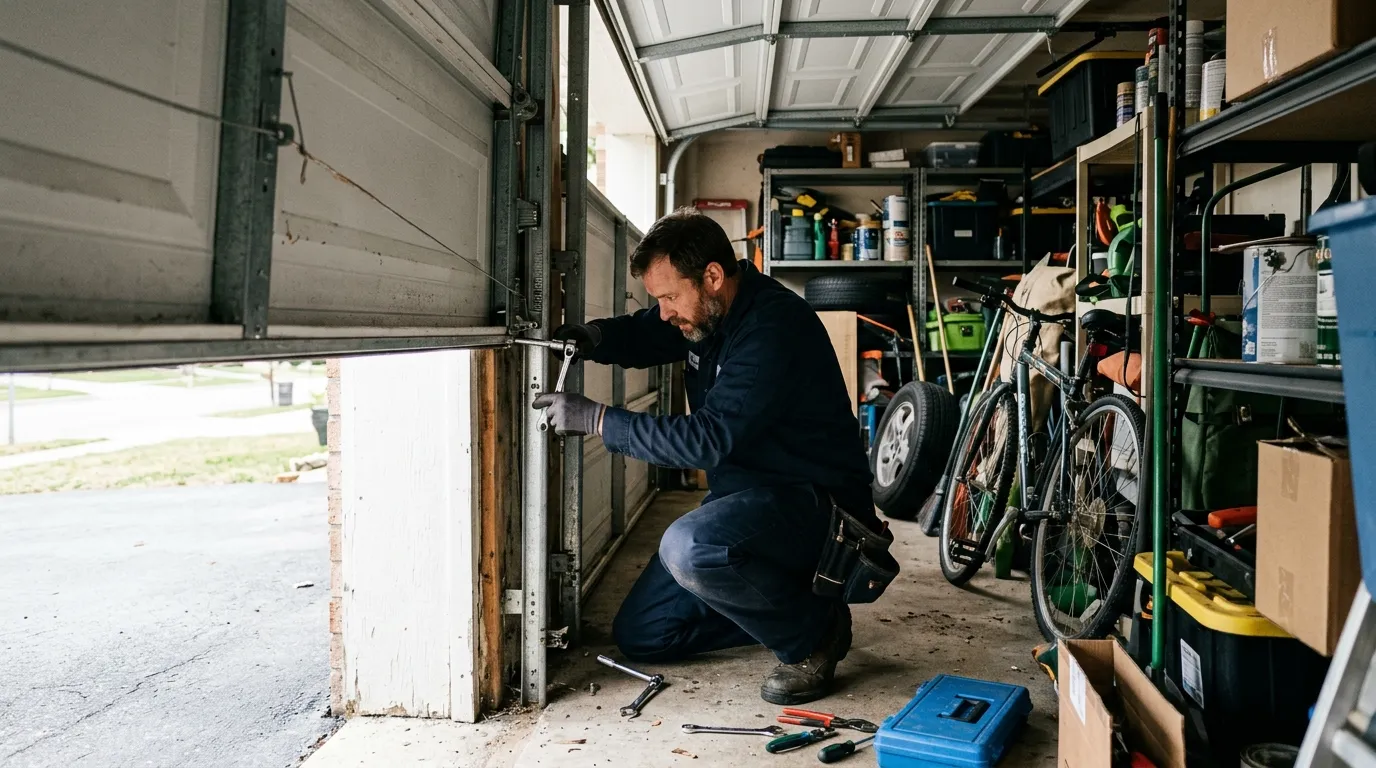
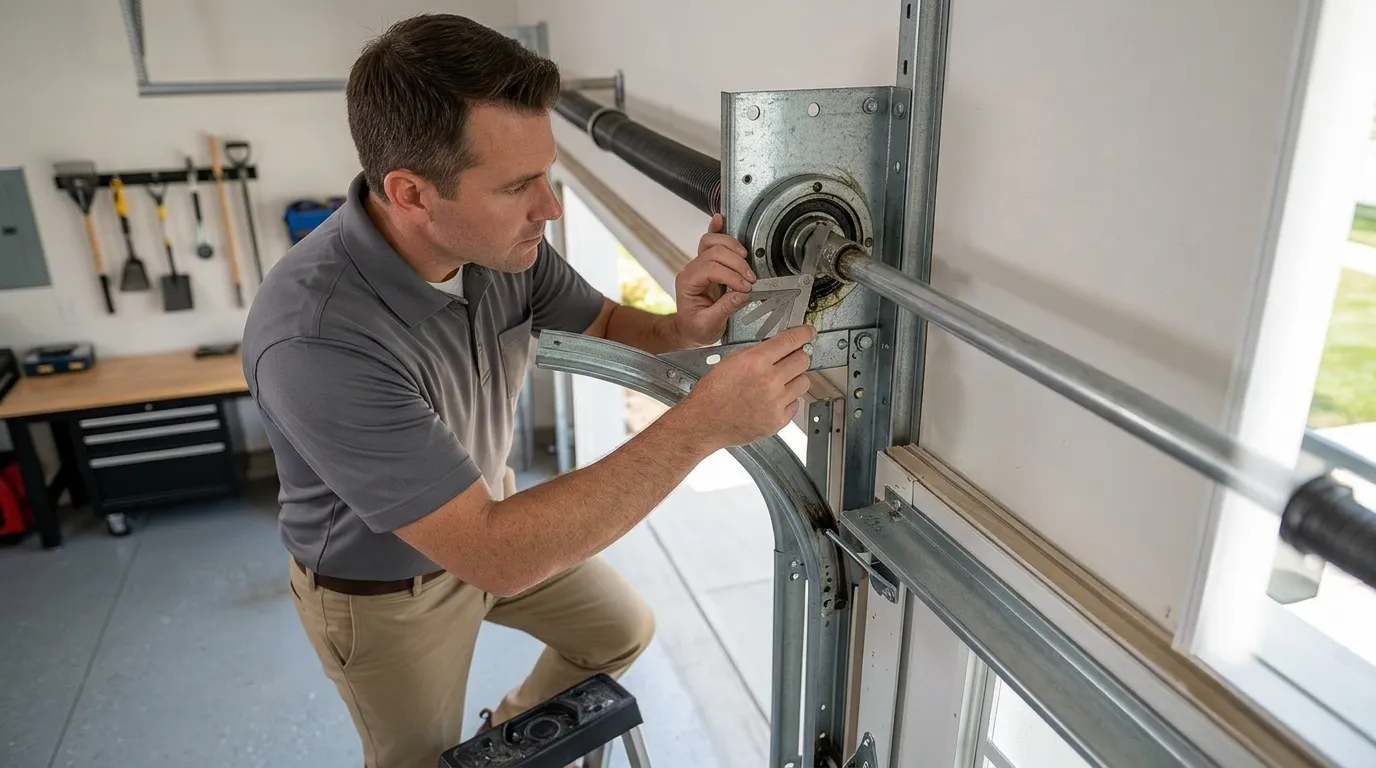
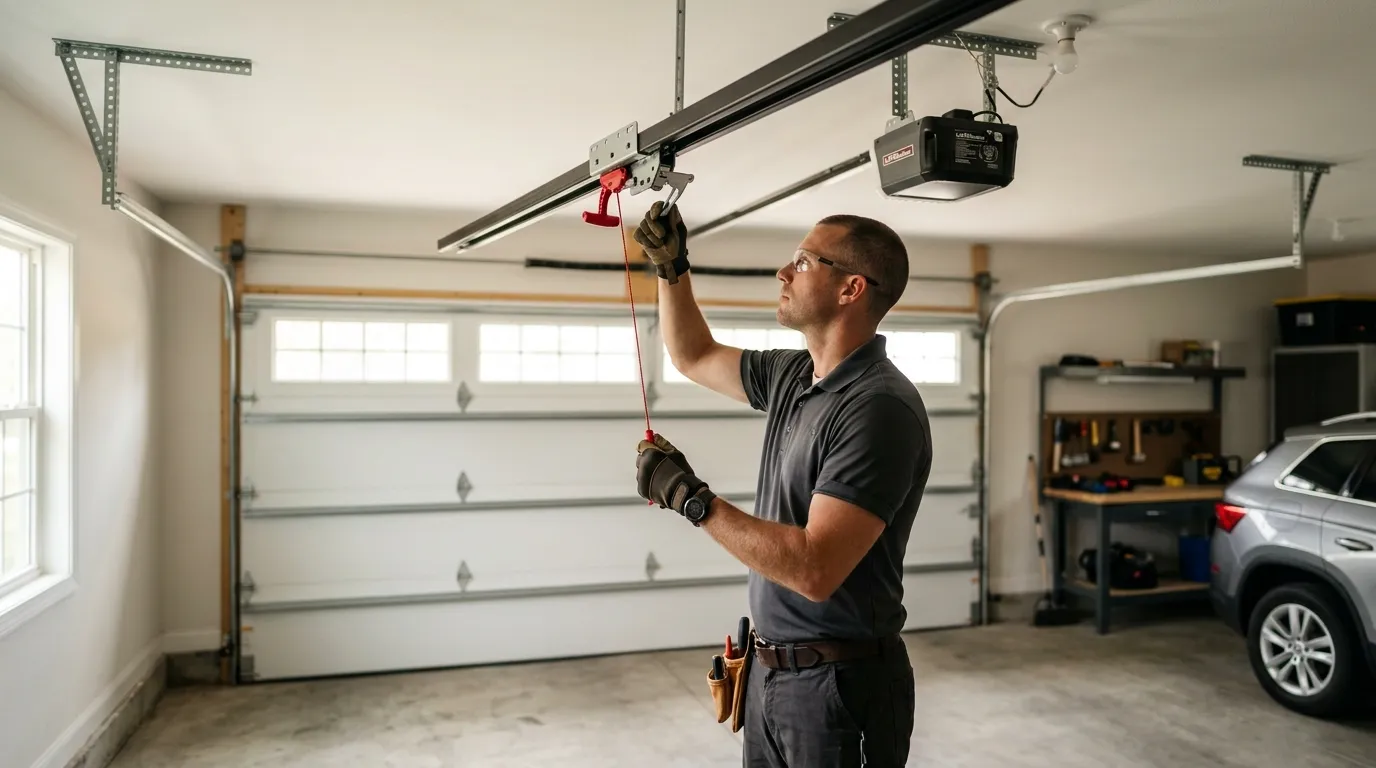
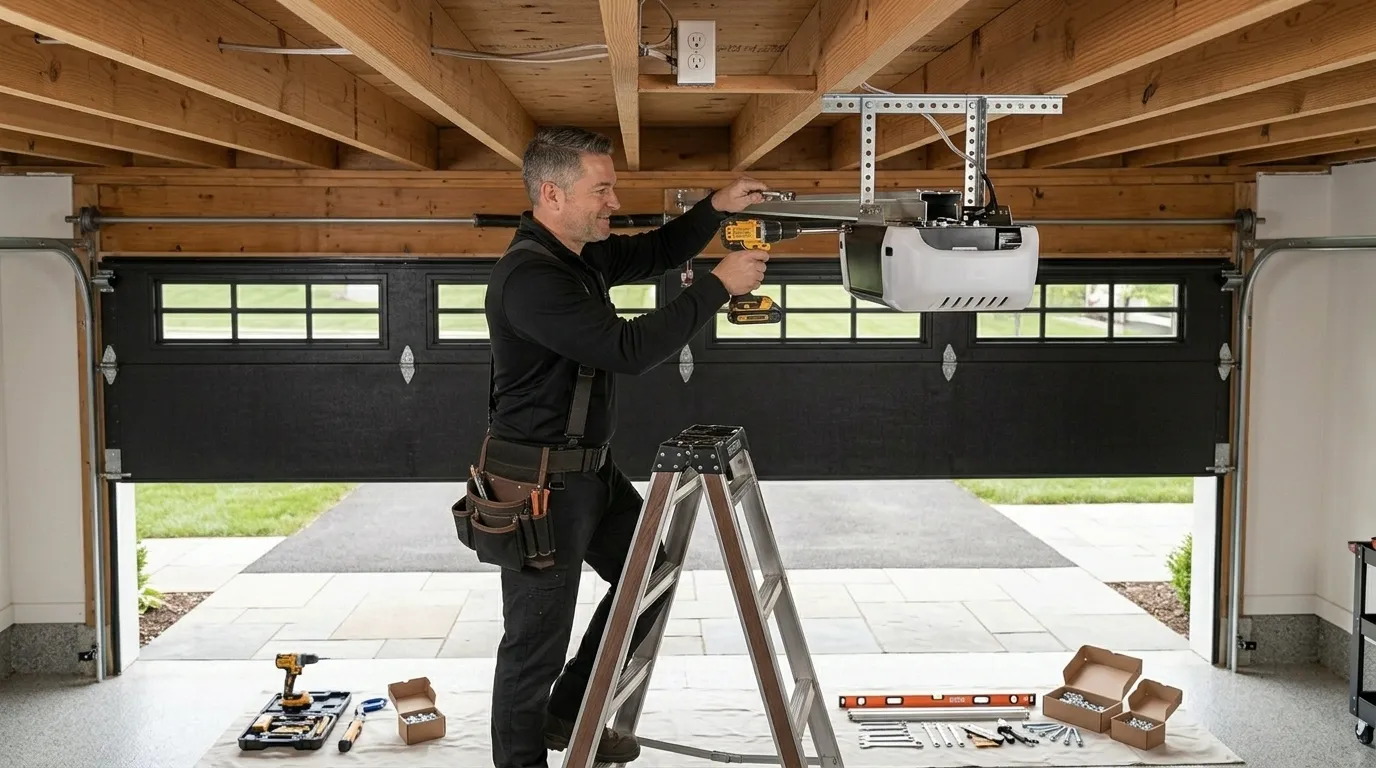
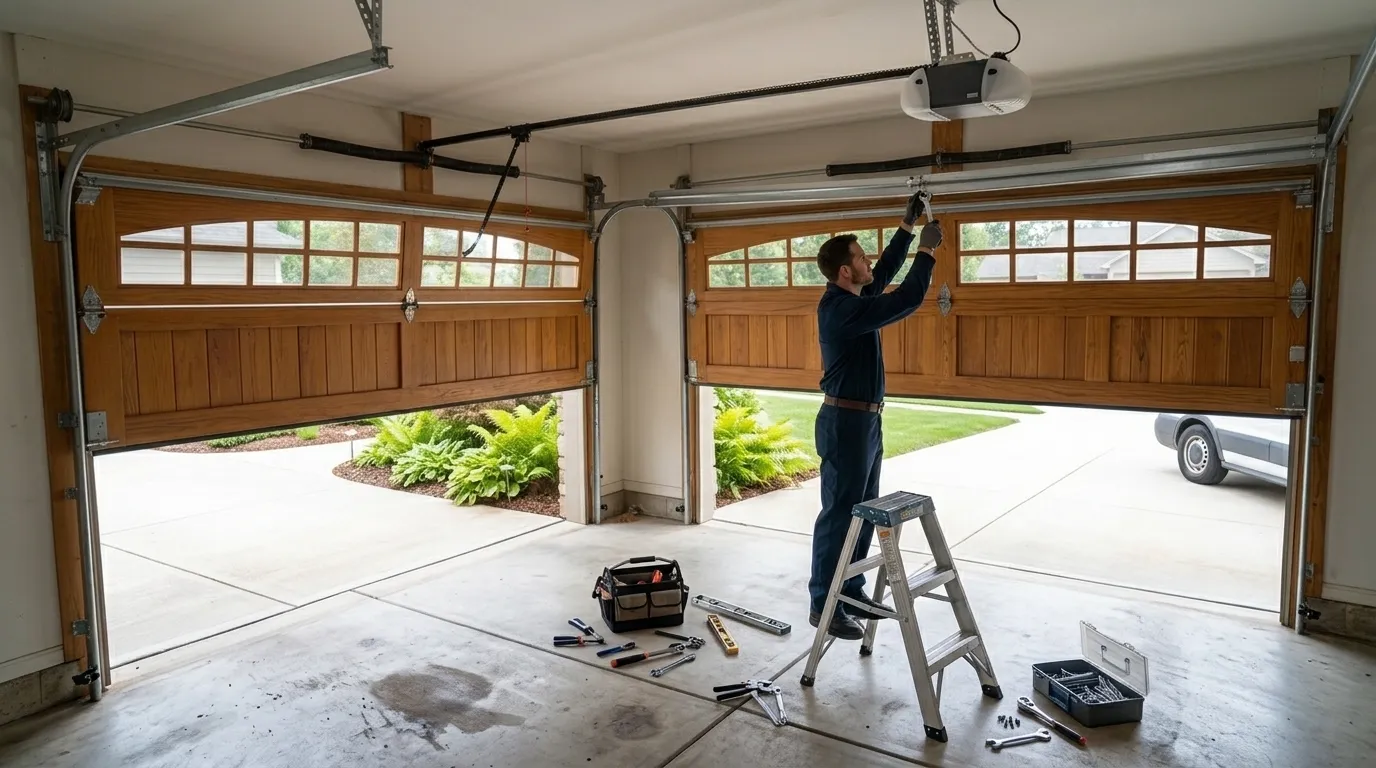
Because most Roman Forest homes date to right around 2001, the doors we're pulling off garages here are typically factory two-car steel sectional units on standard torsion springs, not the older single-piece or side-mounted setups you'd find in a neighborhood built decades earlier. That means parts availability is usually better - torsion spring sizes and roller styles from that era are still common stock, not something we have to hunt down. What we do see at this age is spring fatigue. A torsion spring rated for a certain number of cycles doesn't care how nice the house is; twenty-plus years of daily openings puts most springs from that build era at or near the end of their life. We also see original openers still running - chain-drive units from the early 2000s that are noisier and slower than what's sold today but often still functional. Our honest read: if the opener is original to a 2001 build and still working, it's due, but we don't push replacement on something that isn't broken.
The Houses Here
Roman Forest is a smaller pocket in our coverage area - around 1,017 households, and a median income of $120,313, noticeably higher than the roughly $70,478 median across the broader service area. That income level tends to show up in the calls we get: more requests for a matched replacement opener with a keypad or app control, more people wanting an insulated door swapped in rather than a like-for-like steel replacement, fewer patch jobs where someone's stretching an old system as far as it'll go. We size parts and quotes to what's actually on the door, not to the neighborhood's income, but it does shape which options homeowners tend to ask about first.