The Split Between Old and New
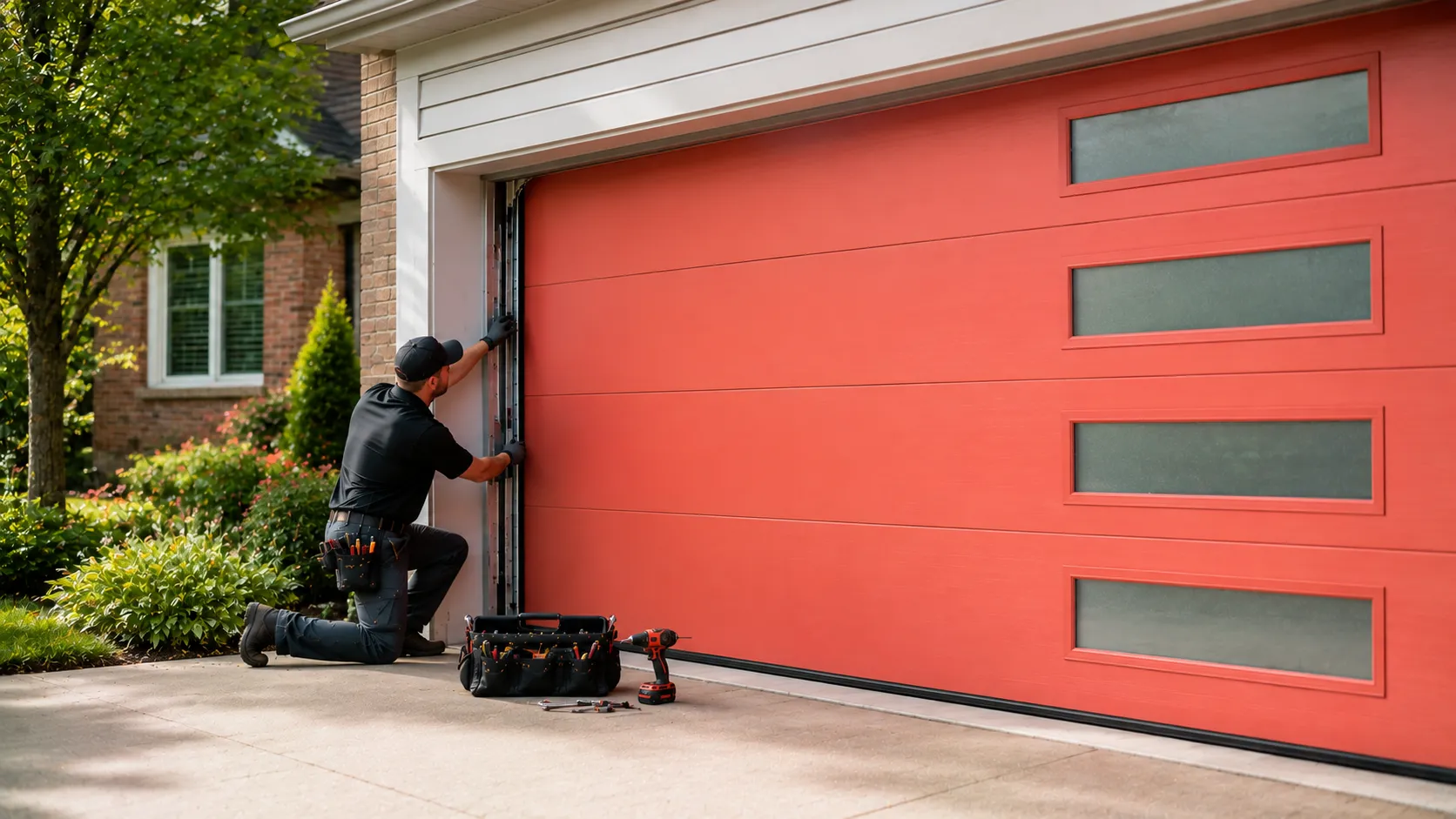
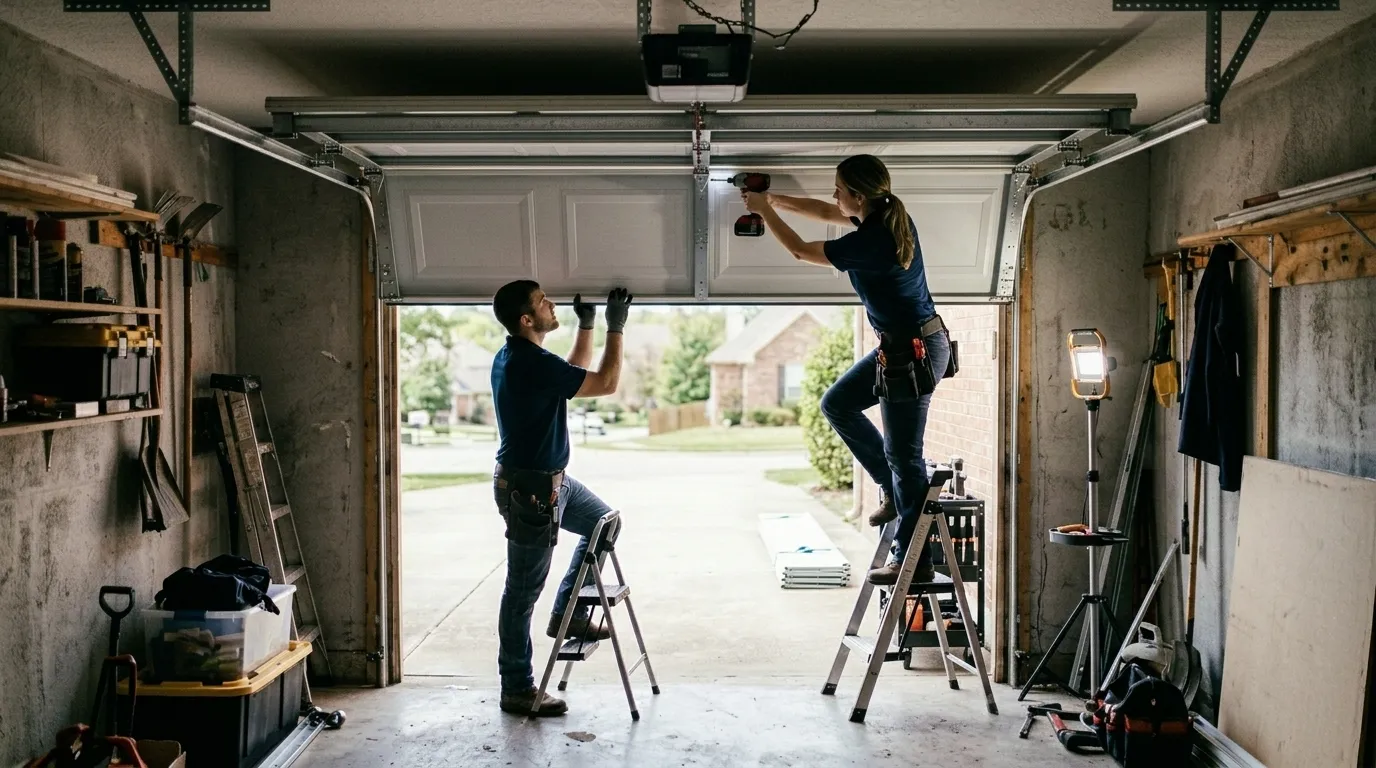
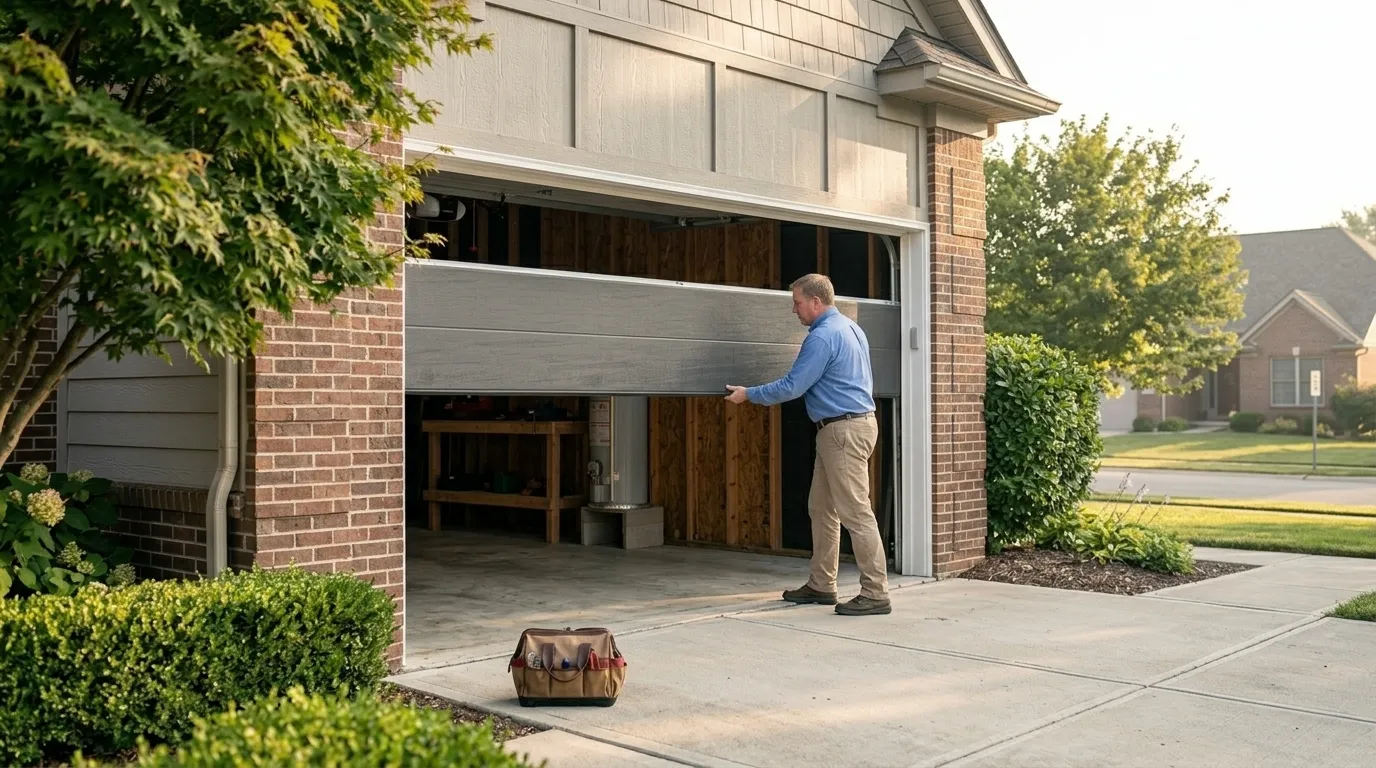
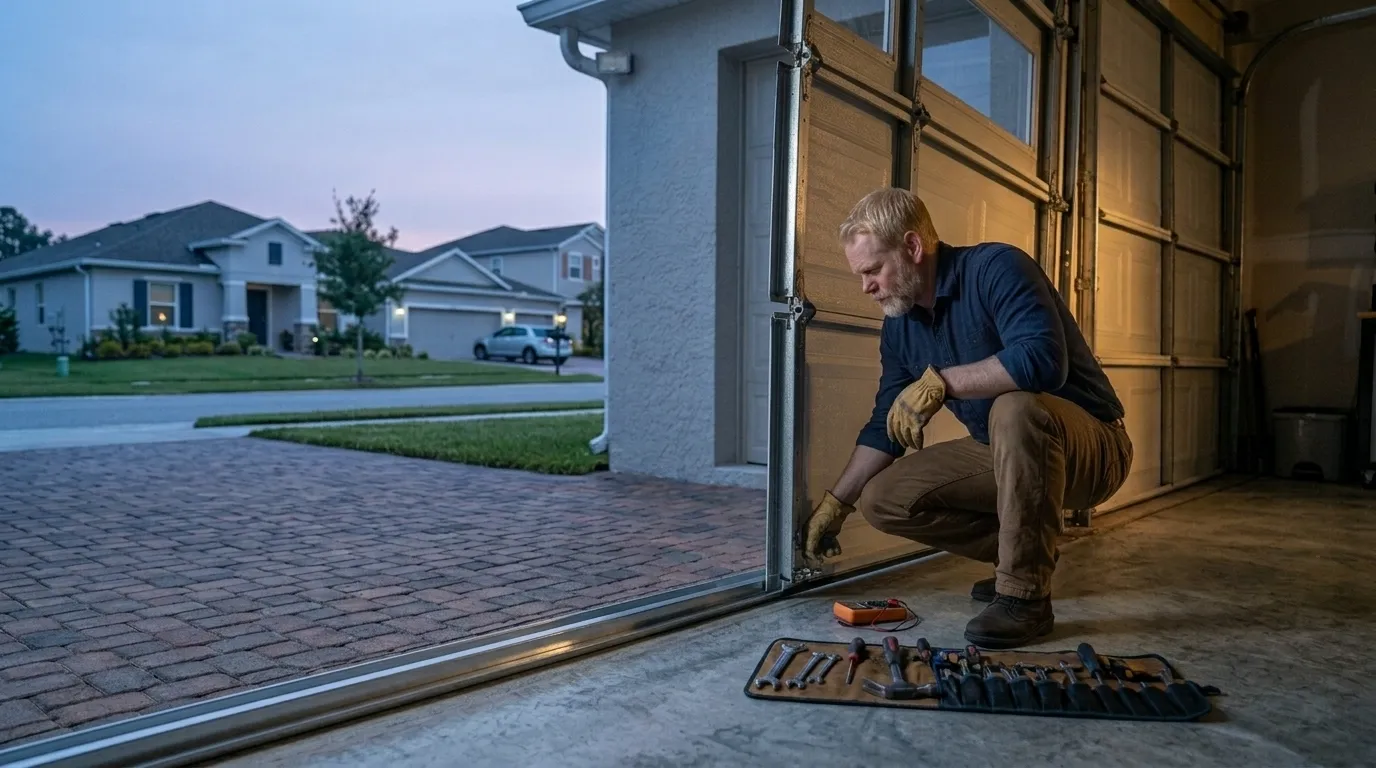
Across the wider service area, houses date anywhere from 1956 to 2011, with a lot of the stock sitting around 1981 - old torsion setups, original hardware, doors that have outlived their springs twice over. Shenandoah breaks from that pattern. The median year built here is 2002, which puts most of the neighborhood a full generation newer than the area norm. That matters more than it sounds like it should. A house built in 2002 was framed for a lighter steel door, a belt-drive or screw-drive opener with a circuit board instead of a mechanical relay, and safety sensors that were already code by then. You're not dealing with the same failure points as an older block a few miles over. When we get a call from Shenandoah, we're usually troubleshooting a board or a sensor alignment, not a rusted-out torsion tube.
What the Housing Means for Your Door
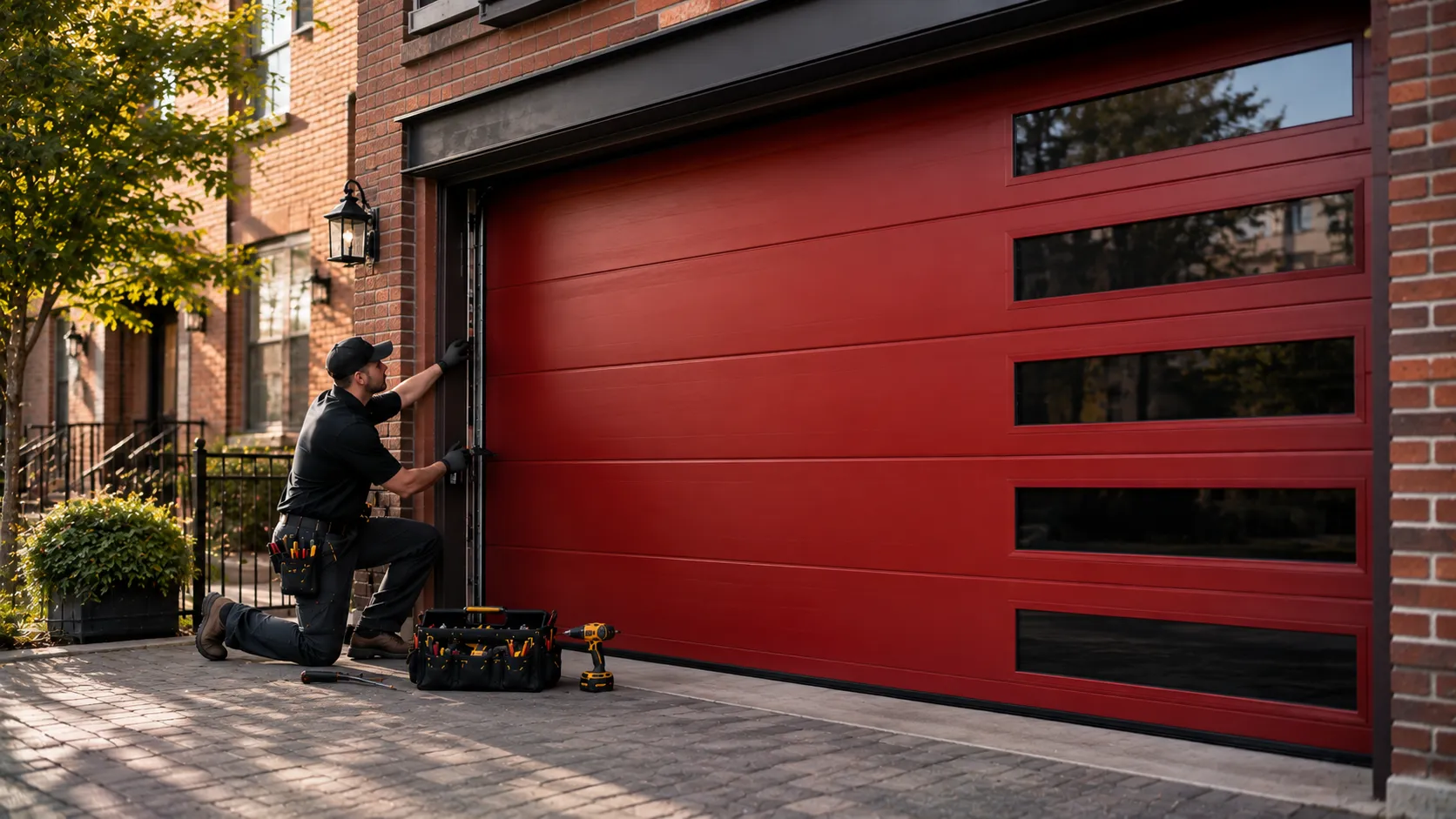
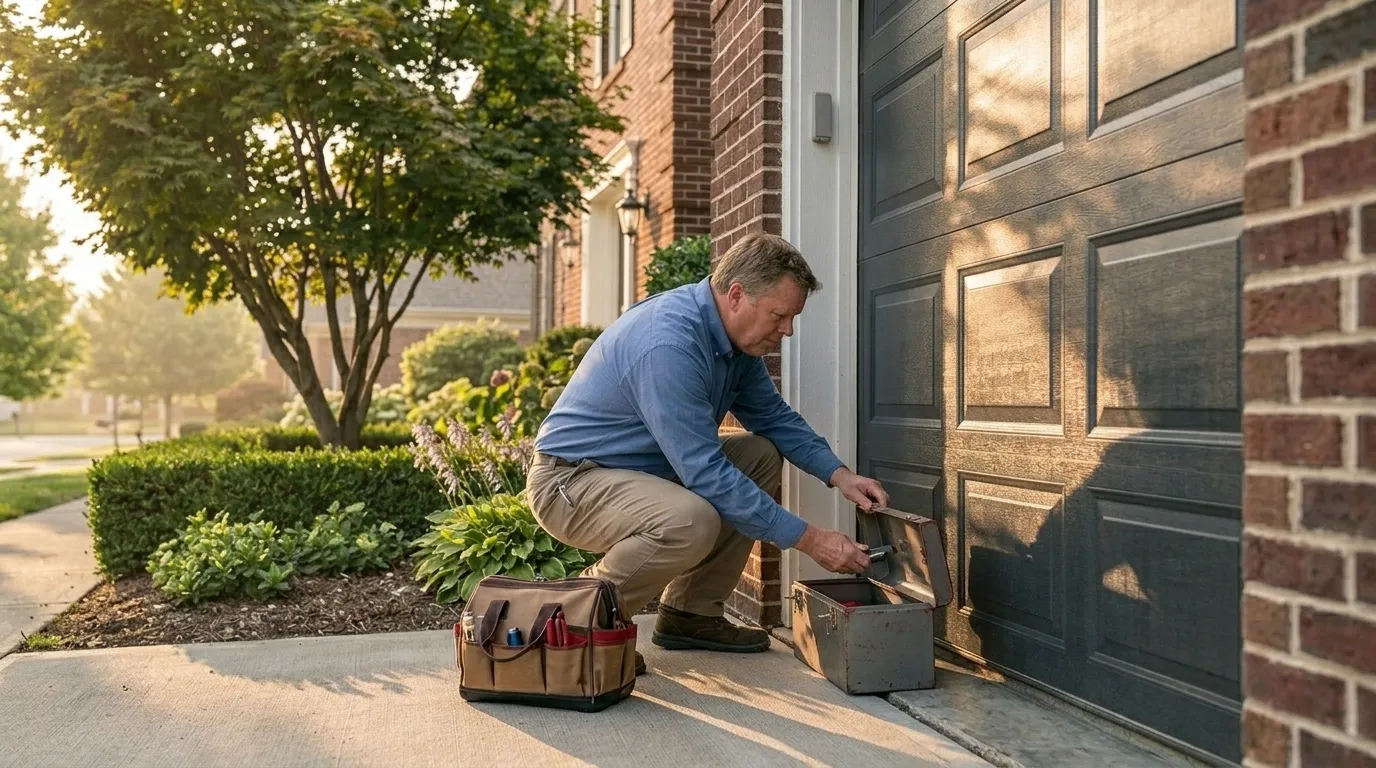
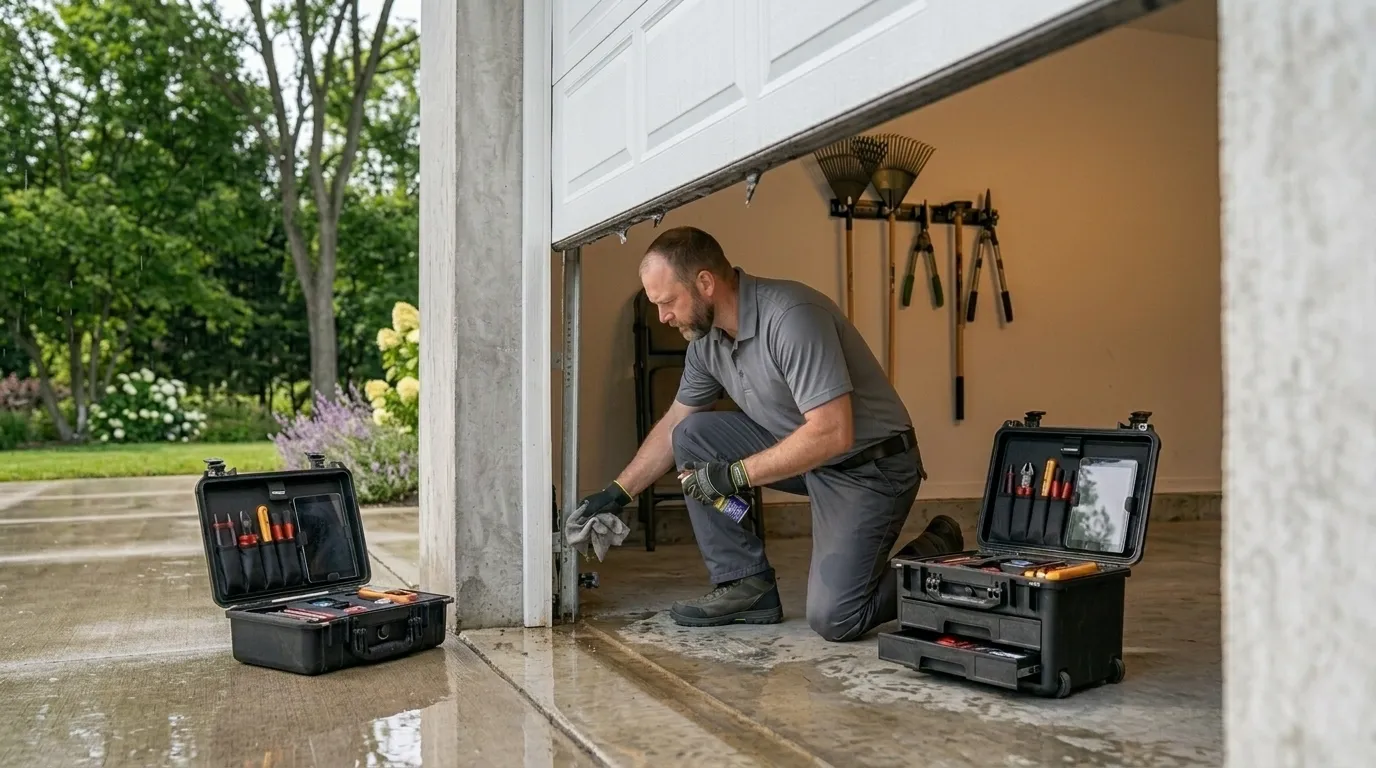
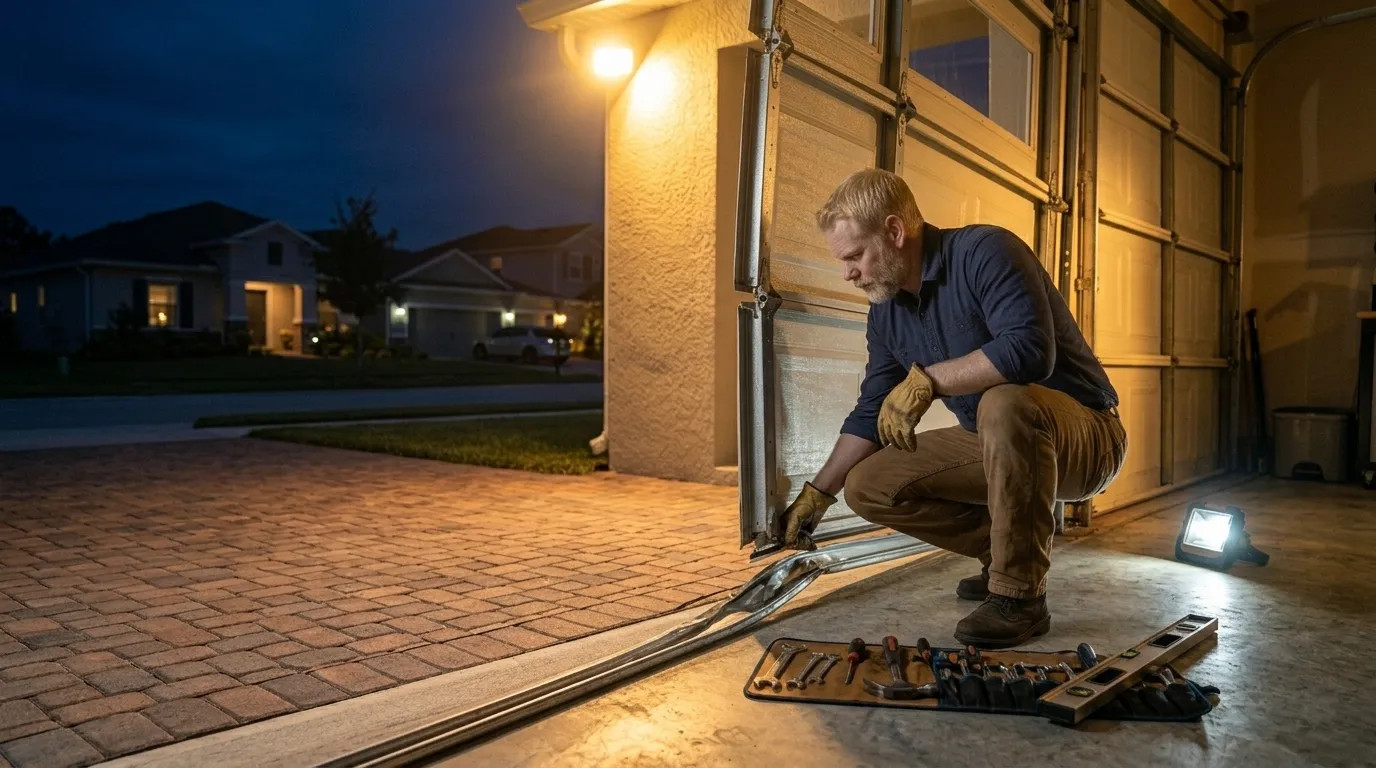
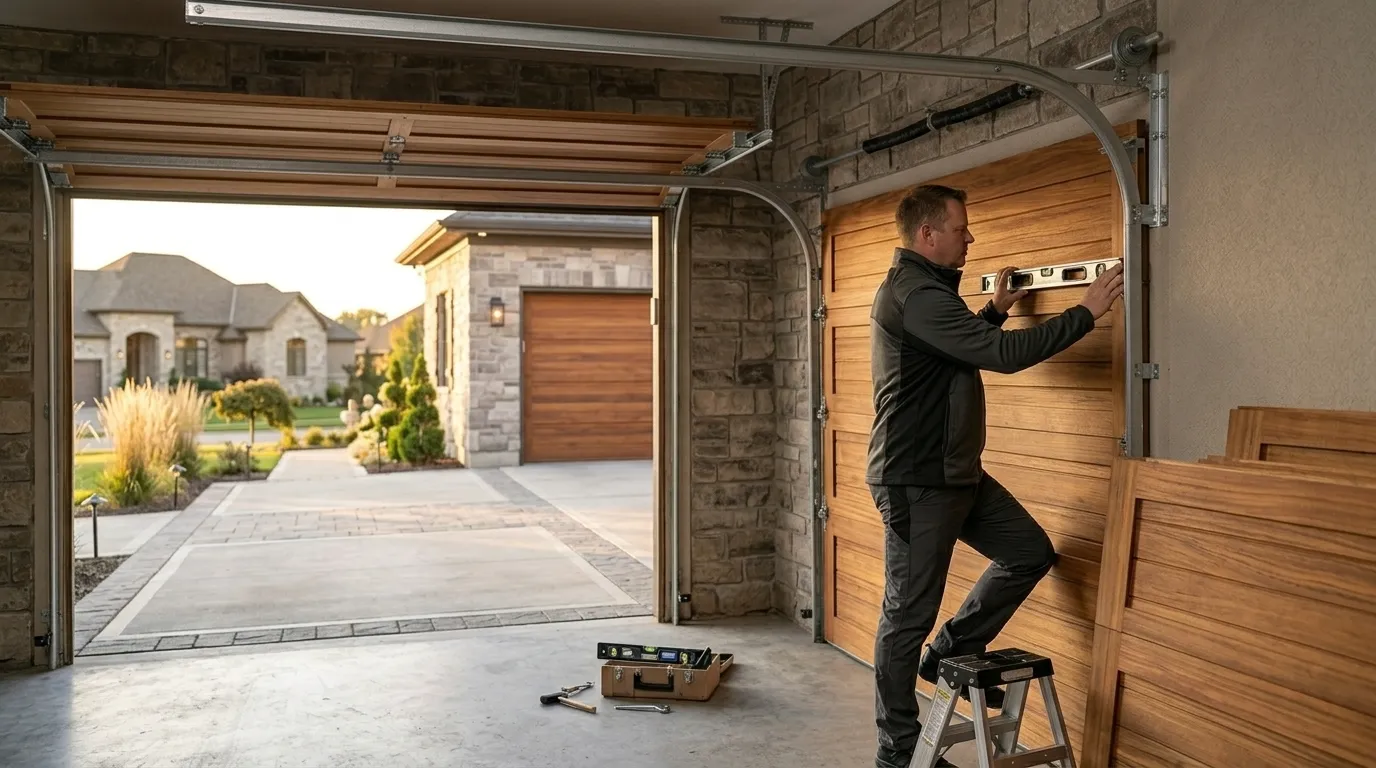
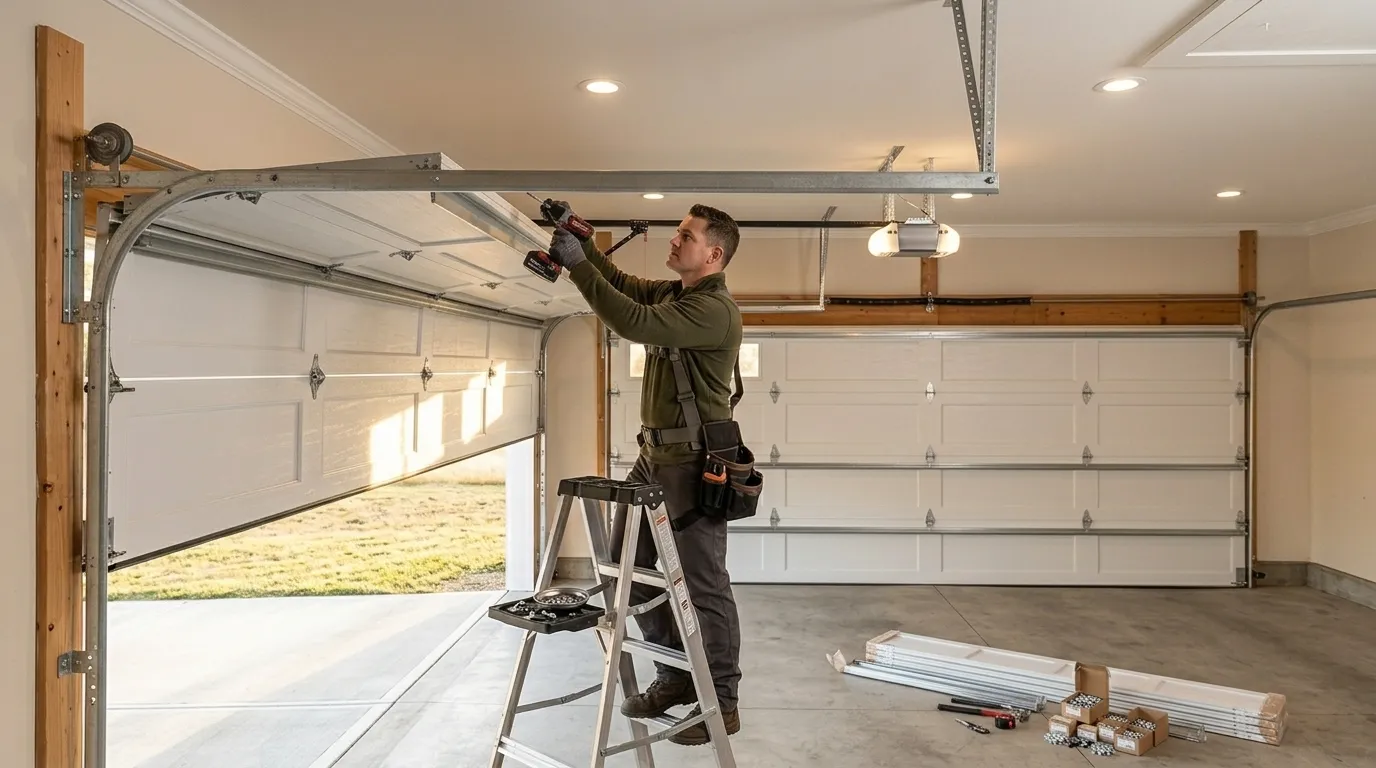
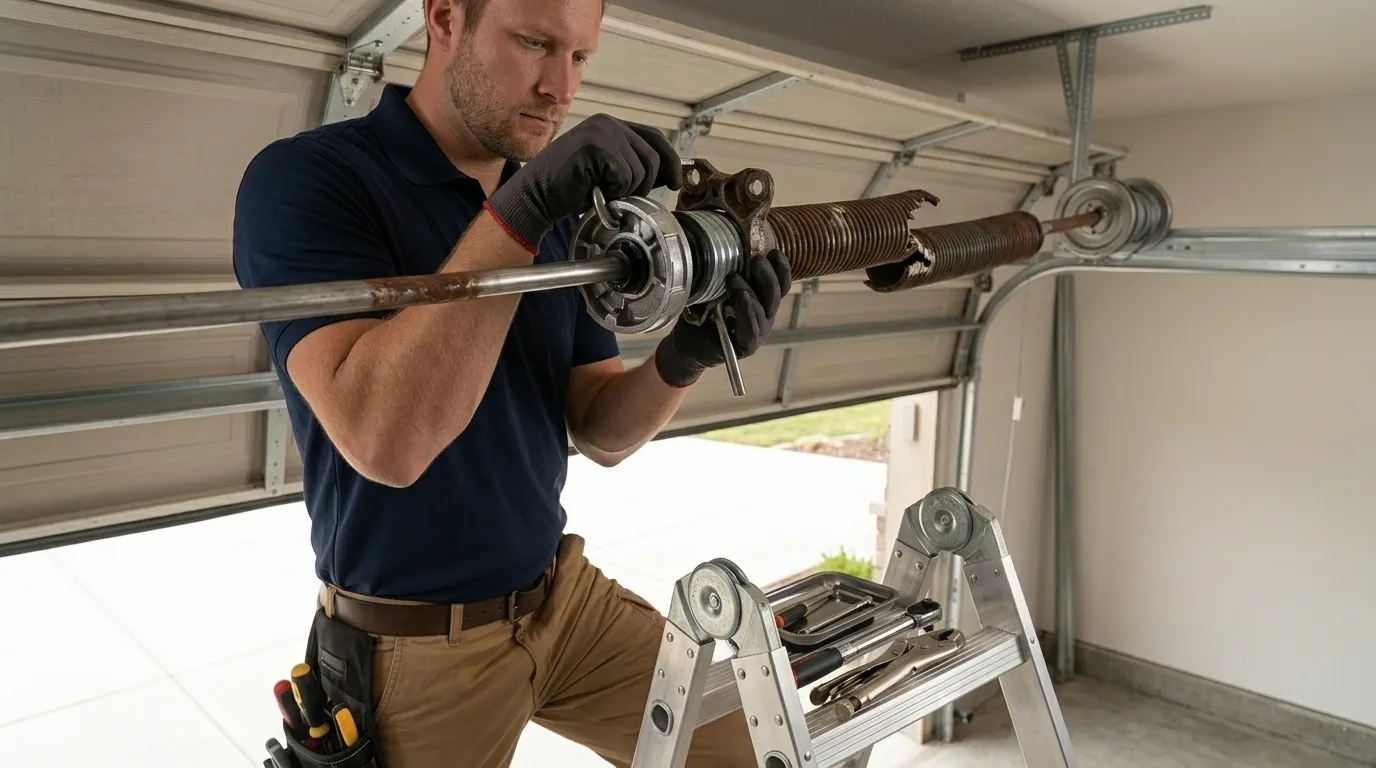
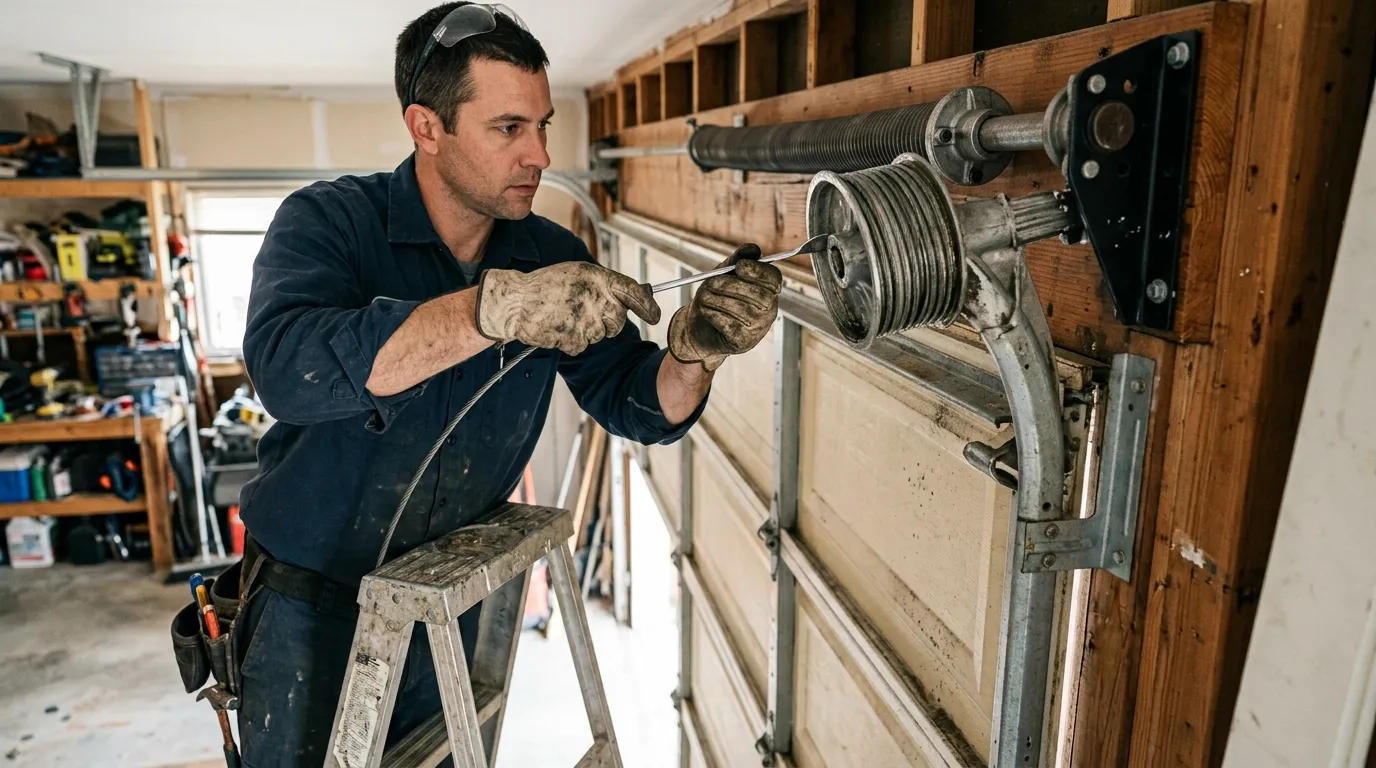
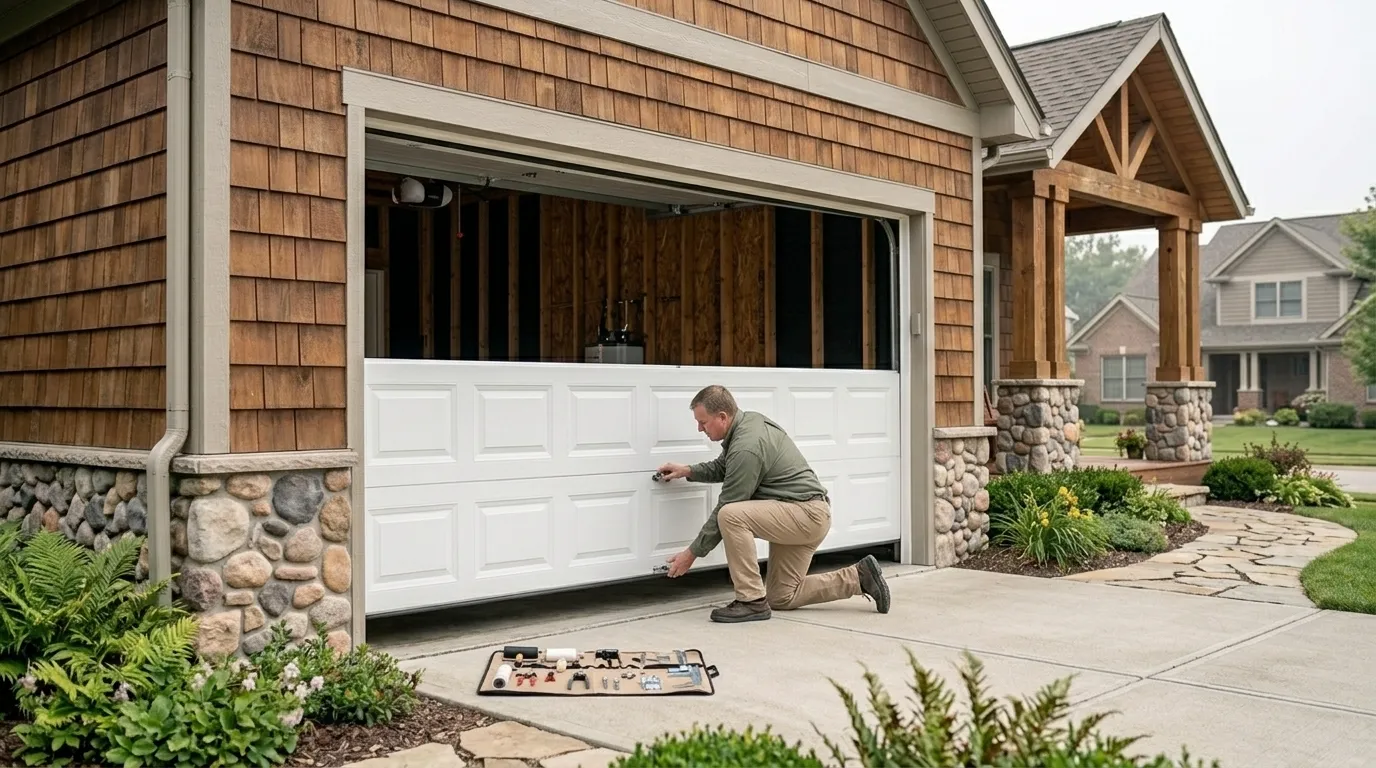
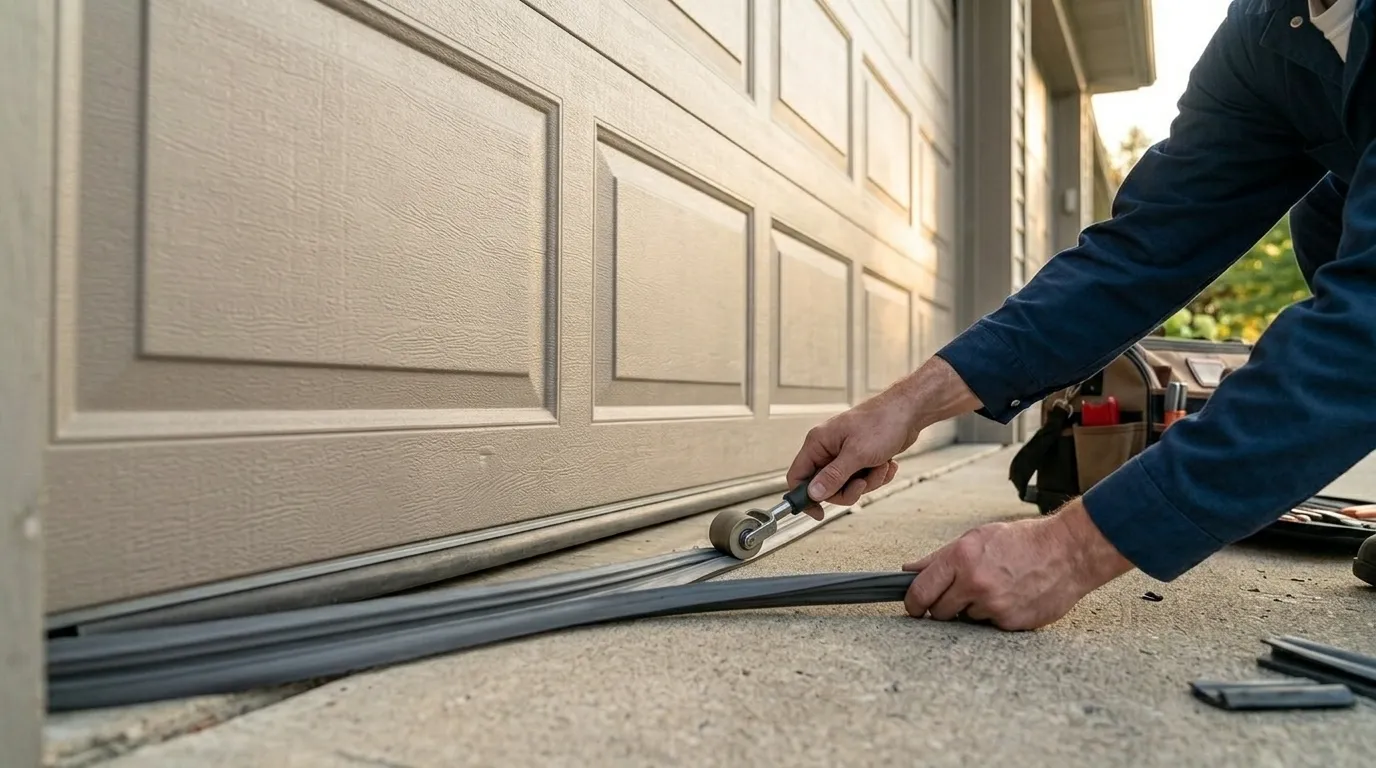
Doors installed around 2002 tend to be insulated steel, two or three layers, on standard torsion springs sized for that door weight - not the older single-layer doors you'd find on a house from the 1970s or 80s. The openers from that era are mostly chain or belt drive with basic photo-eye sensors near the floor track. What actually fails on a 2002-era setup: the circuit board capacitors give out, the photo-eye sensors drift out of alignment after years of vibration, and the springs - rated for maybe 10,000 cycles - are due or past due if nobody's replaced them yet. We don't see much rot-out on wood jambs here the way we do in older pockets of the area, because the framing is newer. One honest limitation: if your opener board is a discontinued model from that period, we may need to source a compatible replacement rather than an exact match, and that can add a day or two to the job.
The Houses Here
With roughly 1,872 households and a median income of $67,422, Shenandoah is a smaller, tighter footprint than some of the surrounding areas - fewer total doors to worry about, but a more consistent build era to plan for. Almost everyone here is dealing with the same generation of door and opener, which is actually good news: it means when we quote a spring replacement or a board swap, we're usually not guessing at compatibility. Compare that to a place with housing stock spanning fifty-plus years, where every call is a different decade of hardware. Shenandoah's narrower age band means fewer surprises once we're on-site, even if it doesn't mean fewer calls.