The Split Between Old and New
Across our whole coverage area, the median house was built in 1981, and a lot of that stock runs older one-piece doors on hardware that's hard to source now. Splendora doesn't fit that pattern. The median build year here lands around 1996, a good fifteen years newer than the area as a whole. That gap matters more than it sounds. A house built in 1996 was already framed for a sectional door with a chain or belt-drive opener, not the older extension-spring setups common in the 1970s and 80s stock we see closer to Humble. When we get a call from Splendora, we're usually walking into a garage built for a different generation of hardware than the one we see most often elsewhere in the territory, and we plan the truck stock for that call differently.
What the Housing Means for Your Door
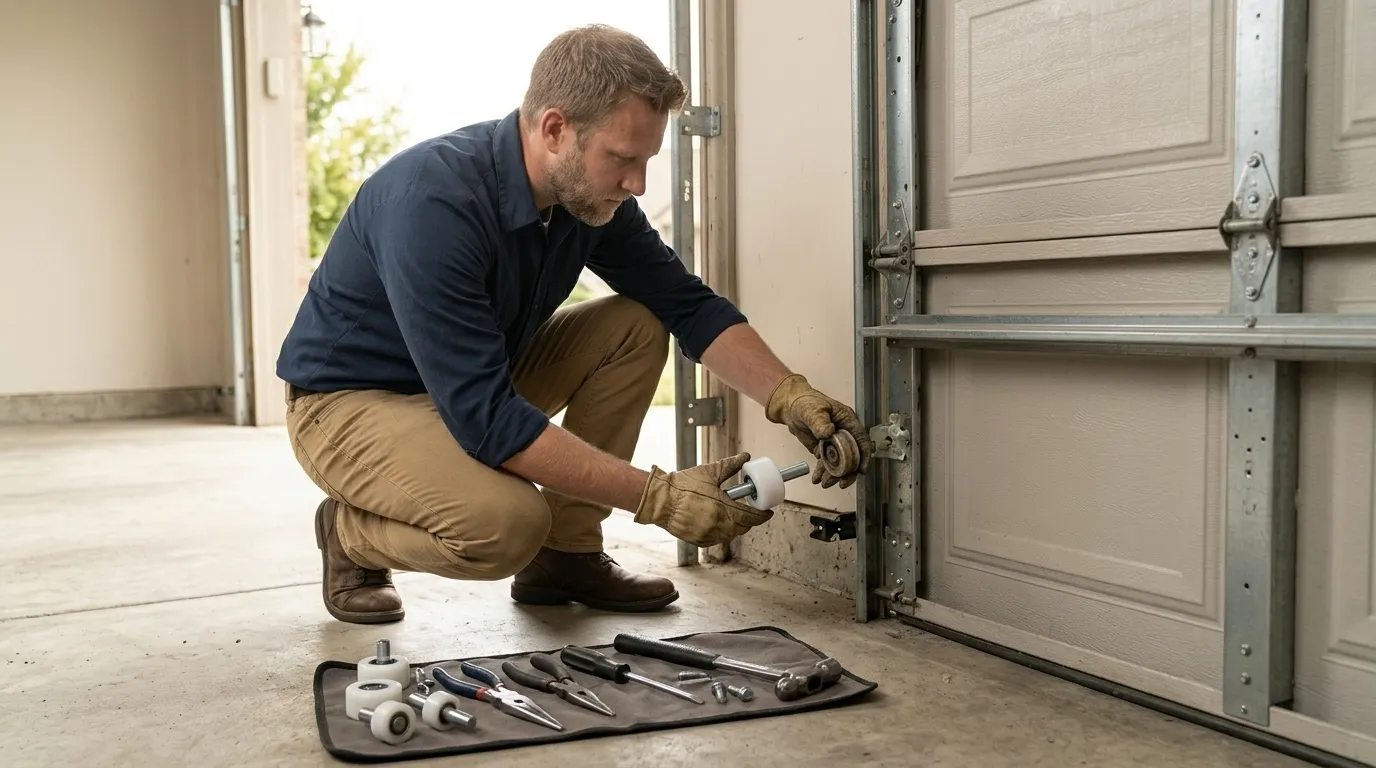
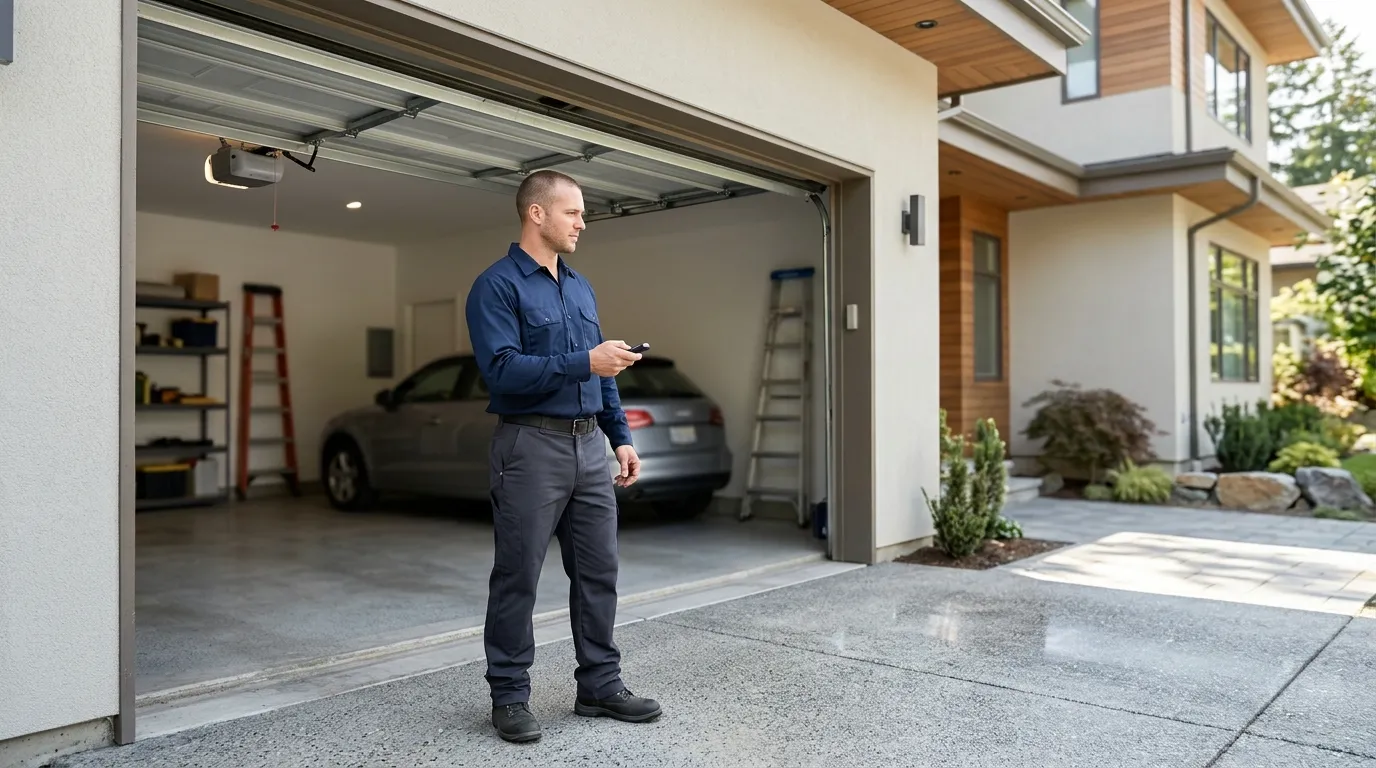
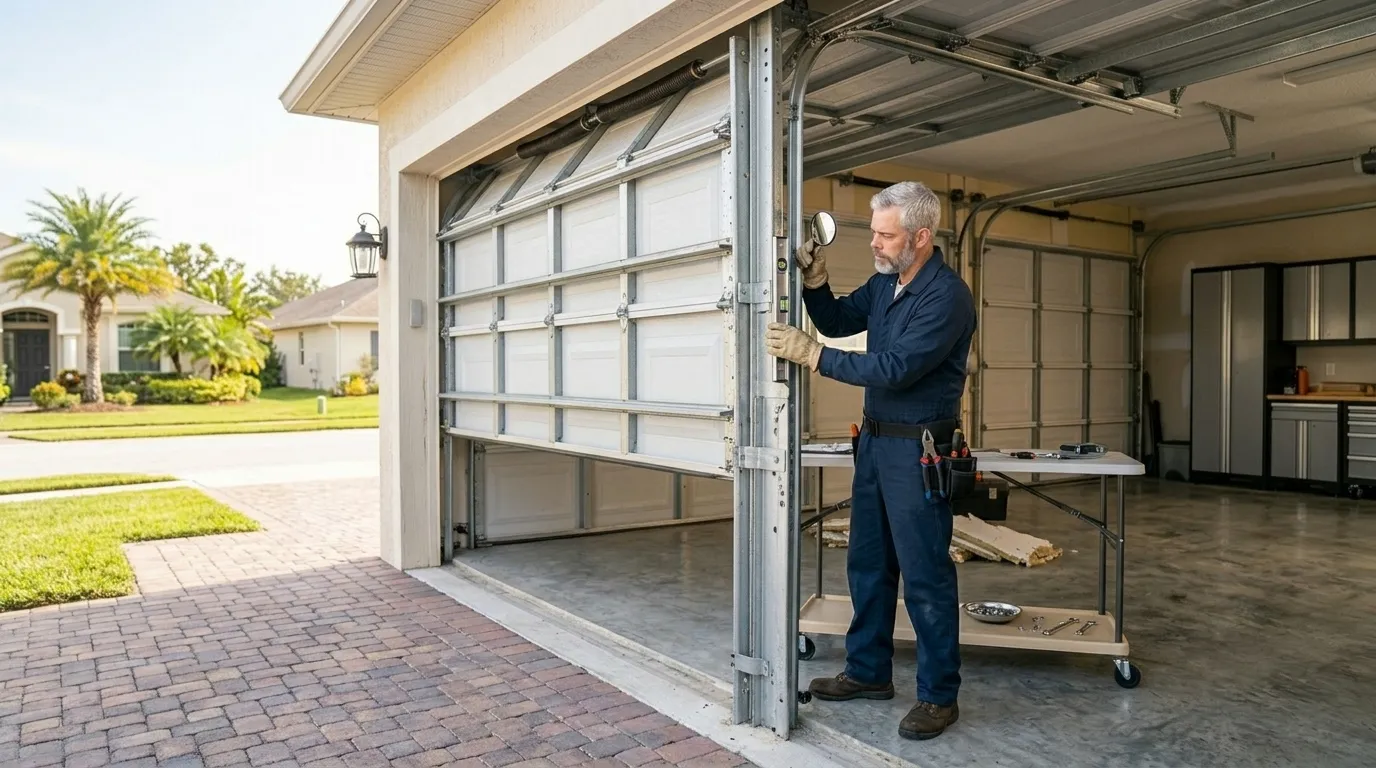
With most Splendora garages dating to the mid-90s or later, the common failures skew toward torsion springs reaching the end of a 15-20 year service life, opener logic boards and circuit boards from early-2000s production giving out, and worn nylon rollers on tracks that have never been replaced. You're less likely to have the old side-mounted torsion tubes we deal with on 1960s and 70s houses, and more likely to have a standard center-mounted torsion spring over the header - which is a more common part to stock, so parts delays are less of an issue here than on older housing stock. The mild climate with occasional freeze events (per regional climate data) means metal fatigue and rust are gradual rather than sudden, but a door that's sat unused through a humid summer can still bind on the track. One honest limit: if your opener is an obsolete board from a defunct manufacturer, we may need to replace the whole unit rather than chase a part that's stopped being made.
The Houses Here
Splendora is a smaller community within our coverage area - about 690 households, against roughly 30,112 across the full territory - which means less of a mixed multifamily stock and more single-family garages built to a fairly consistent era. Median household income here runs around $69,000, close to the wider area's $70,478, so the doors and openers we replace tend to be mid-range residential units rather than high-end custom doors or bare-bones builder-grade units. That consistency actually makes diagnosis a little faster: fewer surprises in spring size, fewer oddball door widths, and openers that are usually one of a handful of common models from the same production window.