The Split Between Old and New
Spring Valley Village sits right on the line the wider service area straddles. Across the 25-point coverage area, houses went up anywhere from 1956 to 2011, with the midpoint landing at 1981 - and that midpoint is almost exactly this area's own build year. That matters because it means you don't get one dominant door type here. You get a real mix: original torsion setups from the early 1980s next to doors and openers swapped in during the 90s or later remodel cycles. When we get called out to this area, we don't assume - we ask what year the door itself was installed, because the house year and the door year often don't match anymore.
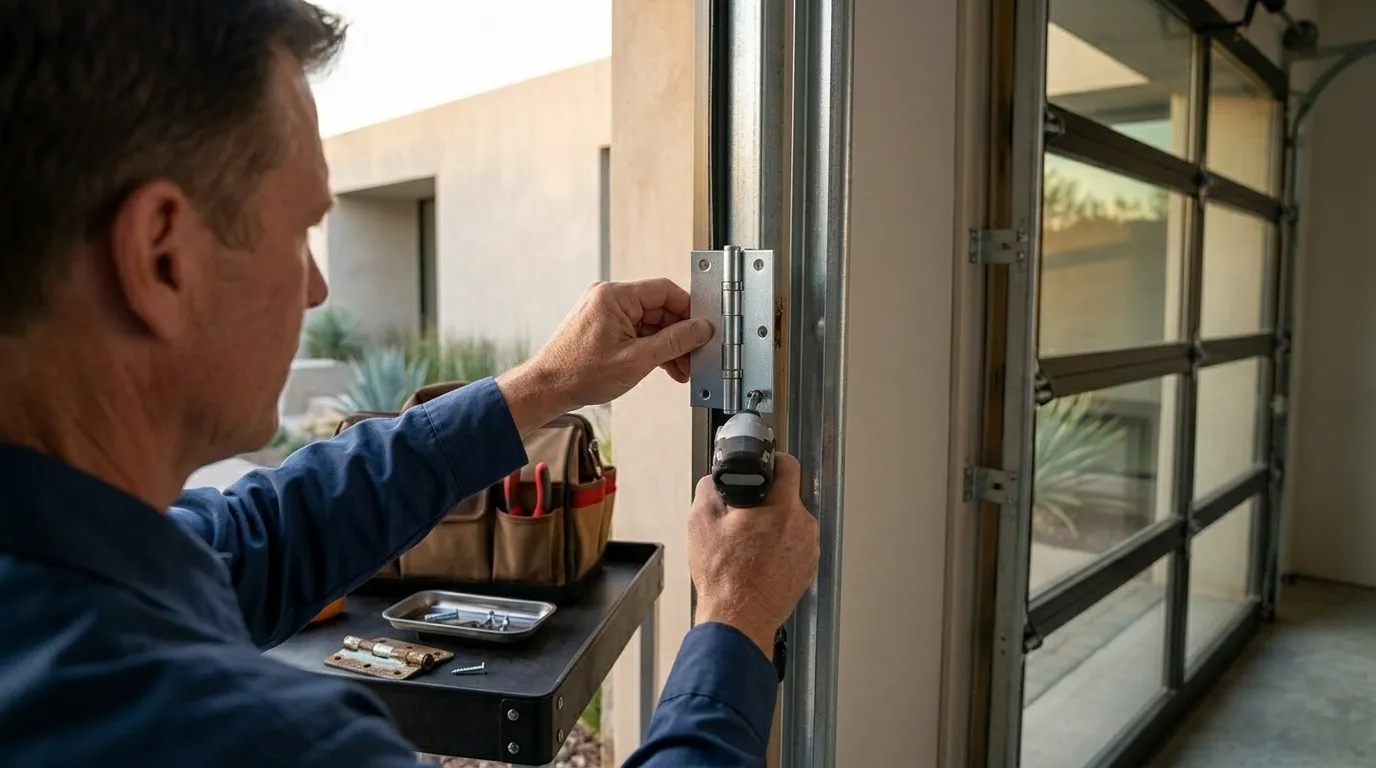
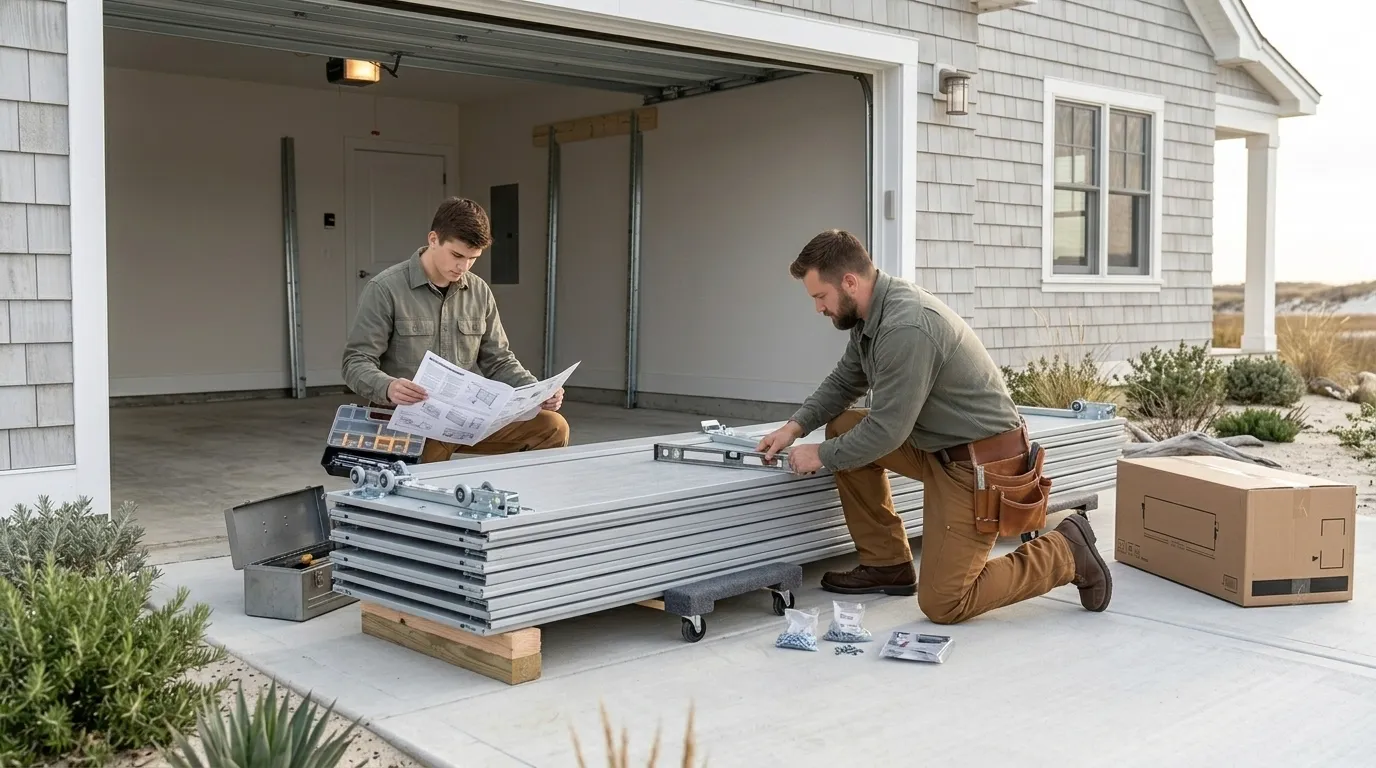
This is different from areas where 90% of the stock landed in one decade. There, you can guess the hardware before you open the truck door. Here, guessing gets you the wrong torsion bar or the wrong bracket. We bring options rather than assumptions, because a 1981-built garage might have had three different openers pass through it since.
What the Housing Means for Your Door
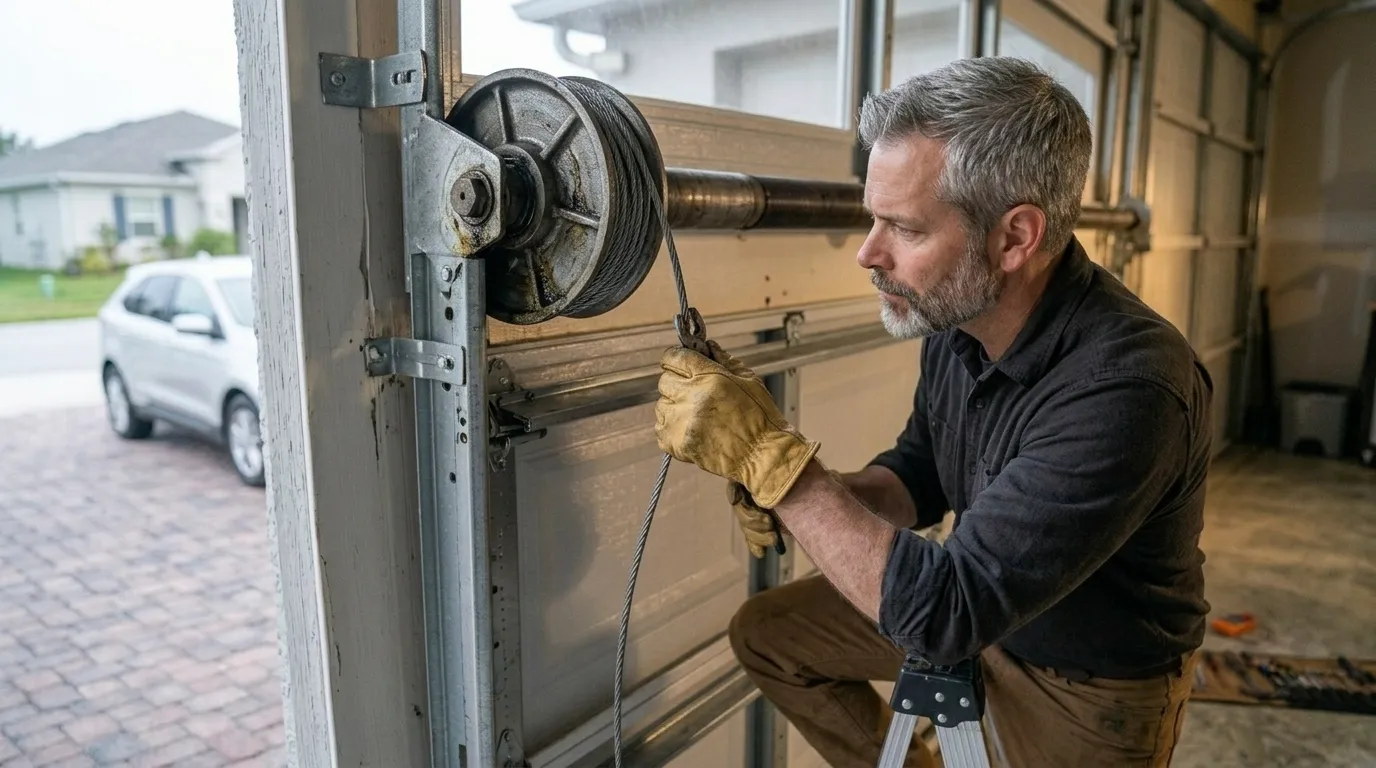
With a median build year of 1981, a fair number of garages in Spring Valley Village still run on the original torsion spring hardware - steel that's now over forty years old and well past any reasonable service life, even if it hasn't failed yet. If your door groans, sags on one side, or the opener strains before the door starts moving, that's usually the spring giving out, not the motor.
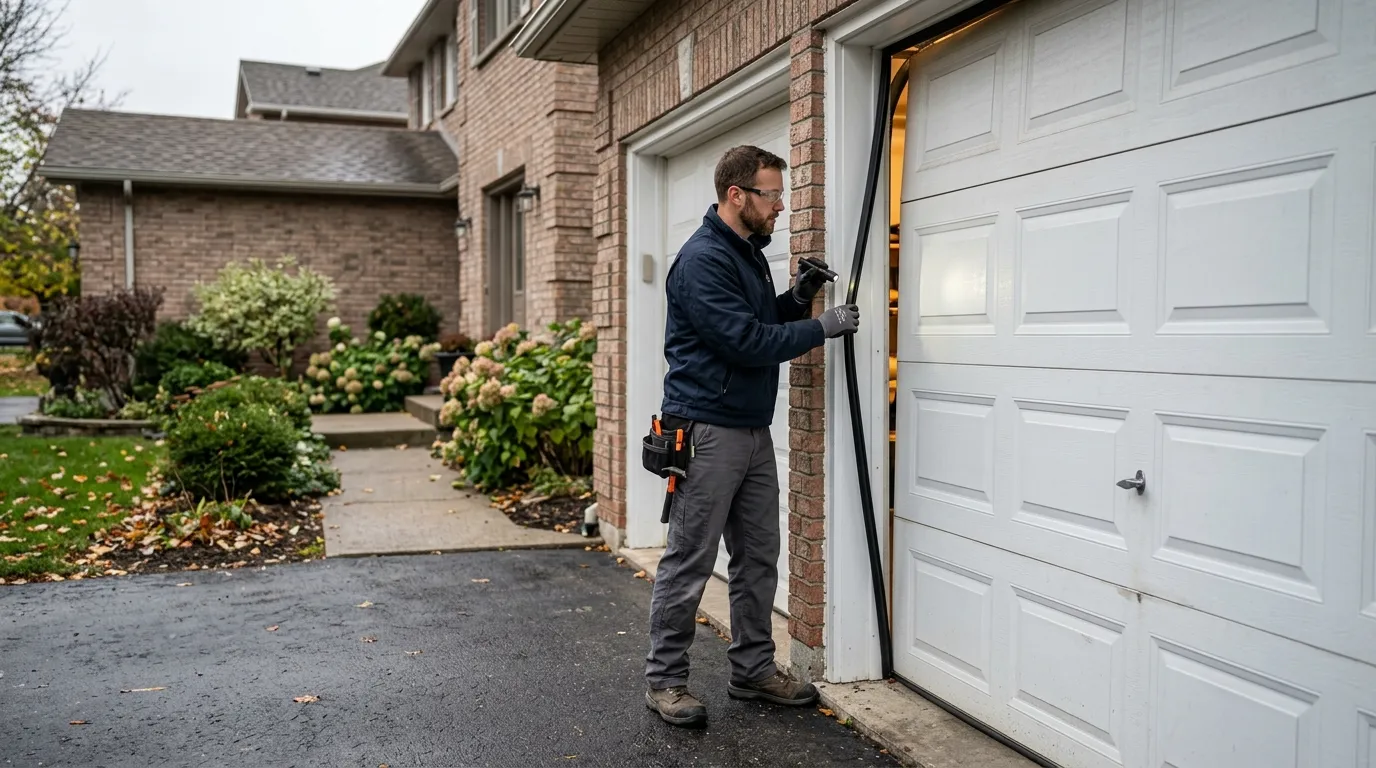
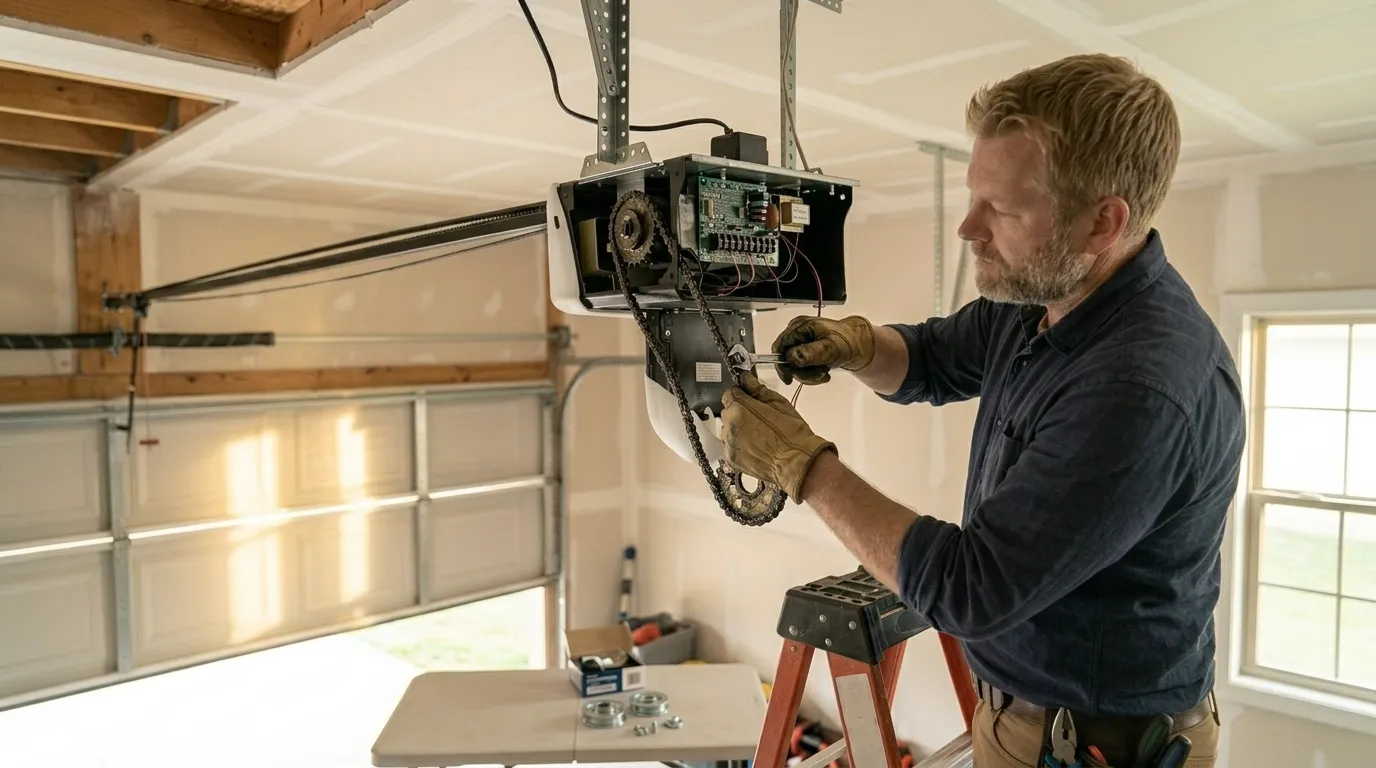
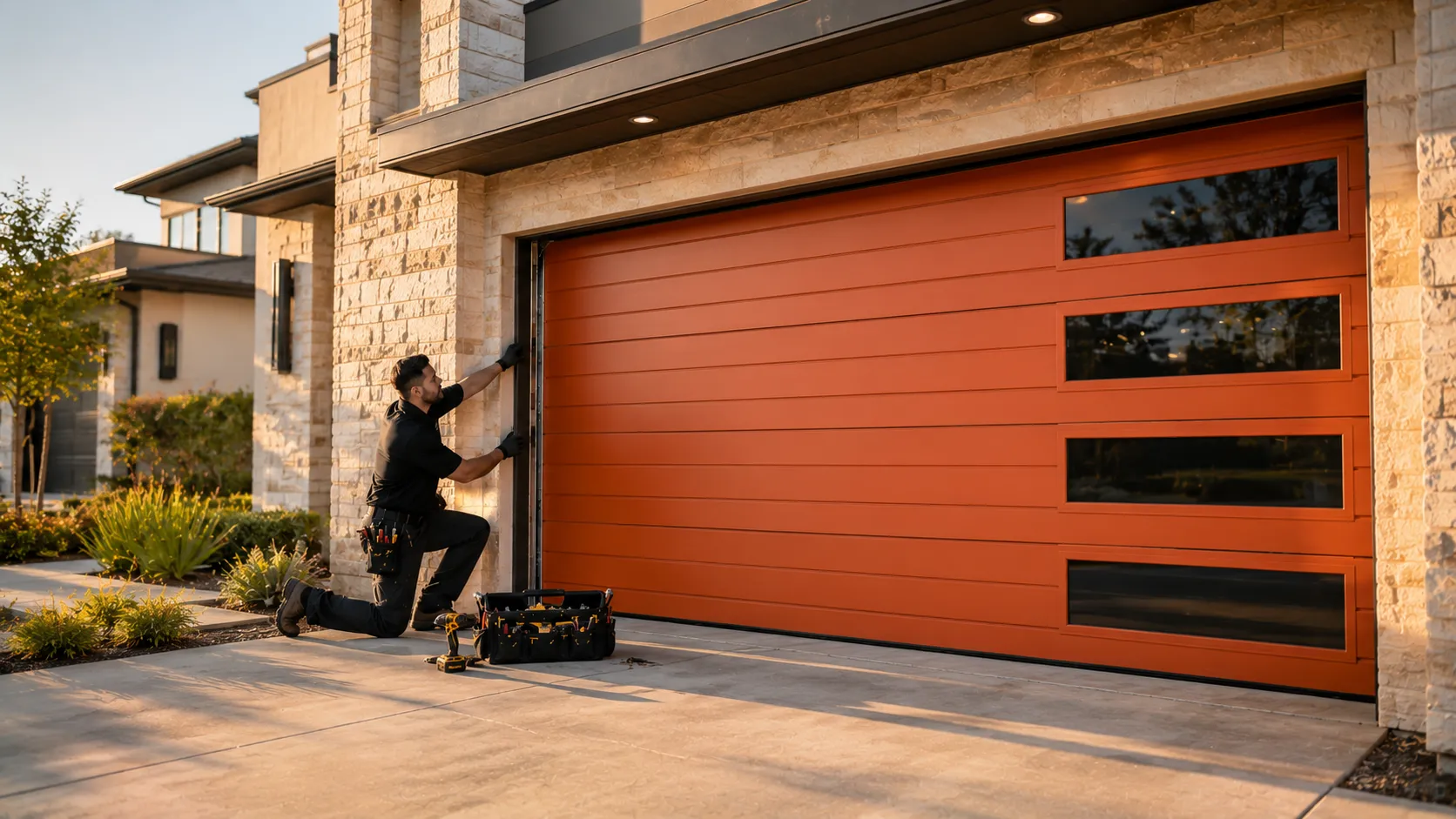
The area's household income, at $227,857, is well above the wider service area's median of $70,478. In practical terms, that tends to mean more owners who've already upgraded to insulated steel or composite doors with newer belt-drive openers - which come with their own failure points: worn belts, misaligned photo-eye sensors, and drive gears that strip under repeated use. The mild, occasional-freeze climate here doesn't stress steel doors the way real winter would, so panel warping is rare - most calls we'd expect are spring, cable, and opener-related rather than weather damage.
The Houses Here
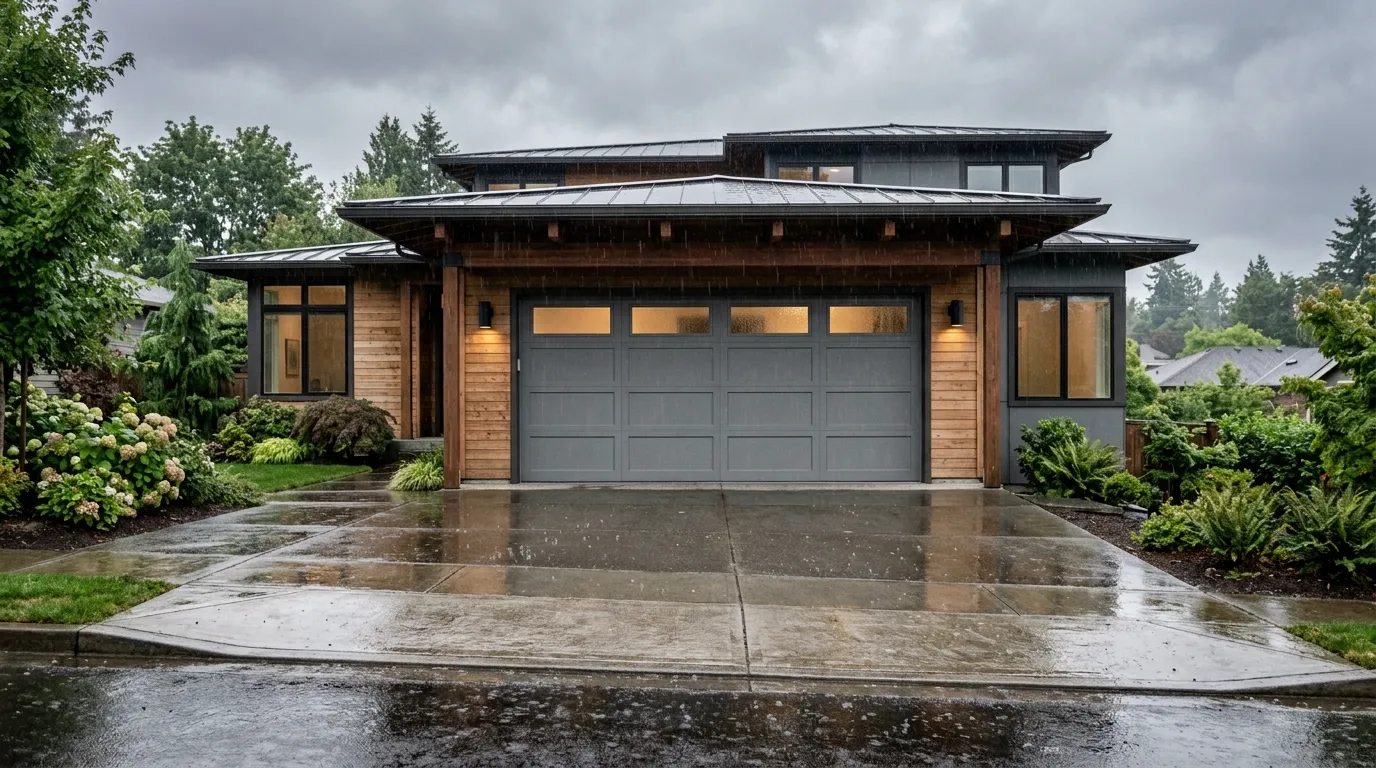
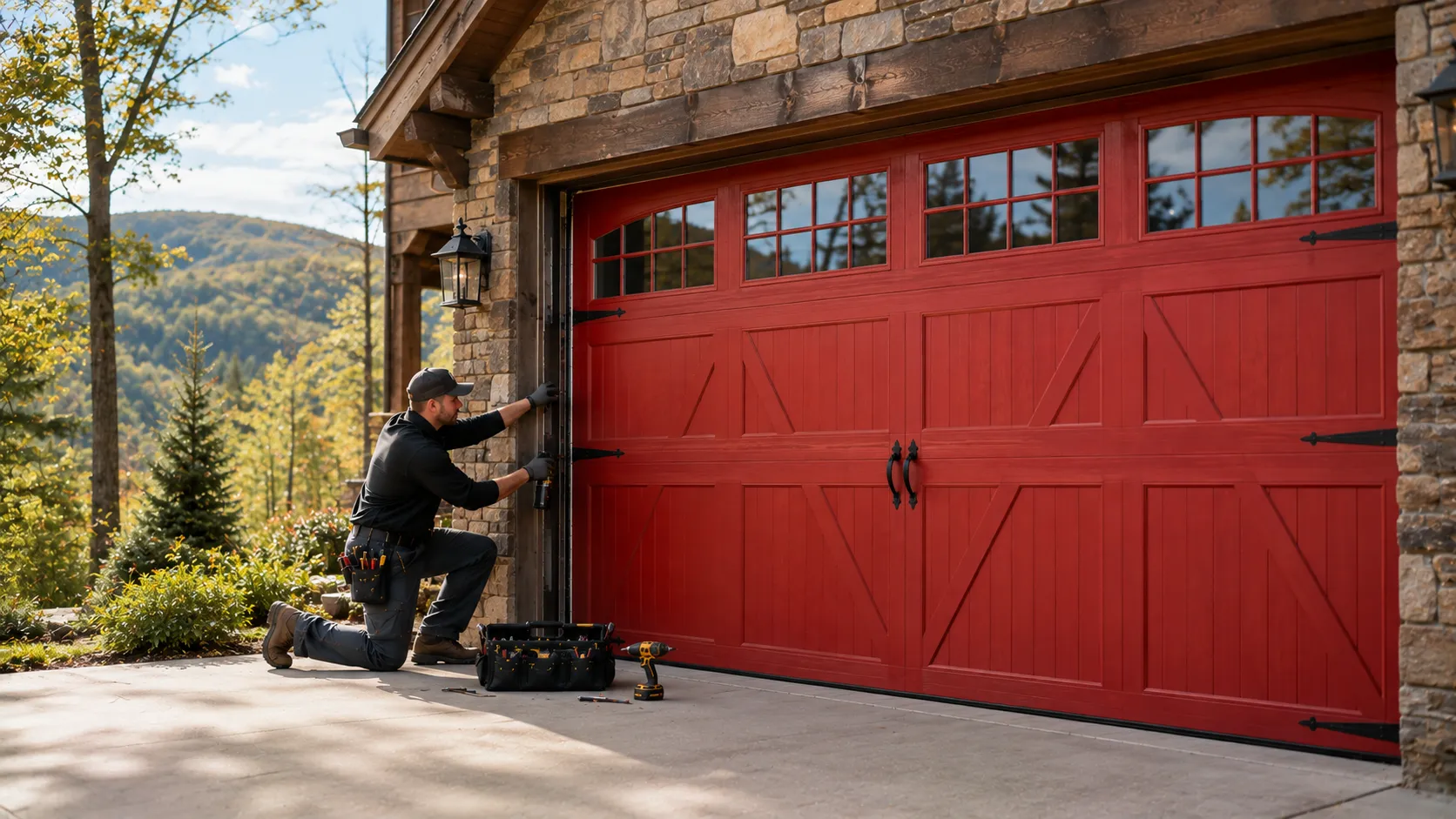
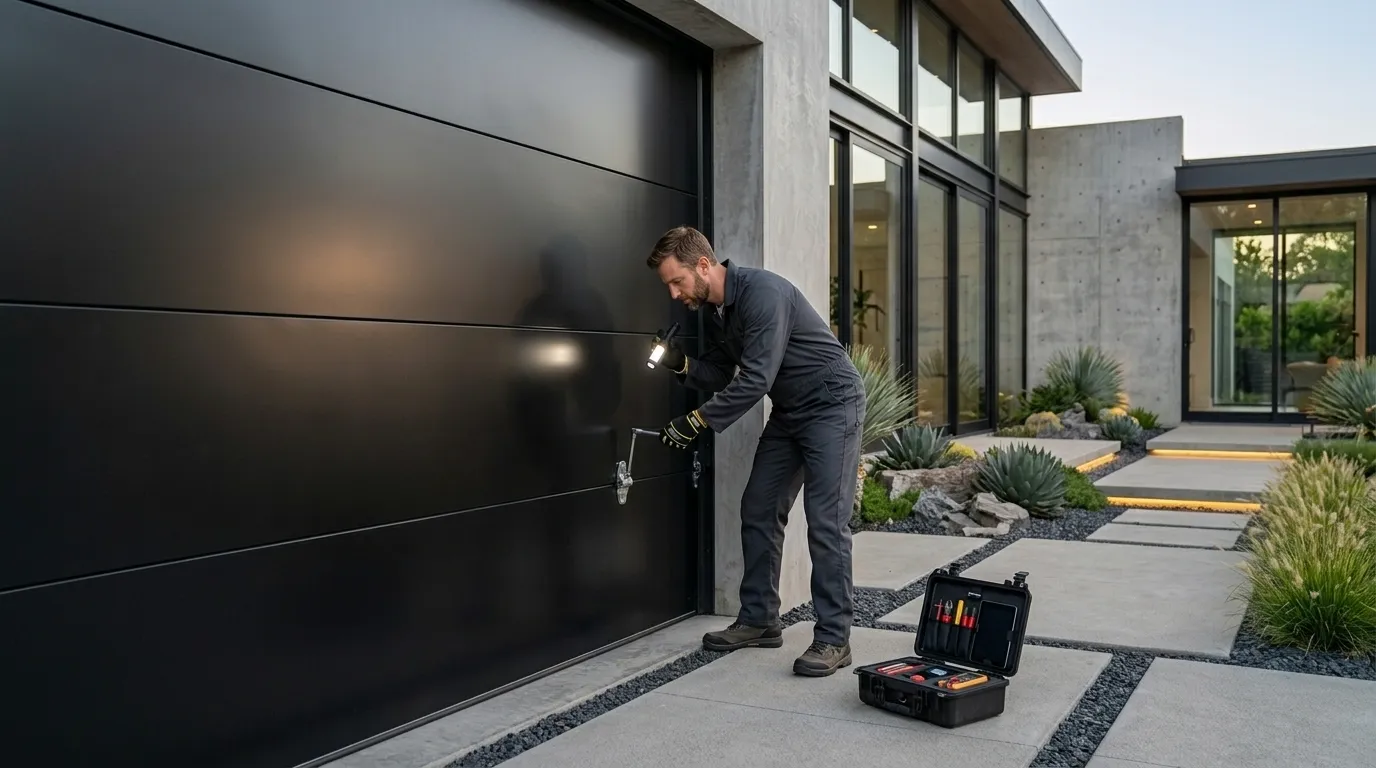
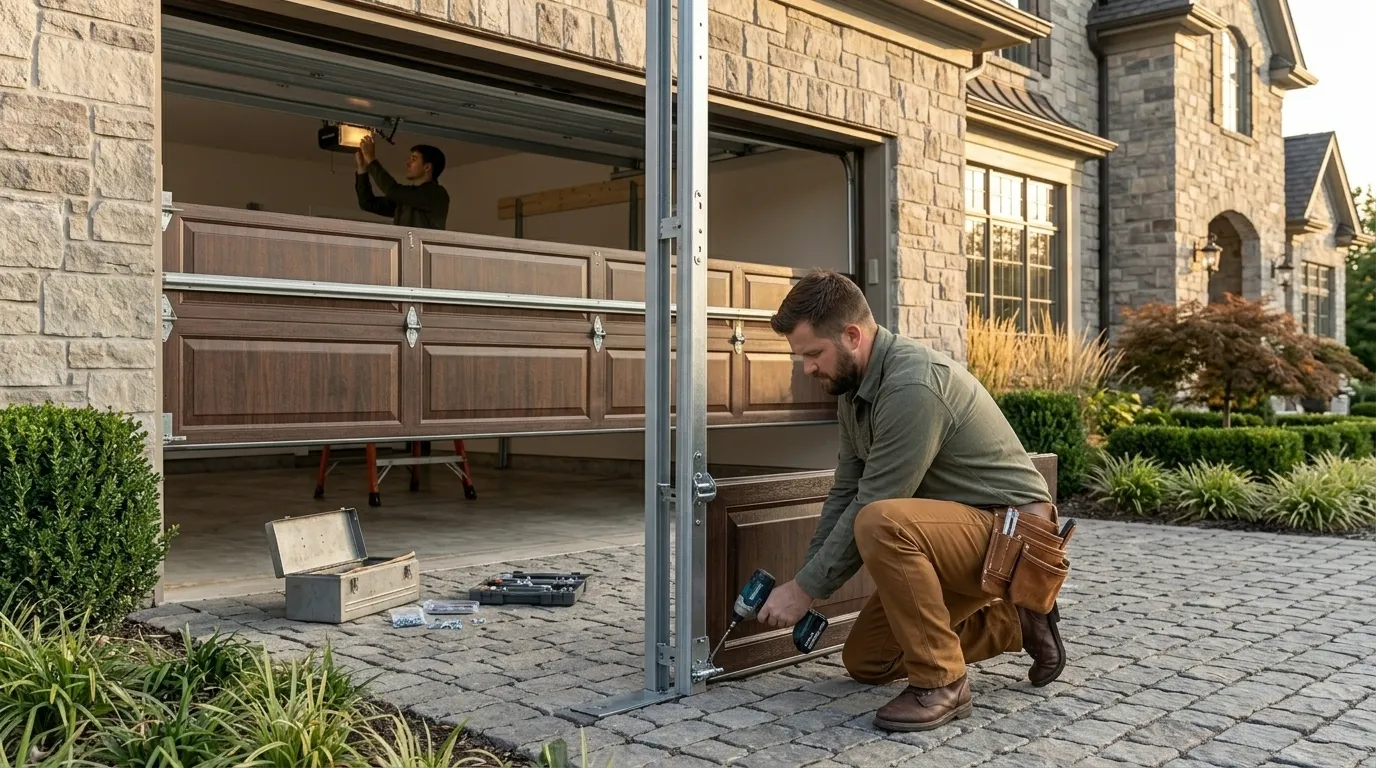
Spring Valley Village is one of 18 named areas across the territory where 1980s and 90s construction dominates the housing stock, and at 1,308 households it's a small slice of the roughly 30,112 households and 17,400 owner-occupied houses we cover in total. Smaller doesn't mean simpler, though - a household income of $227,857, well above the broader area's $70,478 median, generally lines up with more custom or higher-end doors: real wood, heavier insulated steel, or carriage-style panels rather than the bare builder-grade steel doors common elsewhere.
One limitation worth saying plainly: if a door here is a discontinued custom panel design, we may need to order a replacement panel rather than pull one off a shelf, and that can add lead time. We'll tell you that up front rather than promise a same-day fix on something we can't stock.