The Split Between Old and New
Woodbranch doesn't split much at all, and that's the point. The median year built here is 1982, and most of the roughly 558 households in the area sit close to that number rather than spread across decades. That's tighter than a lot of the wider service area, where houses run anywhere from 1956 to 2011. A neighborhood built in a narrow window means a narrow window of garage door problems, too - the same springs, the same tracks, the same openers wearing out on roughly the same schedule.
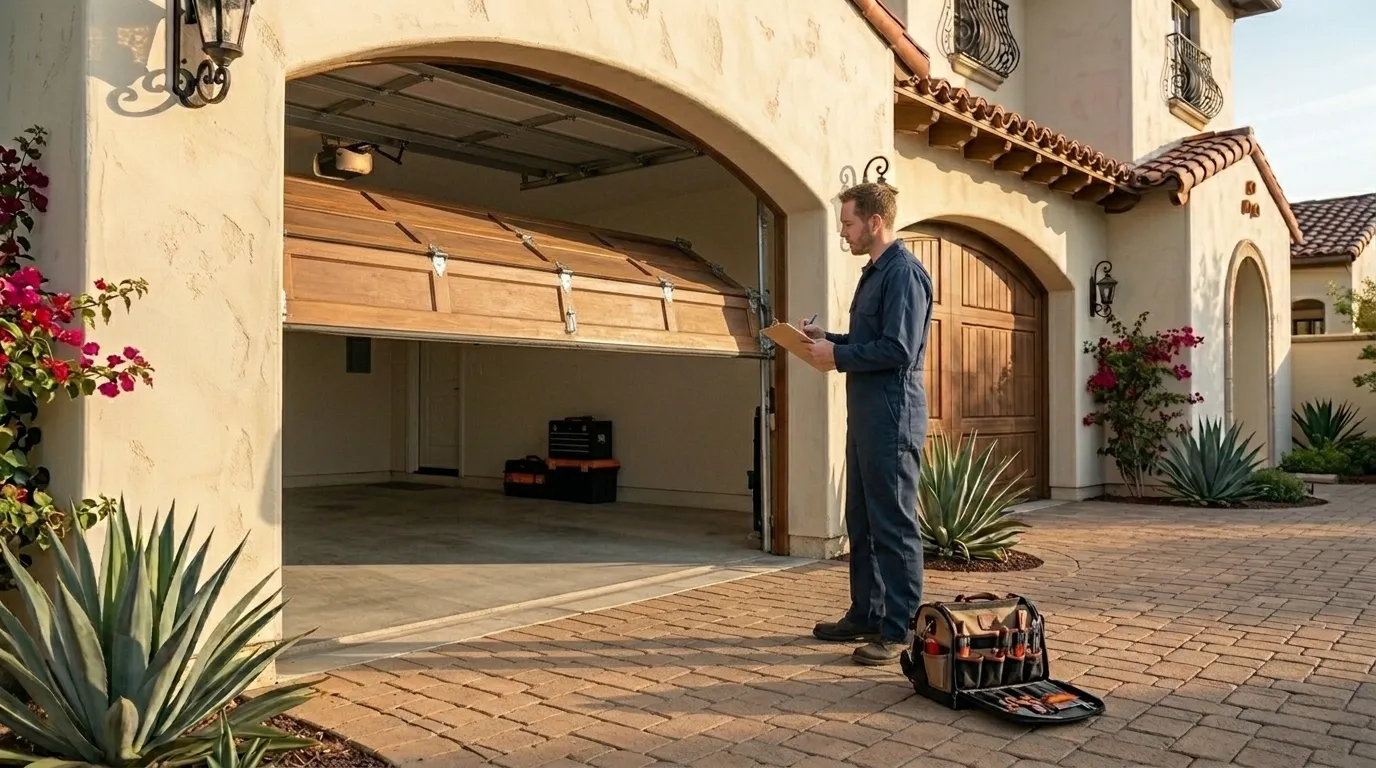
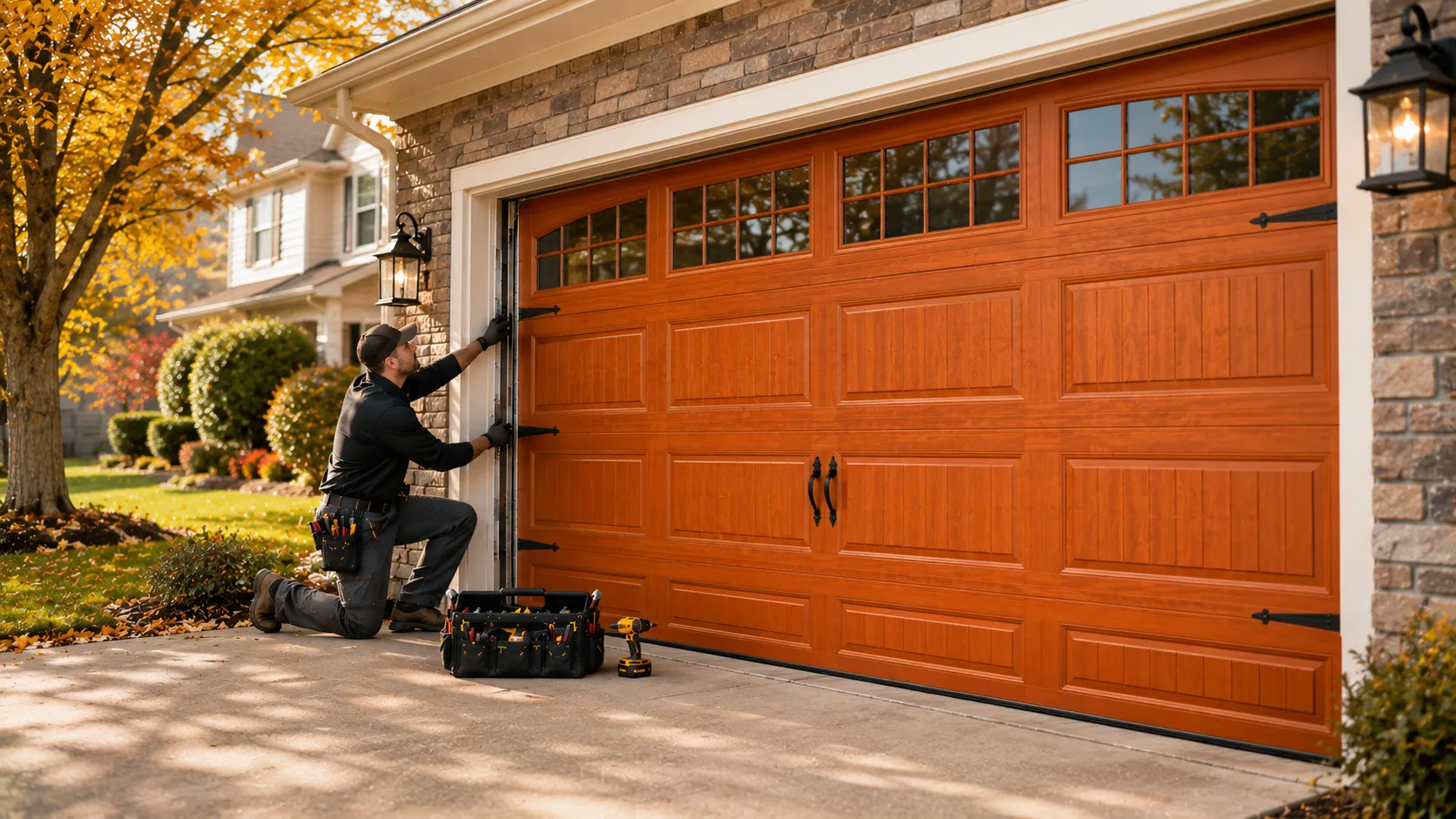
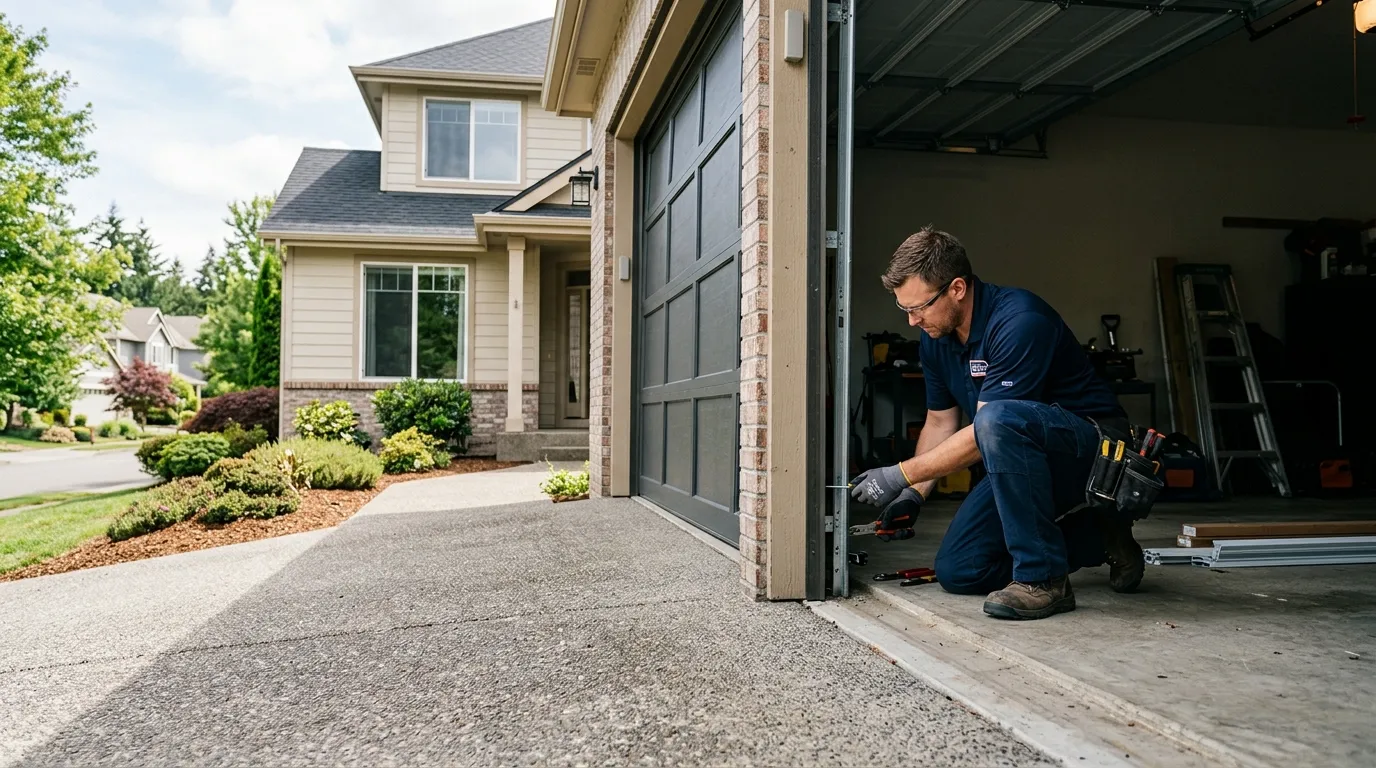
What that means in practice: when we get a call from Woodbranch, we're rarely surprised by what we find under the hood. It's early-1980s torsion hardware, first-generation chain-drive openers if they haven't been swapped yet, and steel doors that have had one owner's worth of dents. We're not guessing at what decade we're walking into.
What the Housing Means for Your Door
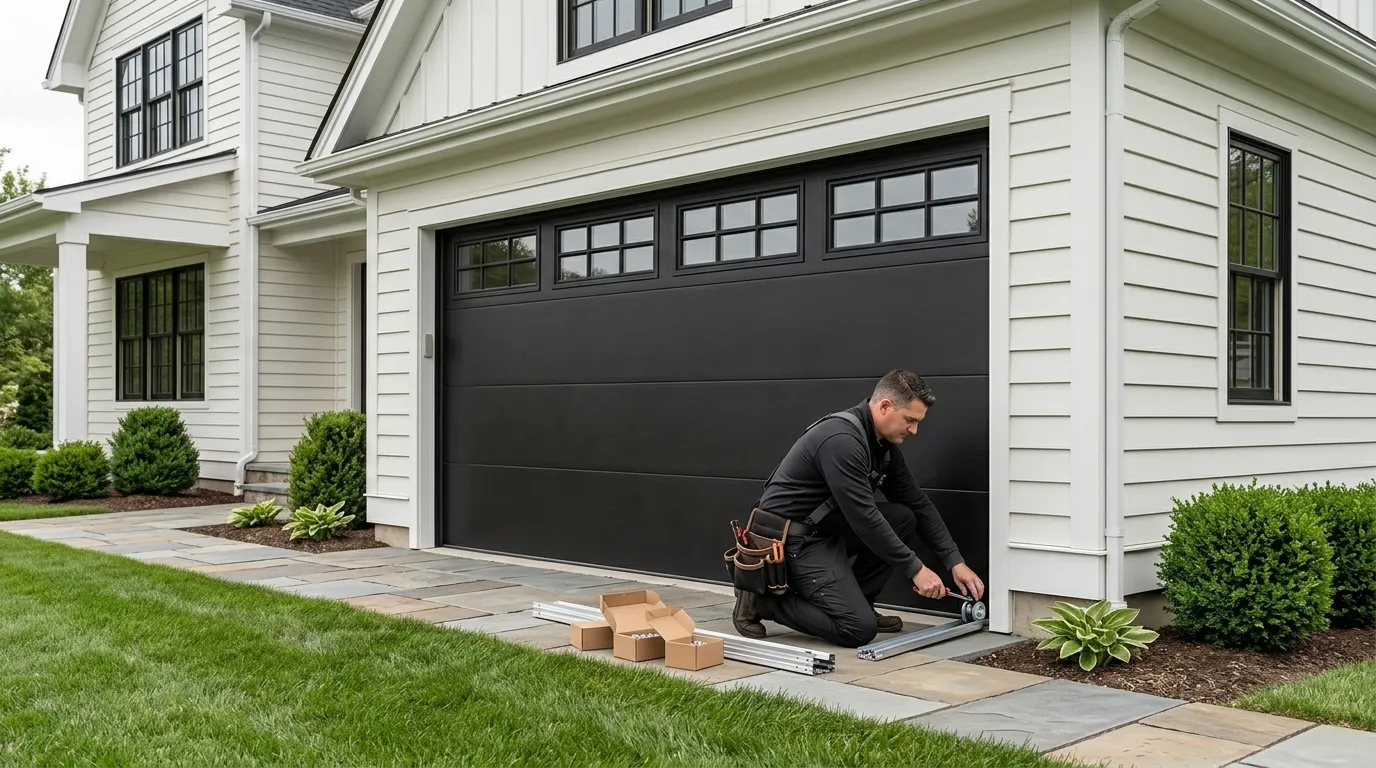
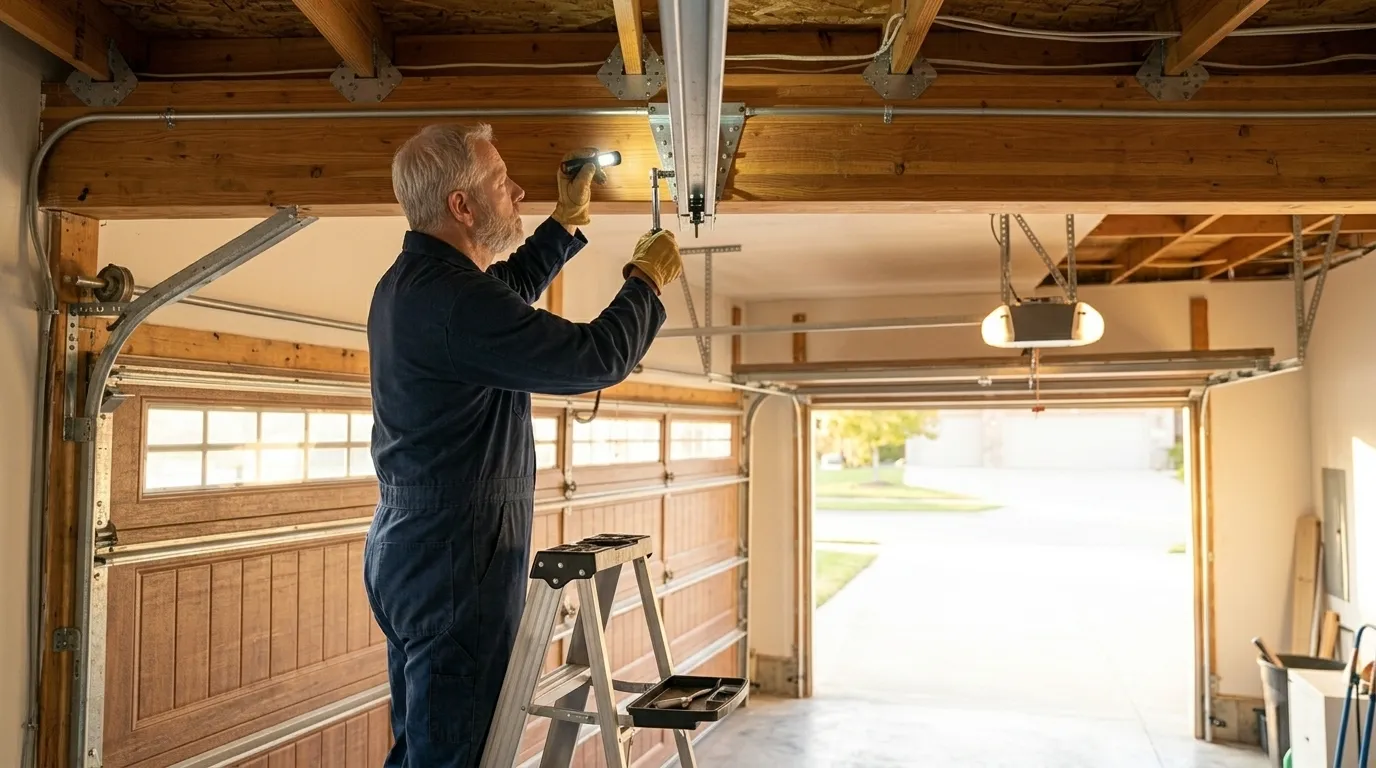
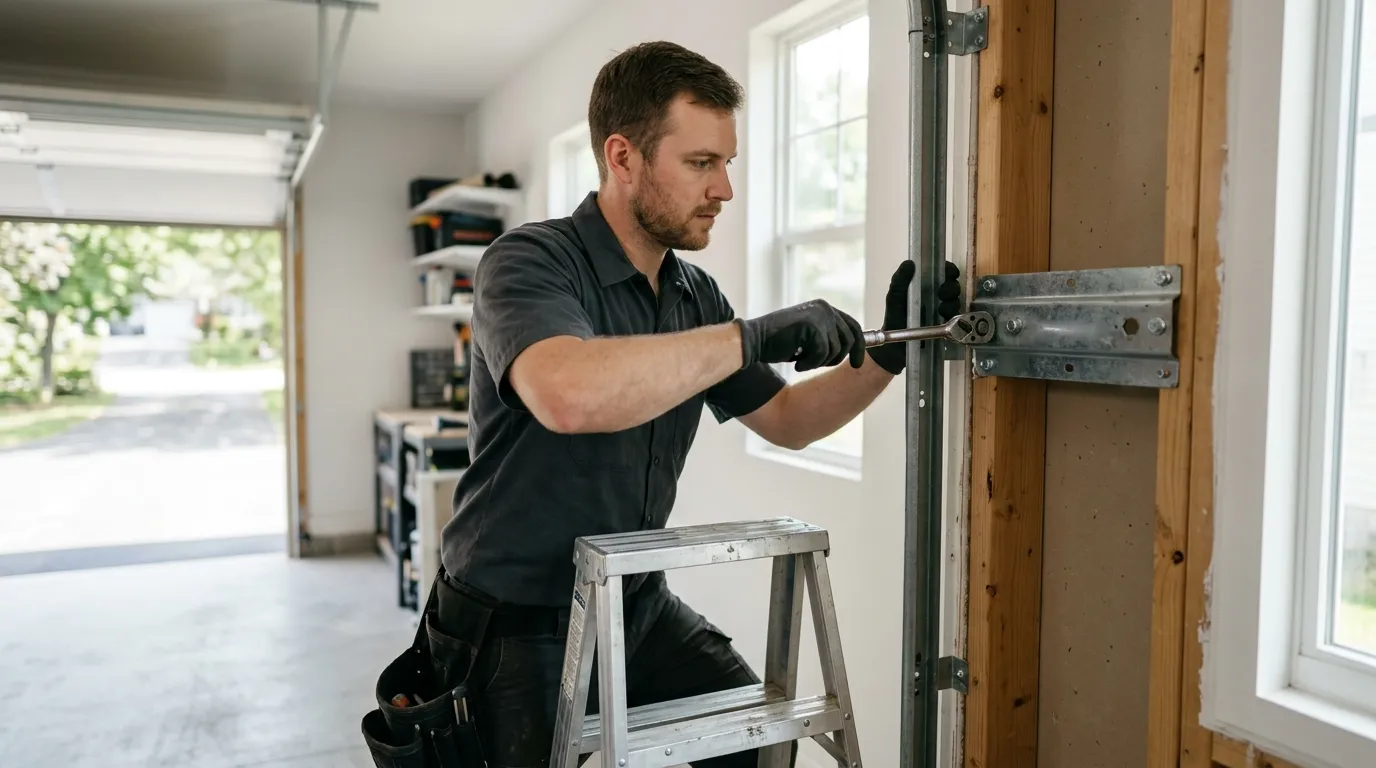
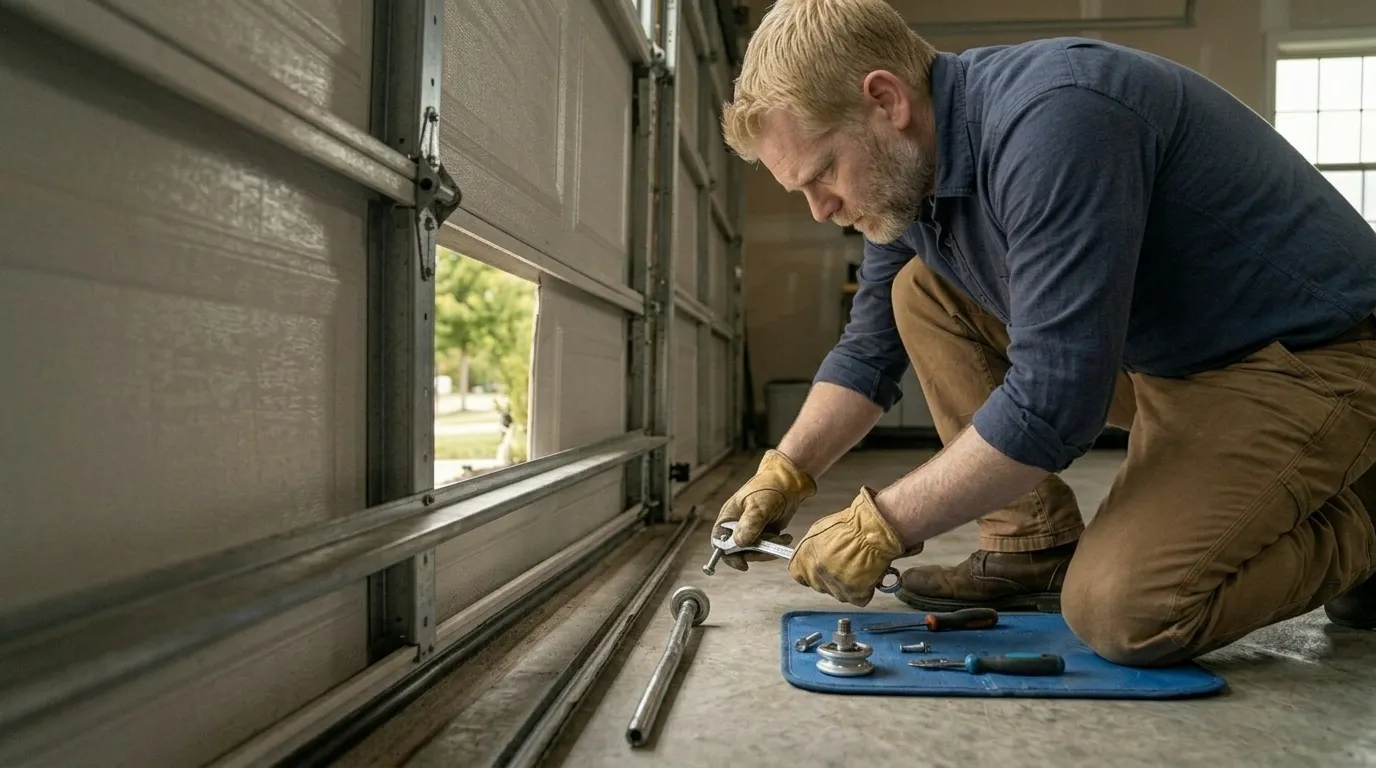
A door installed in 1982 has had over forty years to wear through its second or third spring, its second opener, and probably its original rollers if nobody's touched them. The torsion springs from that era were sized for the door and insulation standards of the time, which is not always what's hanging on the track today if a panel or full door got replaced along the way. Mismatched hardware from a partial upgrade is one of the more common issues we run into in houses this age.
We'll be honest about one thing: if your opener is original to a 1982 build, parts for it are getting hard to source, and at some point a repair costs more in labor hunting down a part than a new opener costs installed. That's not a sales pitch - it's just where the math lands once a unit is over forty years old.
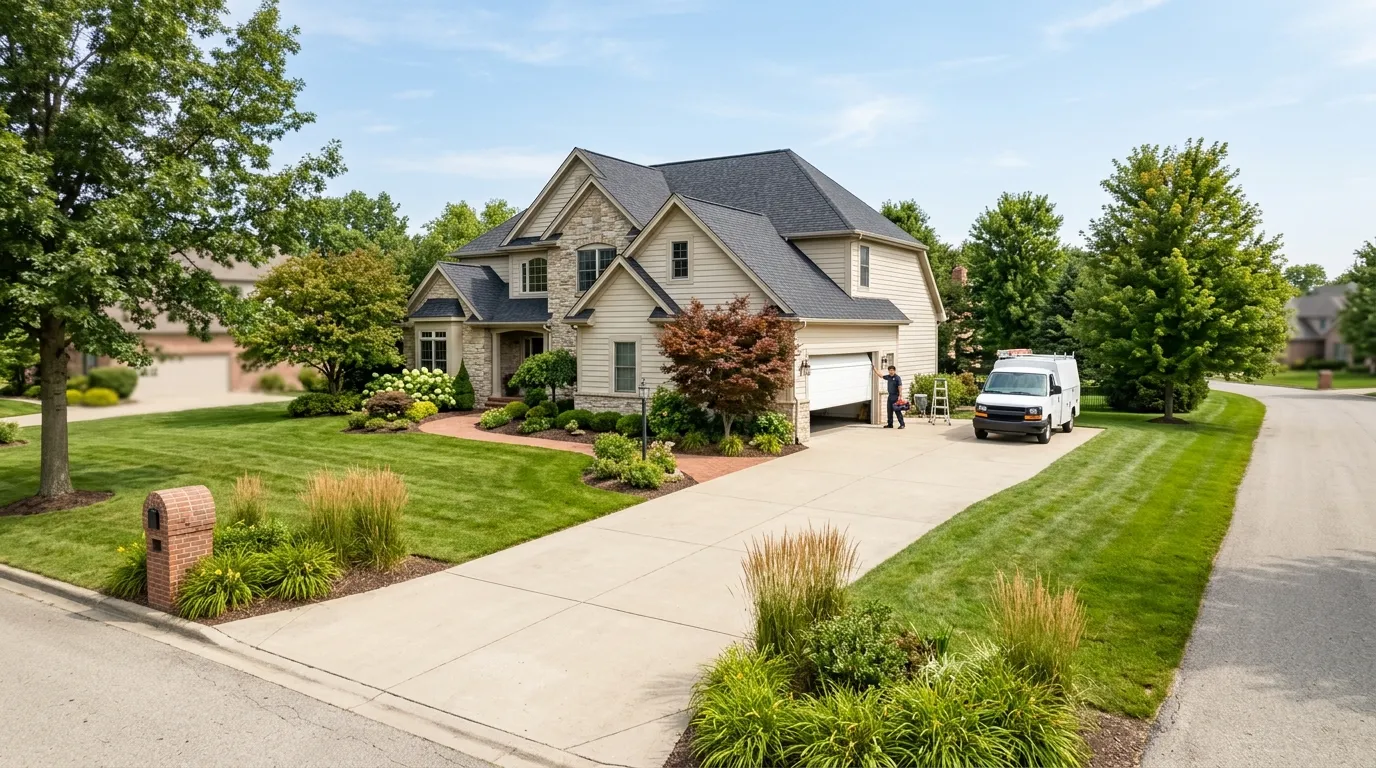
The Houses Here
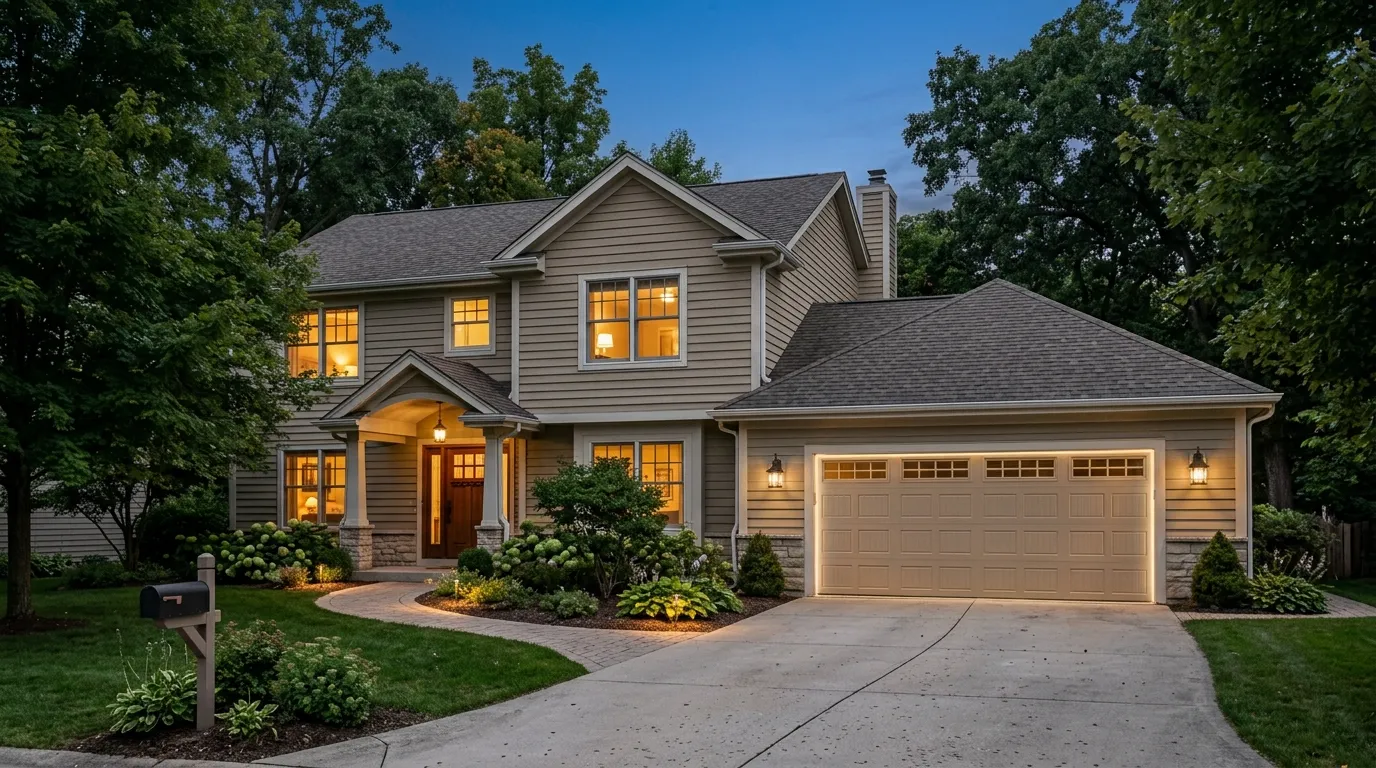
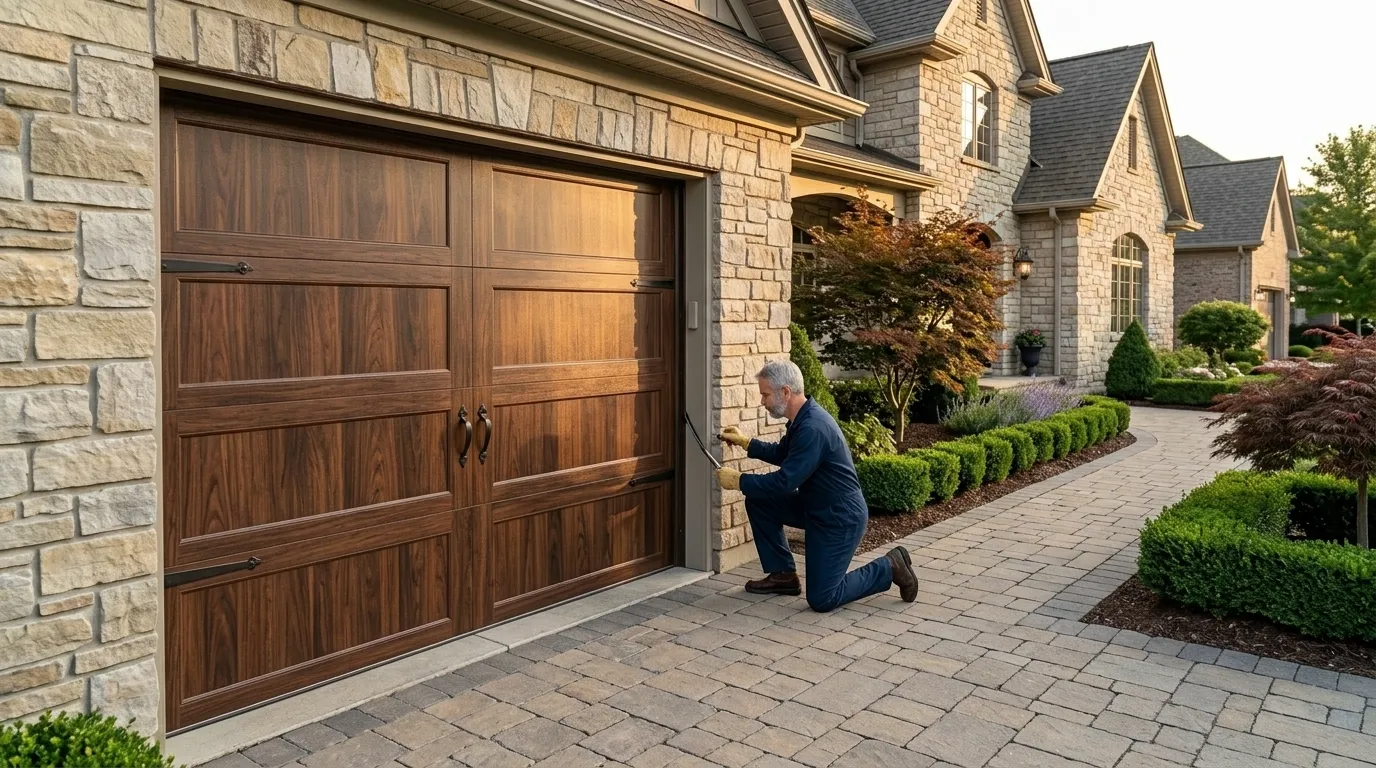
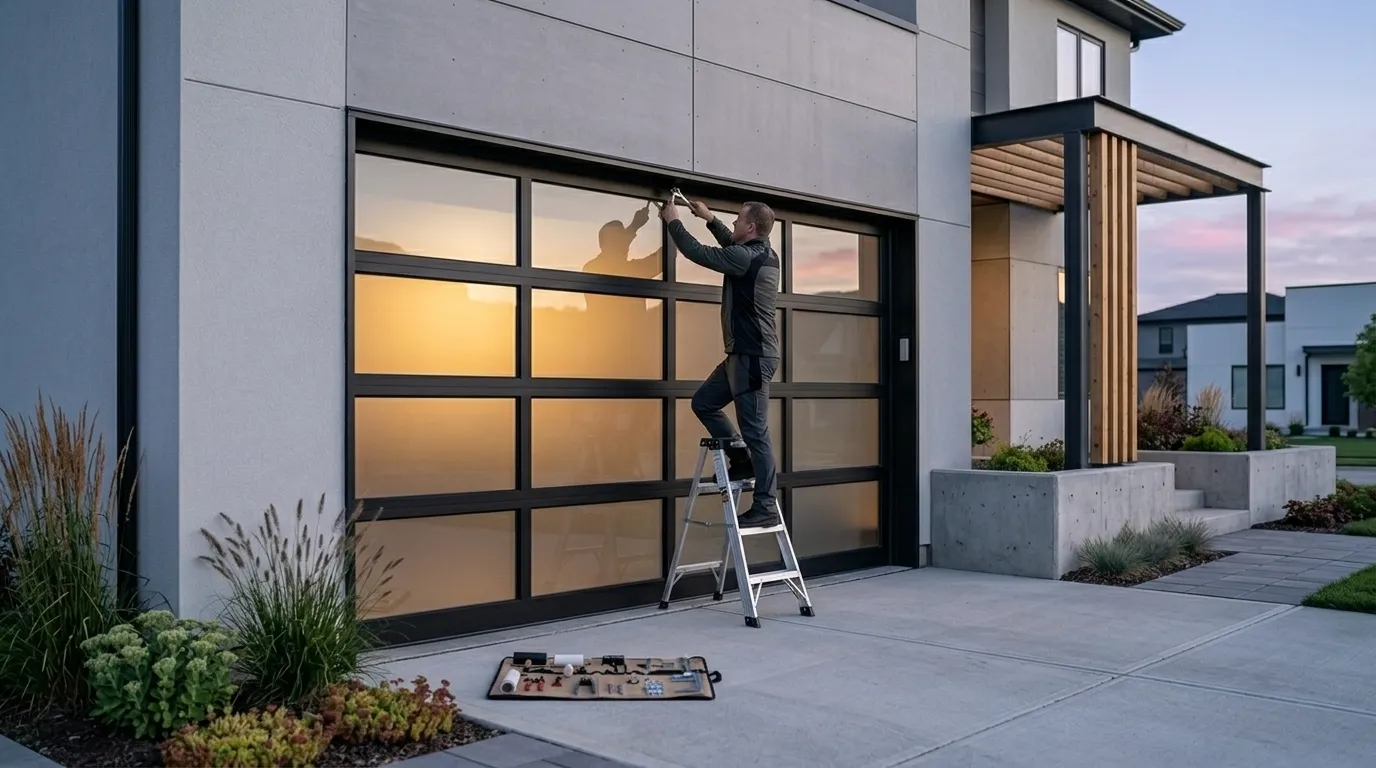
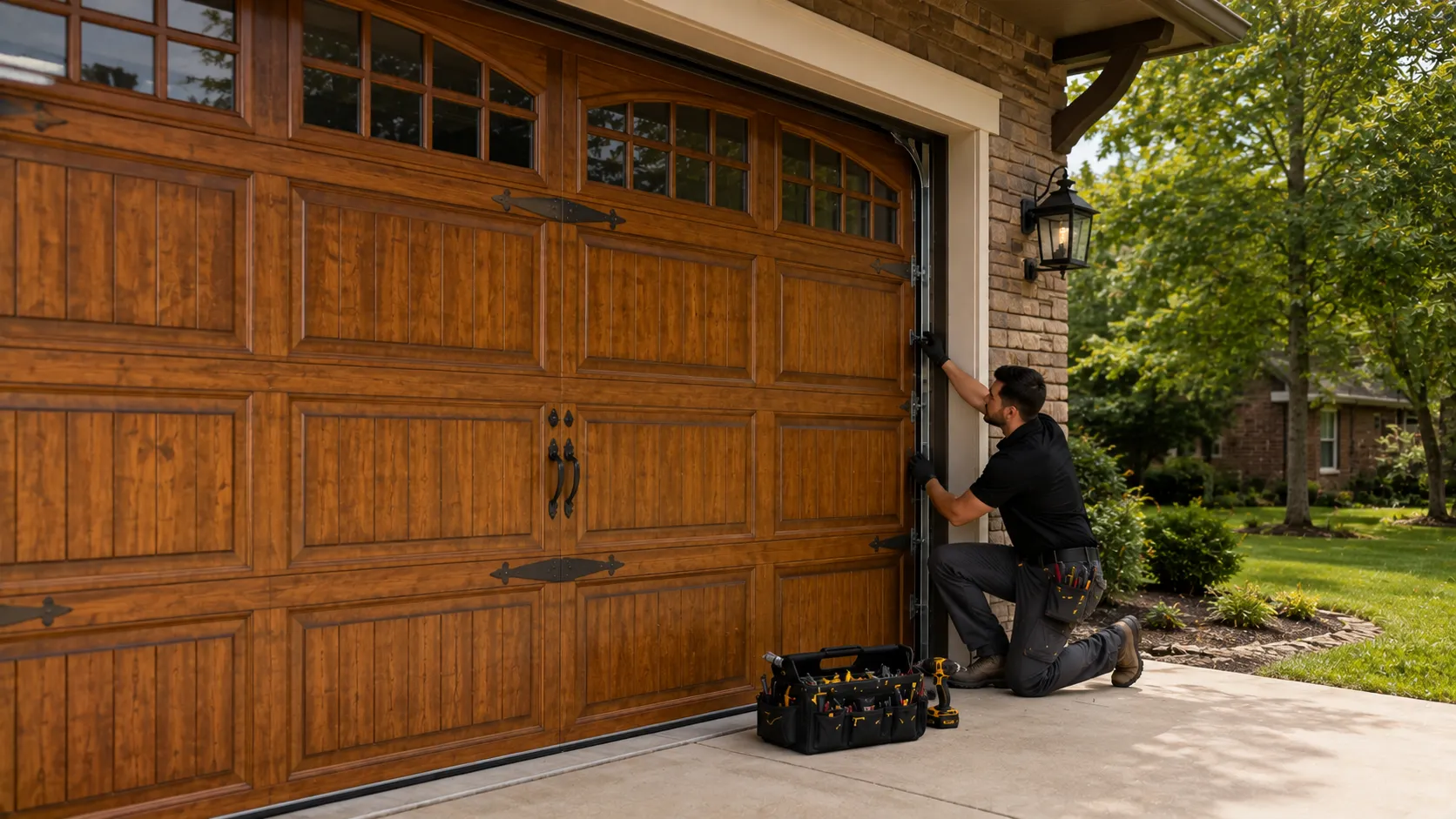
With household income in Woodbranch running around $87,000, higher than the broader service area's median of $70,478, we see more owners choosing full door replacements instead of patch repairs when a door is on its last legs - insulated steel over the older single-layer panels, quieter belt-drive openers over the chain units that came standard in the early 80s. That's not universal, but it shows up in the calls.
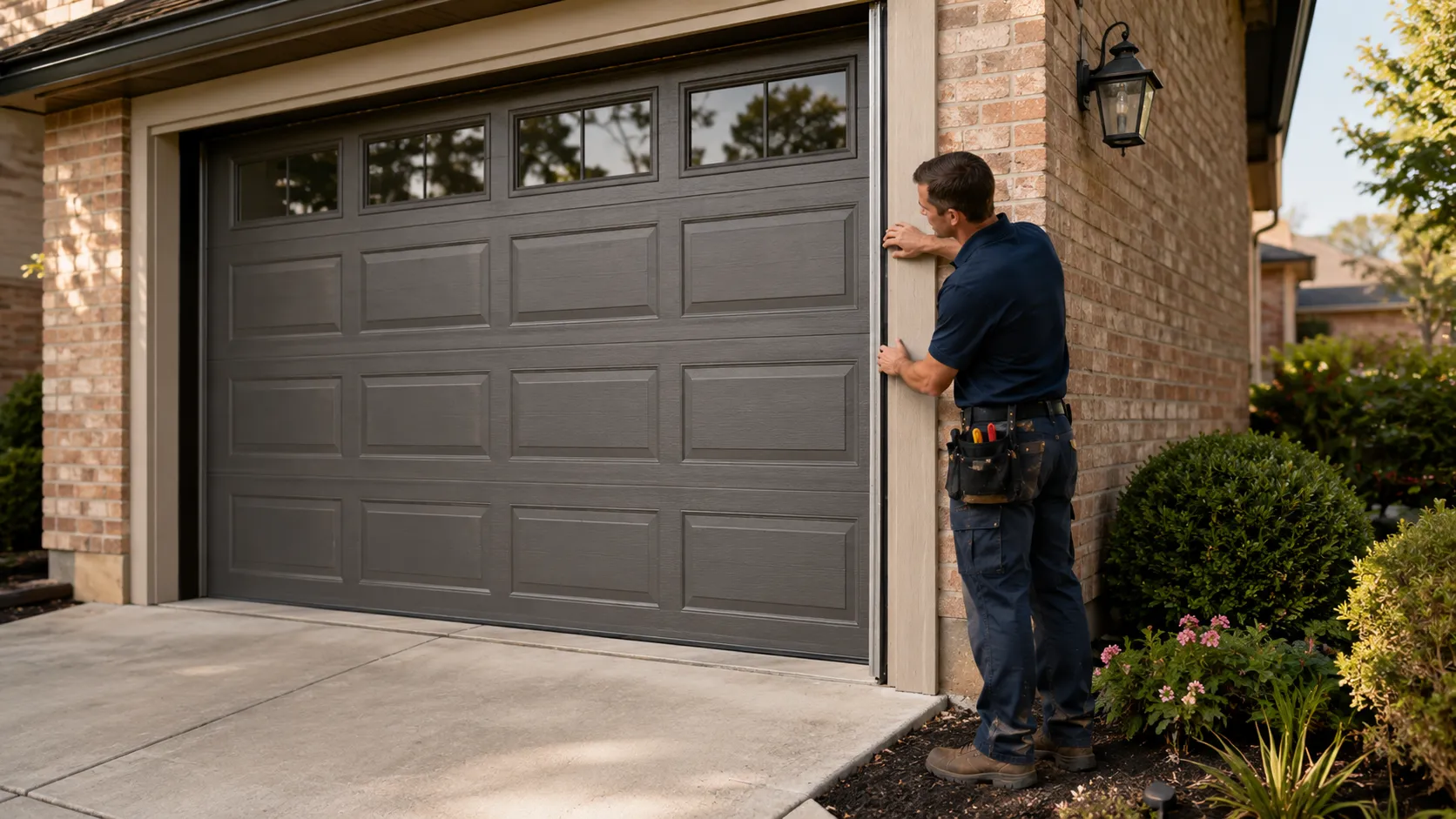
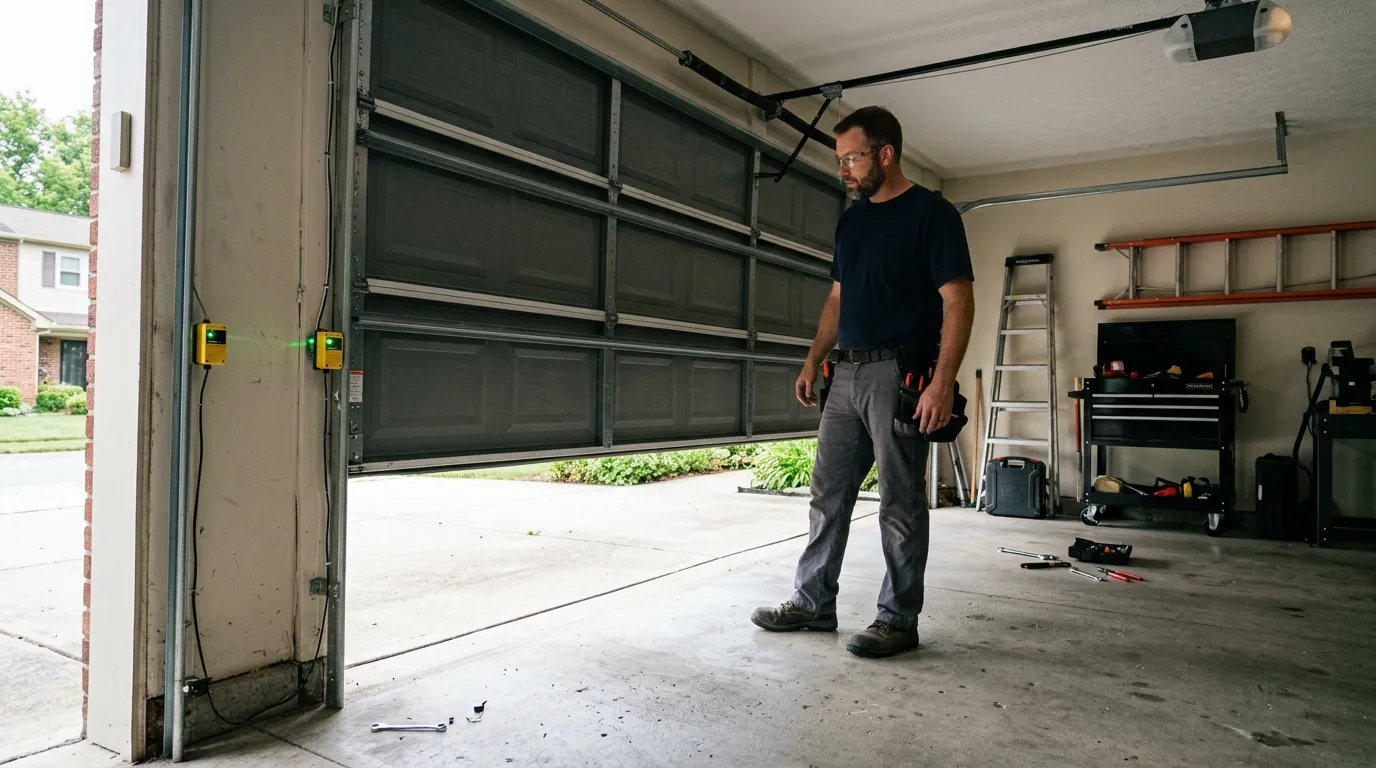
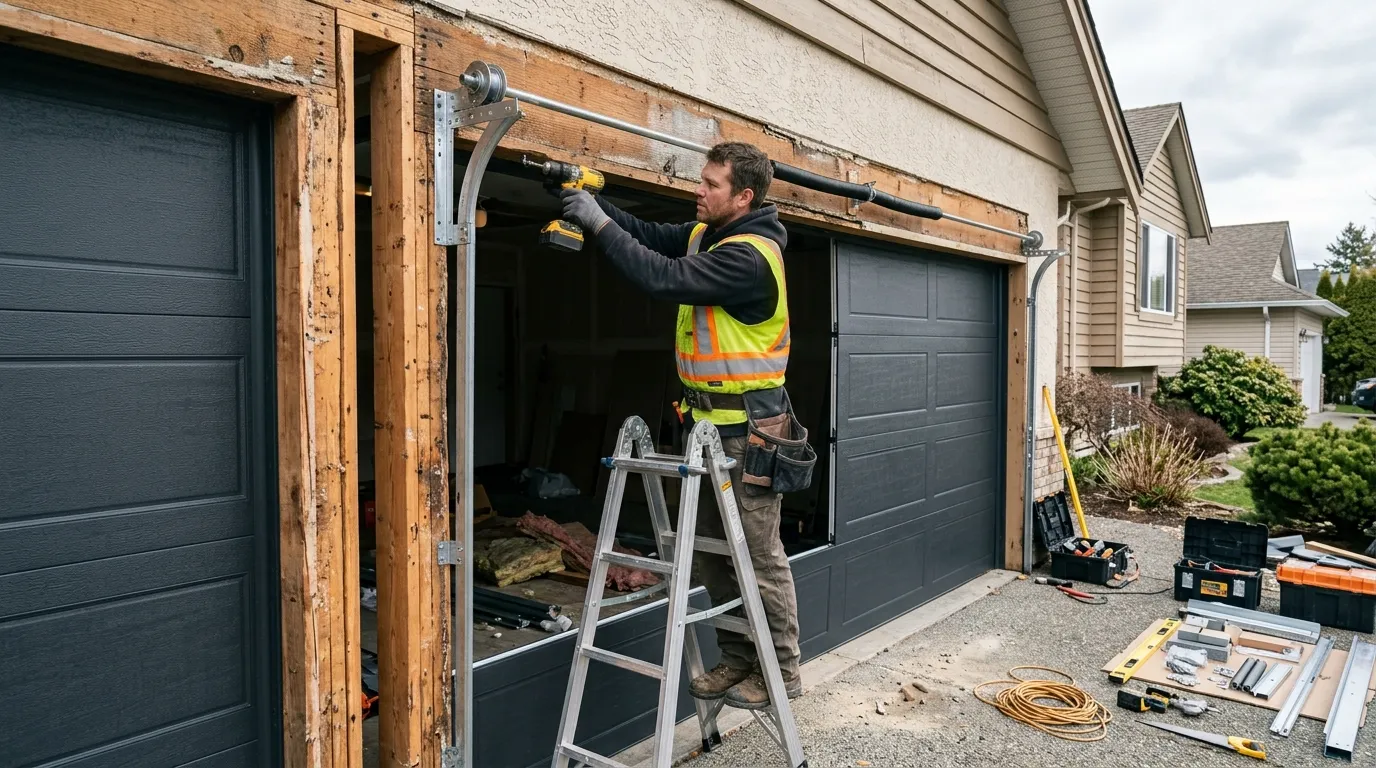
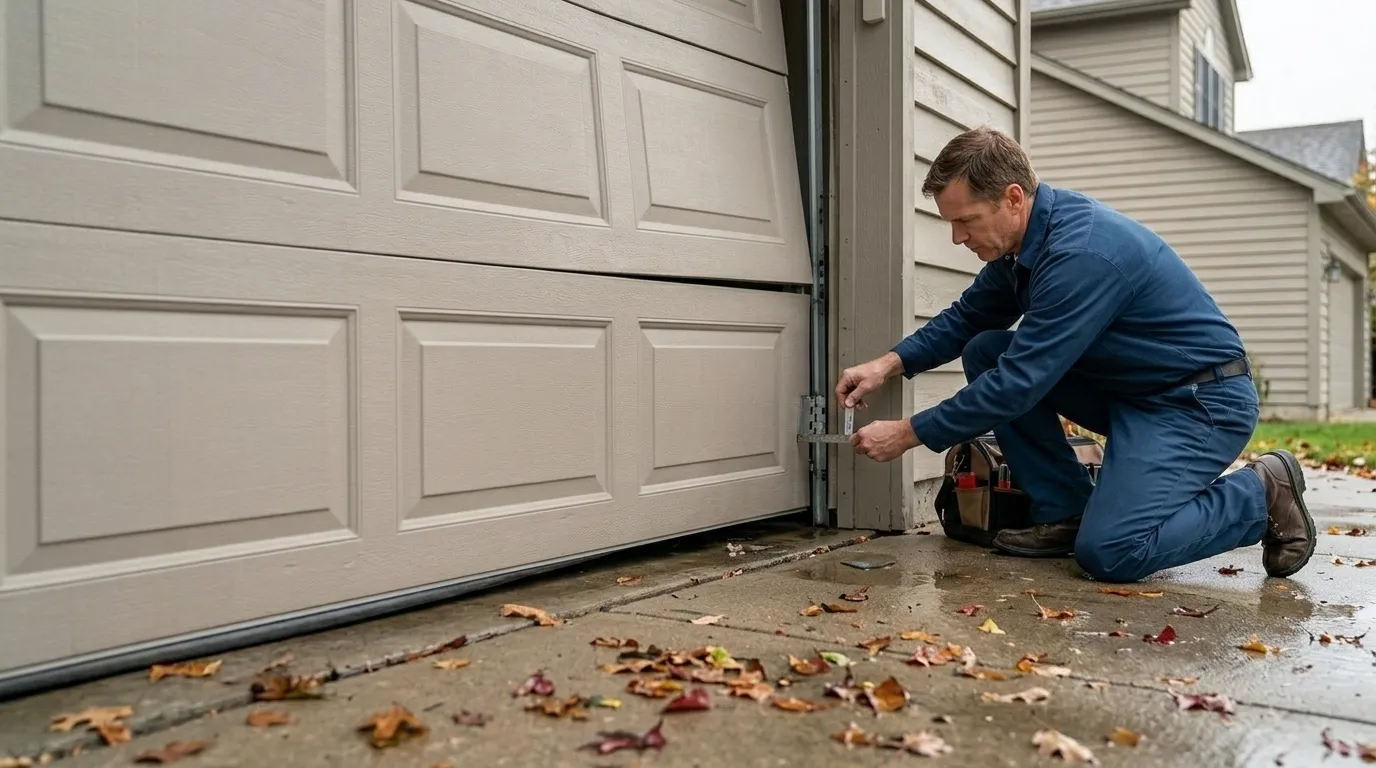
Still, plenty of these doors just need a spring, a cable, or a sensor realignment rather than a full swap. A 1982-era door with decent bones and a properly matched torsion spring can run another decade without complaint. We'd rather tell you that than sell you a door you don't need yet.